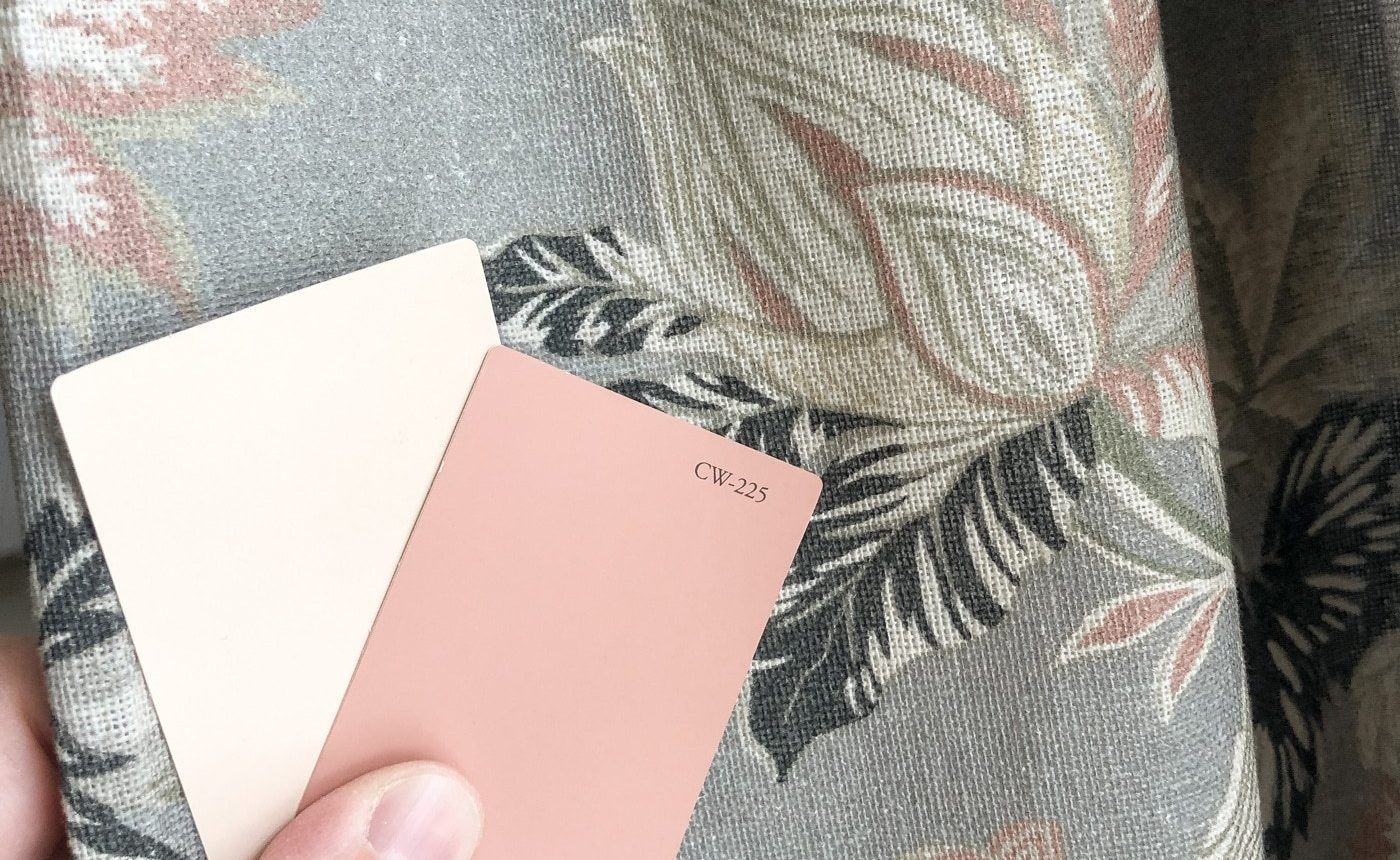
Learn how to pick the perfect paint color for your home with this clear, step-by-step guide. From reading undertones to testing samples in different light, follow these practical steps to find a shade that complements your space and lasts.
I realized I’d never written a thorough, practical guide on choosing paint colors for a home — so here it is. Picking paint can feel overwhelming, but there’s a reliable process that makes choosing the right color the first time much more likely. It takes a bit of planning, awareness of undertones and lighting, and a methodical approach to narrowing options.

Below I walk through a simple six-step process that will help you make a confident choice without stress or endless second-guessing.
This post contains affiliate links for your convenience. See my full disclosure policy.
How to Choose the Right Paint Color in 6 Simple Steps
1. Furnish the Room First
A common mistake is choosing paint before bringing in rugs, furniture, or art. Instead, start by selecting the major furnishings or at least a few key pieces. Paint will look very different depending on the tones and textures around it, and it’s much easier to match paint to a cherished rug, sofa, or piece of art than to try and find decor that matches a randomly chosen wall color.
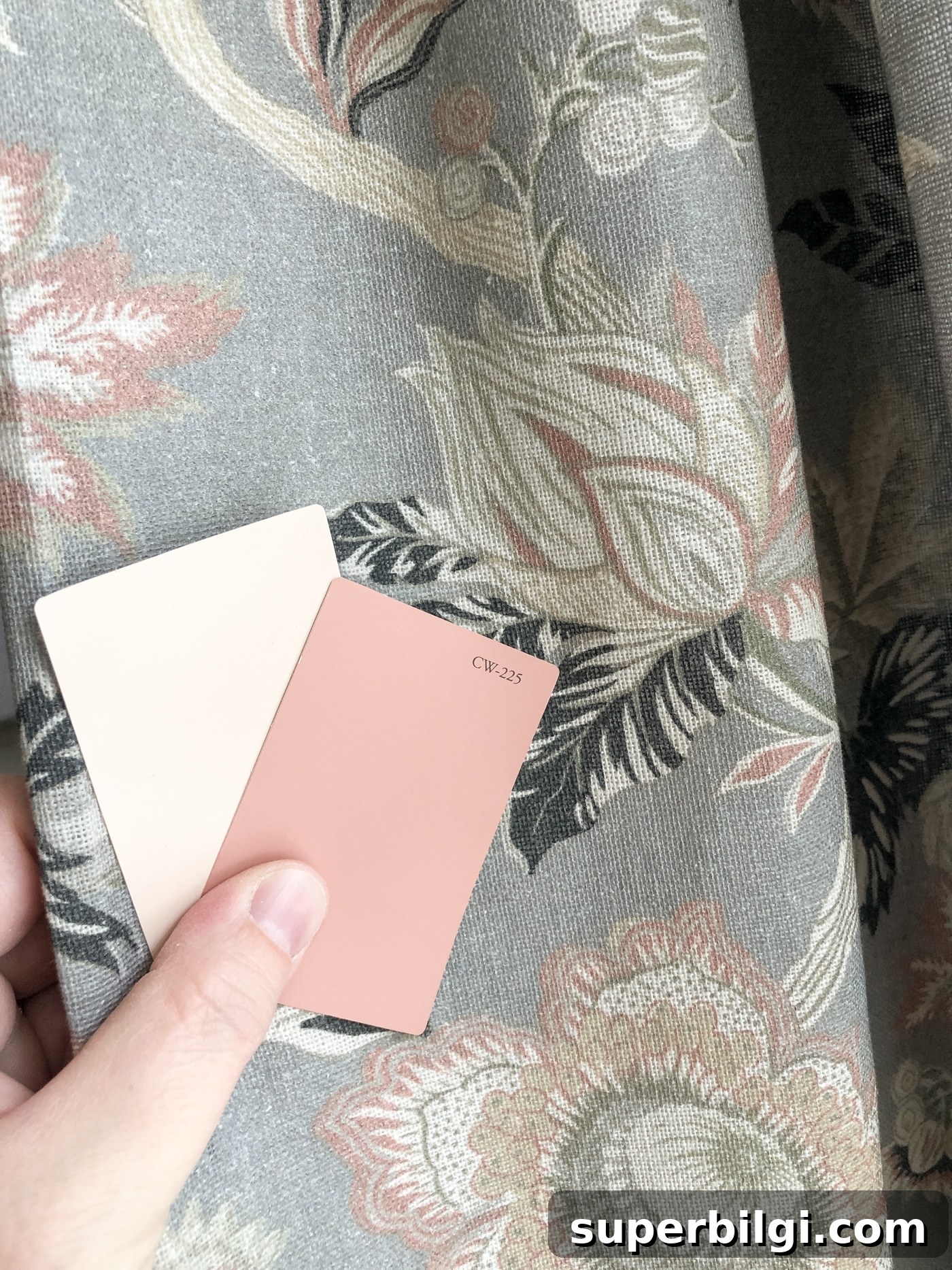
If you’re decorating from scratch, bring in a few anchor pieces and live with them for a bit before committing to paint. This gives you a clearer sense of the room’s color story and prevents costly mistakes.
2. Consider Existing Elements
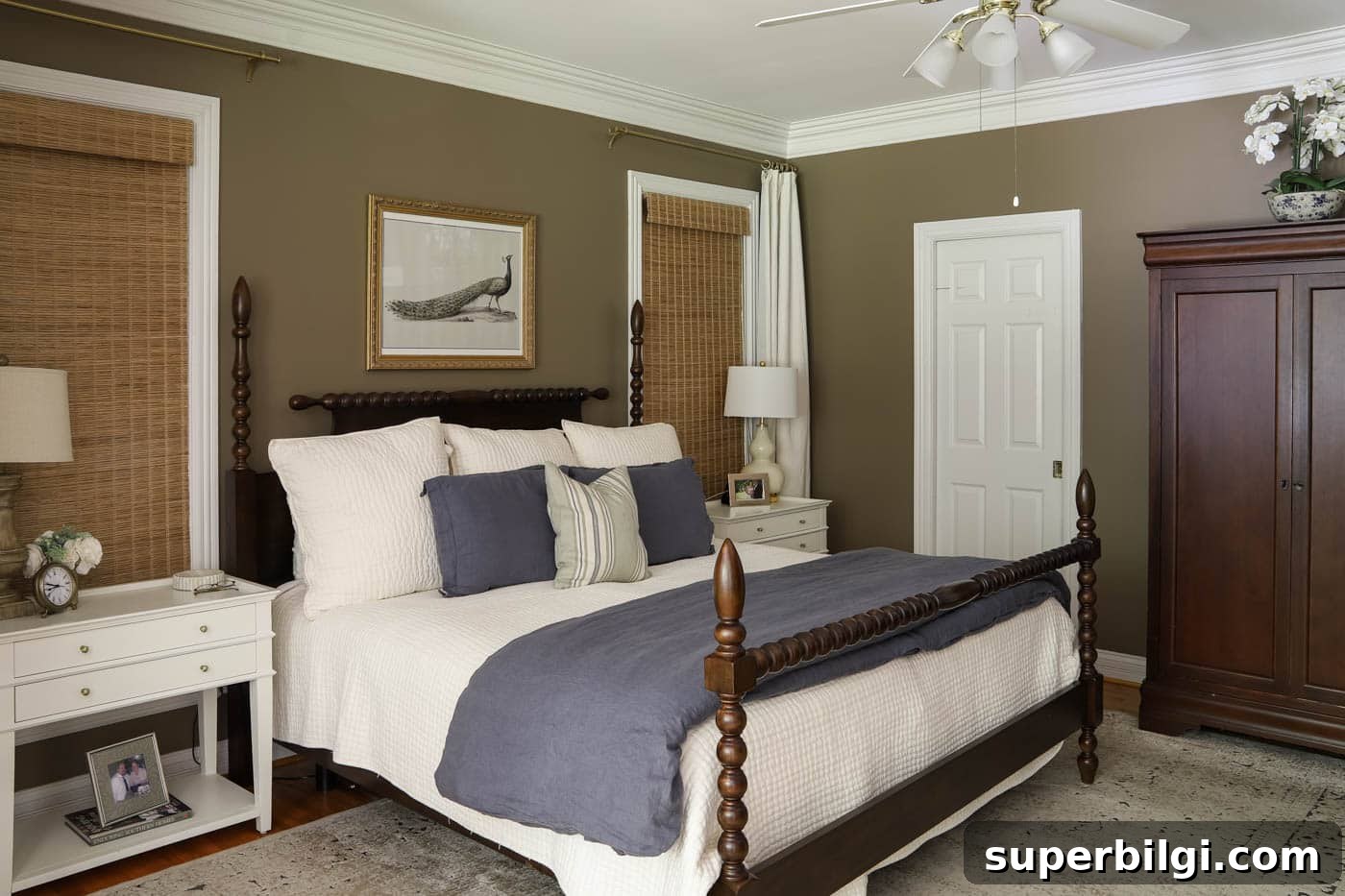
Account for permanent finishes. Flooring, built-in cabinetry, countertops and trim are permanent or costly to change. Their undertones and warm/cool bias should influence your paint choices so everything reads cohesive.
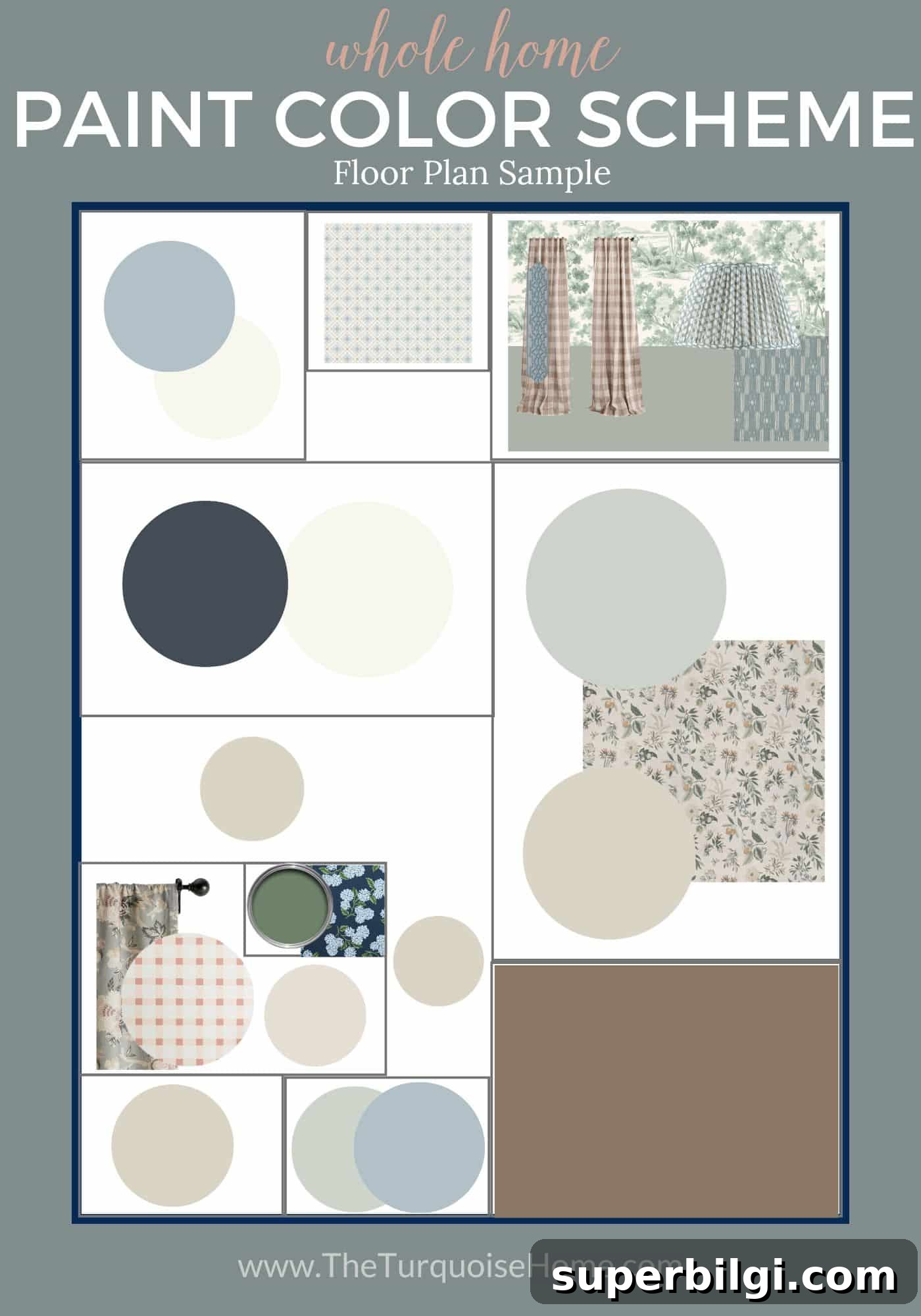
Think about adjacent rooms and flow. Your home should feel connected. Repeat color families or undertones throughout the house so spaces harmonize rather than clash.
Check natural light and exposure. The direction your windows face dramatically affects how colors read. A quick guide:
- North-facing rooms: cooler, grayer light — warmer paints can make these spaces feel cozy.
- South-facing rooms: warm, bright light — cooler colors help balance the warmth, or you can embrace warm undertones.
- East-facing rooms: crisp morning light and cooler afternoons — slightly warm colors work well.
- West-facing rooms: cool mornings and warm afternoons — either warm or cool undertones can succeed depending on your goal.
Decor Tip: Lightbulbs Matter
Use consistent, good-quality light bulbs throughout the house. Different bulbs can shift how paint reads, confusing your choices. Using the same color temperature in lamps and overheads makes comparing colors much easier.
3. Educate Yourself on Undertones
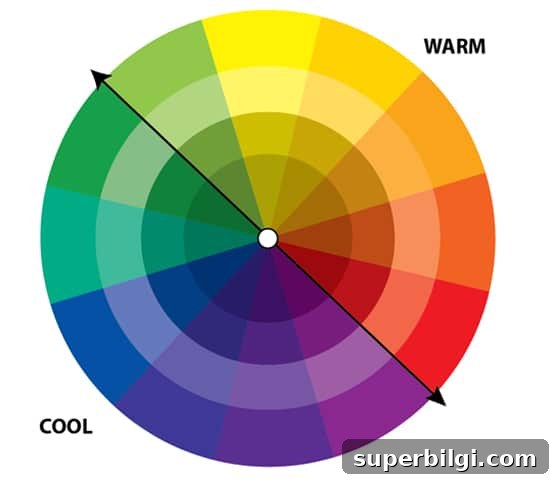
Undertones determine whether a color reads warm or cool. You don’t need formal training to learn this — a simple test helps. Compare the paint chip to a sheet of pure white paper: if the chip looks slightly yellow, pink, green, or blue against white, that’s the undertone guiding its personality. Knowing undertones helps you avoid surprises, like a neutral that suddenly reads too pink or too green in your space.
4. Narrow Down Your Color Family
With furnishings, existing elements, light, and undertones considered, choose one or two color families to explore. For example, you might decide on a muted taupe family or a soft blue family depending on furniture tones and the mood you want to create. Limiting your options early prevents decision paralysis and helps you compare like with like.
5. Research Selected Colors
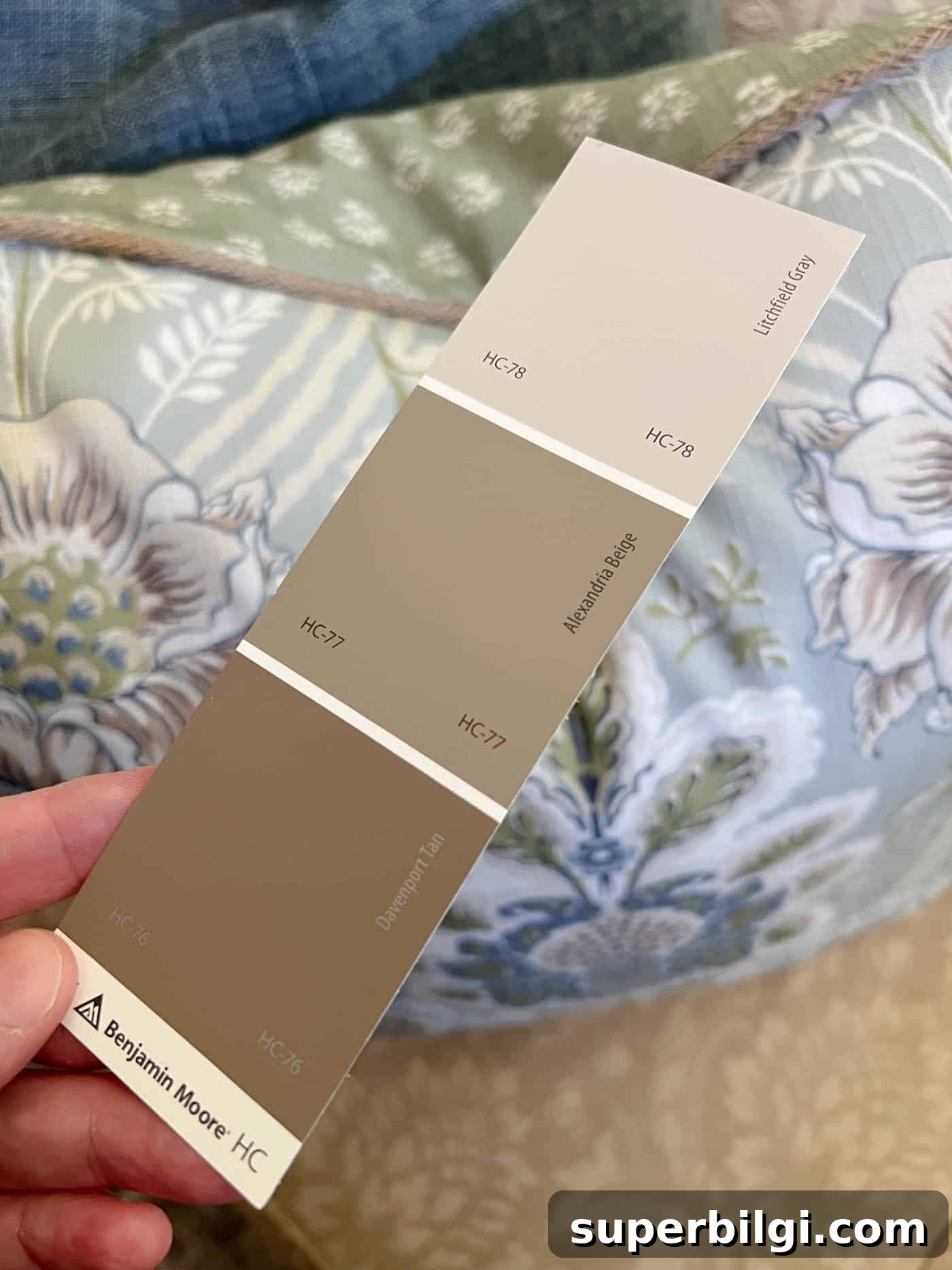
Search for real-life photos of the paint shades you’re considering on social platforms and design blogs. Seeing colors in different rooms, furniture pairings and lighting conditions will reveal how they behave. Make a shortlist of shades you consistently like; these will become your test candidates.
6. Test Samples
Testing is the most important step. Order peel-and-stick samples or small sample pots and test several finalists on different walls and at different times of day. Leave samples in place for multiple days so you can observe changes from morning to evening and under artificial light.
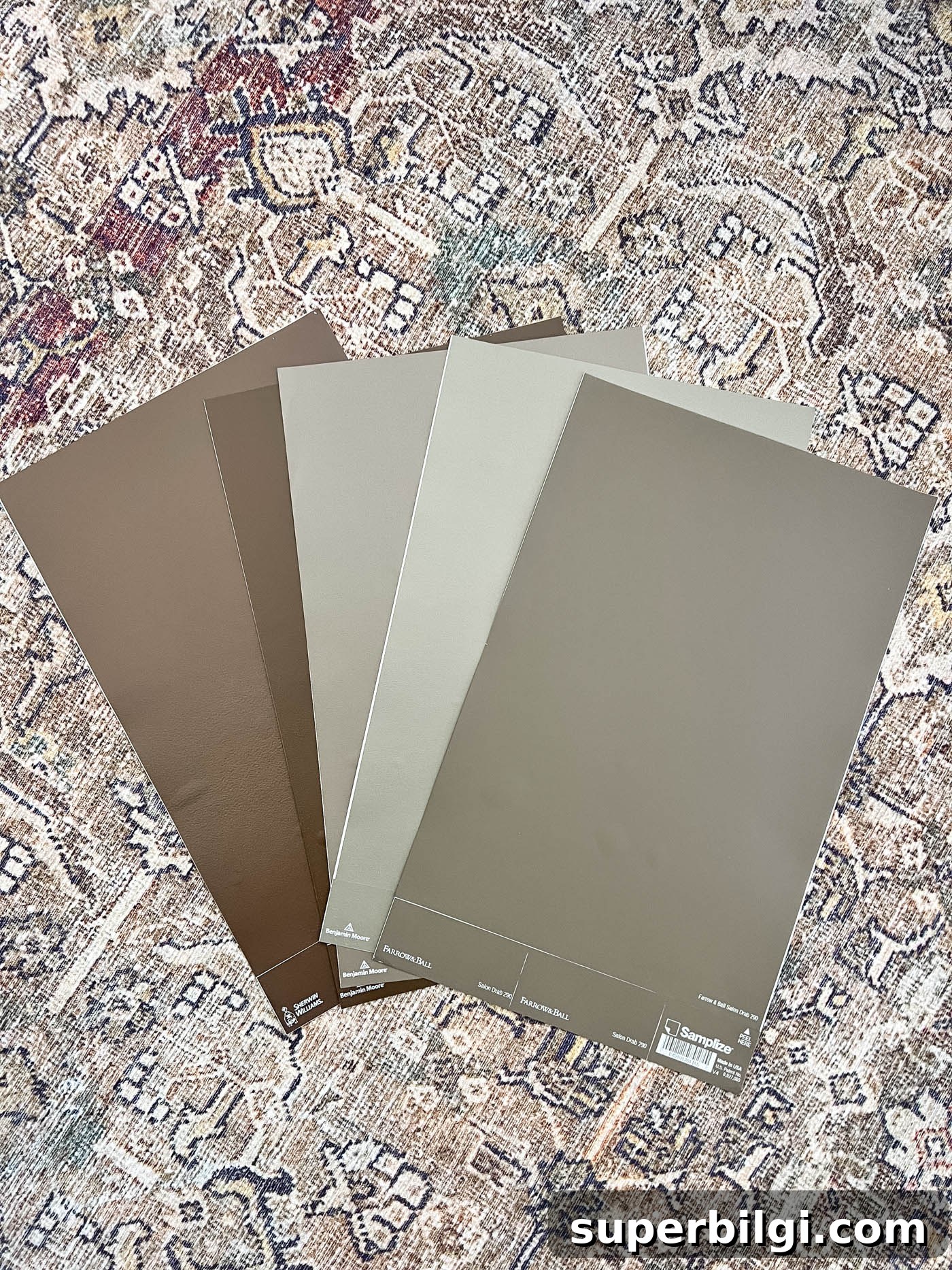
How to test properly:
- Apply samples to different walls and observe them at several times of day.
- Compare each sample against a sheet of white poster board to neutralize any influence from the current wall color.
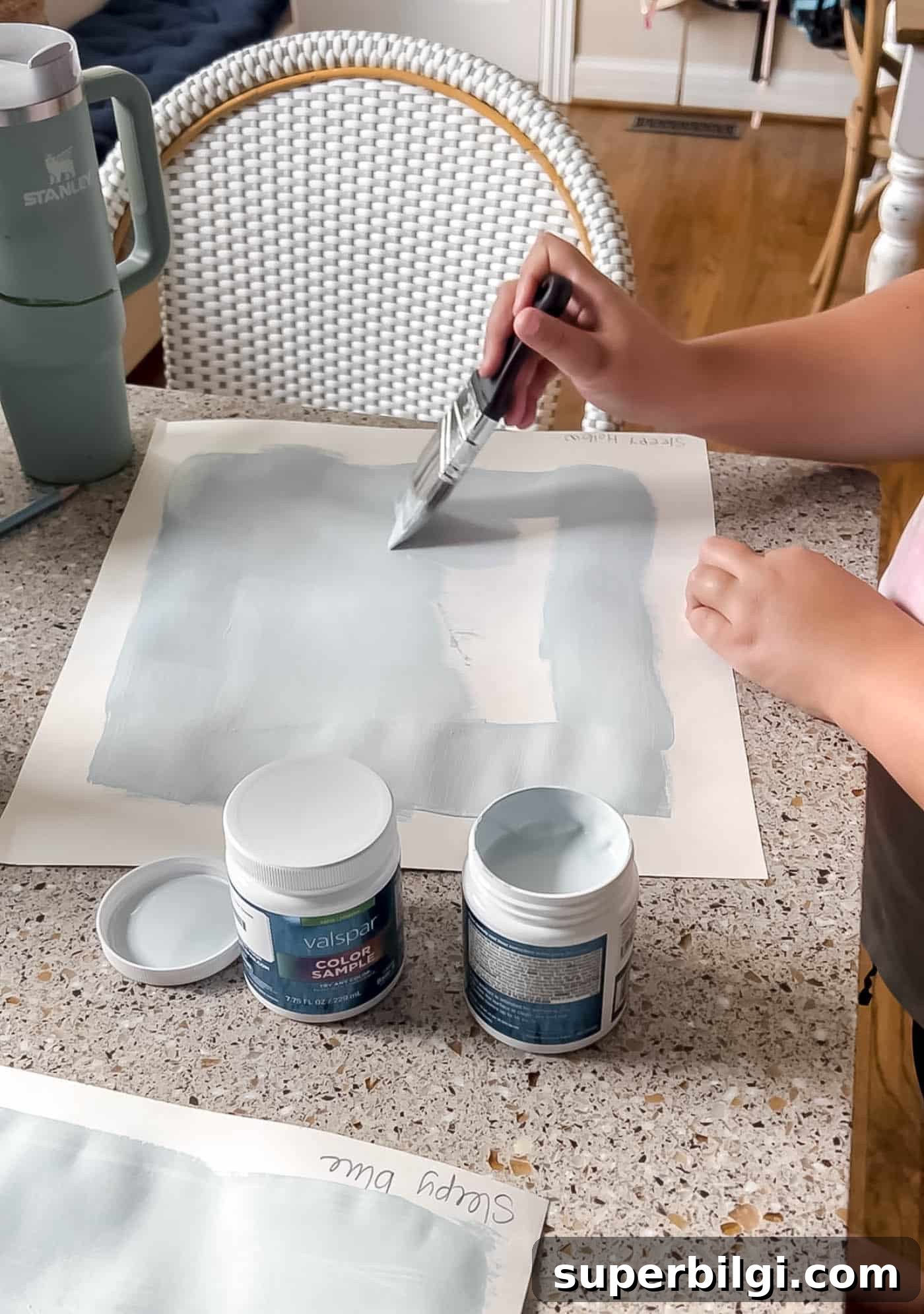
- After peel-and-stick tests, paint small sections with sample pots to confirm the final look and finish.
Take your time. Sometimes you’ll know the right color immediately; other times you’ll grow into a choice after seeing it for a few days. Ask a trusted friend for a second opinion if you’re stuck. Remember: paint is one of the easiest design elements to change if you decide later that a different tone suits you better.
Final Thoughts
Choosing a paint color becomes straightforward when you follow a process: furnish first, consider fixed elements and light, learn to read undertones, narrow your color family, research real-world examples, and test samples thoroughly. Slow down and let the room reveal its best color — the result will be a cohesive, comfortable space that truly feels like home.
More posts you may enjoy:
- How to Paint Outlet Covers
- Peel-and-Stick Paint Sample Reviews
- Best Paint Colors That Complement Oak Cabinets
- How to Refresh Grout with Grout Paint
- Favorite Paint Tools, Tips, and Tricks