
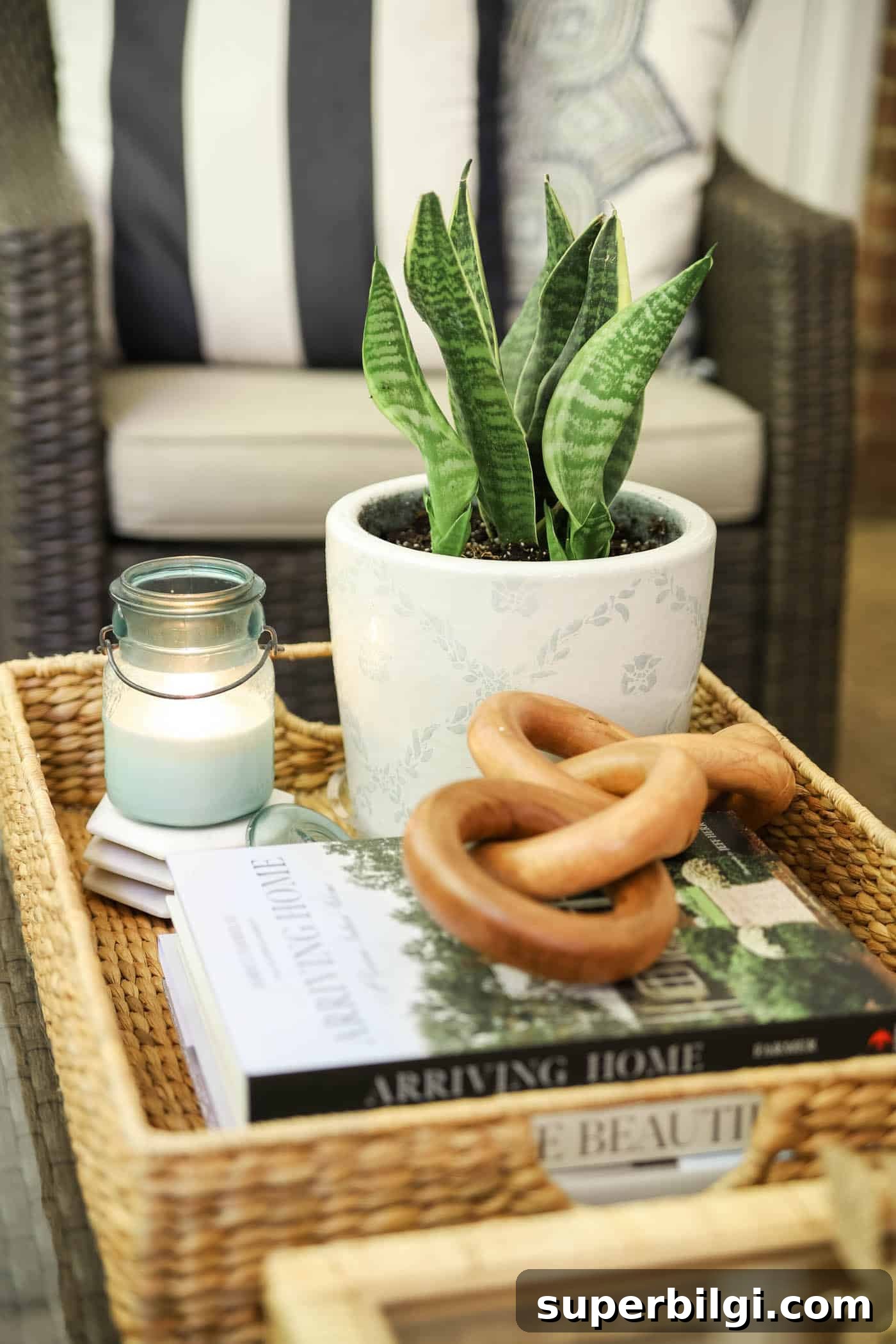
I’ve long praised the charm of the snake plant. Known for being low-maintenance and hardy, snake plants still benefit from a bit of know-how to thrive in your home. They’re one of my top three easiest houseplants, and below I expand on practical snake plant care to help you keep yours healthy and beautiful.
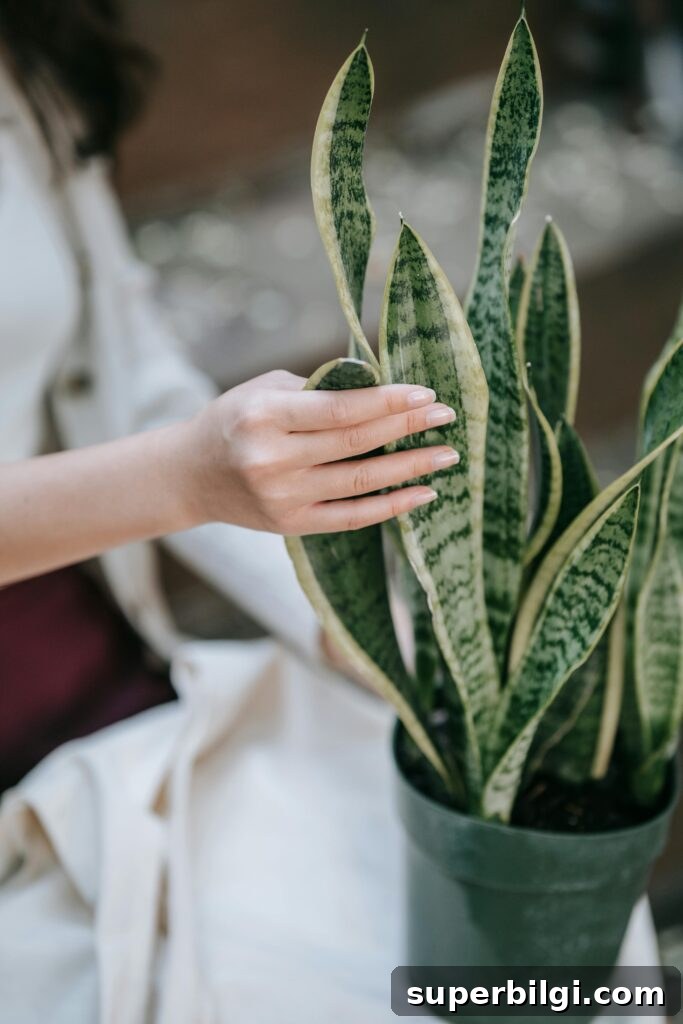
The snake plant’s scientific name is Sansevieria trifasciata, commonly called mother-in-law’s tongue. It’s sometimes known as viper’s bowstring hemp because its fibers were historically used for bow strings. This sculptural houseplant forms long, stiff, pointed leaves that grow upright and can reach impressive sizes.
I love this plant’s architectural form and ease of care. A quick personal note: I once received a snake plant at my grandfather’s funeral but left it outside in freezing temperatures and lost it. It’s an easy plant to keep—just don’t leave it outdoors in subfreezing weather. I replaced it and now keep mine indoors most of the year.
Benefits of Snake Plants
- Attractive: Their vertical, sword-like leaves and striped patterns (green, white or yellow variegation) make a bold design statement in any room.
- Versatile: With many varieties and sizes, snake plants complement virtually every interior style—from minimalist to boho.
- Low-maintenance: These plants are among the easiest to care for and are forgiving of missed waterings.
- Air-friendly: Unlike many plants, snake plants continue to release oxygen at night thanks to a specialized metabolic process, which makes them a good choice for bedrooms and indoor air improvement.

The Many Varieties of Snake Plants
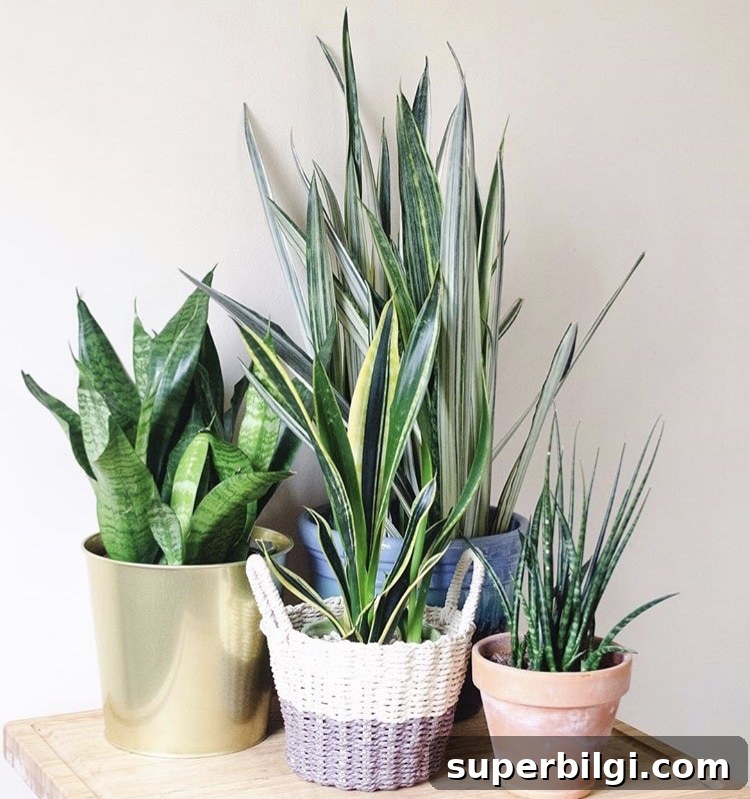
One of the joys of snake plants is the variety available. Different cultivars vary in size, color and leaf shape, so you can pick a specimen to match your space. Here are some popular varieties and what sets them apart:
- Sansevieria ‘Laurentii’: Narrow leaves with white vertical margins; can reach about 3 feet tall.
- Sansevieria cylindrica (African spear): Round, cylindrical leaves that grow from a basal rosette; known for a striking, architectural look.
- Golden Hahnii (bird’s nest): Compact, rosette-forming variety with golden-yellow striping.
- Twisted Sister (Gold Twist): Spiral or twisted leaves that create a sculptural appearance.
- Black Gold / Black Jack / Black Dragon: Dark-leaved cultivars with dramatic deep-green to nearly black foliage, often edged in gold.
- Bantel’s Sensation: Striking white vertical striping, resembling a zebra pattern.

How to Propagate Snake Plants from Leaf Cuttings
Propagating snake plants from leaf cuttings is straightforward and inexpensive. Water propagation is a popular method and works well for most varieties. It’s a great way to multiply plants for your home or to share with friends.
Follow these steps for water propagation of leaf cuttings:
- Choose a mature, healthy leaf.
- Using clean scissors or a sharp knife, cut the leaf near the soil line.
- Trim the leaf into sections about three inches long, keeping track of the top and bottom orientation.
- Cut a small V-shape into the bottom of each section to expose fresh tissue.
- Place the cut ends into a jar with a couple of inches of clean water so the cut area is submerged.
- Set the jar in a bright spot out of direct sun.
- Change the water once a week and rinse the jar to prevent stagnation.
- Roots typically appear in three to four weeks.
- When roots are well developed, pot each cutting into a small container with well-draining potting mix.
- Watch for new shoots and treat the young plants gently until established.
How to Care for Snake Plants
Below is a concise care guide covering light, water, soil, pot size and common issues so you can help your snake plant thrive.
Snake Plant Light Requirements
Snake plants are adaptable to a wide range of light conditions. They tolerate low light but will grow more slowly and stay smaller. They can handle some direct sun but prolonged intense sunlight may scorch the leaves. Indirect, bright light is ideal. Artificial light such as fluorescent or LED grow lights also works well when natural light is limited.
Are Snake Plants Safe for Pets?
No. Snake plants are toxic to cats, dogs and humans if ingested. Their sap can cause nausea, vomiting and diarrhea. Keep them out of reach of children and pets, or place them in elevated or restricted areas.
How Often Should You Water a Snake Plant?
Snake plants prefer infrequent watering. Water about every two to six weeks, depending on light, temperature and humidity. Always check the soil: water only when the top inch is dry. Overwatering is the most common problem and can cause root rot, so err on the side of underwatering—especially in fall and winter when growth slows.
What Size Pot Do I Need?
Snake plants like to be somewhat snug. Choose a pot only one to two inches wider than the root ball. Slightly root-bound conditions can encourage better leaf production.
When Should I Repot?
Repot every two to three years or when the plant becomes pot-bound. Signs it’s time include roots emerging from drainage holes or a noticeable slowdown in growth. Repotting into fresh, well-draining mix will refresh nutrients and improve drainage.
What Type of Soil Does My Snake Plant Need?
Use a well-draining potting mix such as a cactus or succulent mix, or regular potting soil amended with perlite or coarse sand. Feed sparingly with a balanced liquid houseplant fertilizer during the growing season—about once a month is sufficient.
Ideal Temperature and Humidity
Snake plants prefer temperatures between 60–85°F (15–30°C) and average indoor humidity of 40–60%. They are resilient and tolerate typical household conditions but should be protected from prolonged cold and drafts.
Possible Snake Plant Problems and What to Do
Even hardy plants can encounter issues. Here are common problems and practical fixes.
If your snake plant is:
- Not growing: Check for overwatering, insufficient light, poor soil or extreme temperatures. Move the plant to better light, refresh the soil, and ensure temperatures are in the recommended range.
- Yellowing or wilting: This can indicate root rot from overwatering or pest problems like spider mites or mealybugs. Treat pests with neem oil or insecticidal soap. For suspected root rot, remove the plant, trim away rotten roots, let healthy roots dry briefly, and replant in fresh, well-draining mix.
- Blooming: Flowering is uncommon and can be a stress response. Snake plants occasionally produce small tubular flowers followed by berries; flowering doesn’t necessarily require action but often signals a change in conditions that stressed the plant.
Essential Houseplant Accessories
A few helpful tools and accessories can make plant care easier and more reliable:
- Balanced liquid houseplant fertilizer
- Self-watering planters for consistent moisture
- A sturdy plant shelf to position plants in ideal light
- Soil moisture, light and pH tester to monitor conditions
If you have more questions about snake plant care, feel free to leave a comment and I’ll do my best to help.
More posts you may enjoy:
- ZZ Plant Care Guide
- Pothos Plant Care Guide
- How to Plant Flowers in a Pot, Planter or Container
- Where to Buy the Best Fake Plants
- How to Get Rid of Gnats in House Plants