
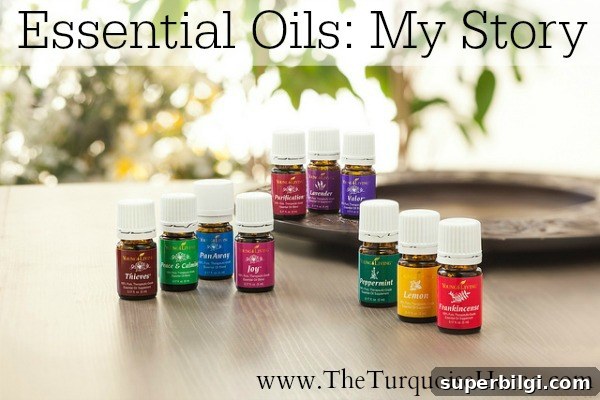
You’ve likely seen essential oils popping up everywhere—tiny bottles that promise a lot. After years of skepticism, I finally tried them and they’ve become a meaningful part of my daily routine. In this post I’ll explain what essential oils are, how a few simple blends changed my view, and how I use them for wellness, scent, and household care.
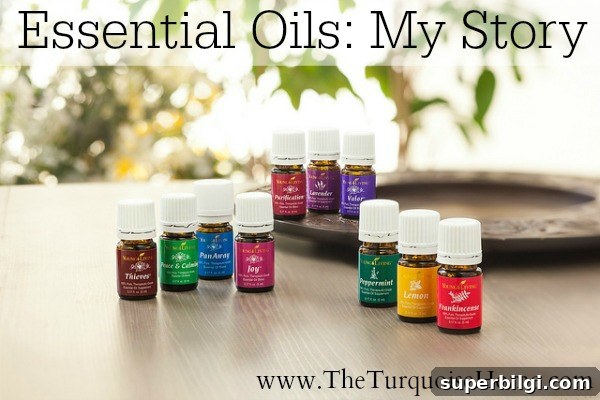
In short, essential oils are concentrated aromatic extracts of plants, obtained through distillation or cold pressing. People use them in diffusers, topically with proper dilution, and in some cases internally when the product is labeled and intended for that use. They are commonly used to support emotional balance, promote a calming home environment, and add natural fragrance without synthetic chemicals.
My Story
My introduction to essential oils came through my mother, who had been using them for several years. I resisted at first—I’m naturally skeptical and I didn’t expect these little bottles to change much. But a few experiences convinced me to give them a real try.
Purification Oil and a Stinky Dog
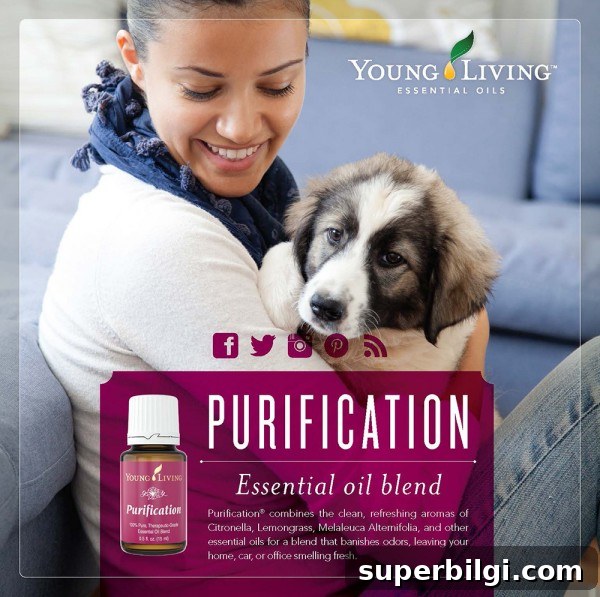
A few years ago, my husband had an older, indoor dog whose odor I found difficult to tolerate—especially because I’m sensitive to smells and allergic to dogs. My mom suggested an essential oil blend called Purification and a diffuser to freshen the air. Running the diffuser made the house smell noticeably cleaner and more pleasant. It wasn’t a miracle solution for every issue, but it made living with that dog much easier for me.
The Final Straw: Lavender, Lemon and Peppermint
The moment that really changed my perspective happened at Christmas. I sometimes react strongly to certain odors and one afternoon I began to feel a sudden wave of irritation and brain fog. My mom offered a simple combination: two drops each of lemon, lavender and peppermint in warm water. I took a sip, gargled, and within minutes the fog lifted and my head cleared.
That instant improvement convinced me to learn more. Since then I’ve researched safe methods of using essential oils—diffusing, topical application with a carrier oil, or careful internal use only with oils labeled and intended for ingestion. For children, I follow gentler approaches and always dilute appropriately. It’s important to avoid getting oils in the eyes or ears; if that happens, dilute with a carrier oil rather than water and consult guidance from reliable sources.
And the Rest is History
After that experience I purchased a starter kit that included a diffuser and a set of popular oils. I use my diffuser daily; one favorite blend I often combine is Stress Away with Peppermint for a relaxed, uplifting aroma. Over time I found essential oils helpful for several everyday uses: easing muscle sore spots with topical blends, freshening laundry, adding a bright lemon note to water, and creating a simple facial moisturizer by blending a small amount of Frankincense with whipped coconut oil. The moisturizer improved how my skin felt and became one of my favorite simple, natural rituals.
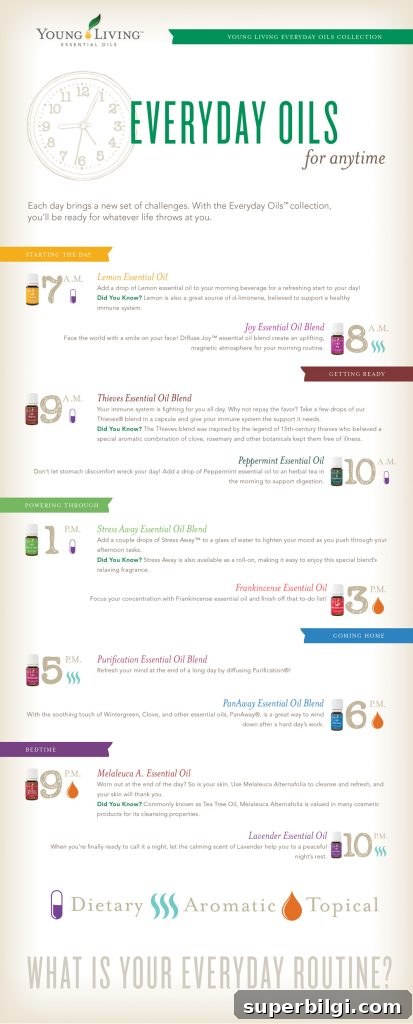
I’m not a pushy salesperson—I don’t want to pressure anyone—but I do feel compelled to share tools that have helped my family feel better emotionally and physically. Switching to more natural fragrances in the home and reducing synthetic chemical exposure felt like a positive change for us. That said, essential oils are not a cure-all; they are one tool among many for wellness and household care.
If you’re curious to try essential oils, start with research on safe usage, choose high-quality products from reputable sources, and follow dilution guidelines for topical application. A small diffuser and a few versatile oils—like lavender, lemon, and peppermint—are a good place to begin exploring scent, mood support, and light household uses.
I’ll continue sharing DIY projects, home decor, and occasional essential oil tips here at The Turquoise Home. If you have questions about my experiences or want practical suggestions for getting started, feel free to leave a comment or contact me through the site.
Disclaimer: This post describes my personal experience with essential oils. I am not a medical professional. Individual experiences may vary. When I mention essential oils in this post, I am referring to the specific brand I use and trust; other products may have different labeling and safety guidelines. This statement has not been evaluated by the Food and Drug Administration. Essential oils are not intended to diagnose, treat, cure, or prevent disease. Always research, follow product directions, and consult a healthcare professional when in doubt.