
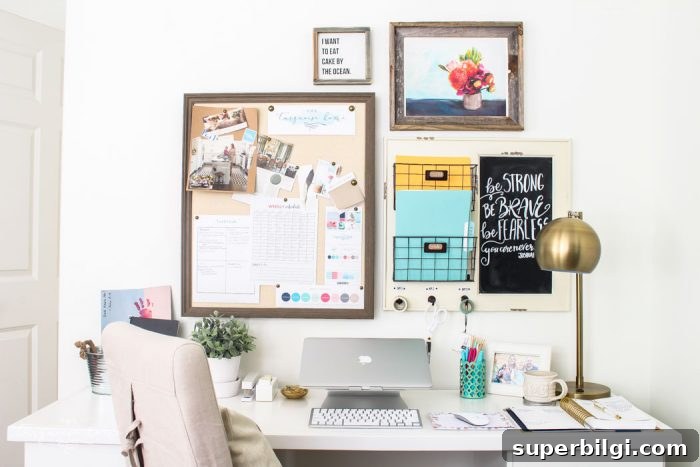
Improve your productivity and efficiency with an organized home office. Use these practical home office organization ideas to start creating the workspace you’ve always wanted.
Working from home can feel like a dream — but the difference between a pleasant experience and a stressful one usually comes down to organization. Whether your workspace is an entire room or a small nook, a setup that looks good and functions well will support your focus and productivity.
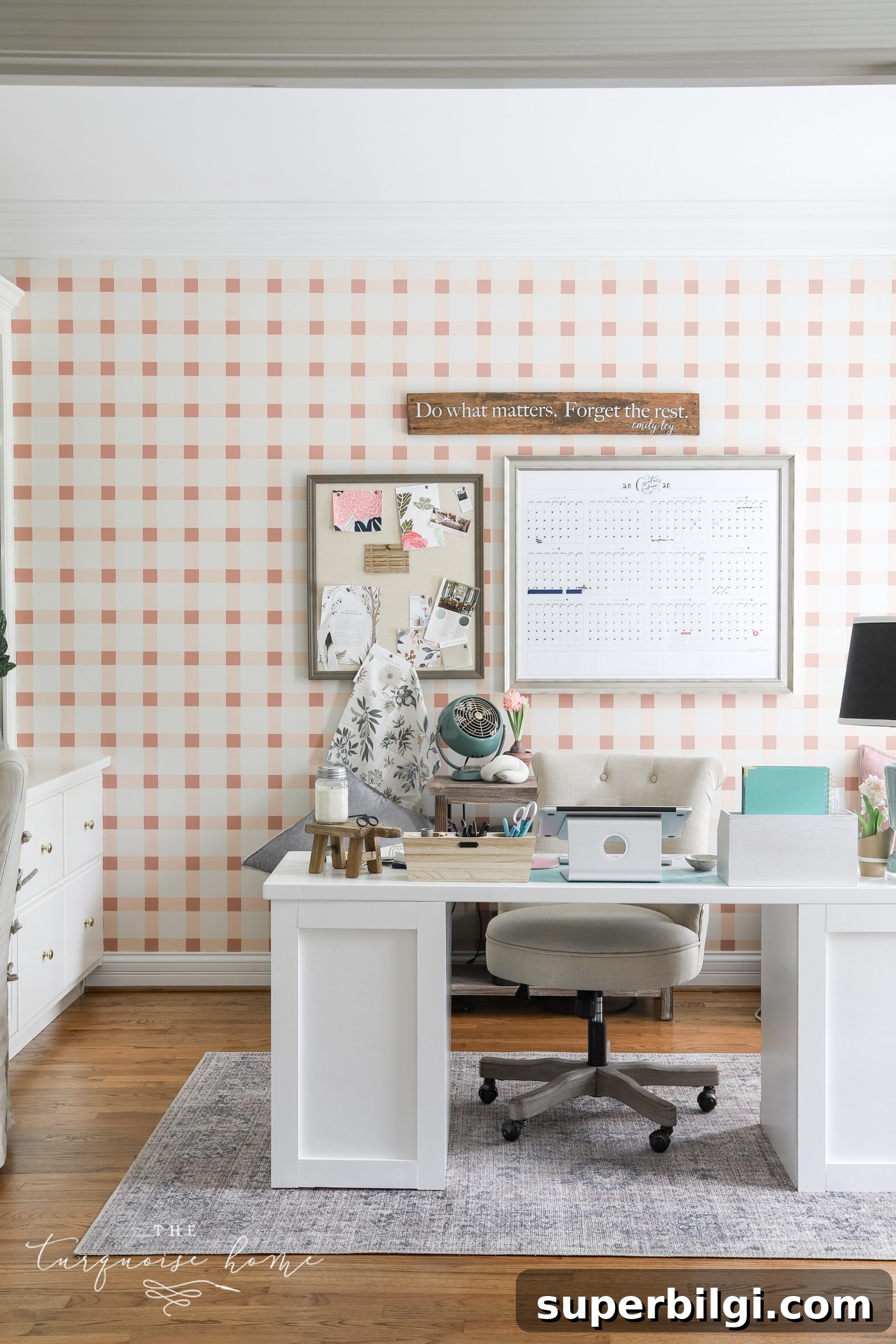
From my own experience, a messy, disorganized office stifles creativity and productivity. I spent a year working in a cluttered space in our previous home and I’d often avoid using it — instead working on the couch. Since reorganizing and moving into a new office, my workspace has been easier to use and much more inviting.
Every home office collects files, papers, accessories, and general clutter. Without reliable systems, it’s hard to maintain order. But with a few smart solutions, even the smallest workspace can become efficient, tidy, and inspiring.
Essential Home Office Organization Ideas
Looking for ideas to transform your workspace into a smoothly running home office? Here are eight practical strategies that help keep every pencil, paper clip, and paper in its place.
1. Create Ample Work Space
It’s difficult to be productive without enough surface area. Your desk should comfortably accommodate your computer or laptop, room to take notes, and any other tools you use regularly. A wider desk or a desk system with built-in drawers and filing space makes it easier to keep the immediate area clear and functional.
Equally important is a comfortable chair that supports good posture and the correct desk height. Small adjustments such as desk risers can help you raise your workspace a couple of inches for better ergonomics.
Essentials to consider for this setup: a long desk with storage and a supportive desk chair, plus accessories (like risers or monitor stands) to position screens at eye level.
2. Create a Desktop Filing System
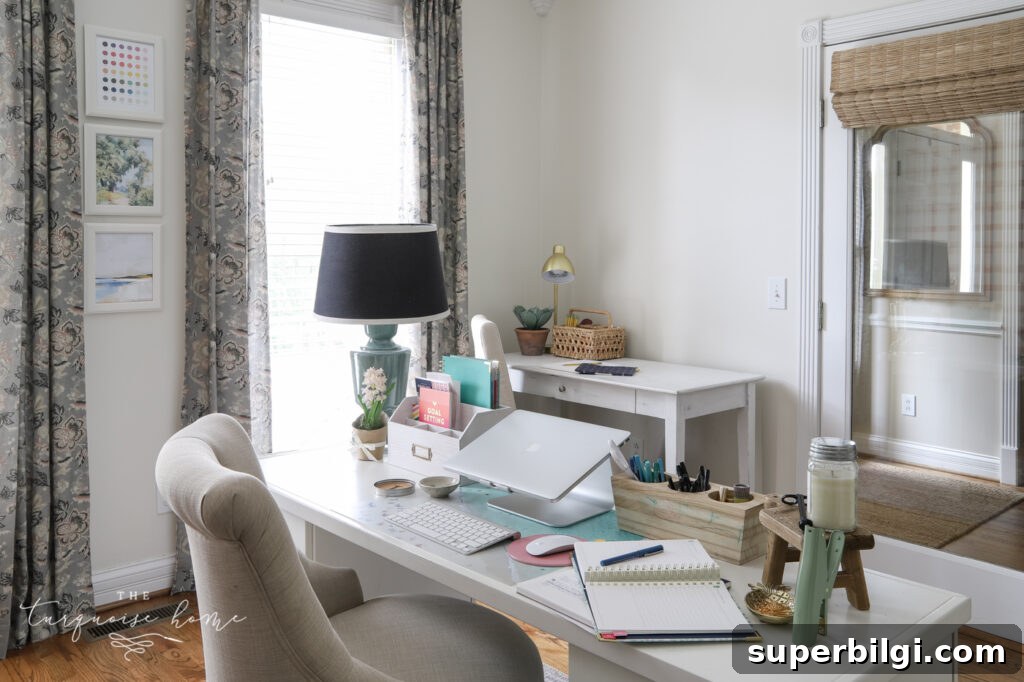
Paper piles appear quickly when we don’t have a place to file items immediately. A desktop filing system for your top 8–12 frequently accessed folders reduces clutter and keeps important documents visible and accessible. Use colored or patterned folders to add visual appeal while making items easy to find.
Good options include a compact file sorter on the desk, a small filing cabinet, or labeled trays for current projects.
3. Utilize Your Wall as Storage
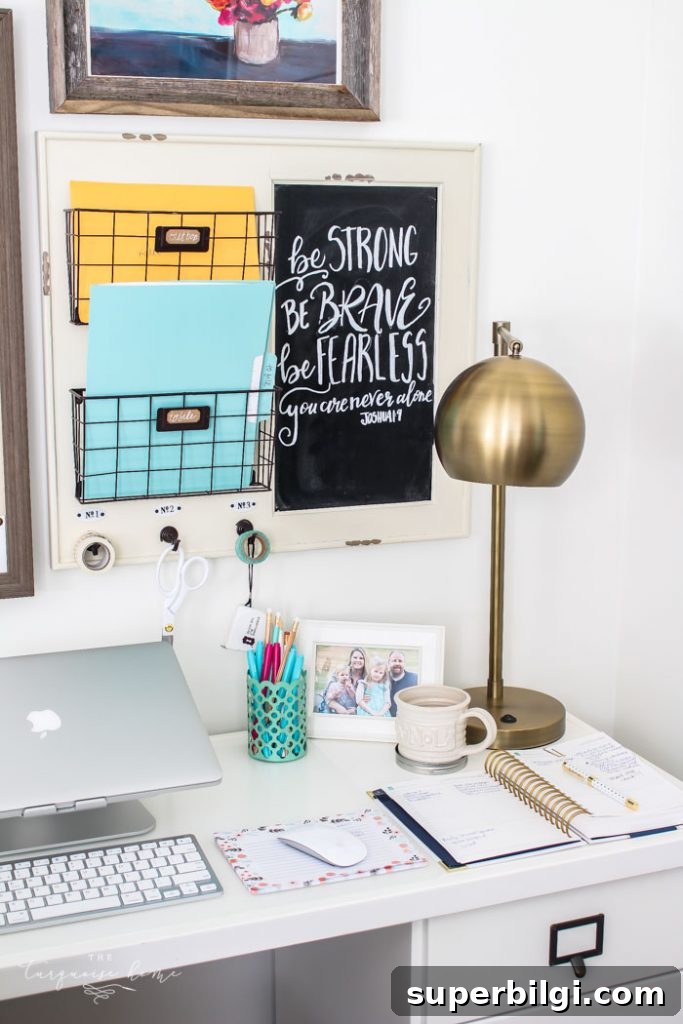
Instead of stacking action items on the desk, reclaim wall space. Wall-mounted organizers, pegboards, or hanging baskets can hold mail, bills, and to-do items so they don’t become buried. A wall system becomes a visual command center — a quick way to scan what needs attention.
4. Add Shelving to Create Space
Shelving gives you vertical storage that frees up desk area. If built-ins aren’t an option, consider modular or stackable shelving that can be reconfigured to fit your needs. Painted crates, cube shelving, or adjustable shelving units are budget-friendly and adaptable to different storage needs.
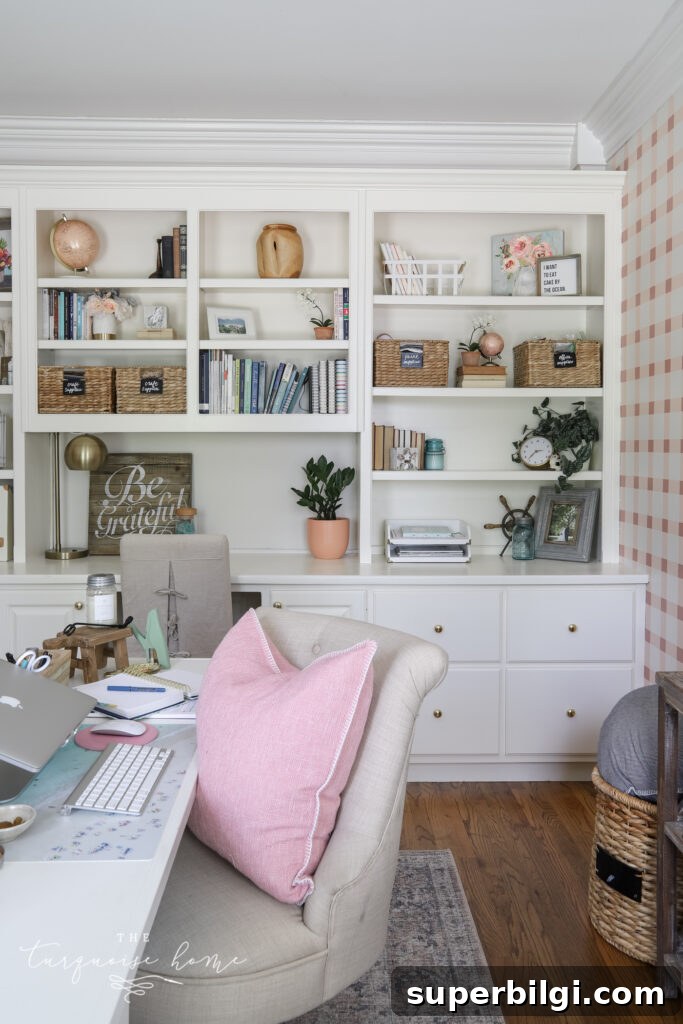
5. Put Together Organization Shelves
Shelves are terrific when they’re organized with purpose. Use magazine holders, baskets, and labeled bins to separate supplies like colored printer paper, reference books, and magazines. Organizing by category prevents shelves from becoming a catch-all for loose items.
Mix functional storage with decorative elements so the space feels intentional and pleasant to use.
6. Make a Home for Desktop Items
Keep pens, highlighters, scissors, and sticky notes in designated containers rather than a mismatched mug. A tidy desk organizer or a small caddy gives every item a place and makes it easy to maintain a clutter-free surface.
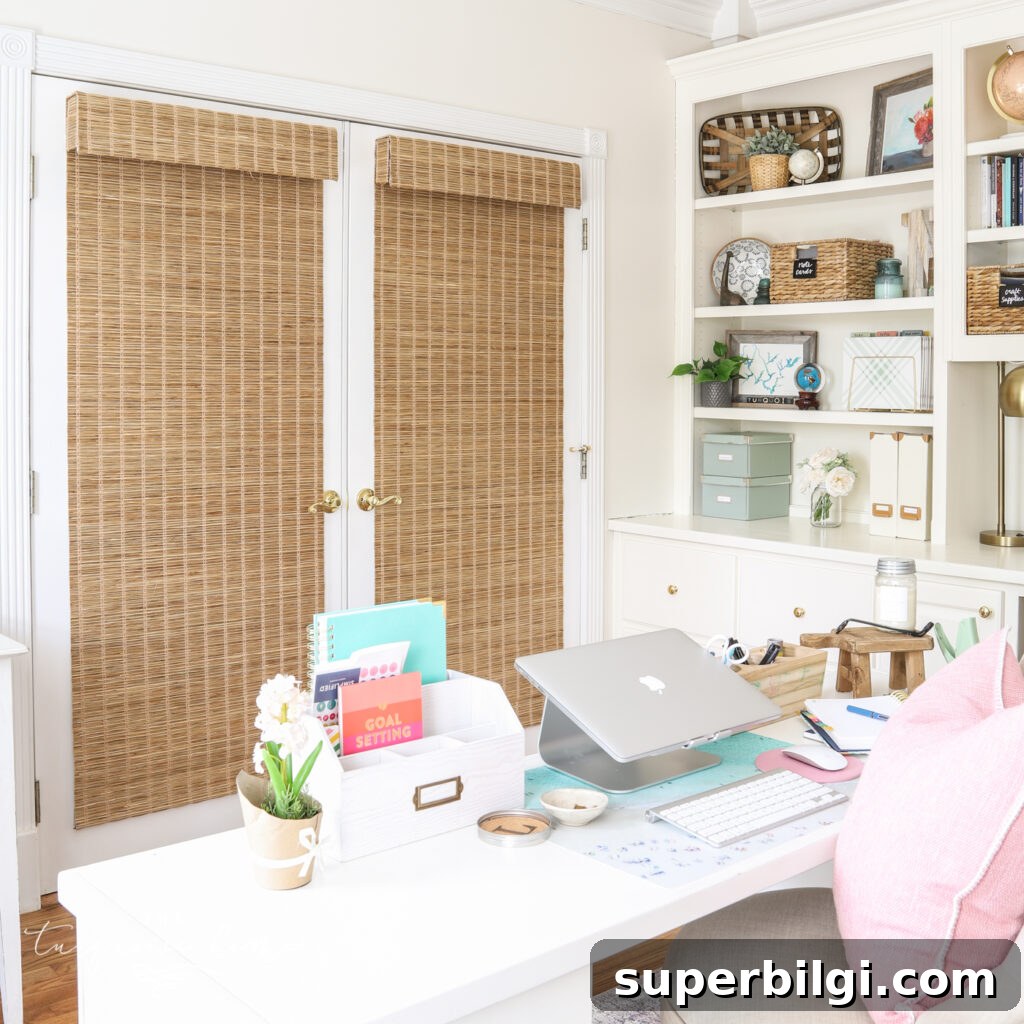
7. Design a DIY Paper Organizer
For those with many paper documents, a multi-slot paper organizer keeps materials sorted by urgency or category. You can personalize it with contact paper or labels so everyone in the household knows where to place bills, school papers, and reference documents. Labeling streamlines filing and reduces decision fatigue when tidying up.
8. Put Together a Printer Station
A dedicated printer station keeps paper supplies, extra ink, and printing tasks centralized. Placing the printer within easy reach of your desk — for example, on a nearby bookcase or shelving unit — prevents piles of printed documents from accumulating in random places.
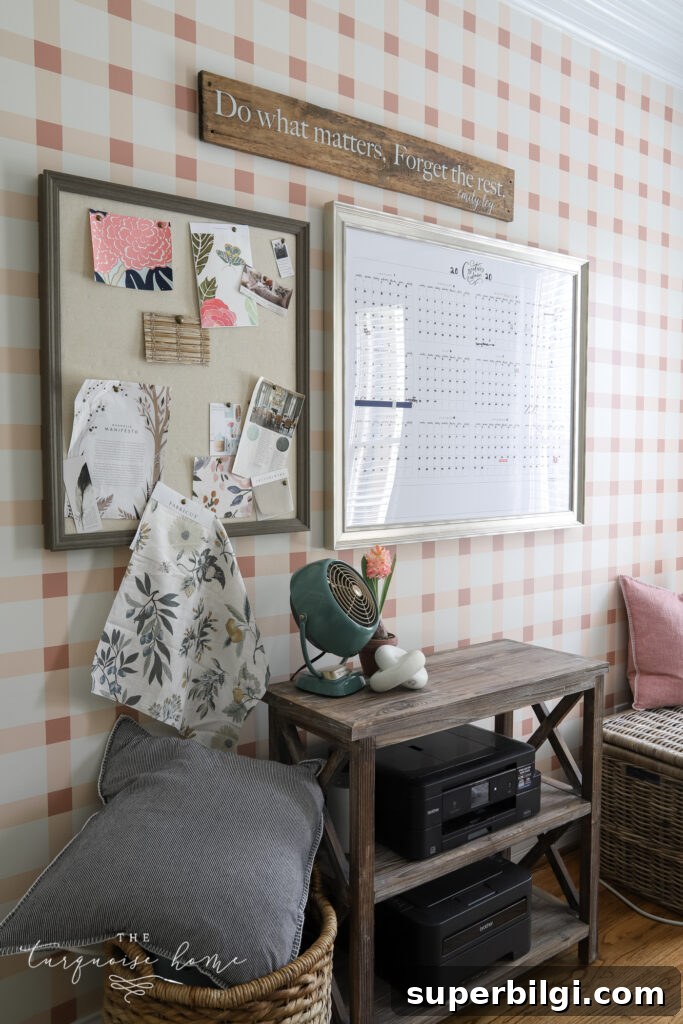
Set up a station with space for paper reams, labeled trays for outgoing and incoming documents, and storage for supplies. This small system saves time and keeps print-related clutter contained.
More Organization Ideas
With these straightforward organization strategies, your home office will become more efficient and enjoyable to use. Small systems — a place for current papers, purposeful shelving, and neat desktop containers — add up to a consistently tidy and productive workspace.
If you’re tackling broader areas of the home, consider similar systems for paper, pantry, closets, and family command centers. Developing consistent habits like daily 5–10 minute tidy-ups and weekly resets helps these organizational solutions last.
I hope these tips help you create a workspace that supports focus and creativity. Staying organized is an ongoing process, but the time invested pays off in reduced stress and improved productivity — and that makes working from home much more satisfying.
More posts you may enjoy:
- How to Organize a Linen Closet
- How to Organize a Pantry
- How to Declutter Your Home in 5 Simple Steps
- How to Organize a Messy Garage
- Bedside Cord Organization Ideas