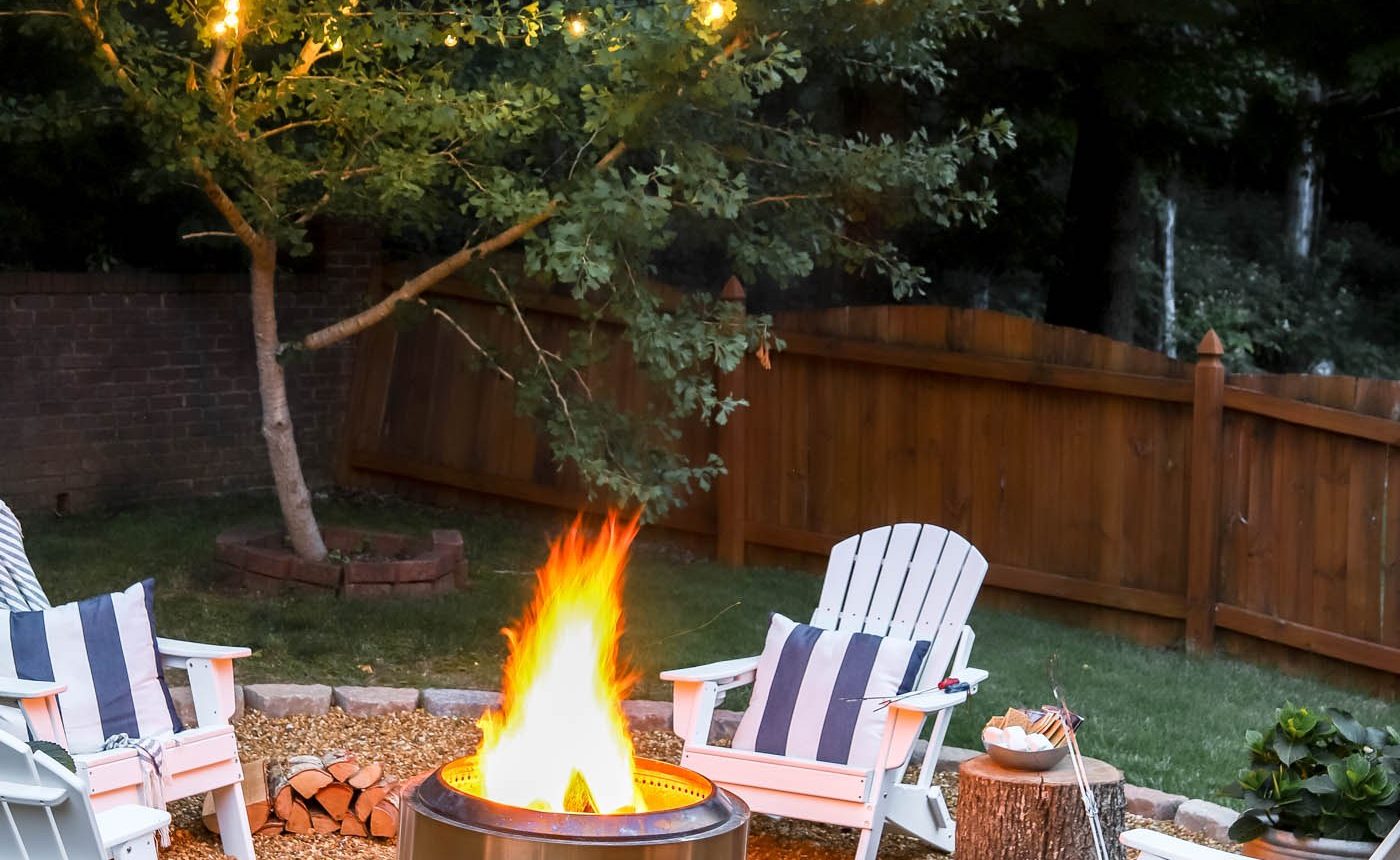
After successfully hanging string lights in our backyard over our gravel fire pit area, I can attest to how simple and transformative this DIY project is. Backyard string lights are one of the easiest ways to elevate your patio, fire pit seating, or any outdoor living space.
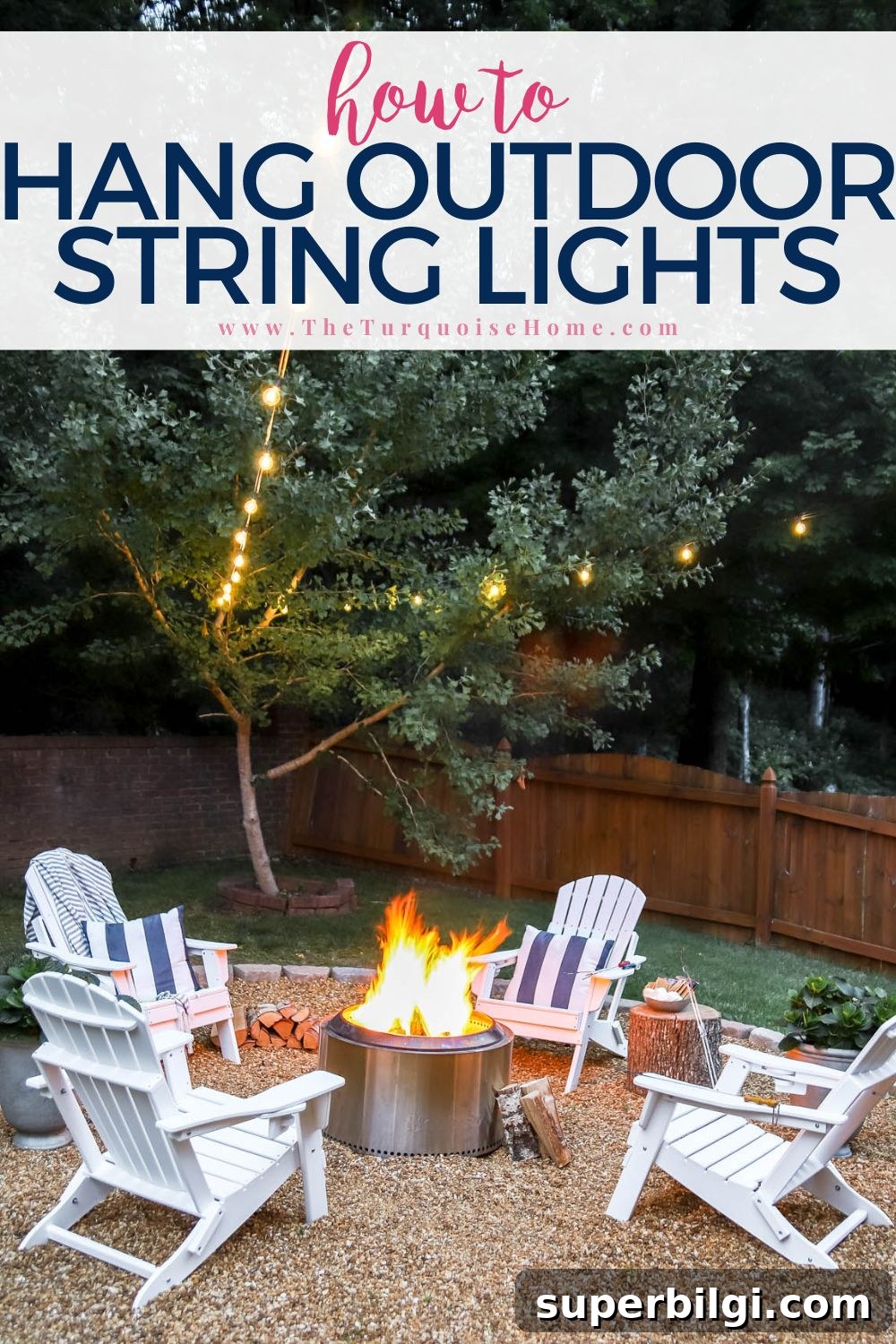
The twinkling glass bulbs create a warm, inviting ambiance that makes an outdoor area feel like an extension of your home. If you want an affordable, relatively effortless way to upgrade your outdoor space, follow this clear step-by-step guide on how to hang outdoor string lights.
This post contains affiliate links for your convenience.
How to hang outdoor string lights
Our backyard makeover began when we removed a trampoline and considered laying sod. Instead, the bare circle inspired a gravel fire pit area and a seating space. The addition of planters and hanging lights brought the whole space to life. Below are the practical steps we used to plan, purchase, and install our lights so you can replicate the project in your own yard.
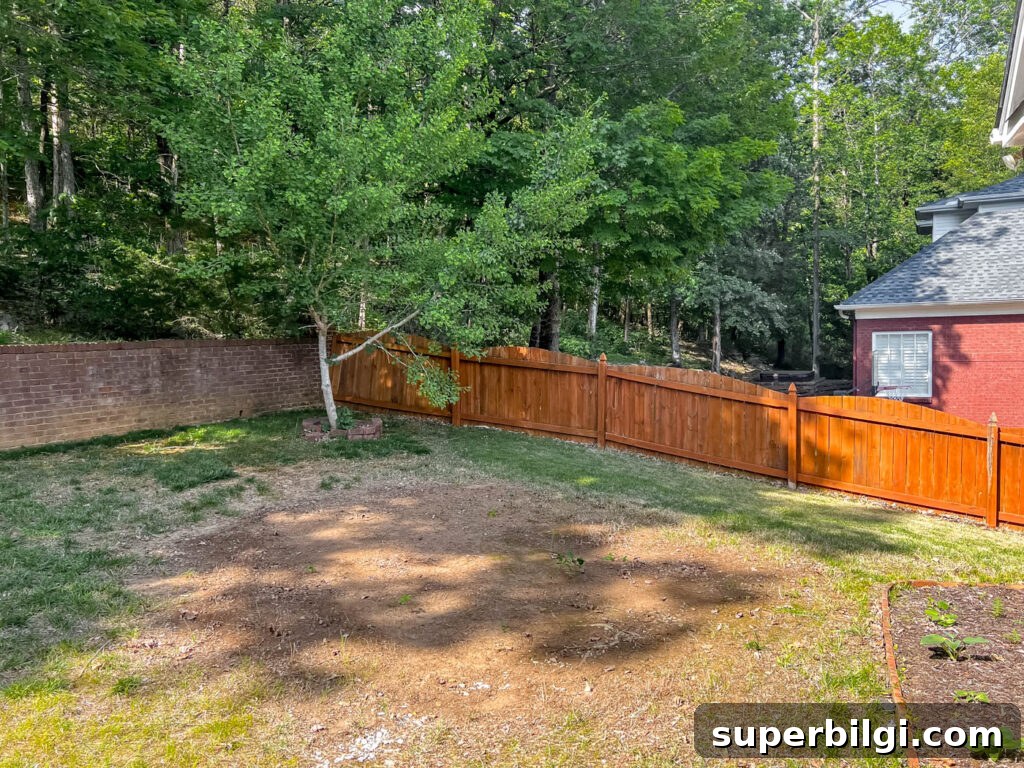
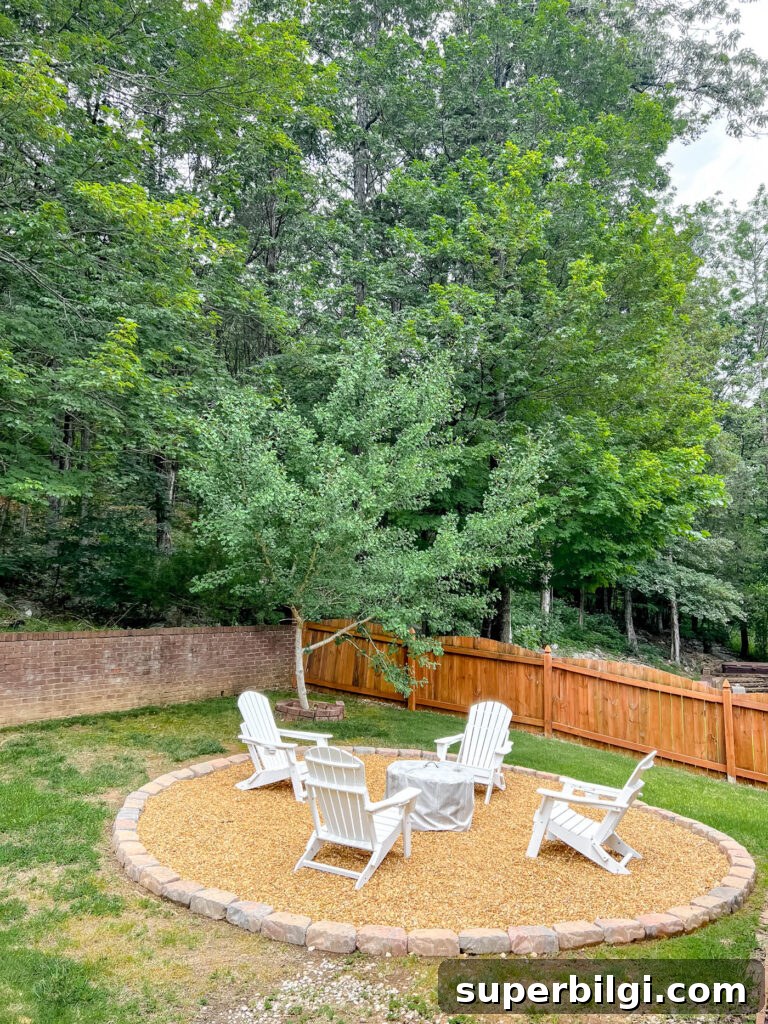
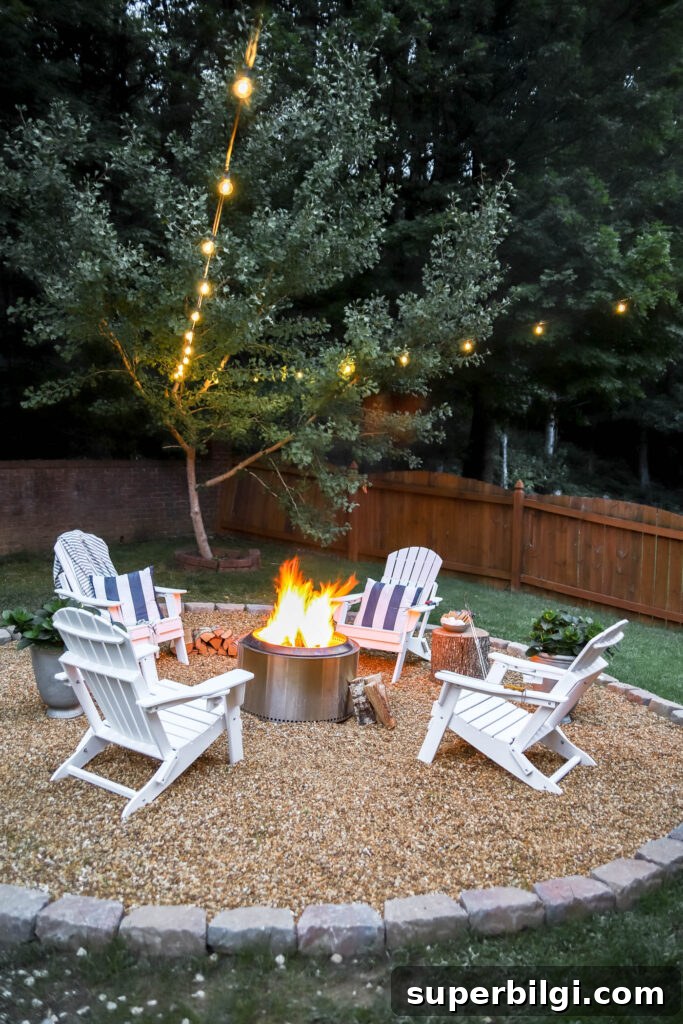
Adding string lights and pretty planters made a dramatic difference. Below are the three basic steps to plan and hang outdoor string lights, followed by answers to common questions and safety tips.
Step 1: Measure where you plan to hang your outdoor lights
Begin with a rough sketch of your outdoor space. Identify where the lights will start and end and mark any anchor points in between. Consider the location of the power source: you’ll want a GFCI-protected outdoor outlet within reach of the strand or an outdoor extension cord rated for exterior use.
Using a tape measure, record the distance between each anchor point, starting at your first bracket and moving to each subsequent attachment location. Add extra length to ensure you can reach the outlet comfortably and allow for routing around obstacles. If the outlet is far from the last bulb, plan for an outdoor-rated extension cord or adjust the layout accordingly.
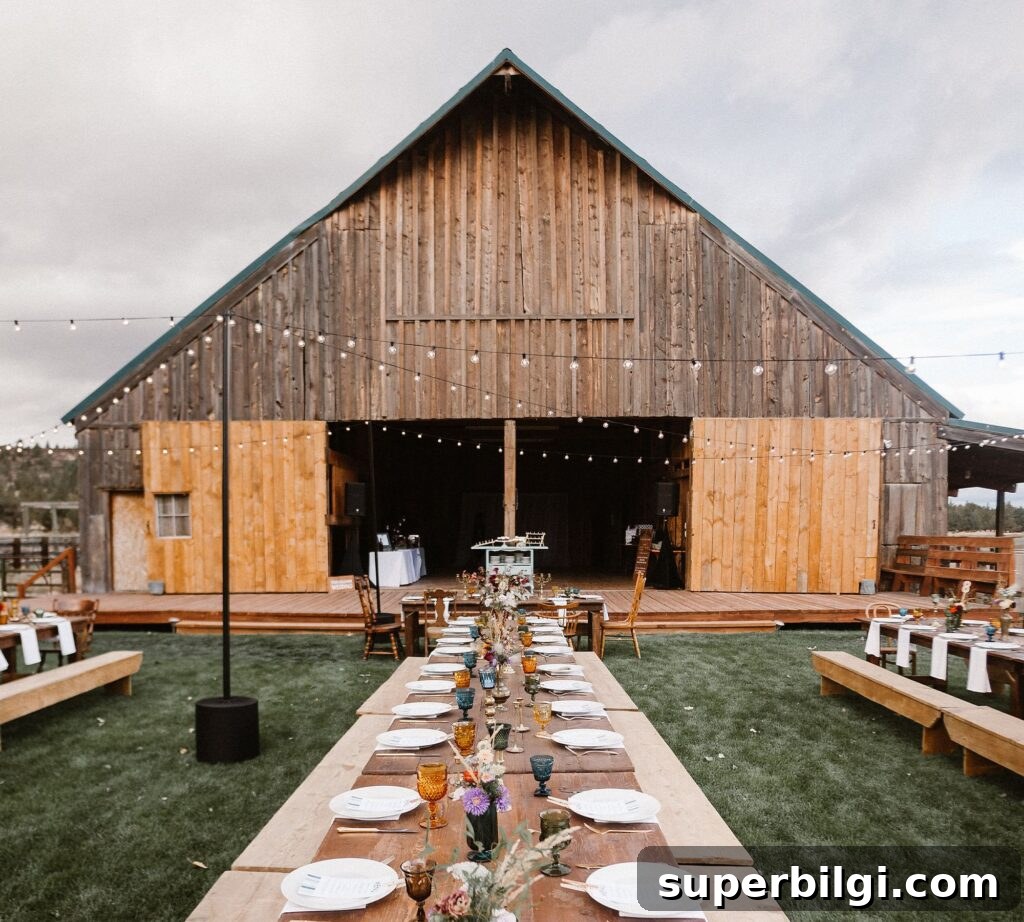
If you don’t have mature trees or existing posts to anchor the lights, consider purchasing or building a free-standing string light post with a heavy base so it won’t tip in wind.
Step 2: List and buy light strands and hardware
Outdoor hanging lights are often called cafe lights, bistro lights, or string lights. Choose bulbs, materials, and bulb shapes that suit your aesthetic, and be sure each product is rated for outdoor use. If you need multiple connected strands, follow the manufacturer’s limit on how many can be safely linked together—do not exceed that number.
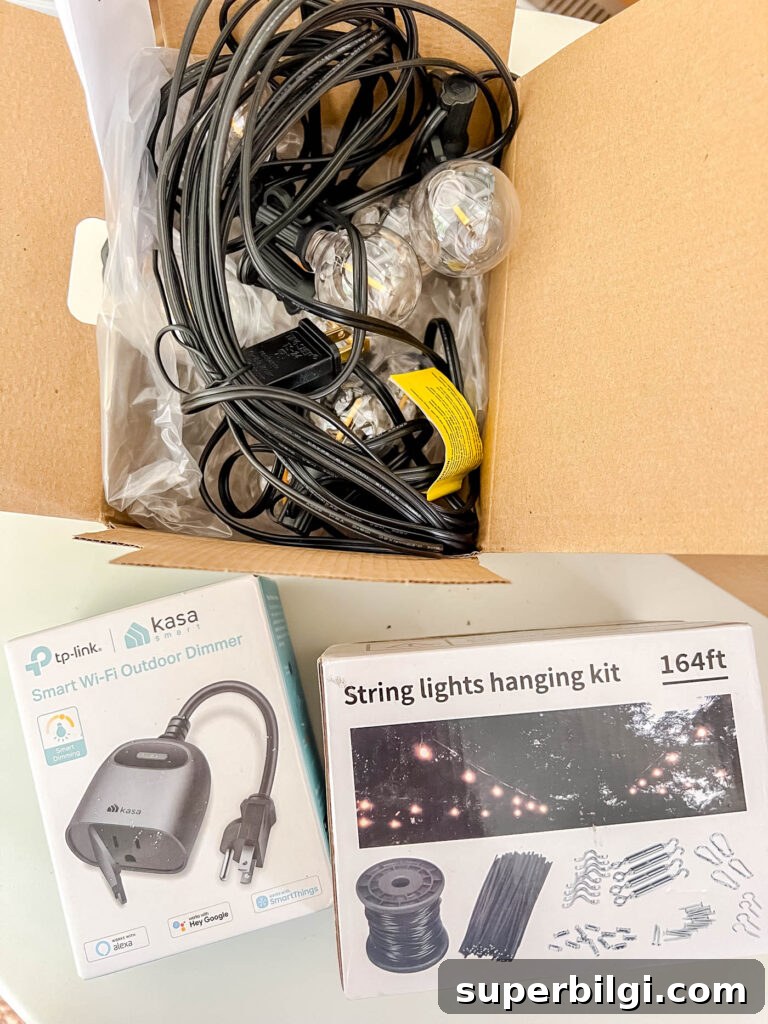
For our setup we needed about 75 feet total and used a 50-foot LED strand plus a 25-foot LED strand from the same manufacturer to match voltage and connectors. If you do join strands, use weatherproof connection covers to protect the plugs and connections from moisture.
Buy a string light hanging kit. A good kit includes stainless or galvanized wire, cable clamps, zip ties, cup hooks or screw hooks, turnbuckles, mounting brackets, carabiners, and the screws you’ll need to secure the hardware. The guide wire and turnbuckle system relieve tension on the light cords, prevent excessive sagging, and hold up better in wind and storms. I strongly recommend this setup for a neat, durable installation.
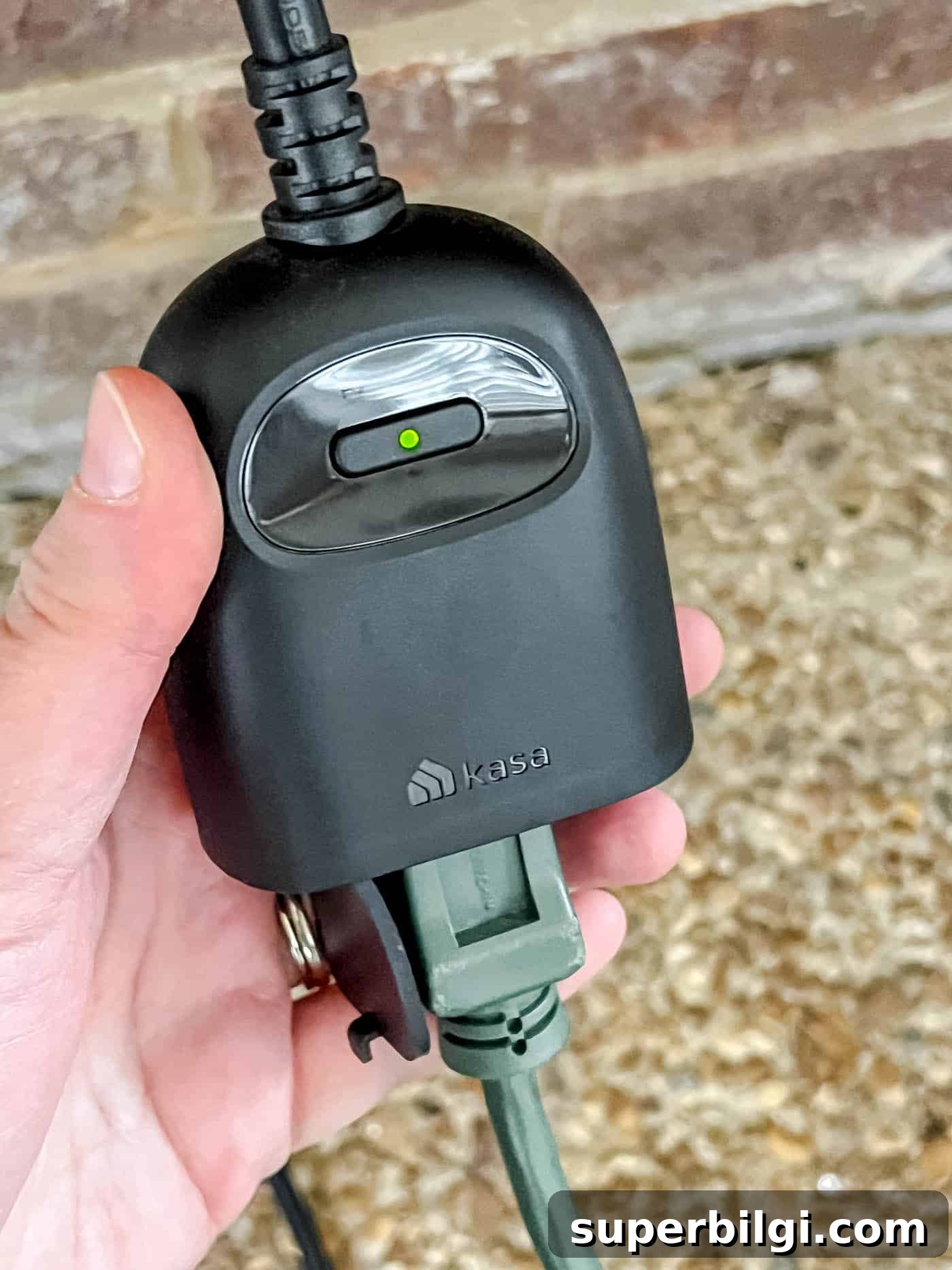
Also pick up an outdoor smart plug or outdoor-rated timer. These let you schedule, dim, or control your lights remotely. Many smart plugs work with common voice assistants and smart home platforms, which makes turning the lights on and off effortless.
Step 3: Hang your outdoor lights with a helper
This is an easy DIY, but it’s much safer and faster with a helper. You’ll likely work from a ladder and need someone to spot you and hold the light strands while you secure them.
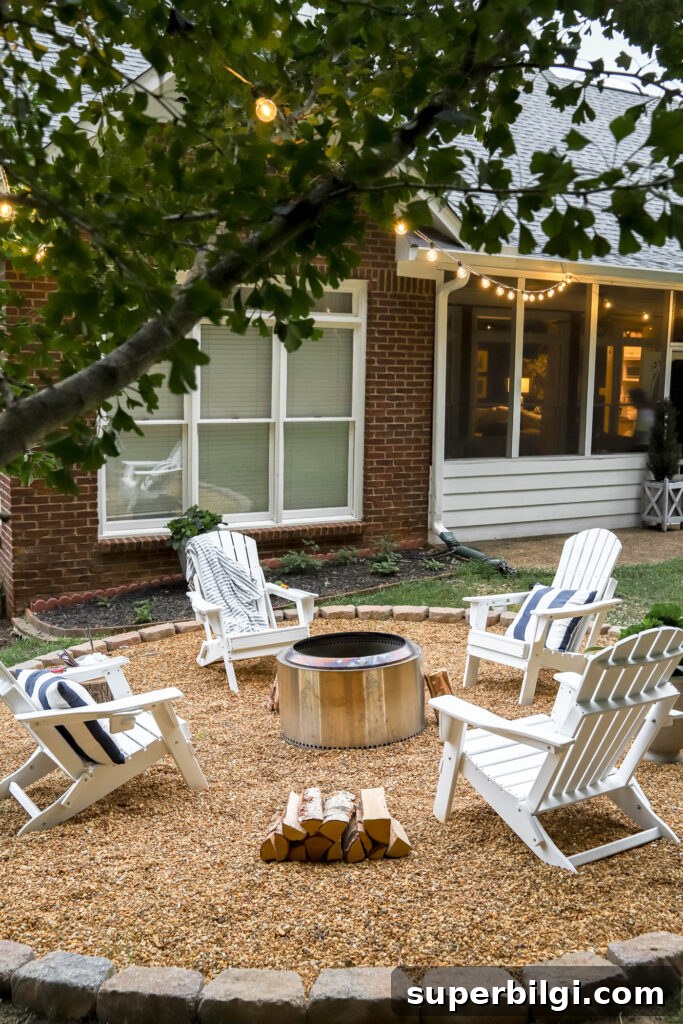
Start by installing the mounting brackets at your starting, intermediate, and ending anchor points. Drill pilot holes and attach the brackets with appropriate exterior screws. Attach a turnbuckle and screw clamp to one end of your guide wire, then hook it to the first bracket. Run the guide wire to each anchor point and secure it at the final bracket with a loop and screw clamp. Use a carabiner on the final loop so the line is easy to disconnect if needed.
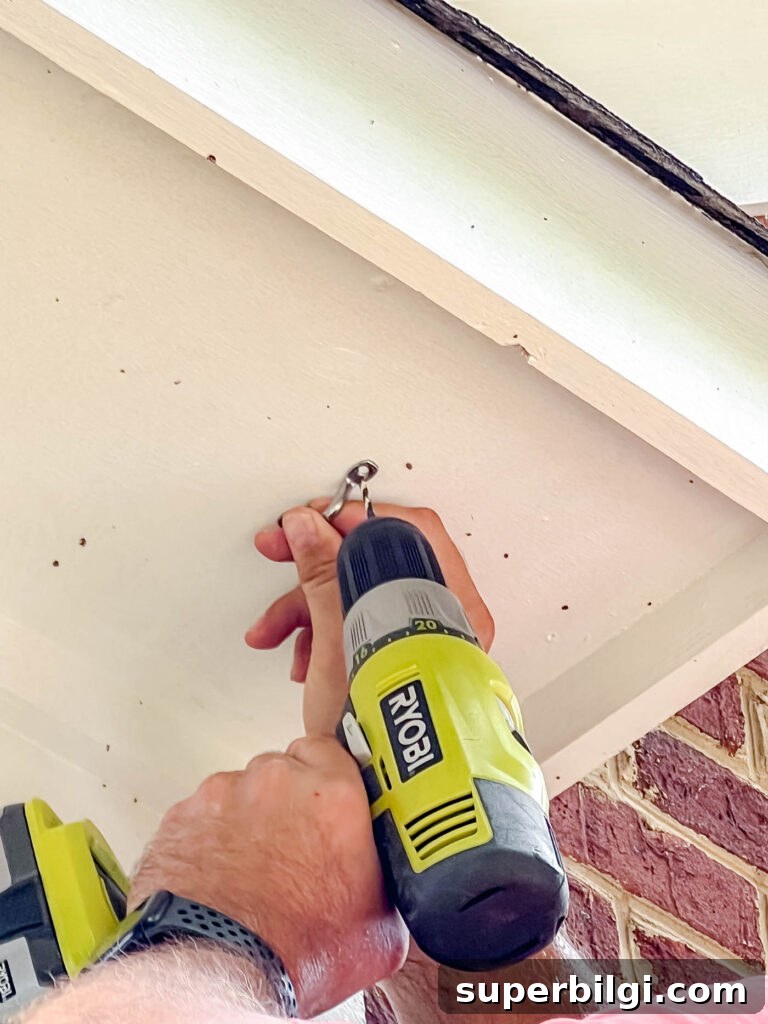
Return to the turnbuckle and tighten it until the guide wire reaches the desired tension. The turnbuckle lets you fine-tune the sag so the lights hang attractively without whipping in the wind. Finally, clip the light strand to the guide wire with zip ties—one tie per bulb keeps the spacing consistent and prevents bulbs from shifting.
FAQs About How to Hang Outdoor String Lights
String lights are versatile and can be used in countless outdoor layouts. Below are common questions and practical answers to help avoid pitfalls and improve longevity and safety.
How far can you string lights without support?
For short runs you may get away without a guide wire, but for anything more than about 100 feet, a guide-wire system is strongly recommended. A guide wire prevents sagging and reduces the chance the lights will fall or sustain damage in wind and storms.
How low should string lights hang?
To allow people to walk underneath comfortably, aim for at least 8 to 10 feet of clearance. If you use a guide wire, factor in a bit of slack: hang the wire about a foot higher than the lowest point you want the bulbs to reach so they have a natural curve without obstructing movement below.
Can I hang string lights near my pool or hot tub?
For safety around water, mount lights at least 10 feet above the surface and only use string lights rated for moisture exposure—look for IP65 or higher ratings. Proper clearance and waterproof-rated products reduce electrical hazards.
Can you use nails to hang string lights?
Nails can work in some scenarios, such as high, out-of-the-way sections of a fence or the interior of a gazebo. However, screw hooks or cup hooks are generally better: they hold cords more securely and are less likely to snag. For the most secure option, consider safety cup hooks with a clip that closes over the line. If using nails, position them at an upward angle and hang the lights by the hole above each bulb.
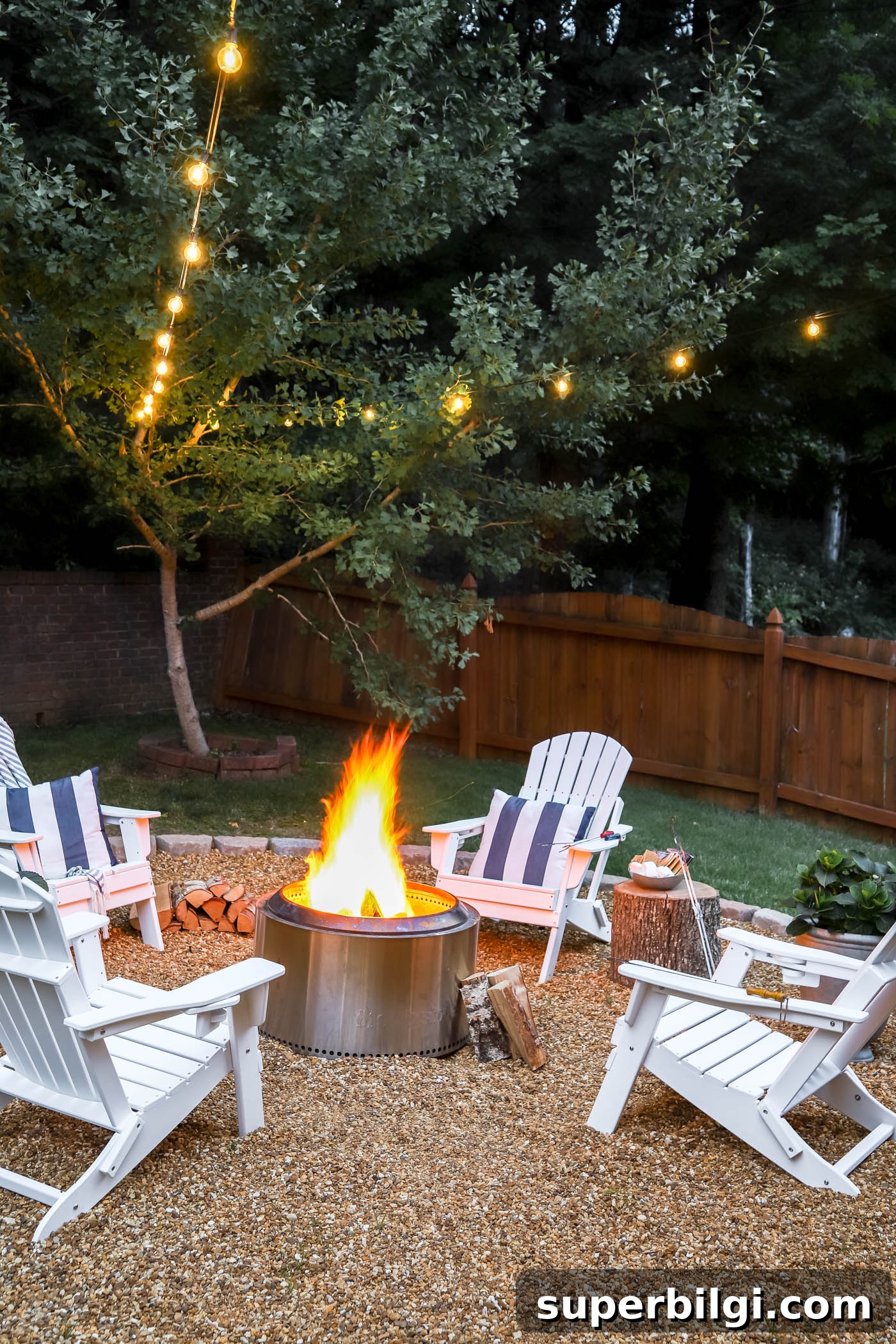
I love how the string lights transformed our fire pit area. We use a smart plug and voice controls to turn them on each evening, which makes the space feel cozy and welcoming. I hope these tips help you find the perfect place to hang string lights in your own yard.
More posts you will love:
- Gorgeous and Functional Outdoor Living Spaces
- The Best, Affordable Wicker Patio Furniture
- How to Plant Flowers in a Pot, Planter or Container
- How to Add Curb Appeal to Your Home
- How to Paint a Concrete Patio