
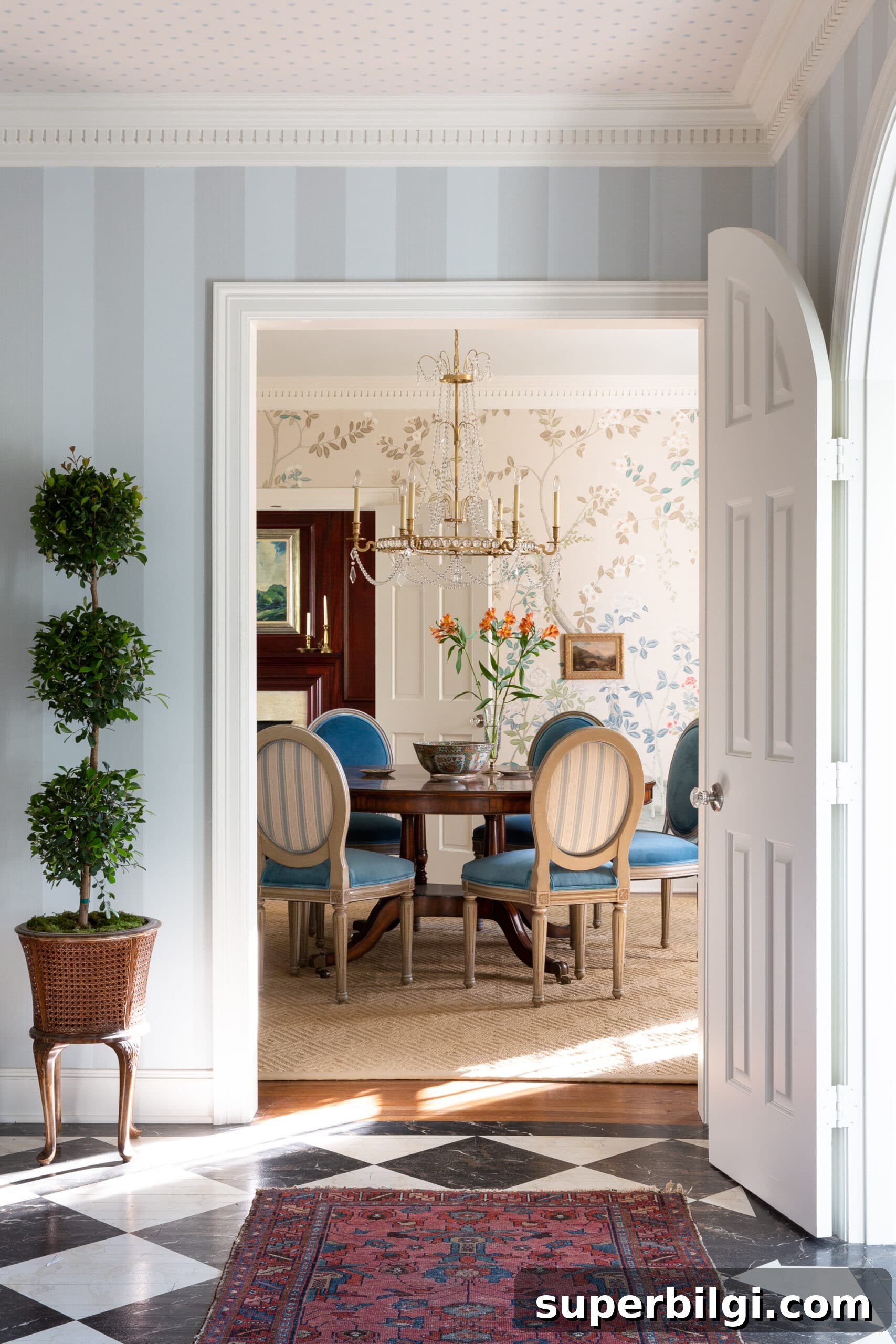
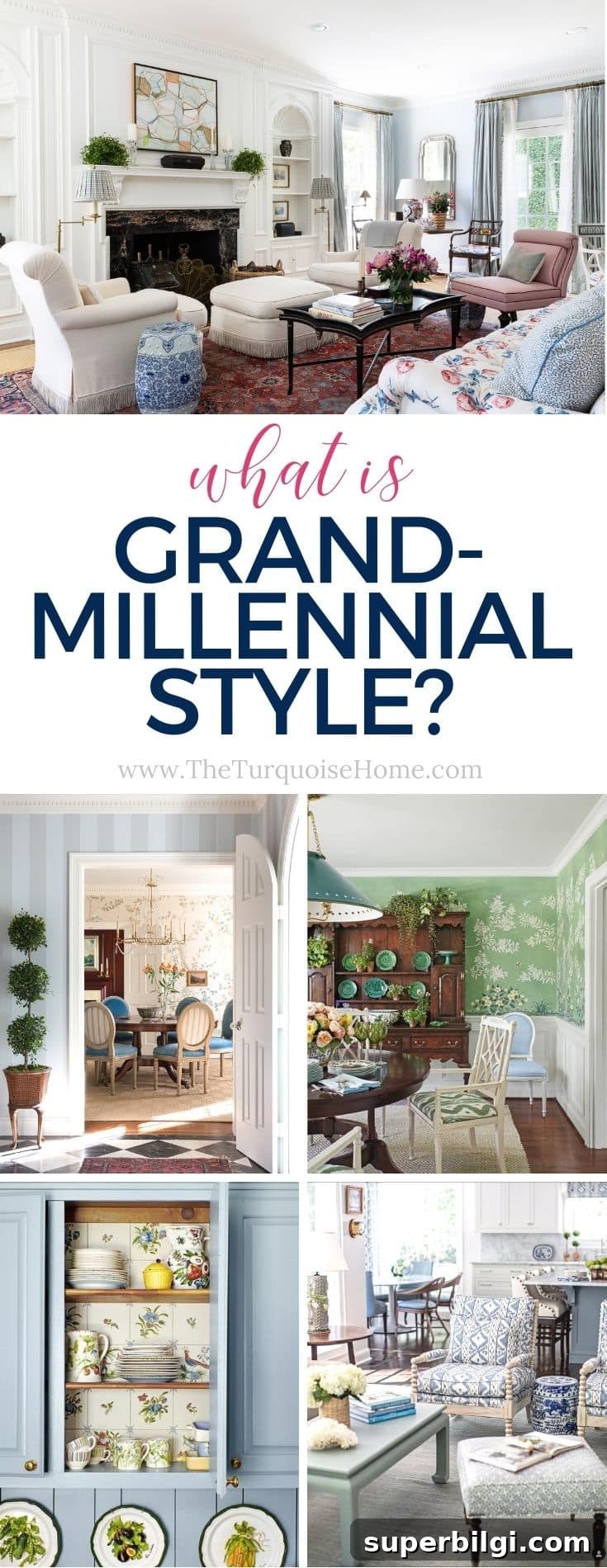
What exactly is Grandmillennial style? Coined by Emma Bazilian in 2019, the term describes a renewed appreciation for the traditional, classic interiors of earlier generations. This look—often called “Granny Chic”—revives heirloom patterns, ornate furnishings, and comforting details that feel both familiar and fresh.
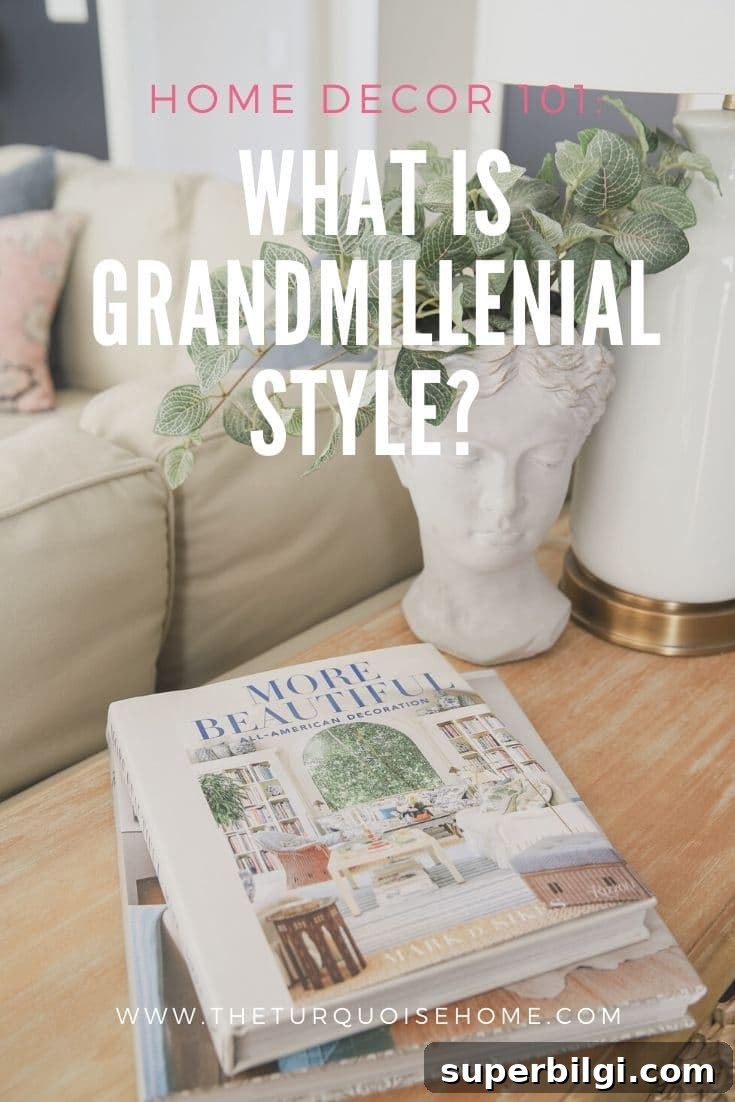
A Grandmillennial is typically described as someone who appreciates styles mainstream culture often calls “stuffy” or outdated—think Laura Ashley florals, ruffles, embroidered linens, and patterned wallpapers. The look calls to mind the layered, lived-in rooms from movies like Home Alone and Father of the Bride, where collections and classic furniture tell personal stories.
This aesthetic isn’t new, but its current resurgence is. Many people who grew up with traditional homes feel a nostalgic connection to these designs, and a new generation is embracing those elements with modern sensibility.
Grandmillennial Decor
It’s heartening to see classic interiors return to popularity. Grandmillennial decor captures the warmth and comfort of our mothers’ and grandmothers’ homes while translating those details into rooms that feel relevant today. It’s about honoring tradition without literal period reproduction—mixing old and new to create spaces that are elegant, cozy, and personal.
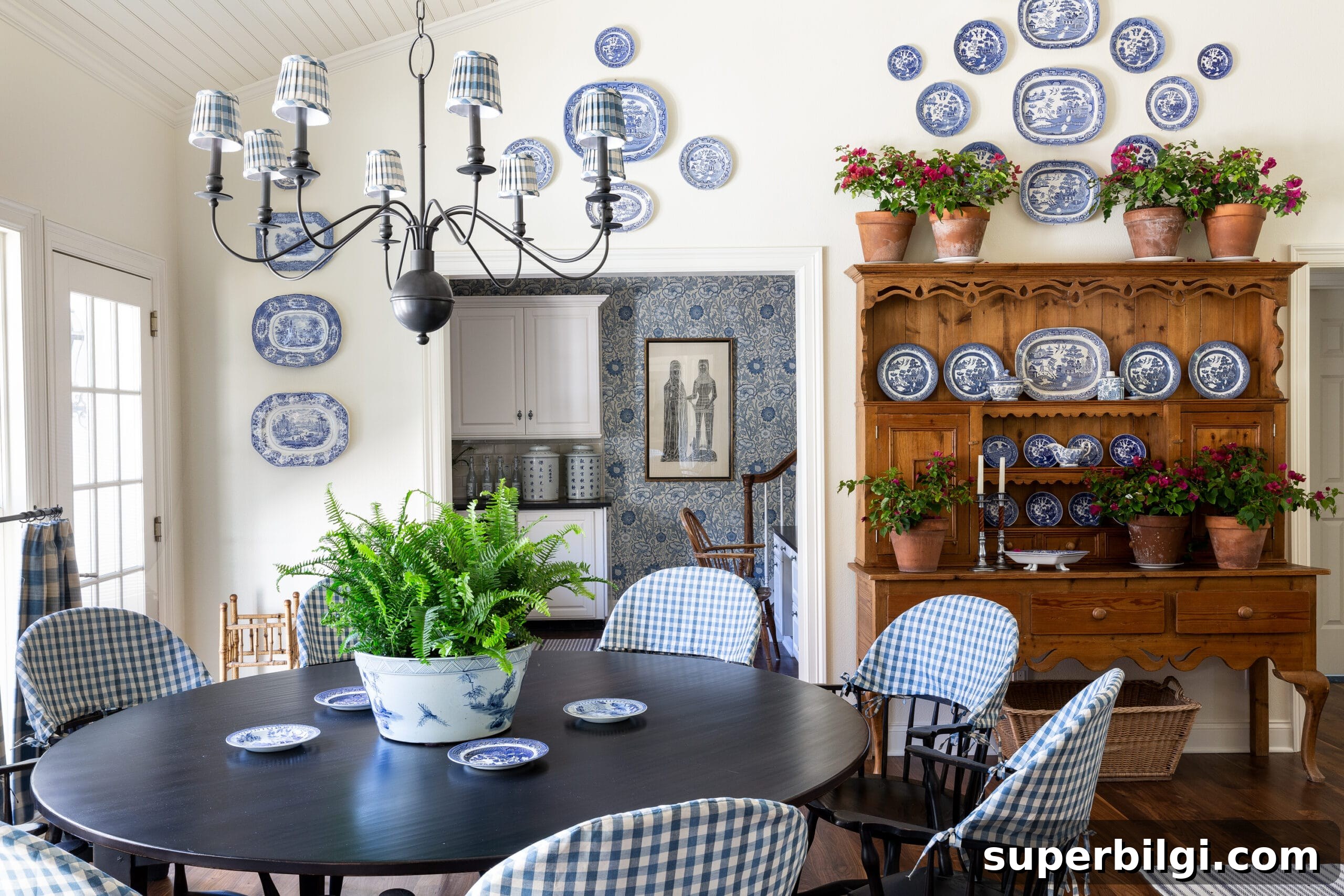
My own connection to this look is deeply personal. I remember visiting my great-grandmother’s three-story house full of ornate furniture, framed landscapes, and many collections—silver, china, and crystal among them. Those layered rooms felt special and comforting, and today I display inherited crystal in my butler’s pantry as a way to keep that connection alive.
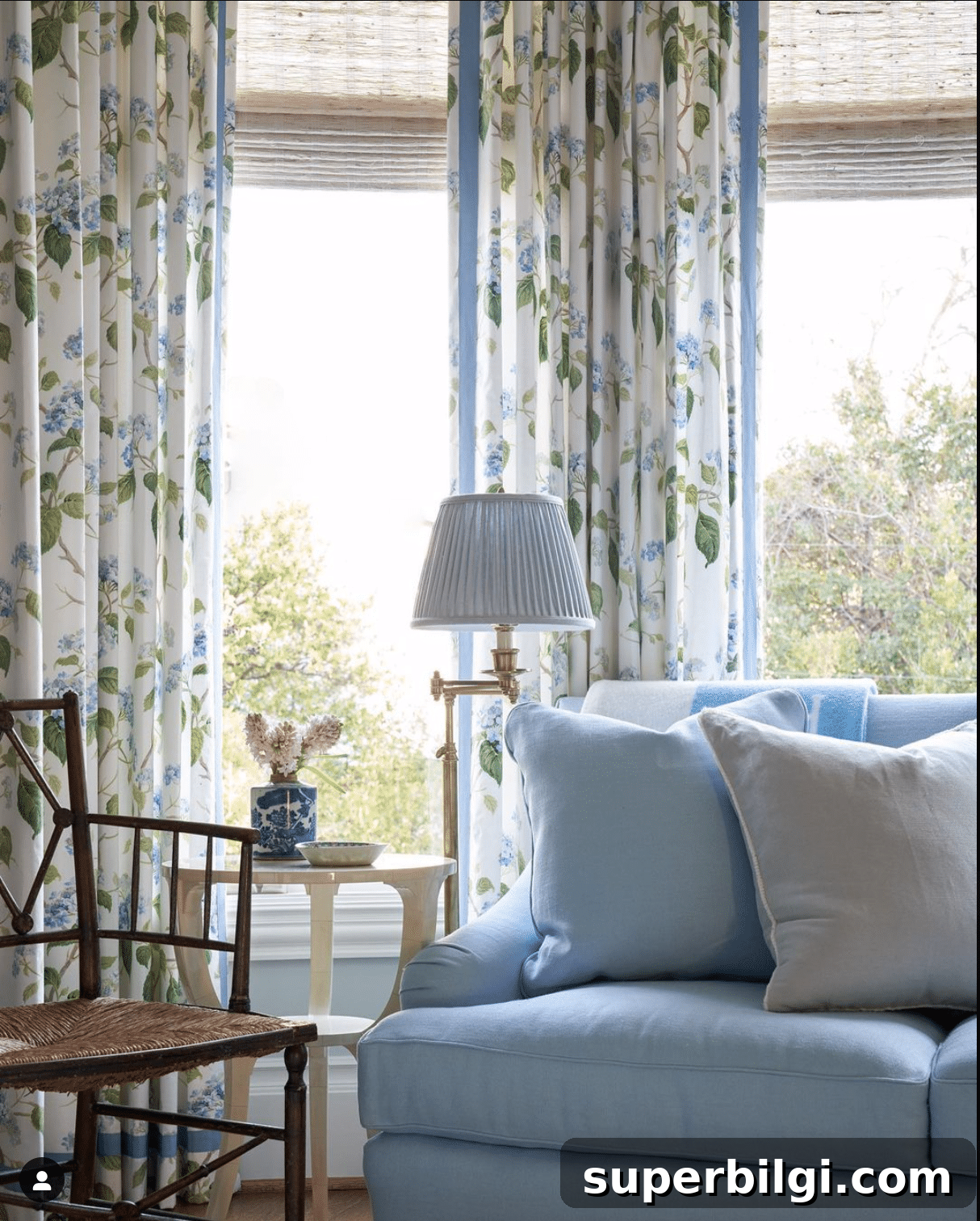
Important Elements of Grandmillennial Style
Grandmillennial style is recognizable by a set of recurring elements that work together to create a layered, collected look. Common features include:
- floral wallpaper
- blue-and-white palettes
- skirted tables and tailored upholstery
- block prints and chintz
- needlepoint and embroidered pillows
- mixed patterns and tasteful monograms
- ornate chandeliers and pleated lampshades
- collections of silver, china, crystal, or other meaningful objects
- natural materials like rattan, bamboo, and wicker
- toile, plaid, ruffles, pleats, fringe, and lace
- slipcovers and chinoiserie accents
- rich wood furniture—walnut, cherry, mahogany—and vintage brass
- boxwood topiaries and classic greenery
At first glance these elements may seem formal, but when applied thoughtfully they read as livable and inviting rather than stiff. The modern Grandmillennial room is not a museum; it’s a comfortable, kid-friendly home layered with pattern, texture, and personal touches.
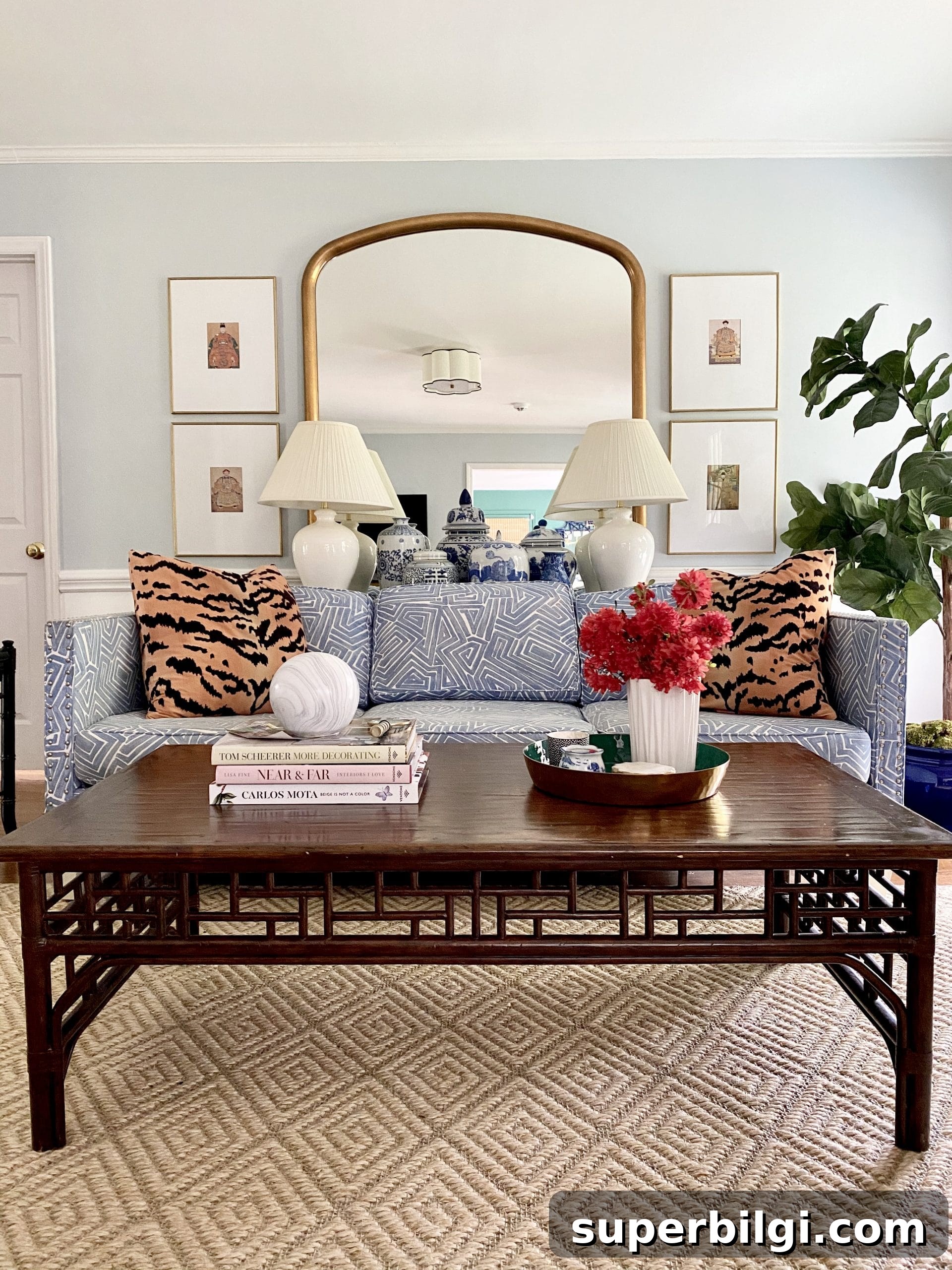
A hallmark of the style is juxtaposition—abstract art alongside dark walnut pieces, a contemporary mirror over patterned wallpaper, or modern seating dressed with embroidered pillows. Collections and layering give rooms depth, while careful editing keeps them from feeling cluttered.
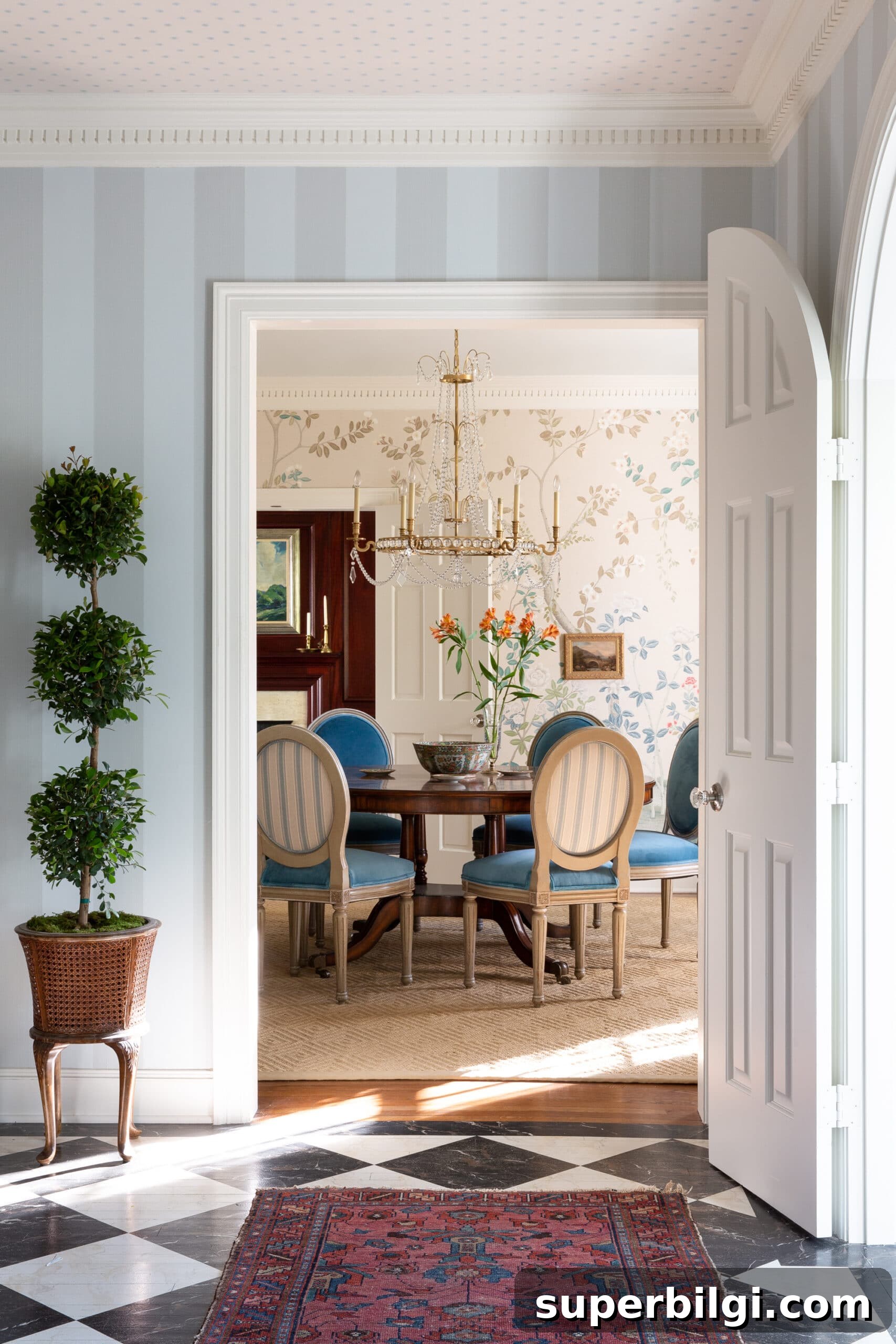
This resurgence also signals a move away from the bleached-wood trend that dominated for several years. While lighter woods remain appropriate in certain contexts, many designers and homeowners are welcoming back antique and darker woods that feel grounded and timeless.
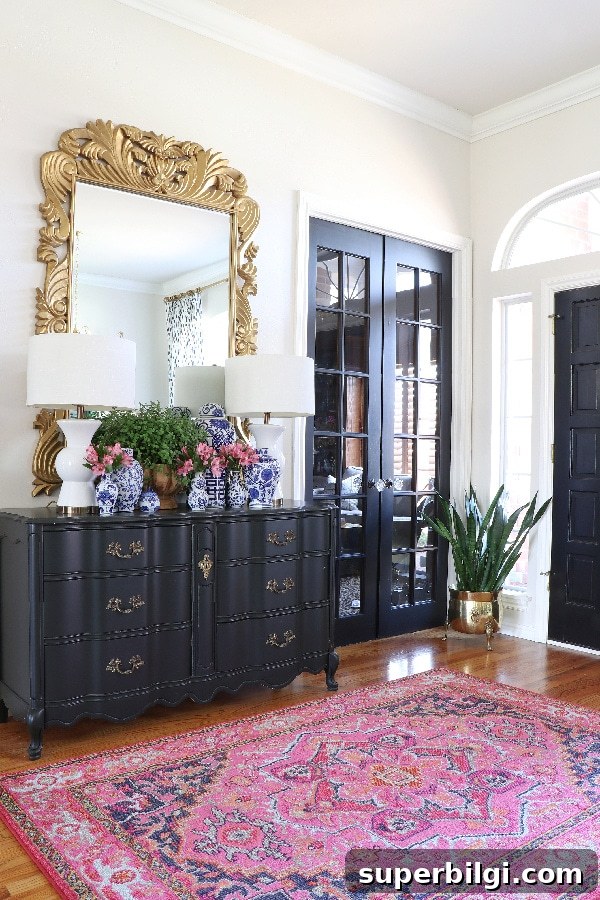
The style incorporates traditional details on upholstery and cushions such as tape, trim, or tassels, in monochromatic or analogous color combinations.
– Stefani Stein
Design trends ebb and flow. While farmhouse aesthetics were mainstream over the past decade, the current shift toward Grandmillennial style feels like a return to enduring classics that will rotate in and out of popularity while remaining timeless at their core.
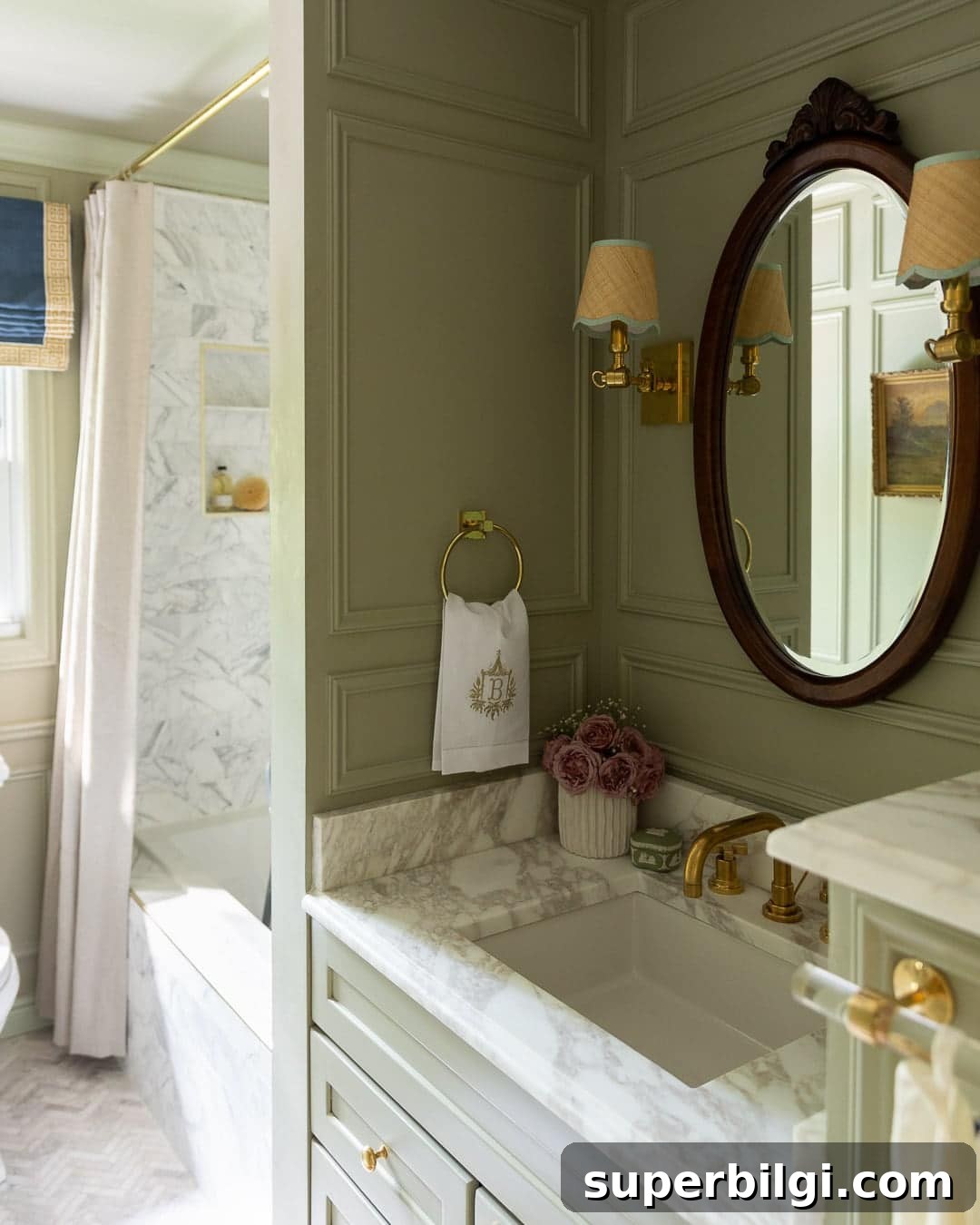
Settling into a Home Slowly
It often takes time to make a new house feel like your own. For me, that process includes learning how a home wants to be furnished—listening to its architectural cues, original finishes, and proportions. Elmwood Manor, the name I gave our house, has brass details, hardwood floors, and a traditional spirit that naturally pulled me toward classic decor choices.
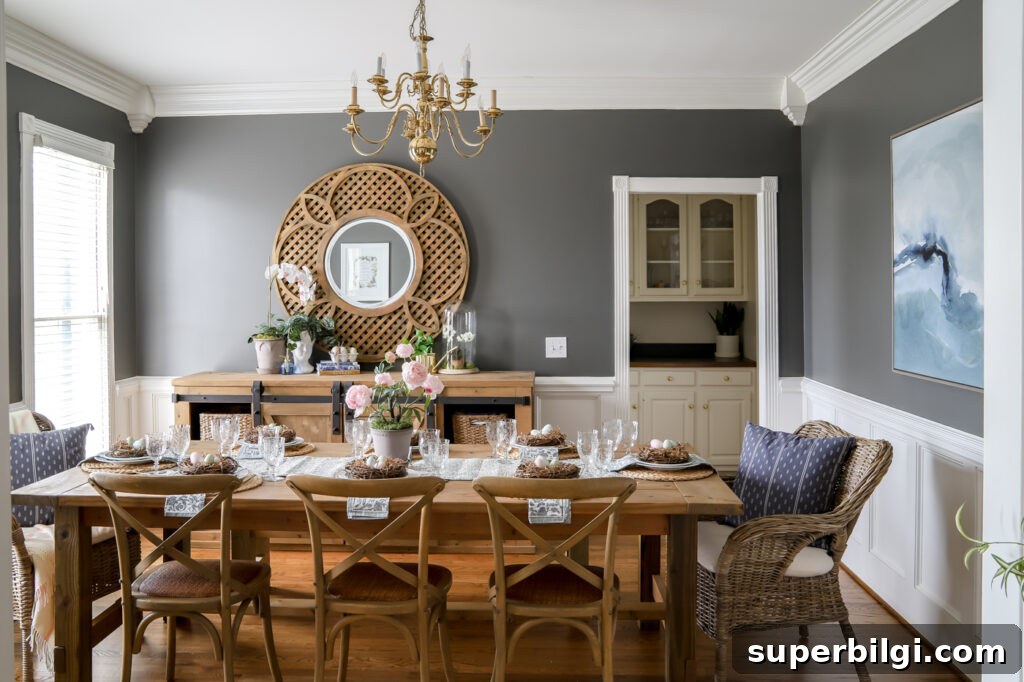
Over the past year I’ve studied magazines, blogs, and reference books to define a cohesive direction that respects the home’s character while reflecting my tastes. Discovering that Grandmillennial style is back in favor felt like validation—an invitation to combine tradition with subtle modern updates.
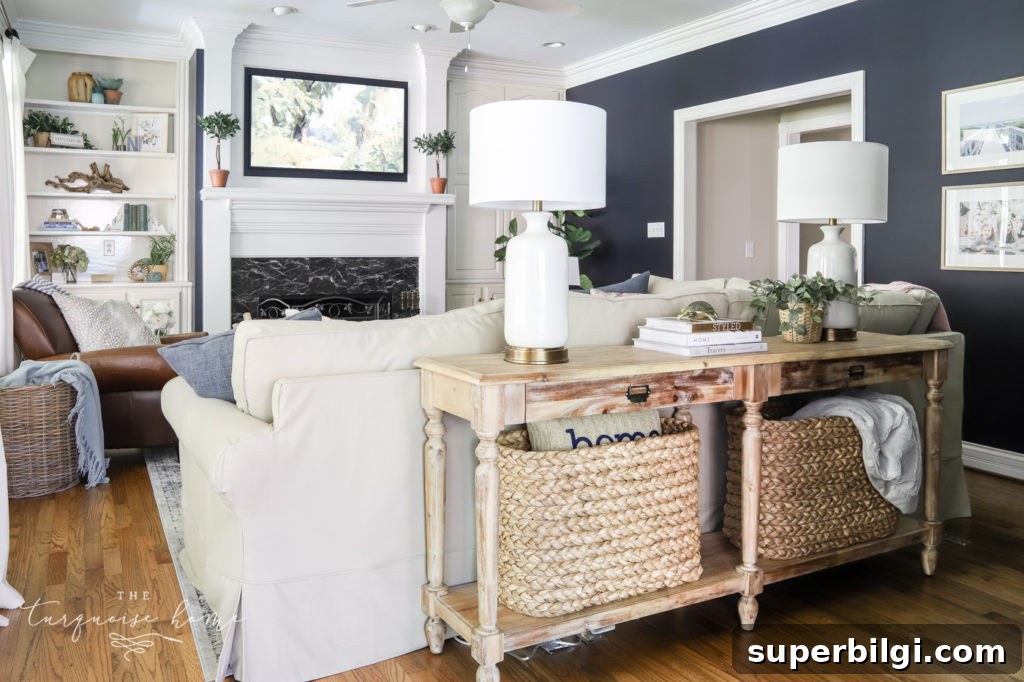
I plan to continue layering classic pieces, curated collections, and updated accents that feel both collected and fresh. I may not match draperies to wallpaper on every wall, but I will borrow lessons from the past—patterns, trims, and craftsmanship—while keeping rooms functional and family-friendly.
What do you think of Grandmillennial style? Do you embrace traditional decorating, or are you more drawn to modern minimalism? Share your thoughts and personal experiences with classic decor.
More posts you may enjoy:
- Traditional Dining Room Reveal
- Benjamin Moore Davenport Tan (HC-76) in Our Primary Bedroom
- Coastal Book Nook Makeover
- Furnishing a Teen Girl’s Bedroom: Tips and Tricks
- Seven Ways to Refresh a Kitchen