
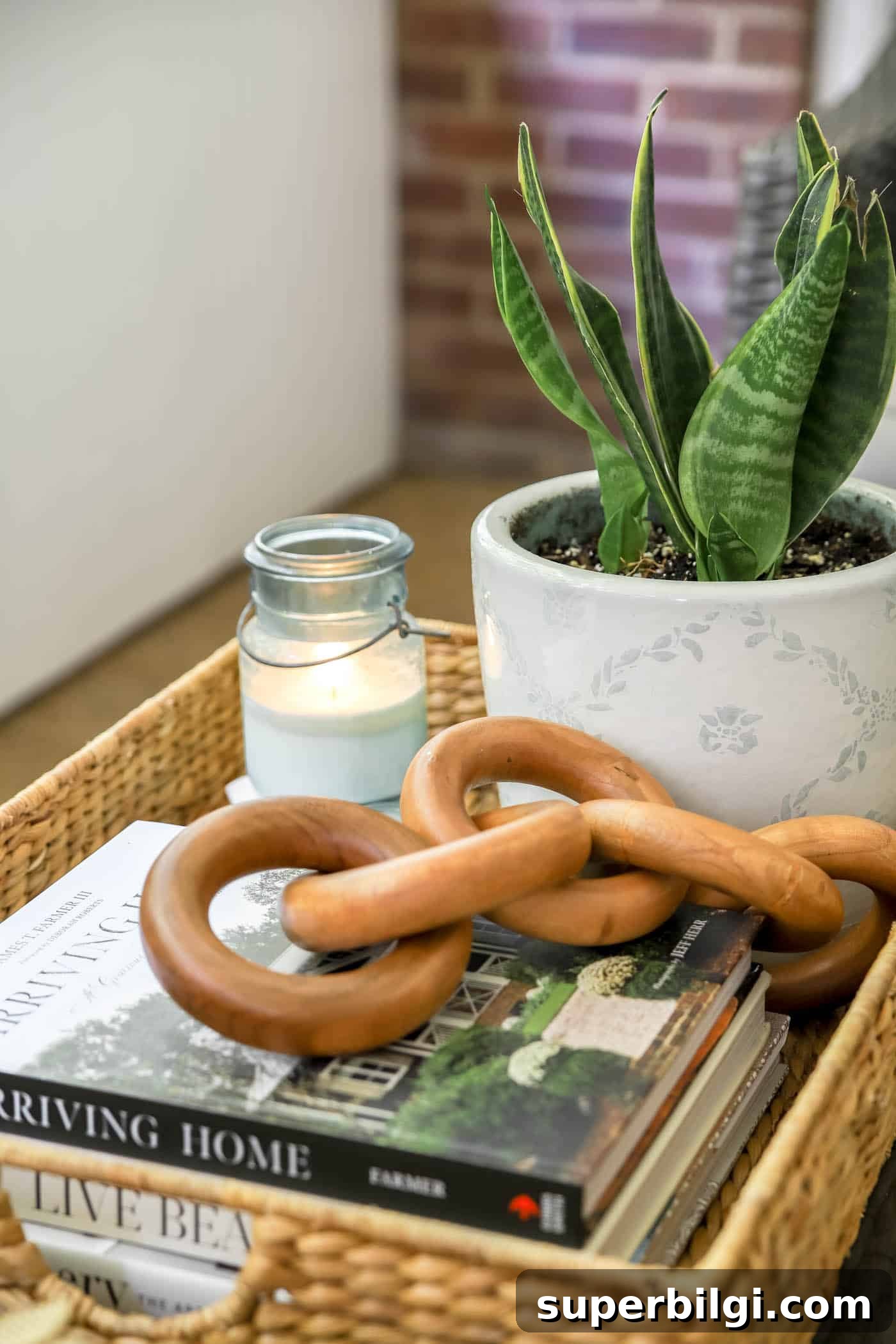
Add function and beauty to your living room with thoughtful coffee table decor. Below are six practical tips to help you style a coffee table that looks curated, feels functional, and complements your space.
The coffee table is often the focal point of a seating area, typically placed between a sofa and chairs. It serves many purposes: a surface for drinks and snacks, a place to show decorative items, and convenient storage. Styling a coffee table well balances aesthetics and usefulness so the surface looks inviting from every angle without feeling cluttered.
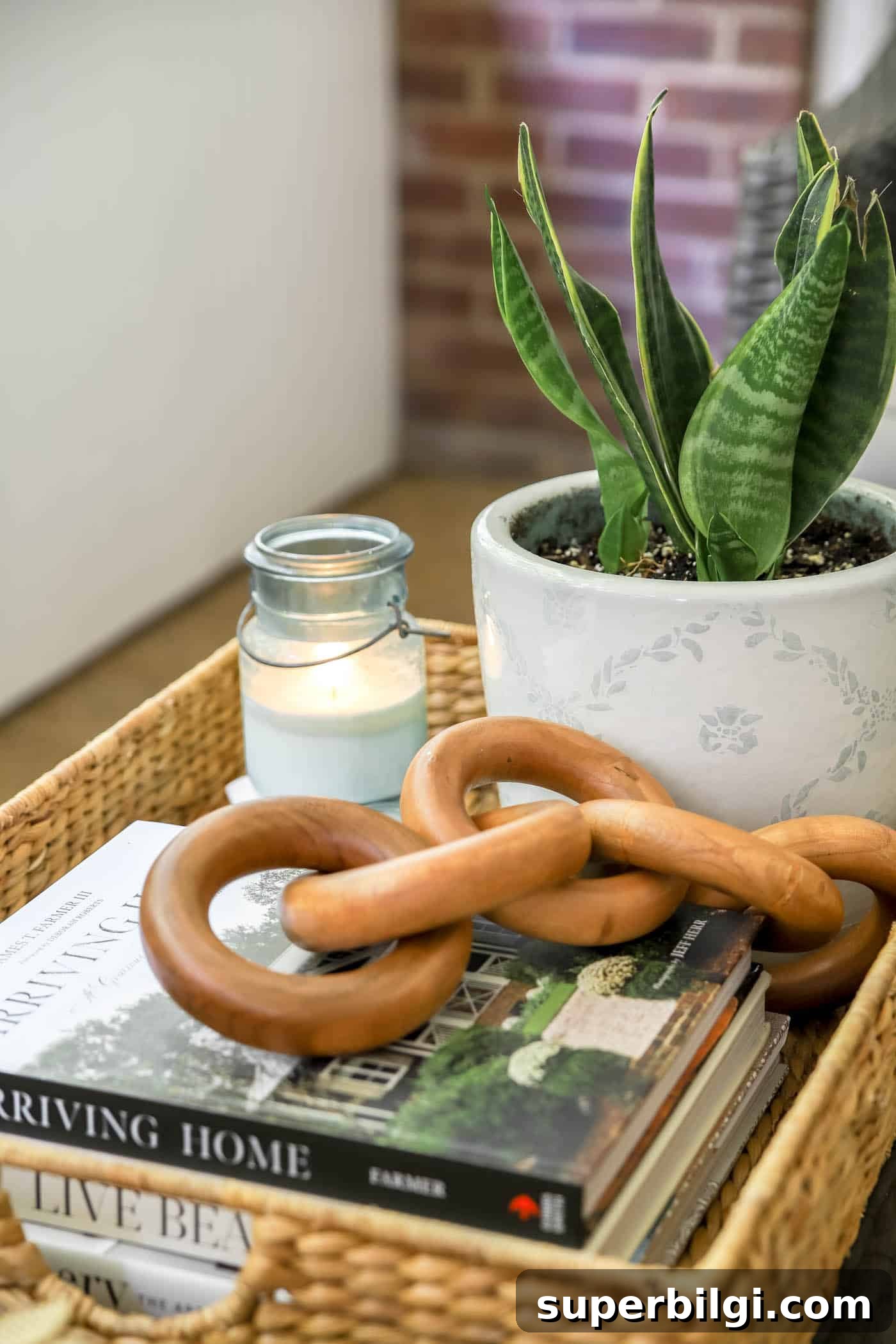
If you enjoy decorating your living room, coffee table styling is a great finishing touch. These tips pair well with other styling choices like pillows, end tables, or television setups. Use them as a simple formula to build a layered, practical display you’ll love.
A lot of people stare at their blank coffee table and wonder what to put on it. It can feel like a fussy piece of furniture because it must look good from all sides while remaining functional. Below is an easy, repeatable formula to help you quickly create a polished coffee table vignette.
6 Tips for Decorating a Coffee Table
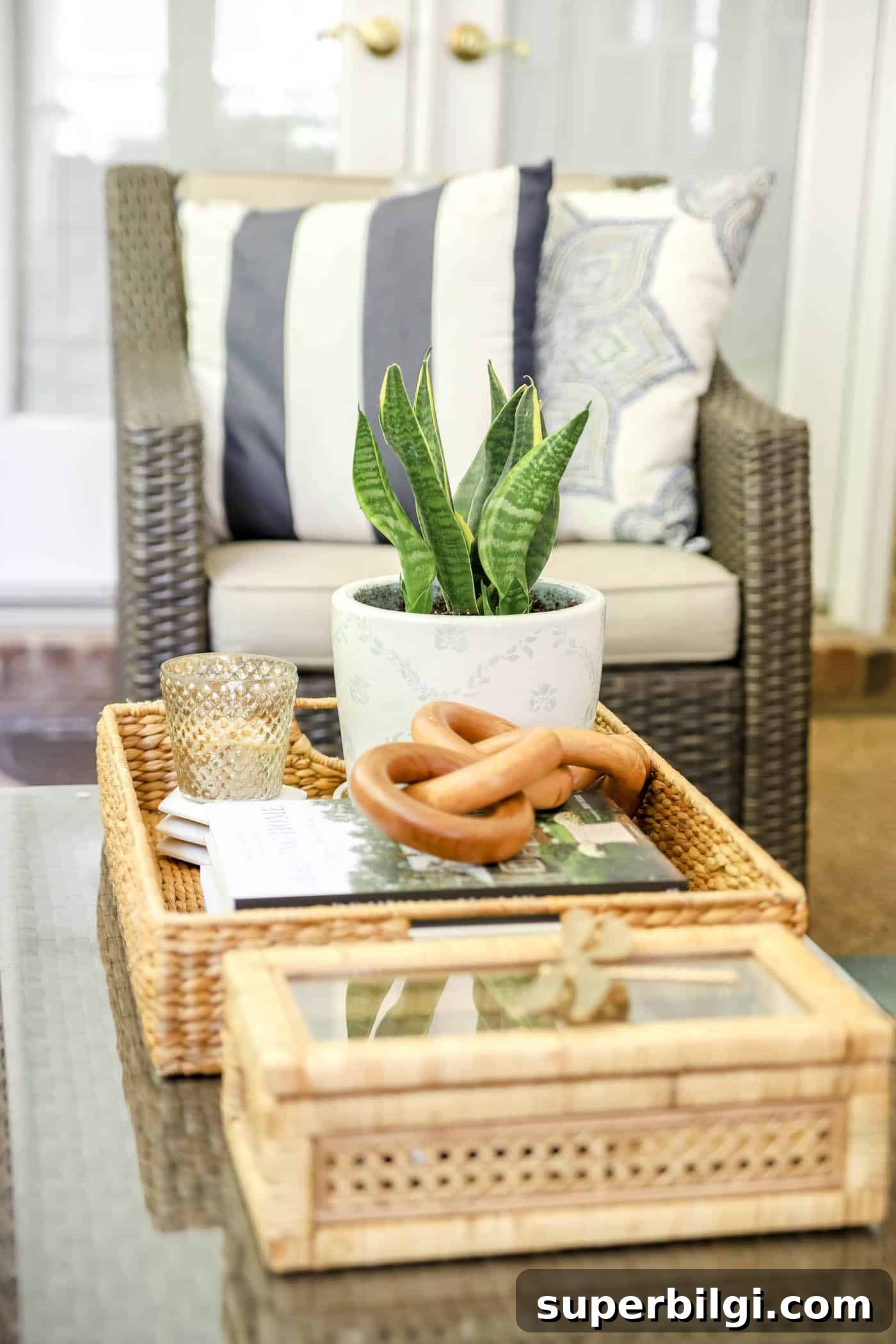
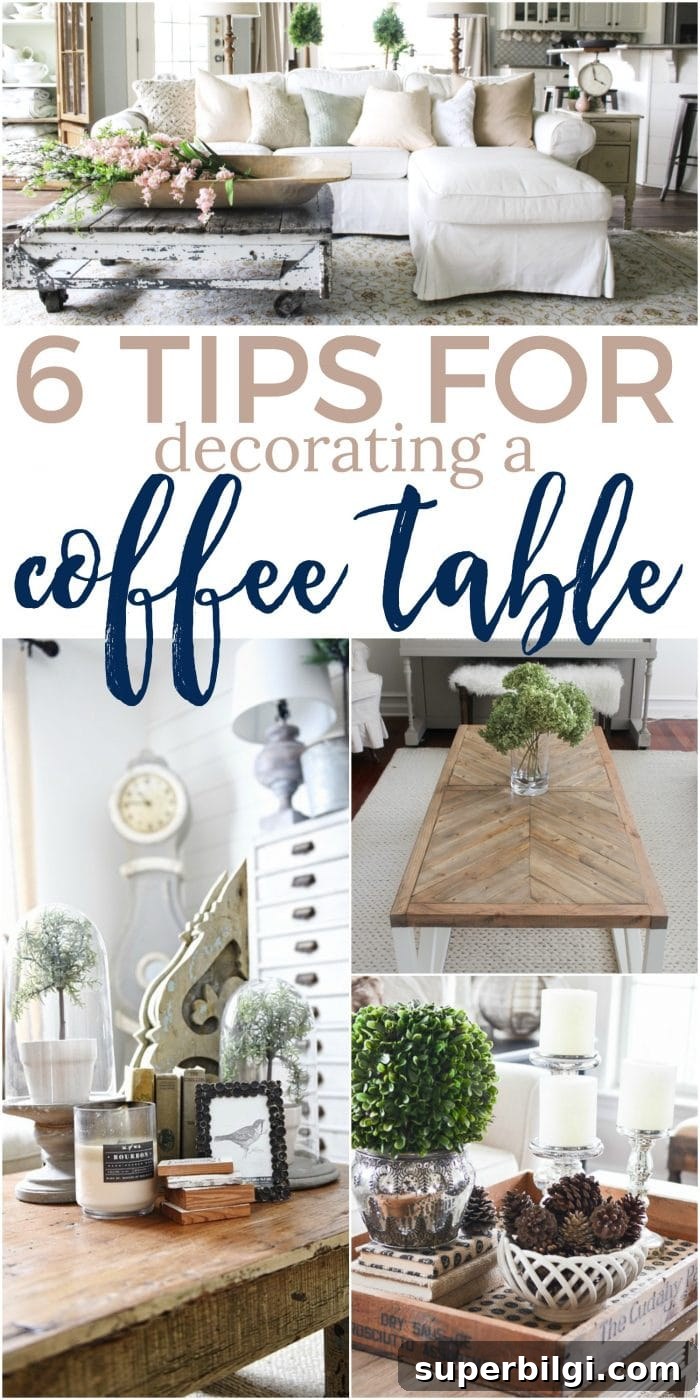
A reliable styling formula to remember is: Book + Plant + Interesting Object + Tray = A Stylish Coffee Table. Use that idea as a starting point and adjust items to match your personal style and lifestyle.
1. Start with a Large Tray or Bowl
A tray or large bowl grounds the arrangement and makes the whole vignette look intentional. Choose a wood, woven, or metal tray to add texture. The tray helps contain items so the surface feels organized rather than scattered. Pick a size large enough to hold the pieces you want on display; too small and everything will look cramped. Trays are also practical — they make it simple to clear the table for serving or cleaning.
2. Choose a Focal Point
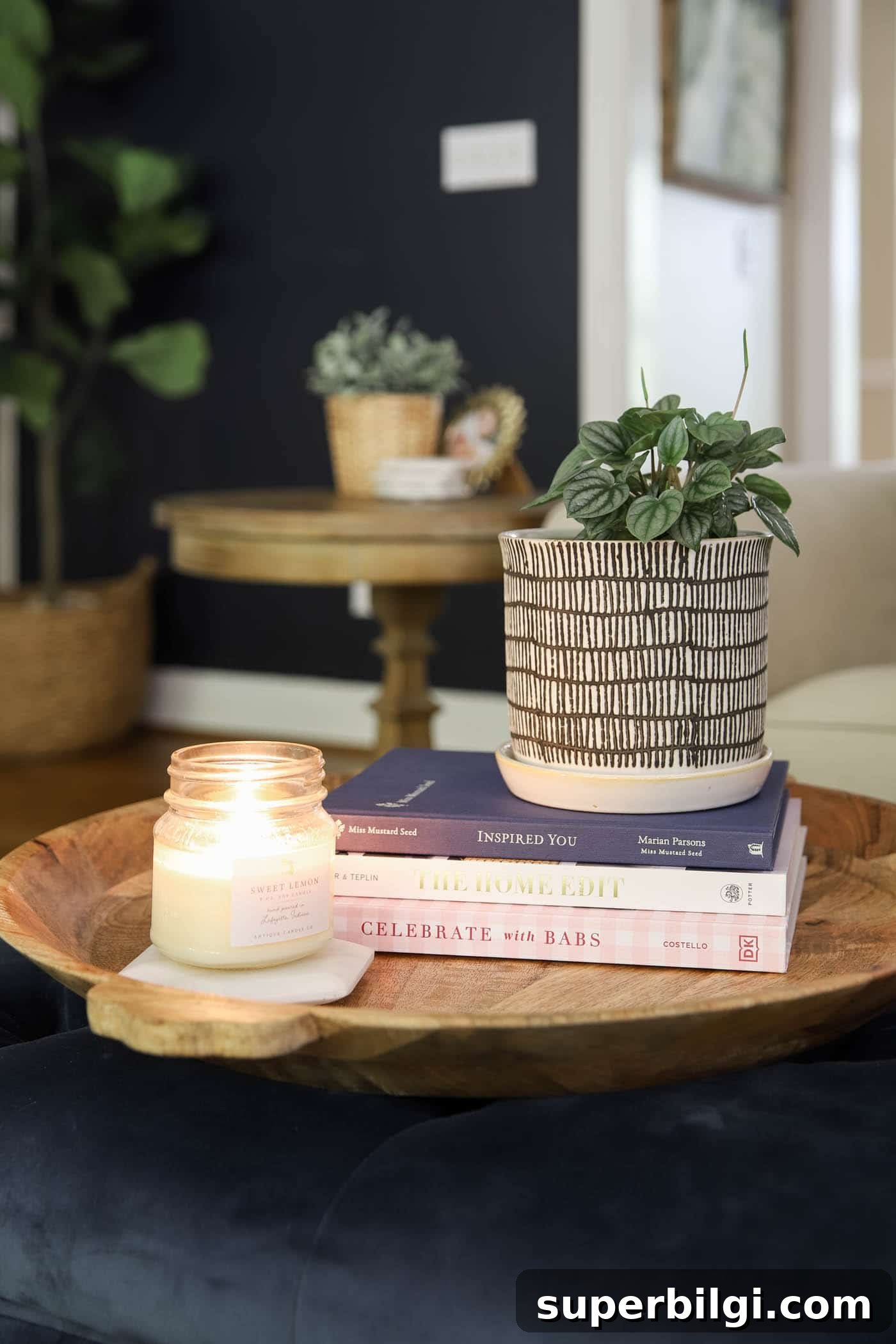
Select one strong, eye-catching item to be the centerpiece of your arrangement. This could be a tall vase, a sculptural object, a striking planter, or a decorative bowl. The focal piece adds height and draws the eye, giving the whole composition structure. If your main item is small, elevate it by placing it on a stack of books or a pedestal to create visual interest.

3. Bring in Plants or Fresh Flowers
A live plant or fresh flowers add life and color to a coffee table. If low maintenance is a priority, faux plants can look very convincing and last indefinitely. Keep plant height and spread in mind so foliage doesn’t block conversation across the sofa. Small potted plants, a compact vase of blooms, or an architectural succulent can all work well.
4. Use Coffee Table Books for Layers and Height
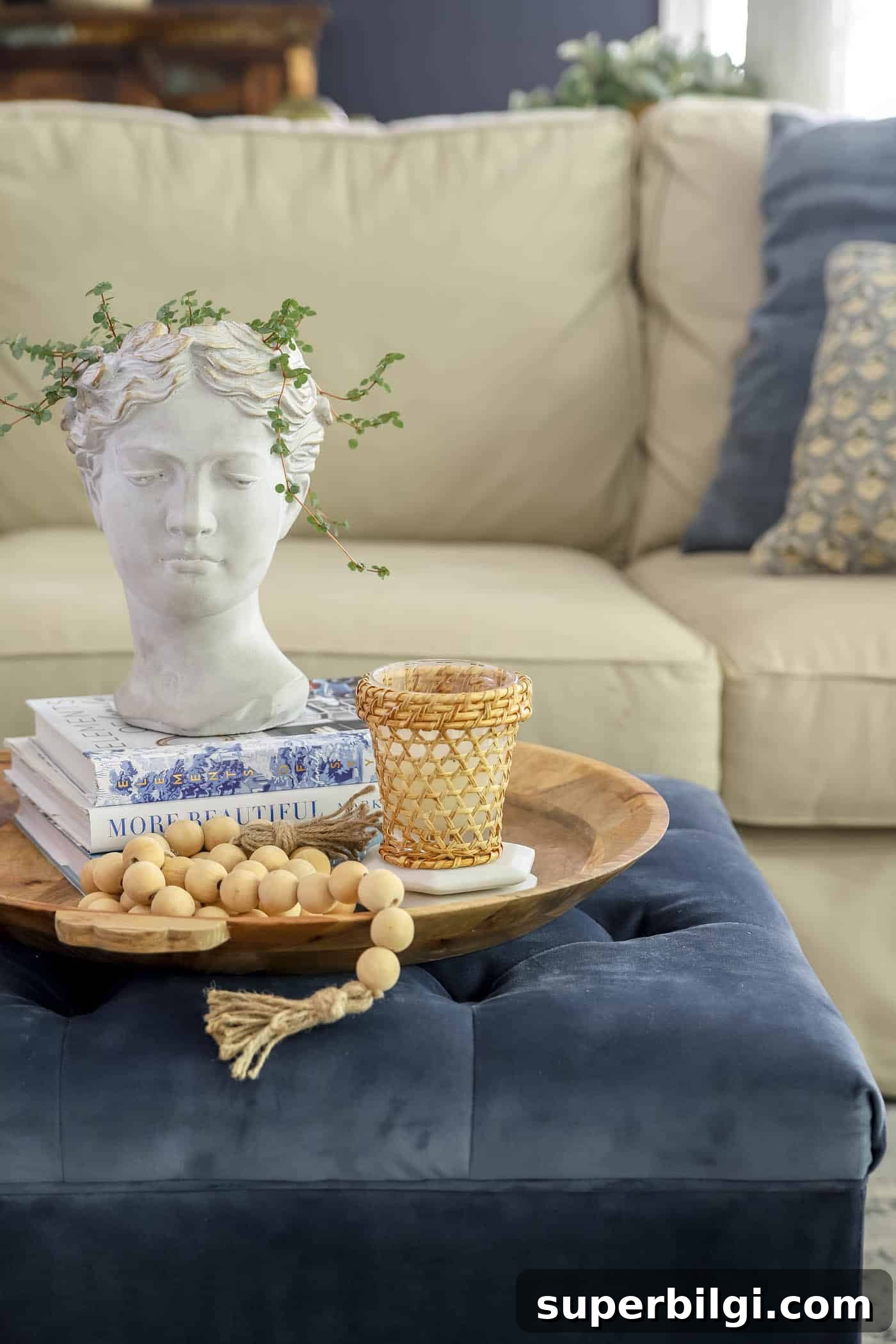
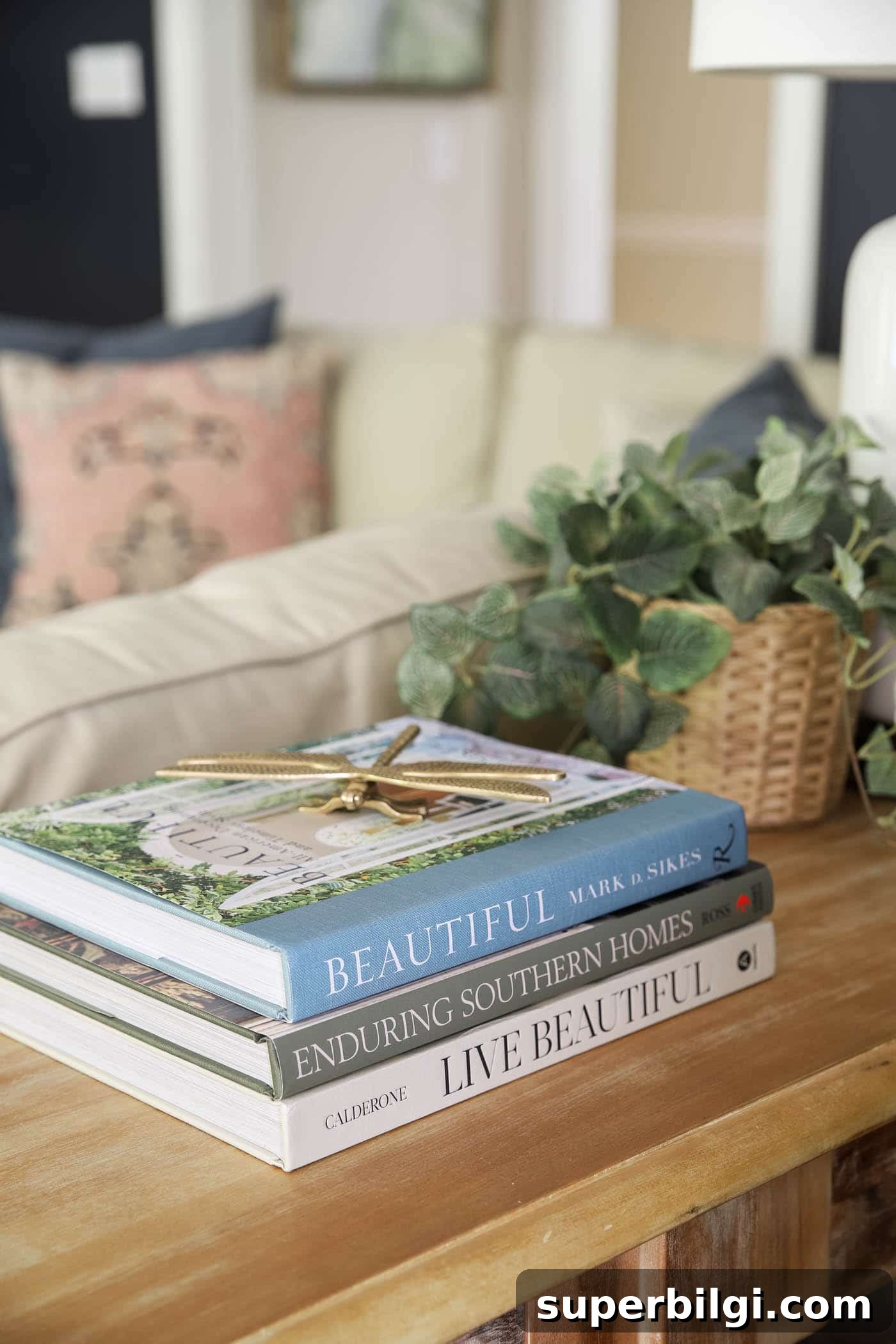
Hardbound coffee table books are both decorative and useful. They add scale and create a platform for smaller items such as candles, figurines, or a small tray. Stack books in groups of two or three for a collected, layered look. Choose covers or color palettes that complement the room to make the books feel like part of the styling rather than an afterthought.
5. Corral Small Items with Bowls or Decorative Boxes
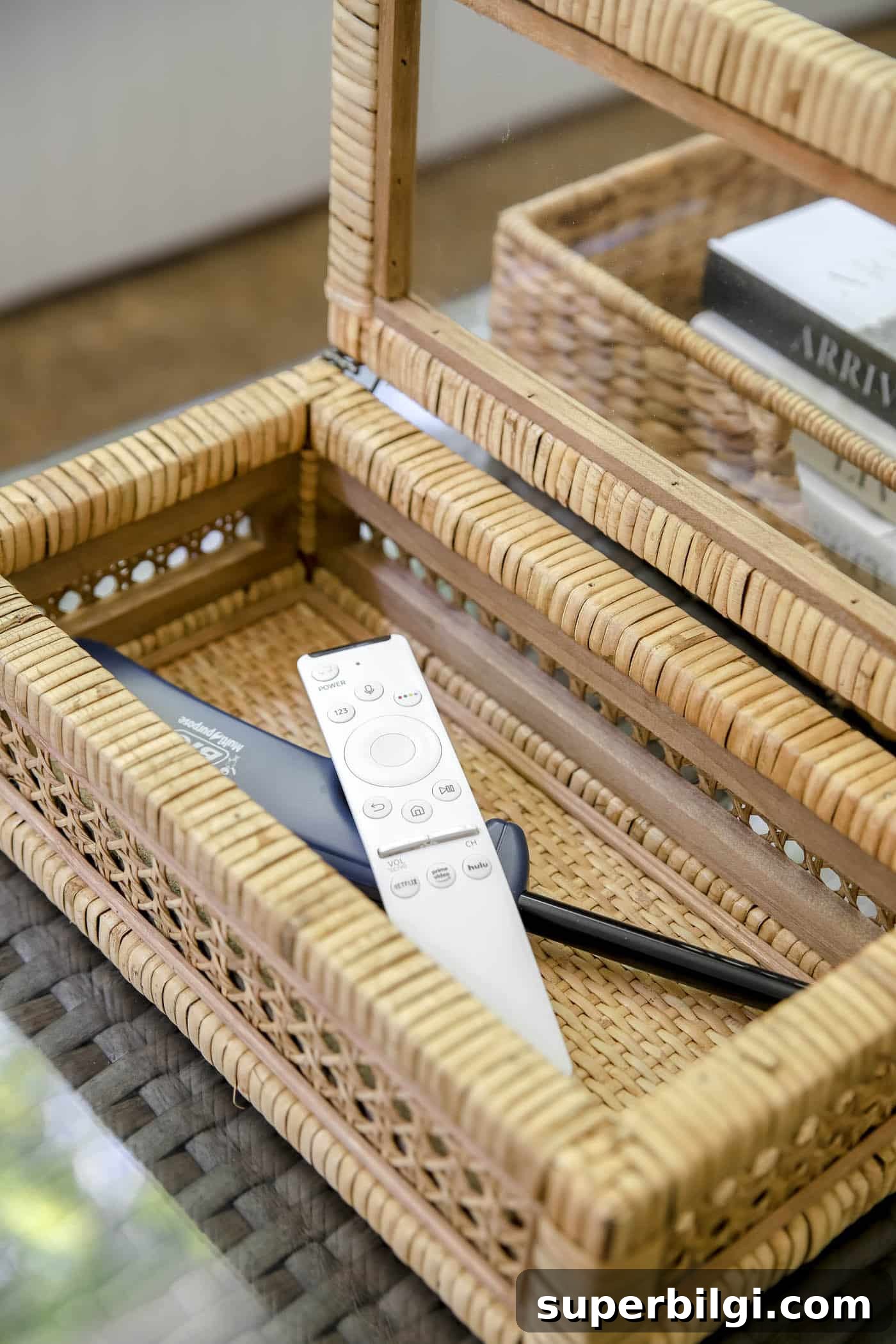
A bowl or small tray is ideal for keeping small everyday items together — remotes, matches, keys, or pencils. Decorative boxes or shallow dishes serve the same purpose while contributing texture and pattern. Using a contained vessel keeps the surface tidy and makes the arrangement feel curated rather than cluttered.
6. Use Hidden Storage for Practicality
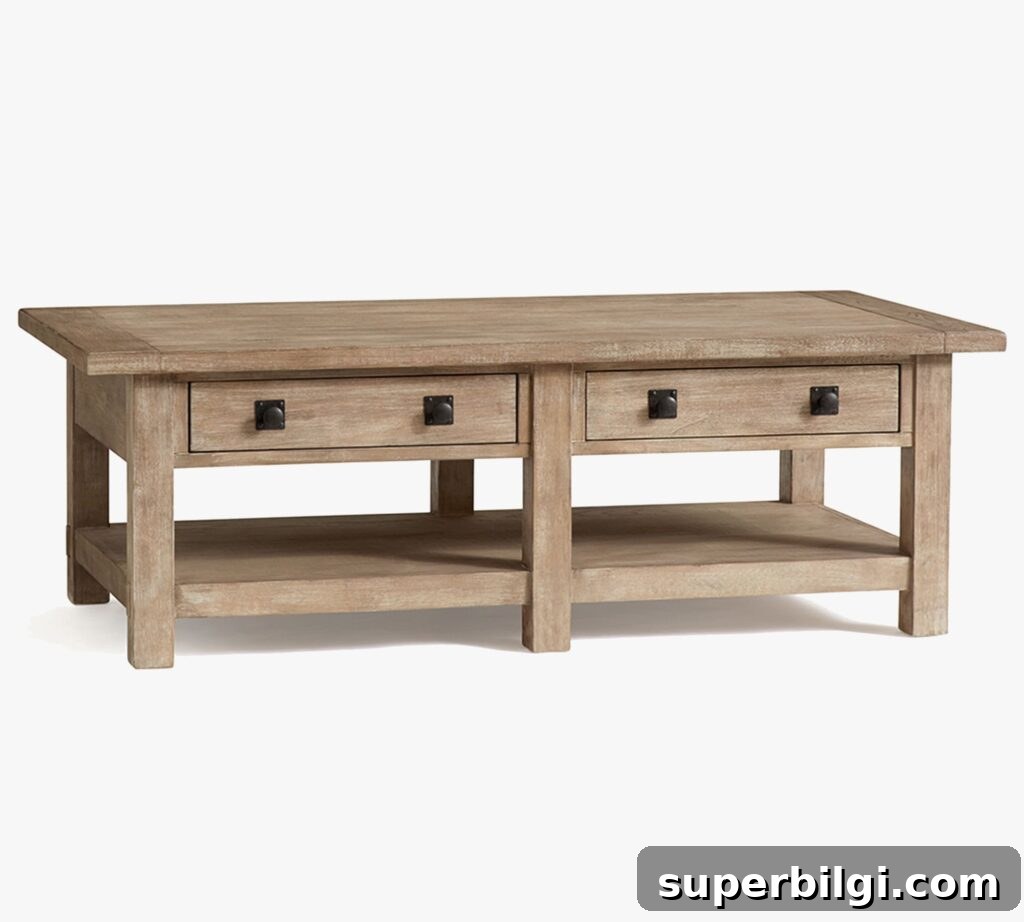
If your coffee table includes drawers, shelves, or baskets, use that space to stow away items you don’t want on display. Lower shelves with woven baskets or drawers are perfect for storing throws, magazines, kids’ toys, or electronics. Hidden storage keeps the top surface neat while making the table more functional for everyday living.
With these six tips, you can create a coffee table display that is attractive, balanced, and suited to your routine.
Tips for Buying a Coffee Table
Choosing the right coffee table is key to styling it well. Keep these practical rules in mind when shopping:
- Match the coffee table height to your seating: it should be roughly the same height as the seat cushions or slightly lower.
- Choose rounded edges or upholstered tops if you have small children to reduce bumps and spills.
- As a guideline, aim for a coffee table width that’s about two-thirds the width of your sofa or seating grouping.
- Leave 12–18 inches between the table and seating to allow for easy movement.
- If the table fronts a TV, keep more than 18 inches of clearance from the TV stand for comfortable viewing and traffic flow.
- Consider nesting tables for flexibility — they provide extra surface area when you need it and tuck away neatly when you don’t.
Must-Have Elements for a Coffee Table
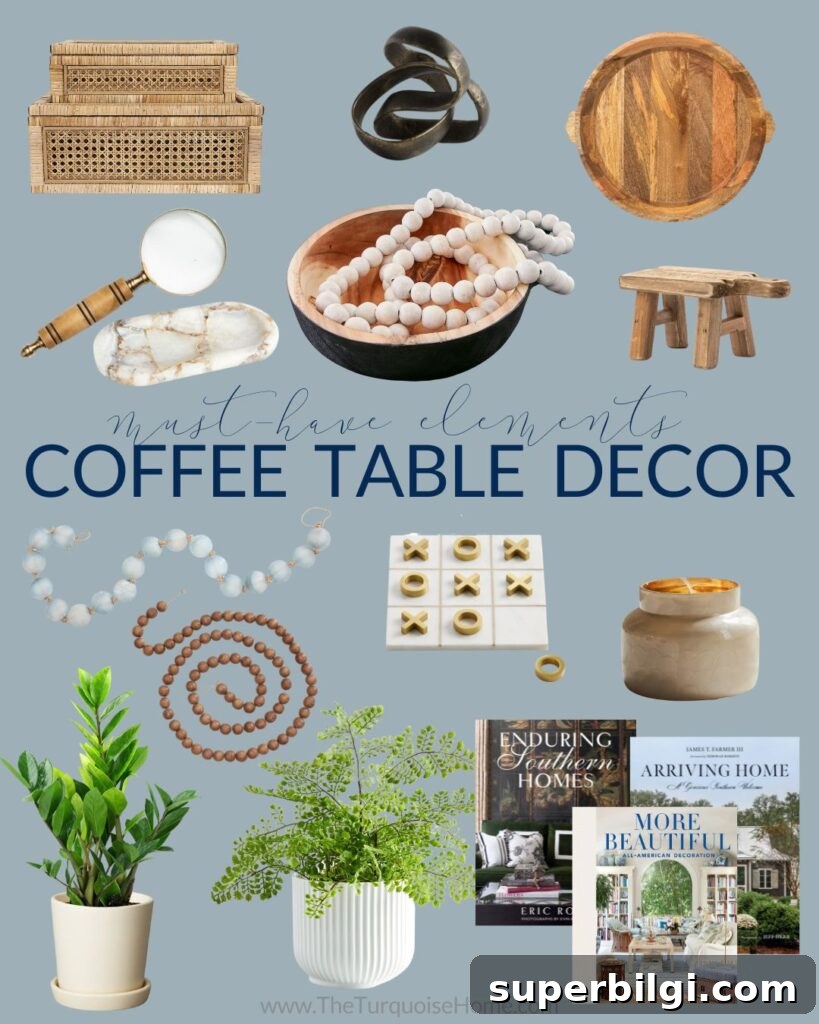
Here are commonly loved items to include when styling: a wooden or woven tray, a statement sculptural object or vase, a small stack of visually appealing coffee table books, a living or faux plant, a decorative bowl or catch-all for small items, a candle, and a textural accent such as wood beads or a beaded garland. Mix these elements to create variety in height, texture, and color.
Examples of Beautiful Coffee Tables
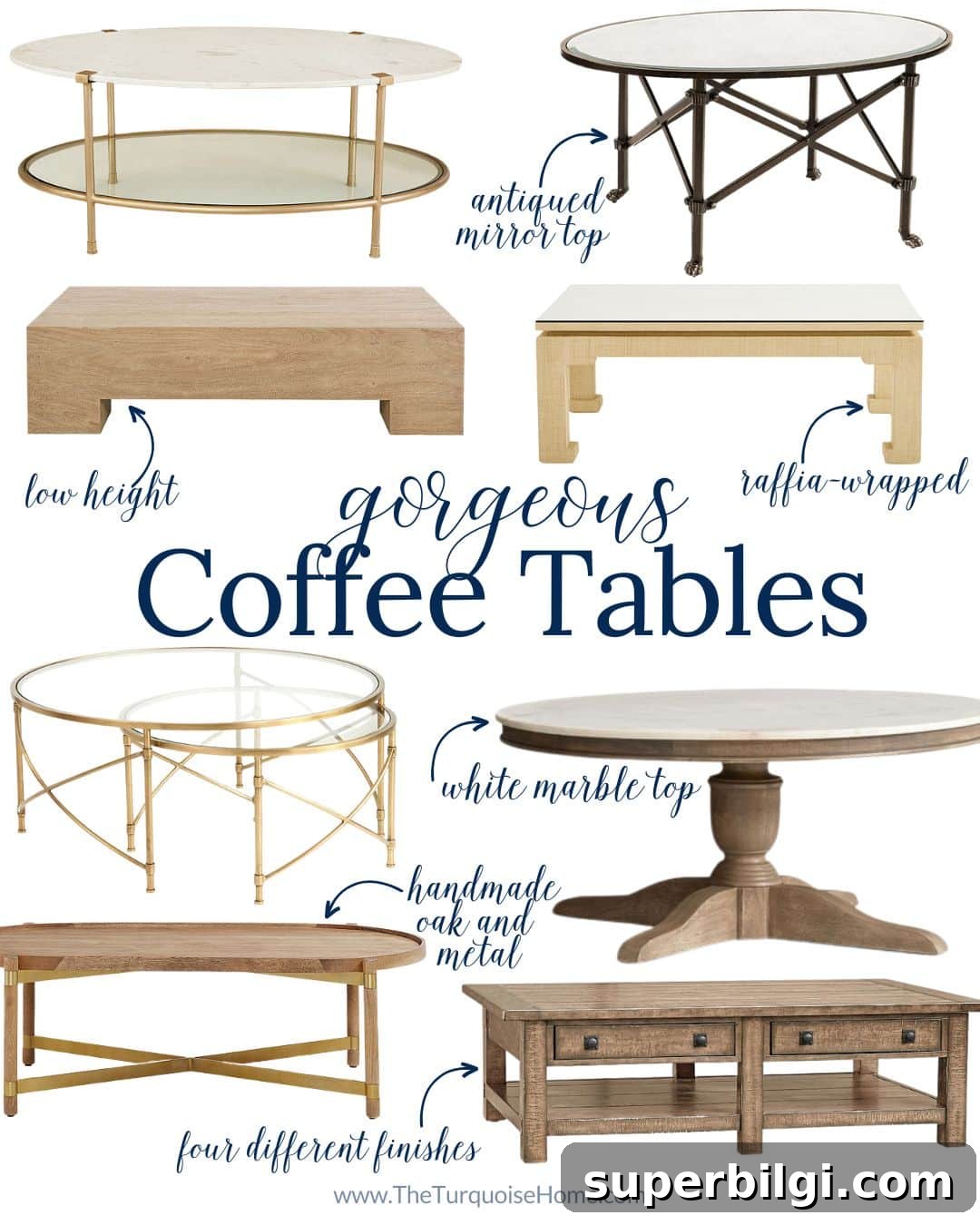
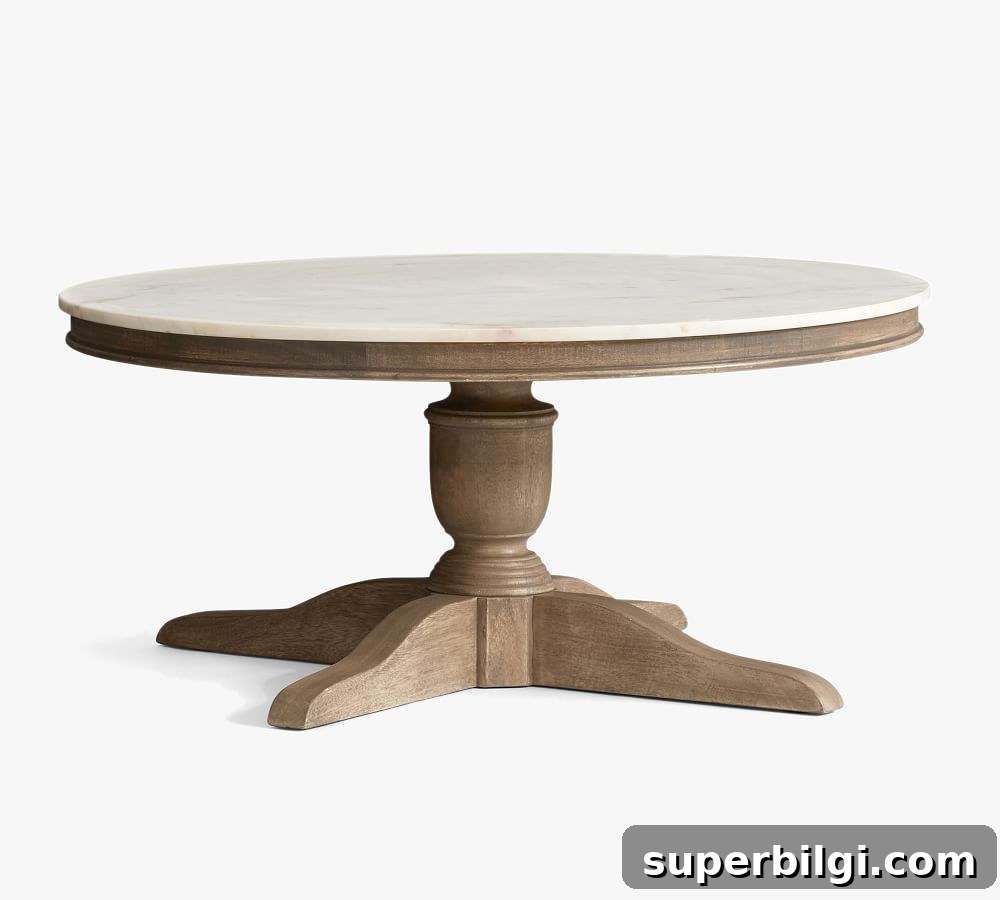
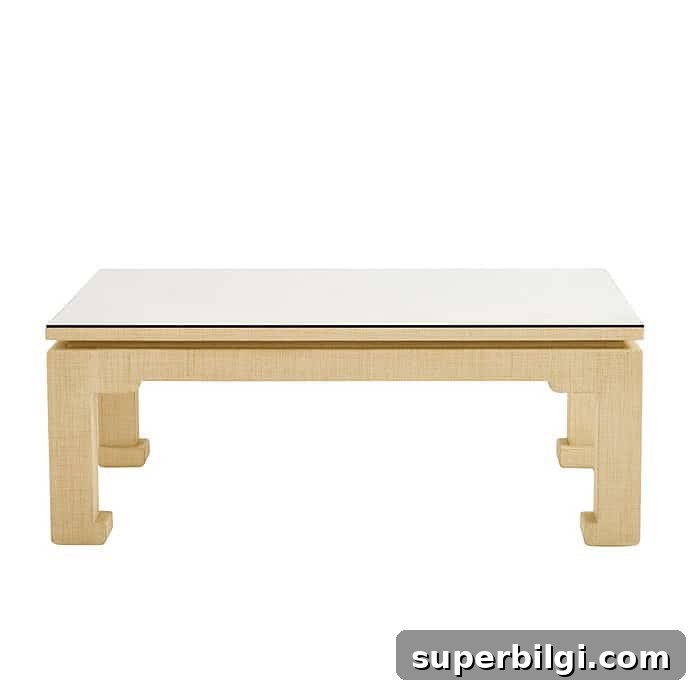
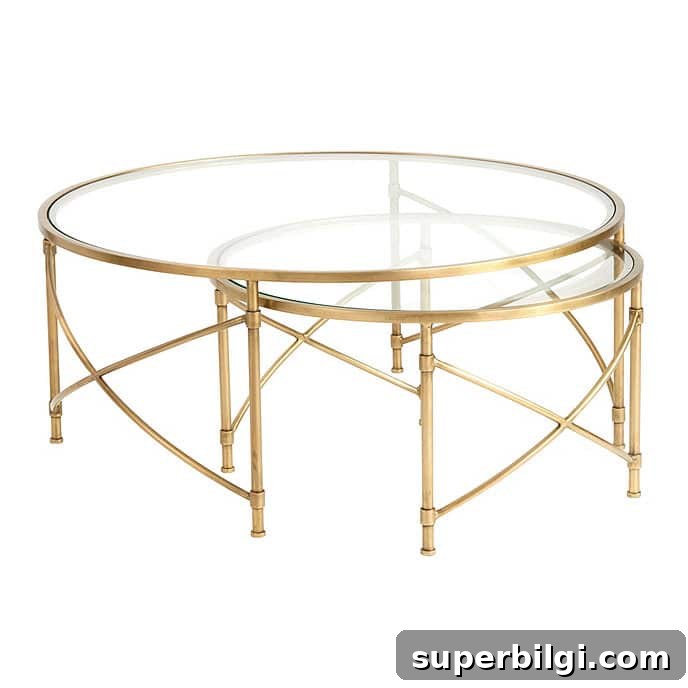
Coffee tables come in many styles: classic wooden pedestals, round marble-top tables, woven or raffia-wrapped tops, low square tables, leather ottomans, and nesting glass-and-metal designs. Choose a style that complements your room’s scale and your lifestyle — durable surfaces for families, softer upholstered tops for casual comfort, or sculptural pieces for a refined look.
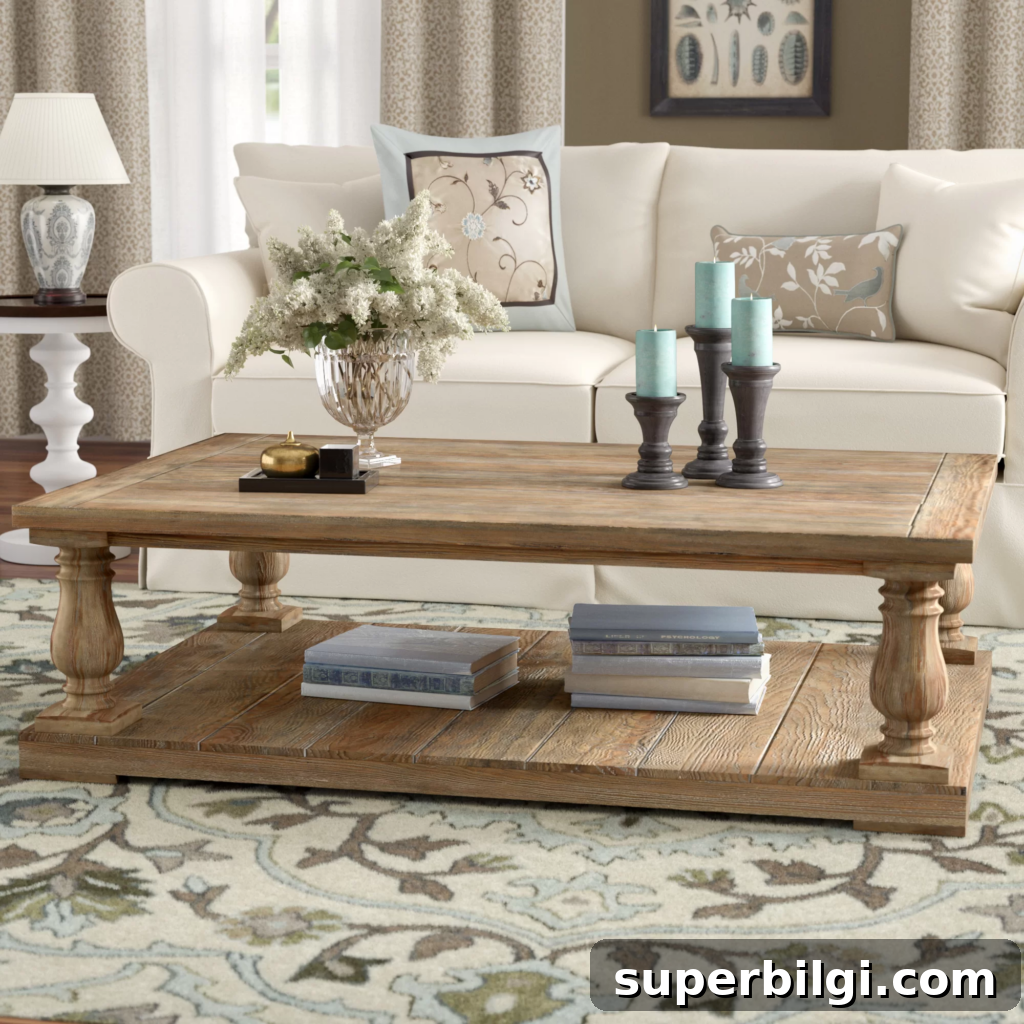
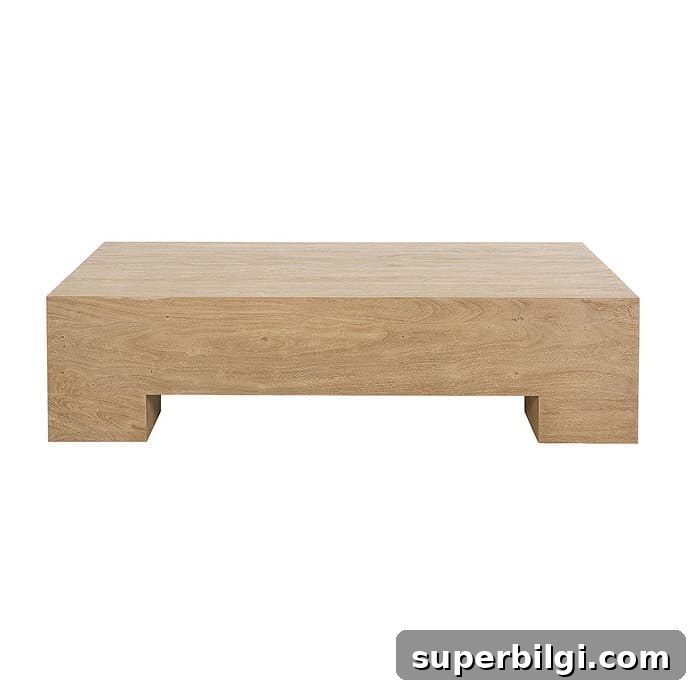
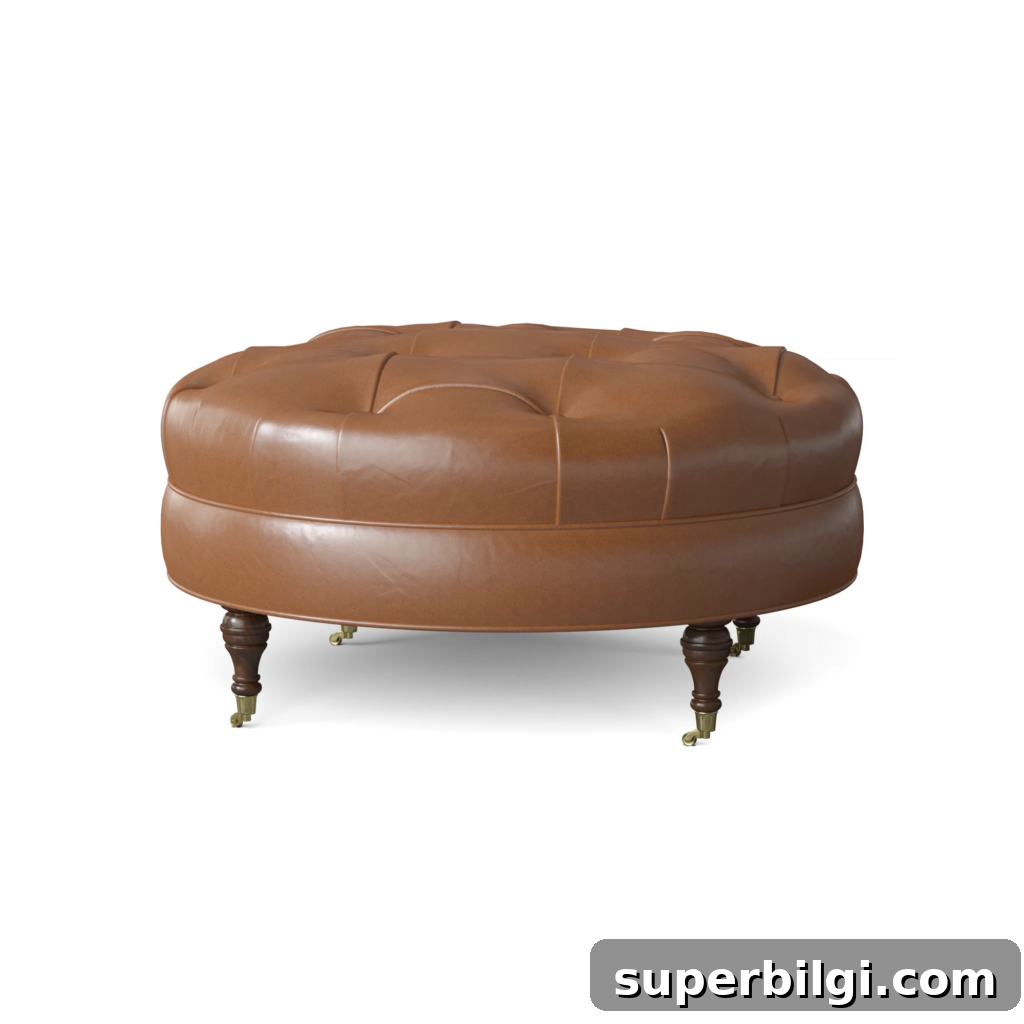
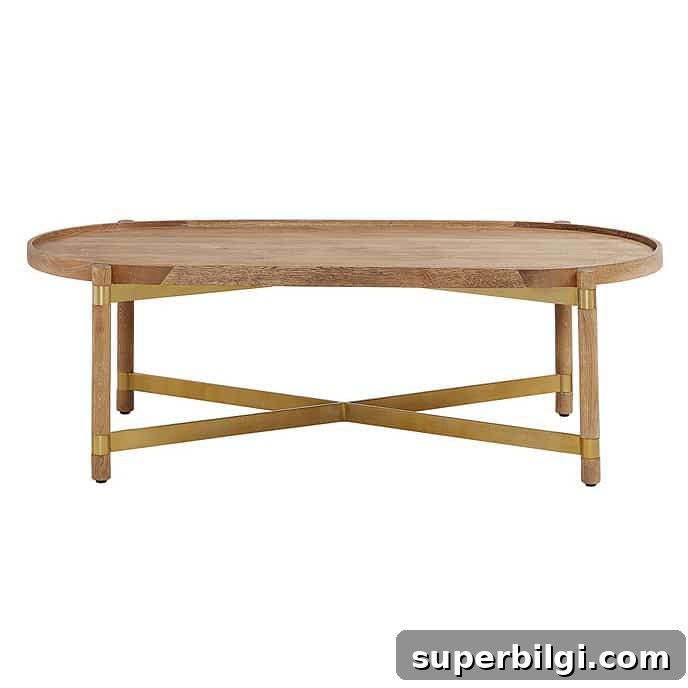
Styling a coffee table is a small design task that makes a big visual impact. Start with a tray, add a focal piece, bring in plants or flowers, layer with books, contain small items, and use hidden storage. Mix textures, vary heights, and keep scale in mind — with these simple guidelines you’ll create a coffee table that is both beautiful and useful.