
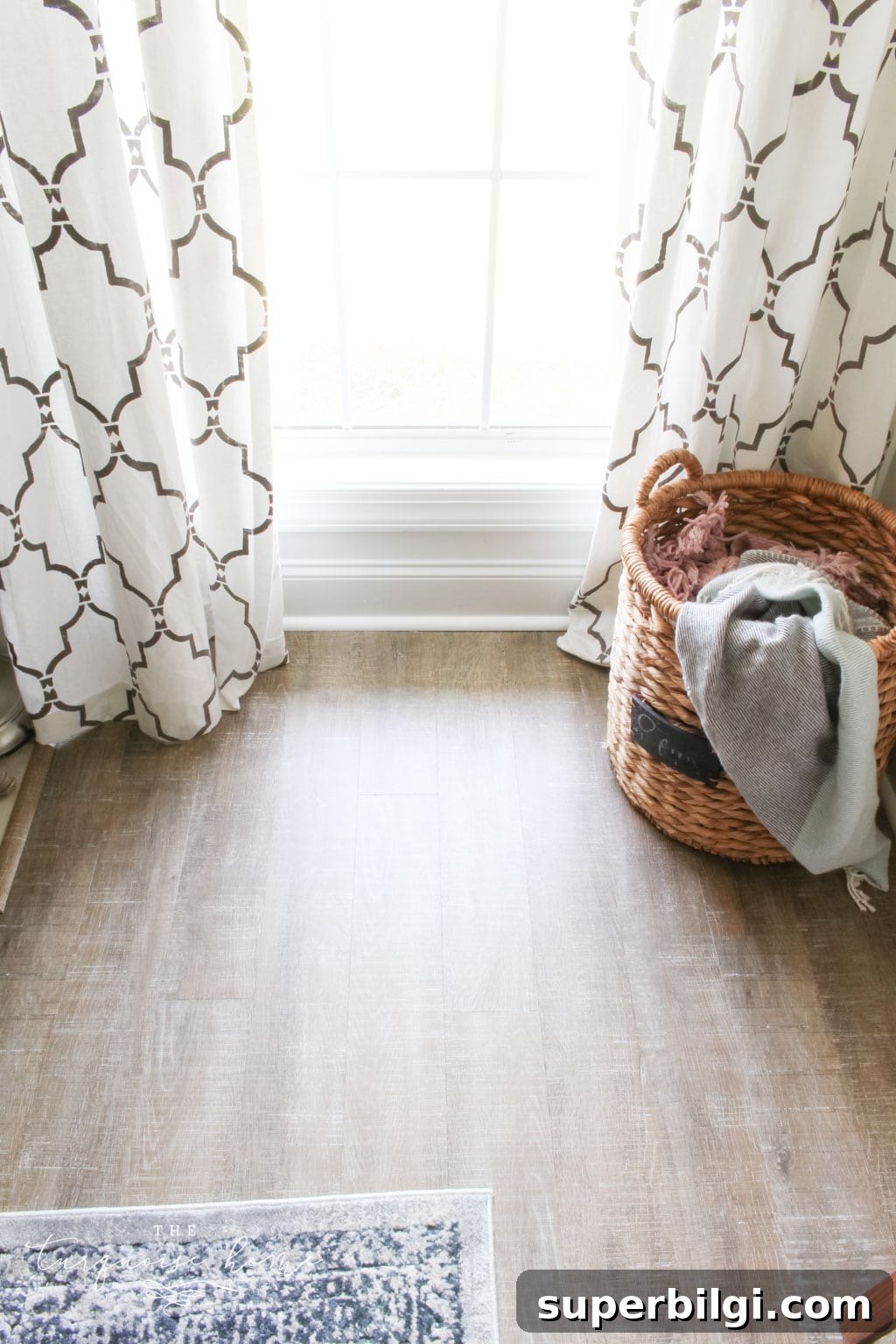
After living with our new floors for a few weeks, here are the real pros and cons of choosing Luxury Vinyl Plank (LVP) flooring.
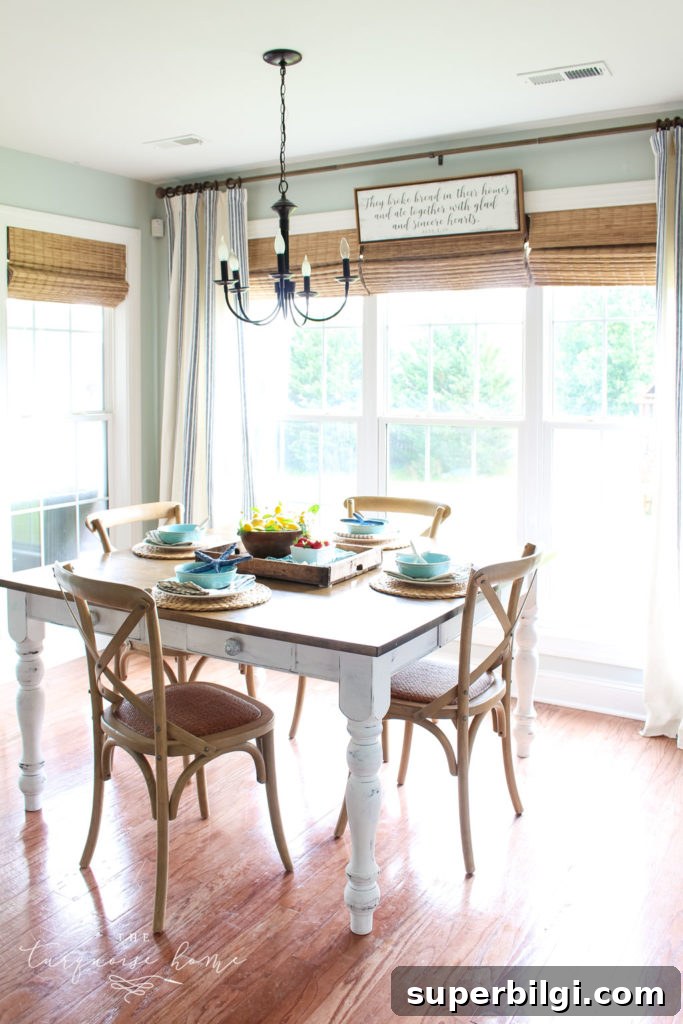
If you missed the start of this flooring journey and why our engineered hardwood had to be replaced, I originally wrote about picking new flooring. We didn’t expect to be making this decision mid-summer, but it’s complete now and I want to share what we learned.
We moved into a house with old reddish-brown engineered hardwood that was worn and sun-damaged. Replacing the floors had been on my list for seven years, but I hadn’t researched options until this summer. With a short timeframe, I visited several flooring stores, listened to professionals, and weighed a few different choices.
At first I planned to use engineered hardwood again, but LVP kept coming up in conversations and reviews. The idea of waterproof, pet-proof, and kid-proof flooring appealed to us. We don’t have a pet, but our four-year-old often makes “science experiments” in the kitchen, so water resistance was a major plus.
We waited a couple of weeks after installation to form an honest opinion. Here’s what we’ve experienced so far with our LVP floors.
What is Luxury Vinyl Plank?
Luxury Vinyl Plank (LVP) is a manufactured vinyl flooring designed to mimic the appearance of real wood. We chose COREtec Plus (Boardwalk Oak) for its reputation and cork backing, which adds cushioning and natural anti-bacterial properties. This engineered vinyl looks like wood but is often water-resistant or fully waterproof and can be installed over flat, existing floors.
The Pros of Luxury Vinyl Plank
The Look
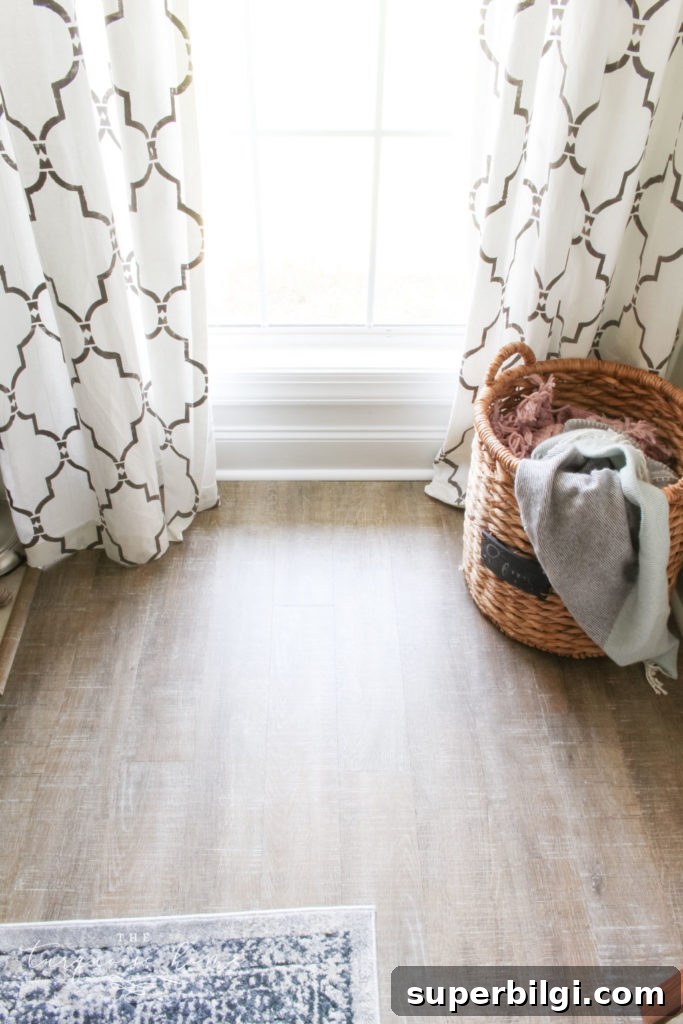
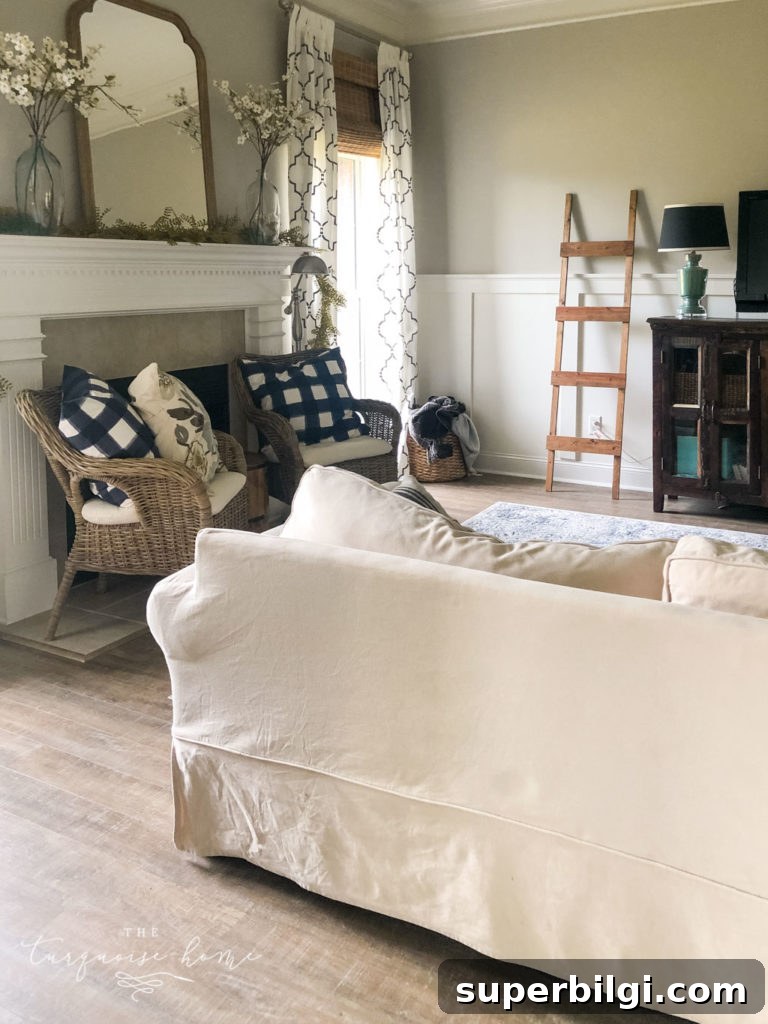
The visual impact was immediate: I loved the floors the moment I saw them. The COREtec Boardwalk Oak provides a rustic, weathered wood look that blends warm browns with cooler grays, giving a beachy farmhouse vibe that fits our home perfectly. The pattern has low variation, so it doesn’t compete with other elements in the room and provides a consistent, calming backdrop.
If you want a similar aesthetic with wider planks or more texture, there are other COREtec styles available that lean more textured or wider — worth considering if you want a different tactile feel.
Cleaning
Cleaning LVP has been easy and fast. You can sweep, vacuum, or use a damp mop. I’ve found a simple water-only microfiber mop works well for everyday messes, and a mild cleaner handles grease or sticky spills. Because spills are visible, it’s easy to spot and quickly clean up what our child leaves behind.
Installation
We didn’t install the floors ourselves—insurance covered professional installation—but many homeowners successfully install LVP as a DIY project. LVP often installs as a floating floor over concrete, tile, or existing hardwood when the subfloor is flat, which makes it a convenient option for renovations. The thinner planks also work well around cabinets and appliances.
Popularity and Resale Considerations
LVP has become a common choice in new builds and renovations in many areas because it balances appearance, durability, and cost. While some say engineered hardwood can add more resale value, the practical benefits of LVP—waterproofing, scratch resistance, and lower maintenance—are attractive to many buyers and may be a selling point, especially for families.
The Cons of Luxury Vinyl Flooring
The Sound
The trade-off for many benefits is sound. LVP can have a slightly hollow or louder footfall compared with traditional hardwood. I’m sensitive to sound and noticed that ordinary walking is more audible than it was on our old engineered hardwood. This may bother some people more than others. Choosing a plank with more texture or adding area rugs and runners can help reduce noise, and over time we’ve grown more accustomed to it.
The Feel
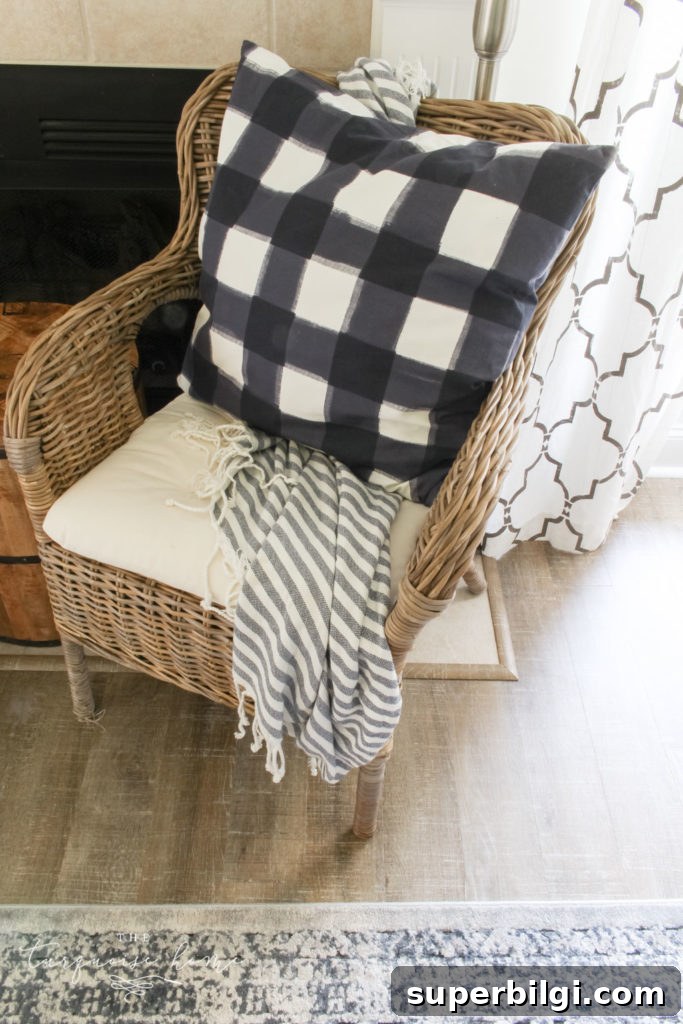
Our LVP has a smooth, matte finish and a soft feel underfoot thanks to the cork backing. My husband appreciates the softness, but I miss a bit of the rigid, authentic wood sensation. If a wood-like tactile experience matters to you, look for planks with more texture or a different finish to better mimic the feel of hardwood.
Spills and Dirt Visibility
Light to medium flooring colors can be helpful at hiding dirt, but our matte finish shows drips and crumbs more readily than I expected. That visibility encourages quick cleanups, which keeps the floors tidy, but it can also make you feel like you’re constantly spotting small messes. Strategically placed rugs will help reduce visible crumbs in high-traffic areas.
Final Thoughts
Overall, I love the way these floors look. Choosing LVP allowed us to get the exact aesthetic we wanted without paying significantly more for engineered hardwood. If we build a home in the future, I might opt for higher-end engineered hardwood for that specific wood feel and sound, but for our current needs LVP delivers durability, easy upkeep, and the farmhouse style I wanted.
Every major change takes time to adjust to, and these floors are no different. They modernize our home and feel fresh and updated. With a few area rugs and a little time, I expect we’ll be even happier with this choice.
More Posts You Will Love:
- Cheap Flooring Ideas: Update Your Floors on a Budget
- How to Install Peel & Stick Floor Tile
- The Best Peel and Stick Floor Tile Ideas
- How to Choose the Right Checkered Floors for Your Home