
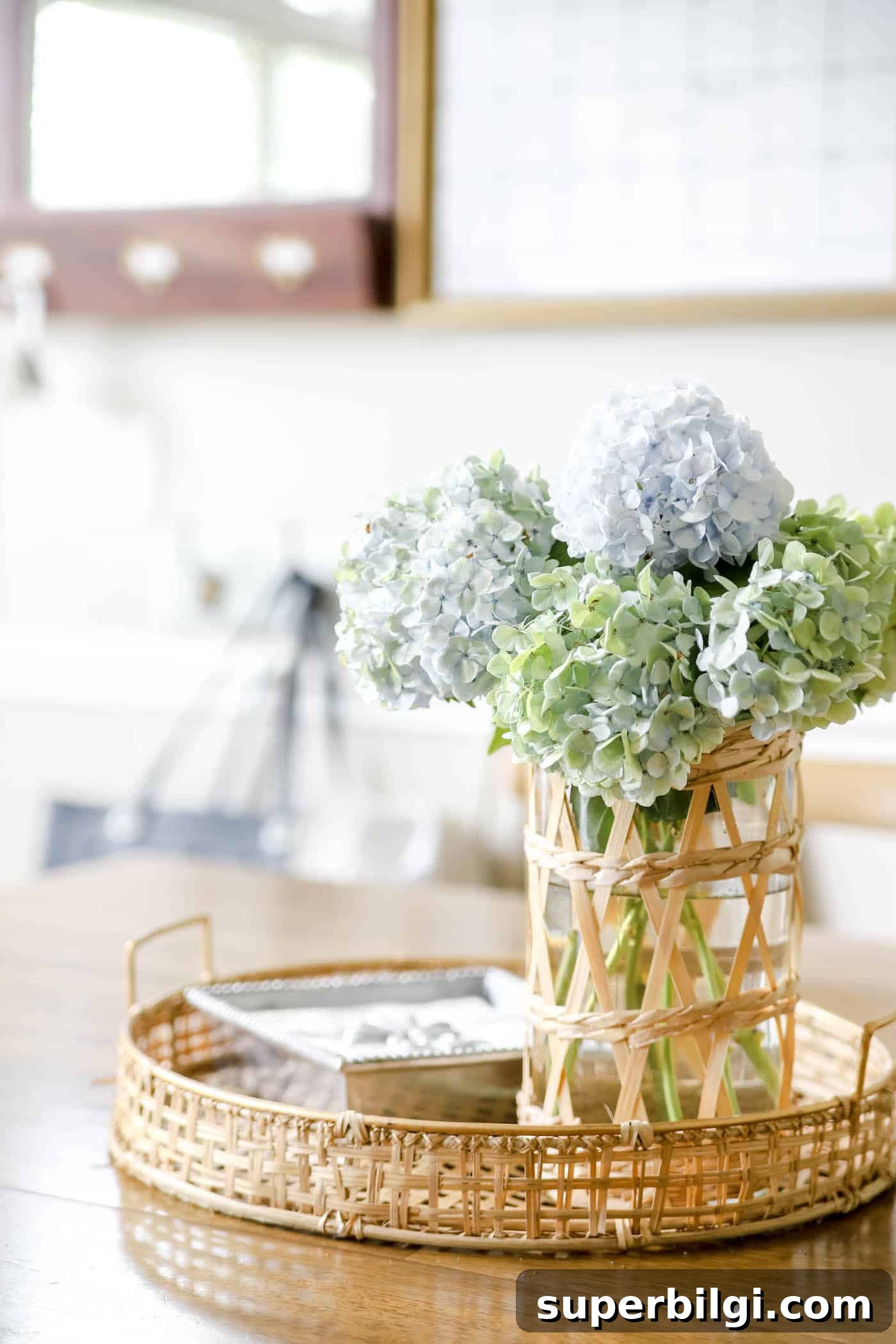
Ready to declutter your home? Start with these five simple steps to clear any room quickly and confidently.
Life gets busy and sometimes we shove things into a room and shut the door, telling ourselves we’ll deal with it later. Days turn into weeks, and before you know it, clutter piles up and creates stress. A cluttered home makes it hard to relax, focus, or decorate the way you want. The good news: decluttering is straightforward when you follow a clear plan. Below are five practical steps I’ve used to clear rooms, closets, and drawers—along with tips to keep your home tidy after the purge.
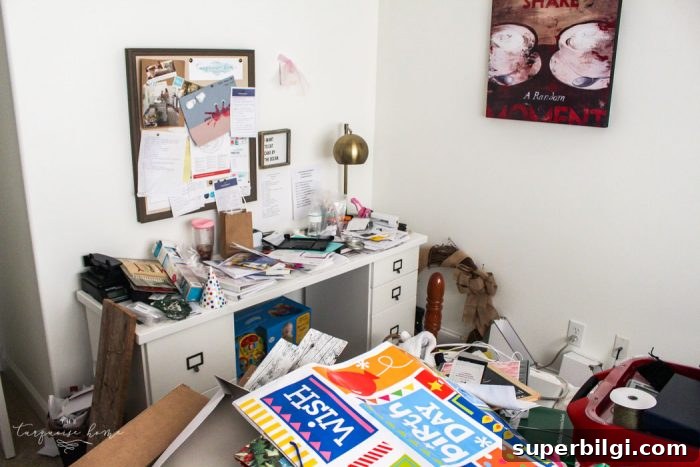
My Cluttered Room: The Office/Guest Bedroom
To illustrate the process, I used my old office that doubled as a guest bedroom. It collected papers, craft supplies, electronics, and everything else. I avoided working there because it felt chaotic, which pushed me to work from the couch or kitchen instead of having a dedicated workspace. That was inefficient and stressful—so decluttering this room became my top priority.
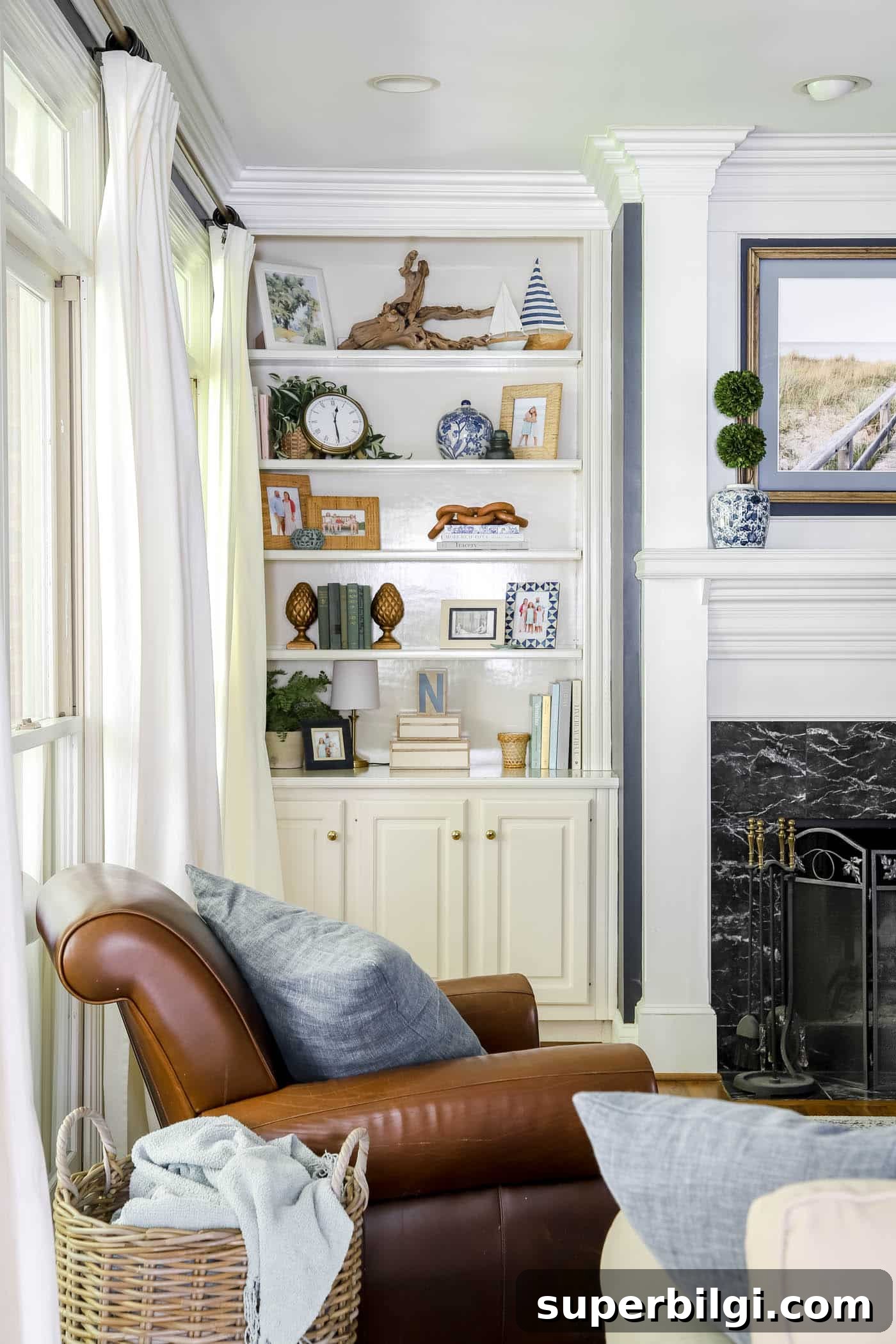
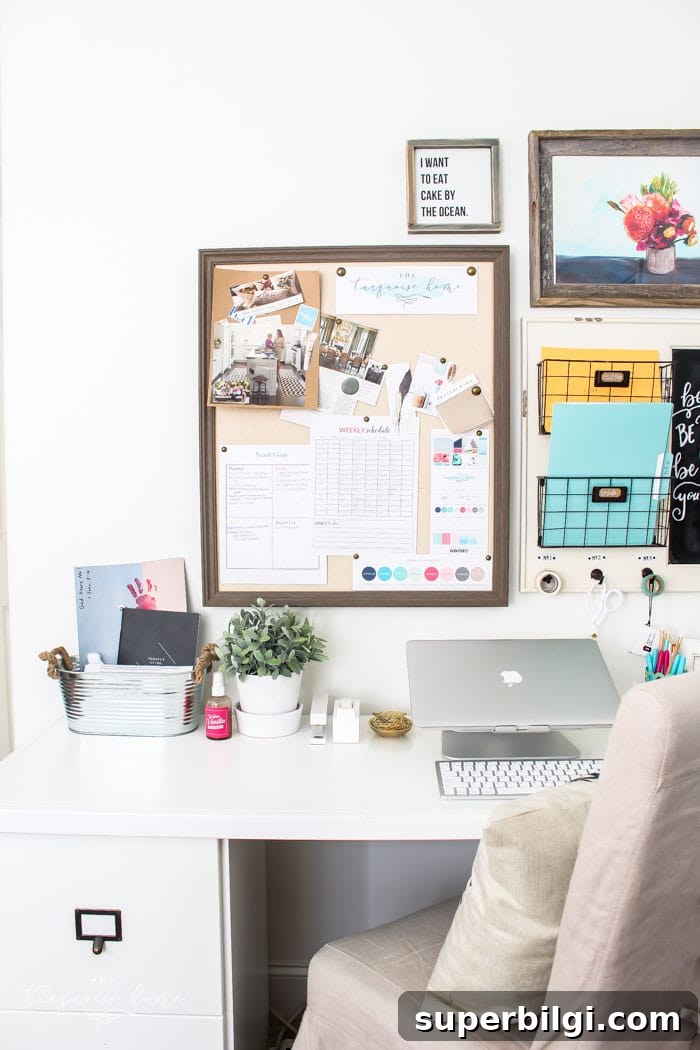
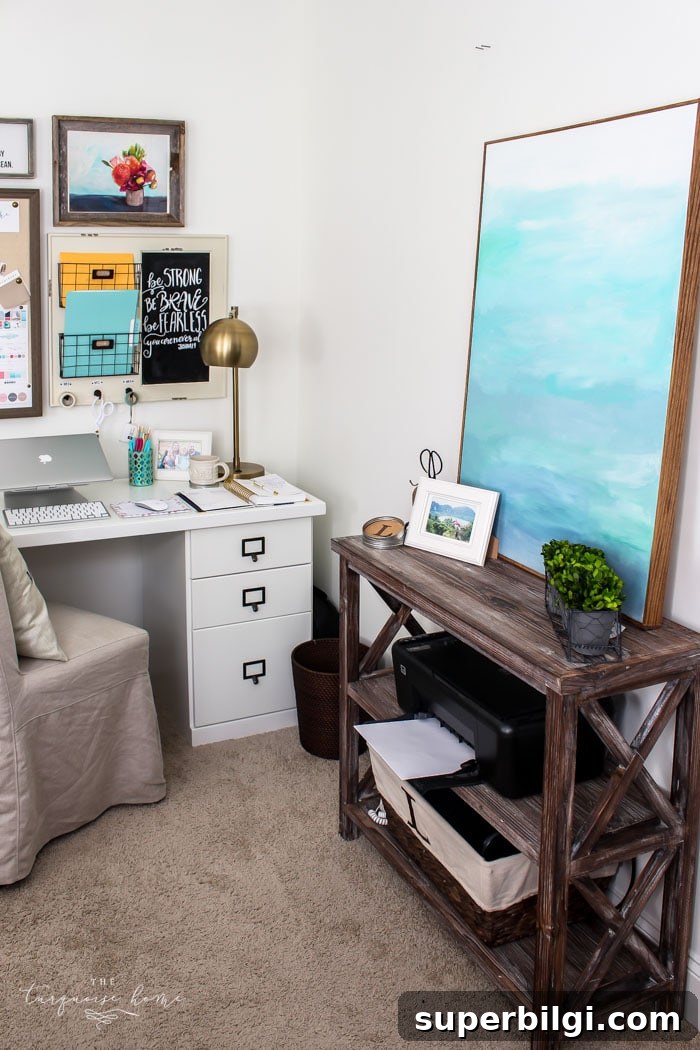
After I finished, the transformation was dramatic: a functional, beautiful corner for working and hosting guests. If you follow the steps below, you can get similar results in any space.
Before You Start: Decluttering Tips
1. Plan Your Timeline & Goals
Decide how much time you can commit and what outcome you want. If you have only 30 minutes, work in short bursts and set realistic goals. For larger areas—like a garage—schedule more time or break the work into several days. Write down what you want to achieve (clear floor space, easier workflow, visible storage) and identify problem zones that need specific solutions.
2. Use Timers
Working in short, focused blocks prevents fatigue. Set a timer for 15–45 minutes, then take a 5–10 minute break. Repeating this cycle keeps you productive and makes the task feel manageable.
3. Create a Sorting System
Gather boxes or bags and label them so everything has a clear destination as you sort:
- Relocate – Items that belong somewhere else in the house.
- Fix – Things that need repair before being returned.
- Donate – Gently used items you no longer need.
- Recycle – Paper, plastic, or other recyclable materials.
- Trash – Broken or unusable items.
Remove trash immediately; load donations in your car so they don’t linger. Sorting as you go prevents new piles from forming.
4. Make It Fun
Play upbeat music, listen to a favorite podcast, or have a movie on in the background if you’re working in a room with a TV. A lively atmosphere makes the chore less of a chore and helps you keep going.
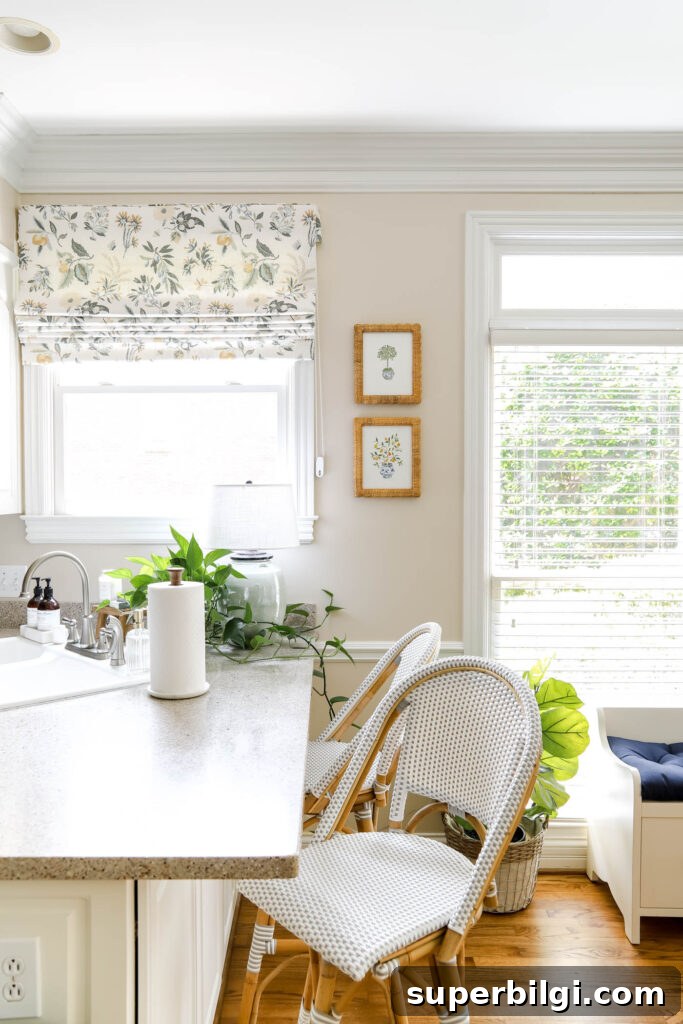
How to Declutter Any Room, Closet, or Drawer
With the right mindset, music, and a timer, pick a space and follow these practical steps.
1. Empty the Entire Space
Take everything out—furniture can stay, but remove smaller items from drawers, shelves, and closets. It may look worse at first, but touching every object is essential. Use your sorting boxes as you go so you can immediately discard or set aside items for donation or relocation.
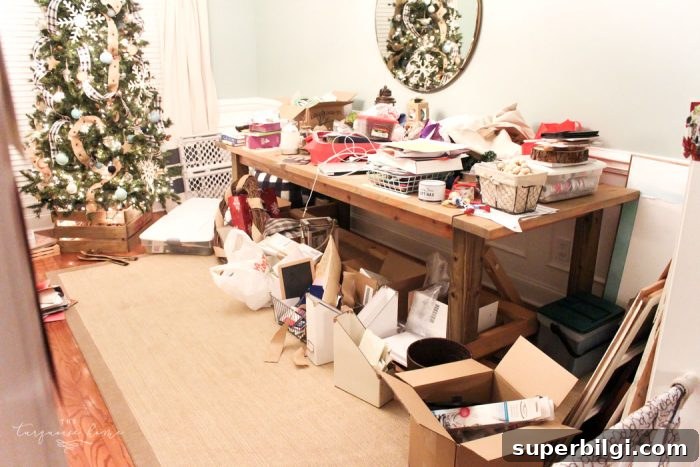
2. Consider How the Space Needs to Work
Once it’s empty, evaluate the layout and storage. Does the furniture make sense? Can you rearrange to create better flow or open floor space? I moved the bed and reorganized electronics in my office so cords and devices weren’t scattered.
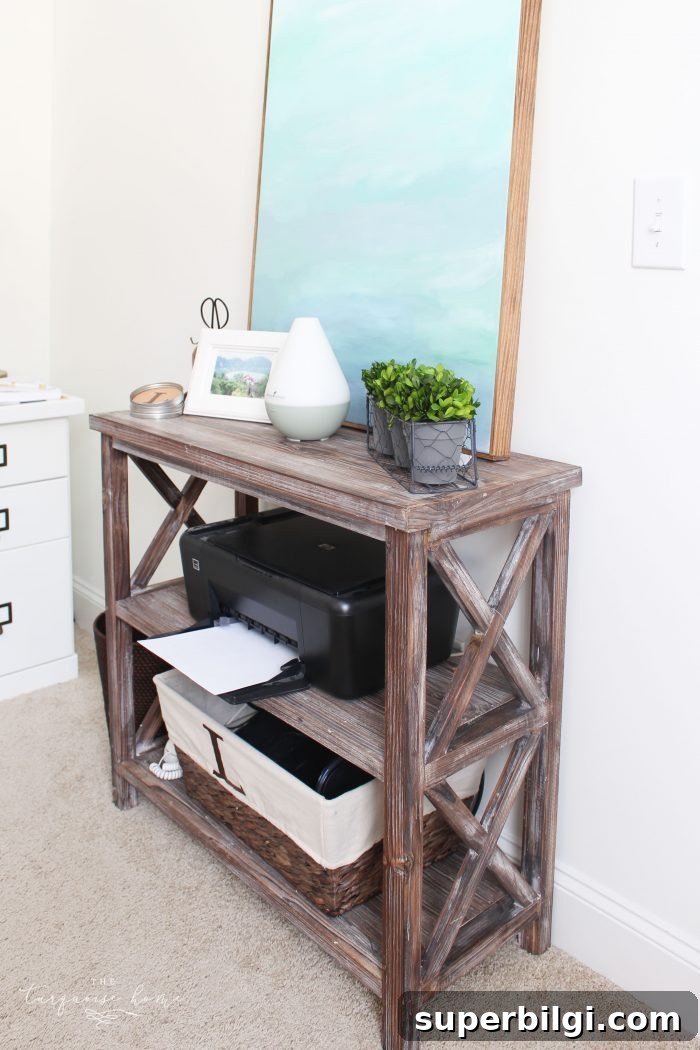
Sometimes a small piece of furniture or a basket can provide the perfect home for items that previously lived on the floor.
3. Group Like Items Together
Sort remaining items into categories—office supplies, ribbon, notebooks, electronics, etc. Grouping similar things together makes it easier to decide what to keep and where it should live. If something doesn’t fit a category and you can’t justify keeping it, it’s usually safe to let it go.
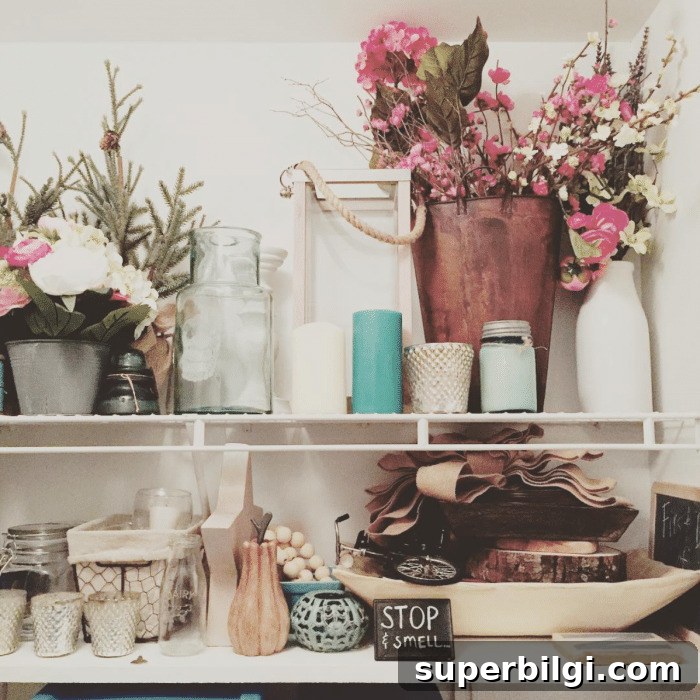
4. Ask Two Key Questions
Before you return items, ask: “Does this spark joy?” and “Do I use this?” If your answer isn’t a clear, enthusiastic yes, consider donating or discarding the item. If you’re unsure, place it in a box and store it out of sight. Set a reminder for six months—if you haven’t missed it by then, let it go.
5. Put Everything Back Thoughtfully
Decide how the space should function and return items in a way that supports that purpose. Leave breathing room—empty space is okay and can actually make a room feel calmer. Organize so frequently used items are easy to access and less-used items are stored out of the way.
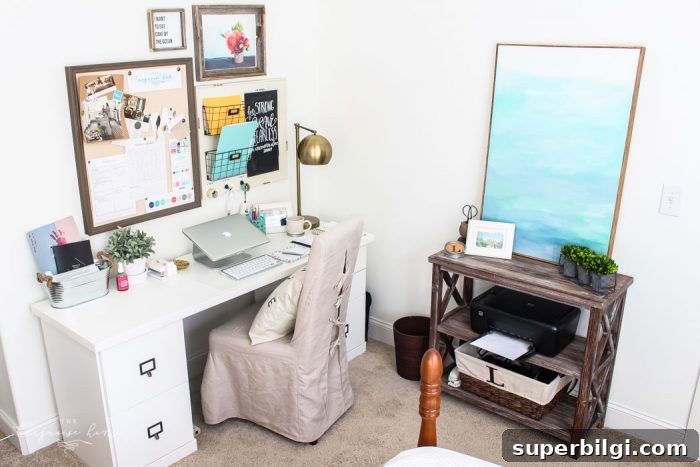
The end result should be a room that looks good and supports how you want to live and work. It’s freeing to have a space that’s functional and beautiful.
How to Keep Your Home Clutter-Free
After the big declutter, maintain systems that prevent clutter from returning.
1. Toss Trash Immediately
When you see something that should be thrown away, take it out right away. Leaving small trash items around encourages bigger piles to grow.
2. Deal with Piles Quickly
When piles start forming, address them promptly. A quick ten-minute sort can prevent a weekend-long project later.
3. Schedule Regular Declutter Time
Set aside weekly or monthly time for quick refreshes. Tackle one drawer, shelf, or small zone at a time so upkeep doesn’t become overwhelming.
Room-by-Room Decluttering Tips
Create a checklist for each room—tackle one area at a time for faster progress.
The Kitchen
- Junk Drawer: Clear everything and keep only daily essentials.
- Refrigerator: Remove everything, clean, and return only items you’ll use.
- Pantry: Remove expired items and organize the rest by category.
- Countertops: Keep only necessary or attractive items; visual clutter creates mental clutter.
The Bedroom
Make this a calm retreat. Keep nightstands minimal and commit to cleaning one dresser drawer at a time until everything fits neatly.
Closets
Curate your wardrobe at least once a year. Try rules like “one in, one out,” or place uncertain items in a bin with a six-month reminder to revisit them.
The Living Room
Use storage furniture and baskets to hide toys, electronics, and miscellaneous items. Keep remotes and controllers in a single spot so they don’t disappear.
The Bathroom
Discard expired products, organize cabinets and linen closets, and keep only the toiletries you use daily. Decant shower products into larger pump bottles for a streamlined look.
Take the 30-Day Decluttering Challenge
If you want guided support, consider a structured challenge that delivers one short decluttering task a day for 30 days. Small, consistent actions add up to a transformed home and less stress.
More organizational posts you may like:
- How to Organize Your Junk Drawer in 15 Minutes
- How to Organize a Pantry
- Five Smart Kitchen Organization Tips
- Organized Arts & Crafts Storage Ideas
- 20 Best Mudroom Ideas