
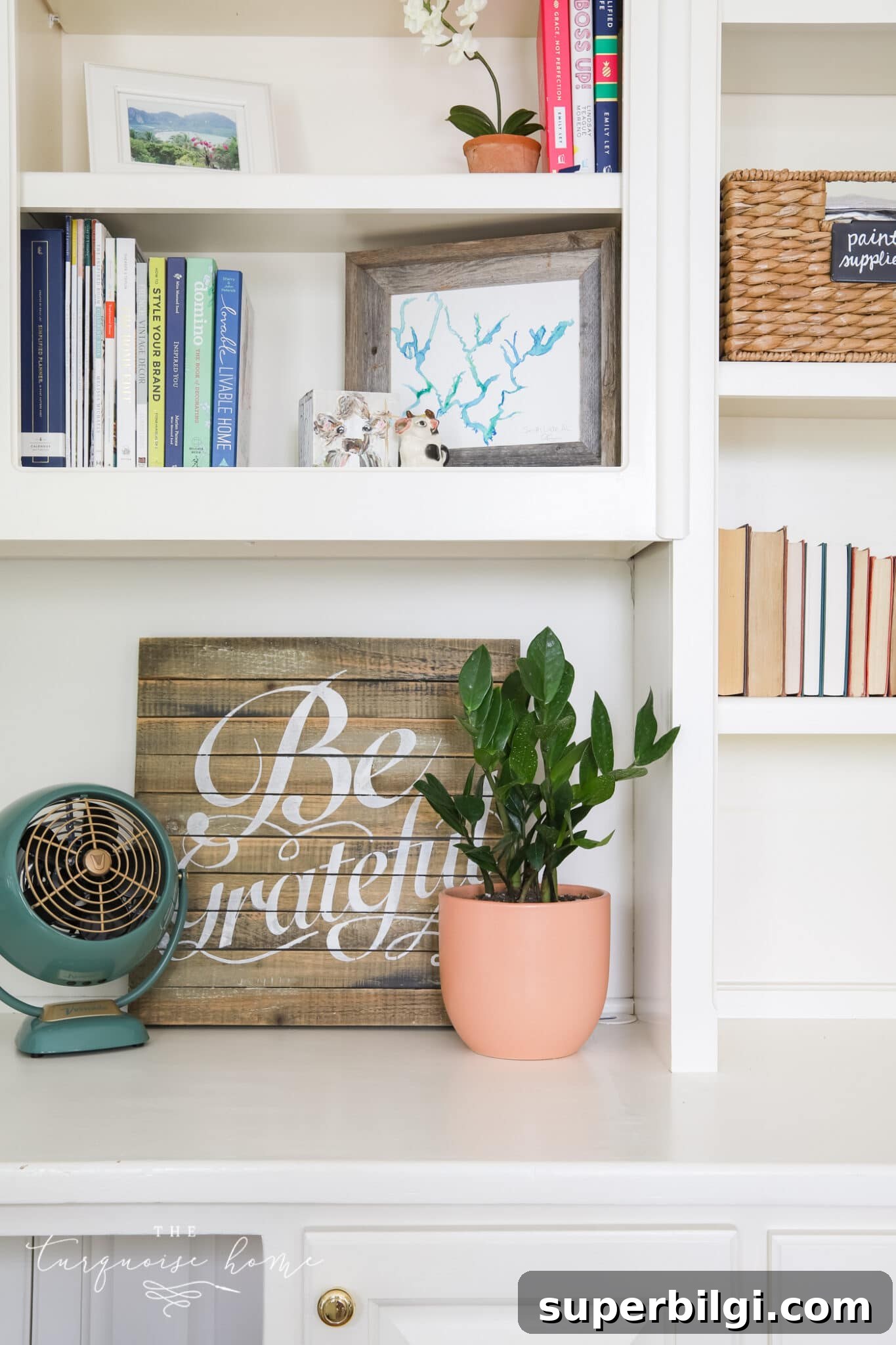
If you want practical, multipurpose decorations for your home, houseplants are a perfect choice. The right houseplants not only beautify your space but can improve air quality and make your home a calmer, more welcoming place to relax.
Houseplants have grown increasingly popular in home decor, and for good reason: they add texture, color, and life to any room. If you’re new to caring for live plants or don’t consider yourself especially green-fingered, there are many forgiving varieties that thrive with minimal attention. Below I’ve gathered easy-to-care-for houseplants and practical tips so even beginners can enjoy the benefits of indoor greenery.
If you prefer the look of plants without the maintenance, high-quality faux plants are a fine alternative. But for anyone ready to try live greenery, there are several species that tolerate low light, irregular watering, and other common beginner mistakes. Many of these plants are also known for air-purifying properties—NASA’s Clean Air Study identified several houseplants that can help improve indoor air quality—making them both attractive and functional additions to your home.
Easy Indoor Plants For Your Home
Below are three of the most durable, low-maintenance indoor plants you can bring into your home. These varieties are especially well-suited for beginners: they tolerate neglect, low light, and inconsistent watering. They’re ideal if you want to add greenery without a steep learning curve.
Note: some plant varieties are toxic if ingested. Keep plants out of reach of small children and pets when necessary.
Pothos (AKA Devil’s Ivy)
Pothos is a trailing, vining plant that works well in standard pots or hanging baskets. It is one of the most adaptable houseplants and performs well in a variety of lighting conditions, from low to moderate indirect light. Pothos varieties include several attractive leaf patterns and colors, allowing you to mix and match while keeping care simple.
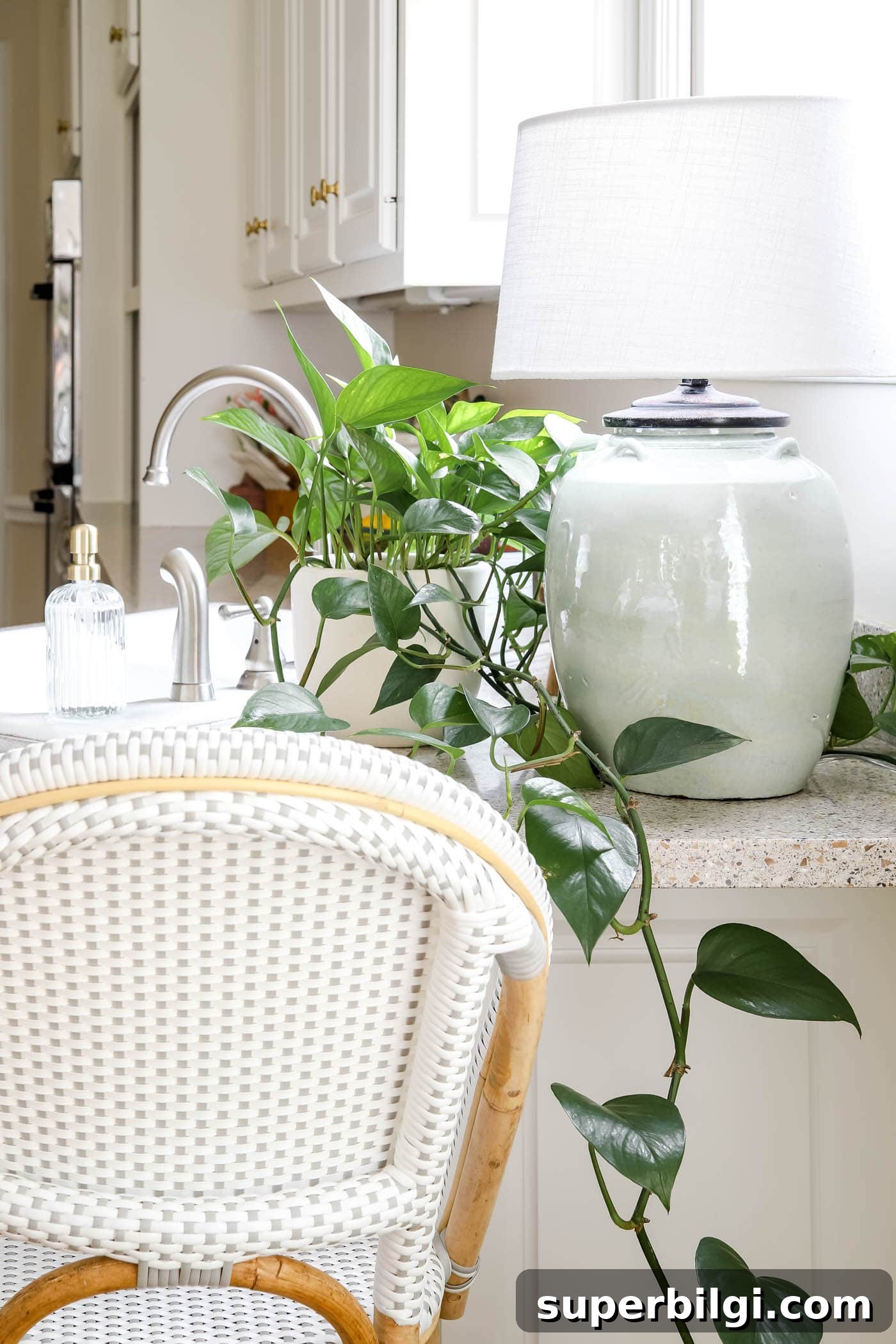
Light: Moderate indoor light is ideal (east- or west-facing windows), though pothos tolerates low light.
Water: Allow the top inch of soil to dry between waterings. Drooping leaves are a reliable sign it needs water.
Fertilizer: During the growing season, a balanced liquid houseplant fertilizer once a month supports steady growth.
Notes: Pothos is toxic if eaten, so place it away from pets and young children.
Snake Plant
The snake plant (also called mother-in-law’s tongue) has tall, upright leaves that add a striking architectural element to a room. As a succulent, it is remarkably resilient and handles neglect, fluctuating temperatures, and varied light conditions better than many other houseplants.
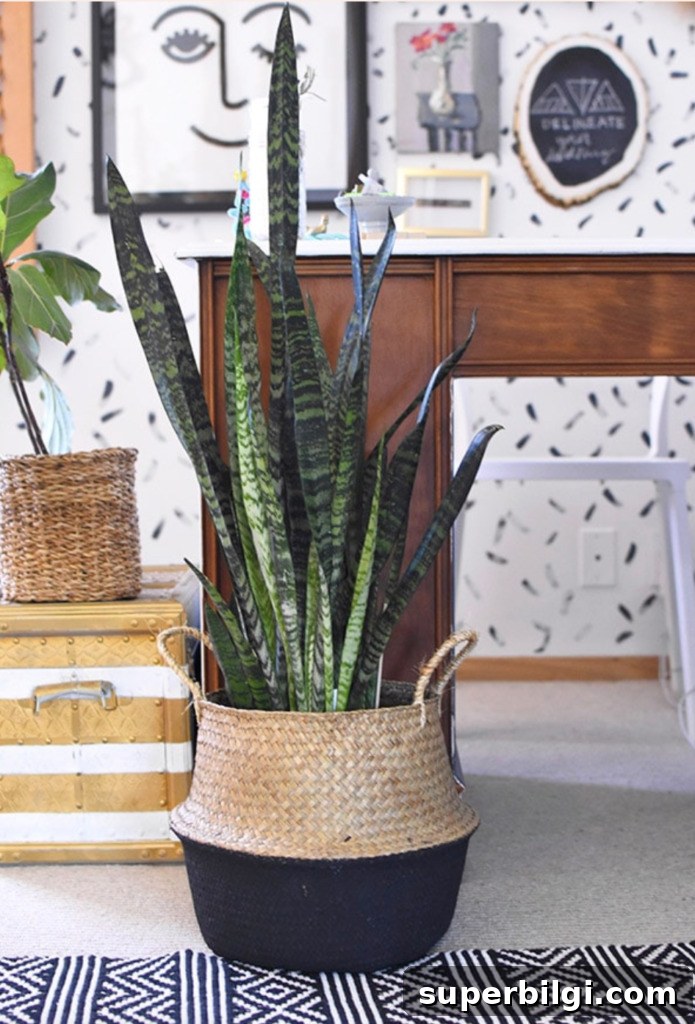
Light: Prefers medium to bright indirect light but tolerates low light well.
Water: Water sparingly; allow the soil to dry completely between waterings.
Fertilizer: Feed with a balanced liquid fertilizer monthly during the active growing season.
Notes: Leaves are poisonous if ingested, so avoid placing snake plants where pets or children might chew on them.
ZZ Plant
The ZZ plant is famed for its tolerance of low light and irregular watering. With glossy, upright pinnate leaves, it adds lush, tropical texture to shelves, desks, or corners. ZZ plants are slow-growing and forgiving, making them an excellent first plant for someone with limited time or experience.
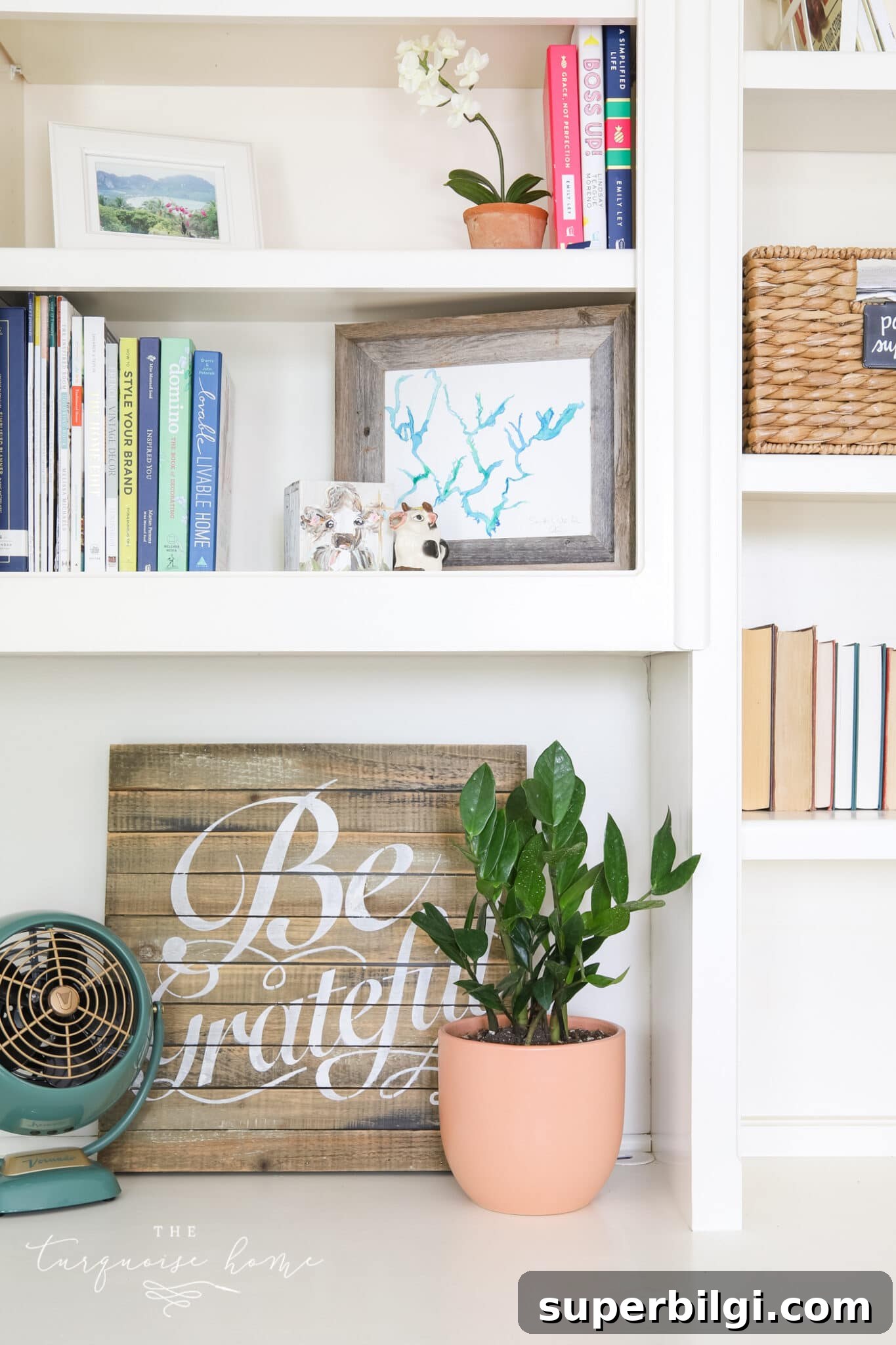
Light: Prefers moderate light but adapts well to low light.
Water: Water roughly every 2–3 weeks, allowing the soil to dry fully between waterings.
Fertilizer: Apply a balanced liquid fertilizer once a month during the growing season for best results.
Where to Buy Easy House Plants Online
Many plant retailers sell healthy starters and attractive planters, and marketplaces offer a wide selection as well. For many people, the most convenient—and often most affordable—options are local grocery stores and big-box retailers. Independent nurseries usually offer a broader selection and the opportunity to ask care questions if you prefer personalized guidance.
More Places to Buy Your Indoor House Plants
Local garden centers and plant nurseries frequently carry resilient beginner plants like pothos, snake plant, and ZZ plant. When shopping, check the leaves, stems, and potting mix for signs of good health: firm stems, vibrant leaves, and well-draining soil are all positive indicators.
Important Tips For Indoor House Plant Care
House Plant Problems To Watch For
Yellow or brown leaves can mean one of two things:
- Natural aging: Older leaves turn yellow and then brown as they die off. This is normal and usually affects only a few leaves at a time.
- Overwatering or root trouble: If new leaves yellow or brown, overwatering and root rot are common causes. Letting soil dry and checking roots can help identify and resolve the issue.
White spots or visible bugs indicate pests or infestation. To treat:
– Move the plant outdoors if possible.
– Spray gently with plain water or a mild solution (mostly water with a small amount of neem oil or a couple of capfuls of apple cider vinegar and a drop of dish soap).
– Wipe leaves clean and let the plant dry in a sheltered spot for a few hours before returning it indoors.
When You Should Fertilize Your Plants
Most houseplants have active growth seasons (typically spring through early fall) and dormant periods in cooler months. Fertilize during active growth to encourage healthy development, and reduce or stop feeding during dormancy to avoid stressing the plant or burning roots.
Essential Houseplant Accessories
A few simple tools make plant care easier:
- Balanced liquid houseplant fertilizer for monthly feeding during the growing season.
- Self-watering pots for busy schedules or when you travel.
- Shelves or plant stands to maximize a bright spot in your home.
- Soil moisture and light meters if you want precise feedback on growing conditions.
Choosing the right houseplants can transform your indoor environment. Start with one or two low-maintenance varieties, learn how they respond in your home, and gradually build a collection that suits your space and lifestyle. With a little attention and the right choices, even novice plant owners can enjoy thriving indoor greenery.
More posts you may like:
- How to Plant Flowers in a Pot, Planter or Container
- Where to Buy the Best Fake Plants
- Simple DIY Wood Planter Box
- How to Get Rid of Gnats in House Plants
- A Flower Shop Spring Home Tour