
Welcome to Day 28 of the 30 Days to Less of a Hot Mess Challenge! Today we’re focusing on kids’ clothing organization — decluttering, reorganizing, and making small changes that save time and reduce daily chaos. If you’re new to the challenge, consider starting at the beginning to follow the full plan. This post shares practical strategies I’ve used over the years to keep children’s closets and drawers under control, including a hand-me-down system that actually works for a busy family.
One area that frequently needs attention is kids’ clothes. Between rapid growth spurts, seasonal changes, and sentimental items, it’s easy for drawers and closets to become overwhelming. I’ve found several simple routines and storage solutions that make it easier to keep things tidy and accessible for the kids themselves. These tips are meant to be realistic and repeatable, so you can implement them without feeling like you need a full weekend project.
5 Top Tips for Kids Clothes Organization
1. Keep It Where They Can Reach It
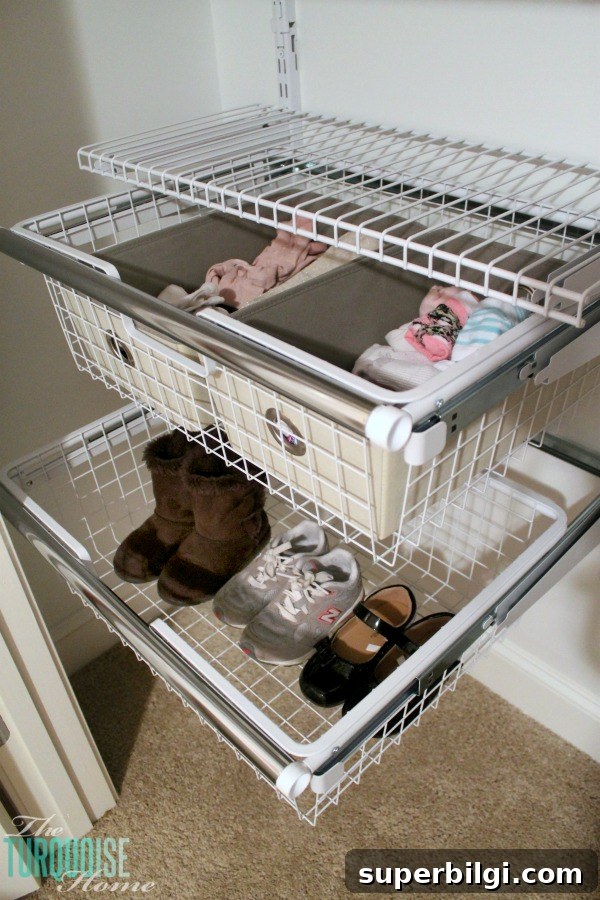
Make independence part of your organization plan. Place everyday items—underwear, socks, pajamas, and frequently worn tops and bottoms—at a height your child can access. A lower hanging bar for dresses and a low drawer for pants and t-shirts encourages kids to dress themselves and to put laundry away.
When children can reach their clothes, mornings run smoother and the responsibility encourages them to take care of their things. If you have room to add an easy-to-reach drawer or a lower rod in a closet, it’s one of the best investments for long-term ease.
2. Divide It Up
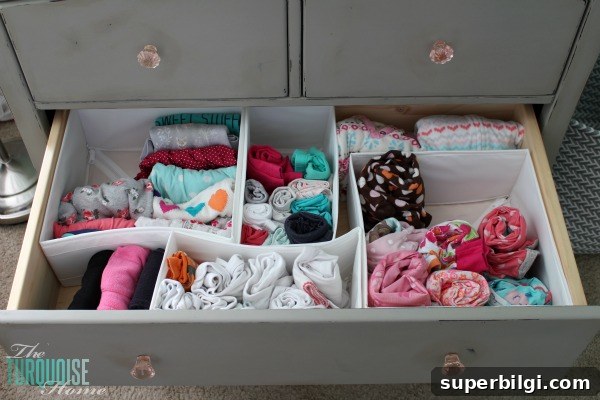
Drawer dividers are a small change with a big payoff. Using simple fabric or plastic organizers turns jumbled drawers into labeled sections for socks, underwear, tees, and leggings. When everything has a designated place, it’s easier to find items quickly and to notice when something is missing.
Products like IKEA Skubb drawer organizers or any inexpensive divider work well. The visual separation helps children learn where to put things back and reduces the time spent searching for lost items at the bottom of a drawer.
3. Set Out Their Clothes for the Week
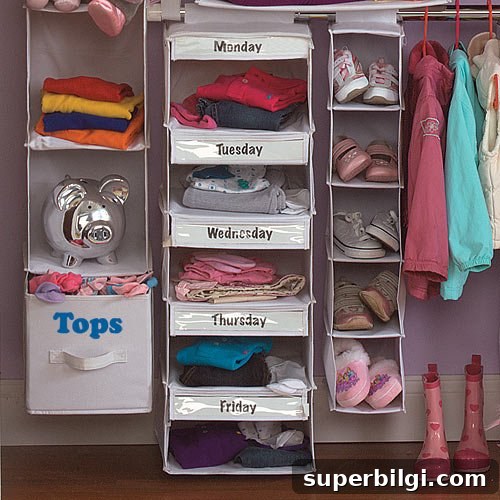
If your child is able to dress independently, consider setting out outfits for the week. A simple “days of the week” organizer or a row of labeled hangers makes mornings predictable and reduces decision fatigue. This is especially useful on busy school mornings or when parents need to streamline routine tasks.
Preparing a week’s worth of outfits also helps you monitor what’s actually being worn and can make laundry planning more efficient.
4. Keep Storage Out of Reach
For sentimental items and seasonal clothes you want to save, store them up high or out of reach of curious little hands. If children can access old baby outfits or out-of-season pieces, they’ll inevitably pull them down to reminisce or play. Keep preserved items on higher closet shelves or in clearly labeled bins so they stay clean and intact.
Keeping storage out of reach also prevents accidental damage and helps maintain a tidy, functional space for daily use.
5. Create a System for Hand-Me-Downs
Hand-me-downs are both a blessing and a challenge. Deciding what to keep, sell, or donate saves space and money—but it requires a consistent system. After each season, sort clothing into clear categories so decisions don’t pile up and become overwhelming.
For our family, this system was critical because my two daughters are close in age: their birthdays are only six days apart, so hand-me-downs actually get a lot of use. If you plan to have more children or if you receive a lot of gifted items, keeping a careful selection of high-quality pieces makes sense.
My Rules for Hand-Me-Downs
I sort out kids’ clothes into three main piles and follow a few simple rules to keep things manageable and useful:
- The Trash Pile: Items with significant stains, holes, or irreparable damage go here. If a piece is only lightly stained and could be used for messy play, I might keep it for that purpose; otherwise, it’s time to let it go.
- Consignment or Sell Pile: Clothes that are in good condition but not favorites get sold at consignment or online. I’m selective—if I don’t absolutely love an item or if it’s already been used by multiple children, I usually sell it to recoup some money for new or necessary purchases.
- The Keep Pile: These are the items I truly love and want to pass on. I keep a narrow, curated selection of favorites to reuse for future children.
- Tip: Pajamas are worth saving unless they’re completely worn out. They’re more expensive than they look and are fine to reuse even if they show some wear, because they’re used only at home.
After sorting, I store my keep pile in plastic tubs inside a closet rather than the attic. Attic storage can cause yellowing and fabric damage over time, so keeping these items in a climate-controlled space preserves them better.
Quick Action Step: Choose one child’s dresser or closet today. Remove items that are too small, sort into the three piles above, and put daily-use clothes within reach. Small, consistent steps beat occasional deep cleans.
In the mess with you,
Laura
More posts you will love:
- Organizing Kids’ Art and Memorabilia
- Beginner’s Guide to Doing Disney World with Little Kids
- 6 Tips to Keep the Kid Clutter in Check
- Under the Bathroom Sink Storage
- How to Organize the Playroom Before the Holidays