
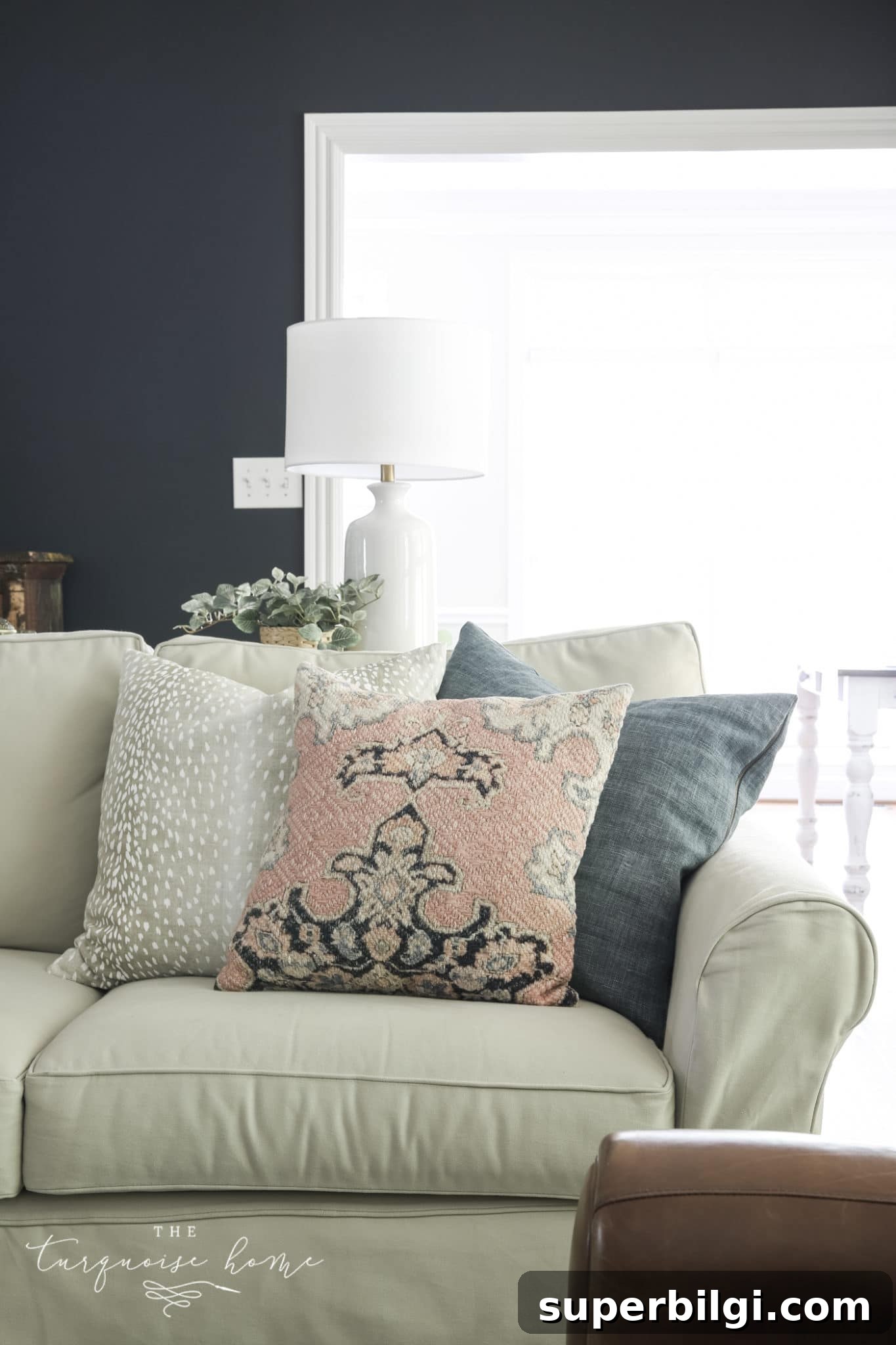
What’s the secret to making your couch’s throw pillows look amazing? It all comes down to the right sizes, colors, textures, patterns and a few styling basics. In this Throw Pillows 101 guide, you’ll find clear, practical tips to style sofa pillows beautifully and effortlessly.
Throw pillows are more than decorative extras. They tie a room together by introducing color, pattern and texture while adding comfort and personality to your seating. A neutral sofa becomes a flexible canvas when you swap in pillows to change the mood, season or color scheme.
Pillows are one of the easiest and most affordable ways to refresh a room. Buy a neutral sofa and use throw pillows to add color, pattern and texture—then change them whenever you want a new look.
When choosing sofa pillows, focus on five key elements: size, color, texture, pattern and shape. Once you decide on those elements, arranging the pillows on your couch becomes simple and intentional.
Let’s get started with the fundamentals.
This post contains affiliate links for convenience. See full disclosure policy for details.
Your Guide to Picking The Perfect Sofa Pillow
Throw pillows should enhance and complement your furniture without overwhelming it. Keep these factors in mind as you choose pillows for your sofa:
Size
Square throw pillows usually come in even sizes from 16″ x 16″ up to 24″ x 24″. Rectangular lumbar pillows commonly range from 12″ x 18″ to 12″ x 24″. Size matters in proportion to your furniture—small sofas look best with smaller pillows, while larger sofas and sectionals can handle 22″–24″ squares.
For a full, tailored look, choose inserts that are about 2″ larger than the cover size (for example, use a 24″ insert for a 22″ cover). That keeps pillows plump and avoids a floppy appearance.
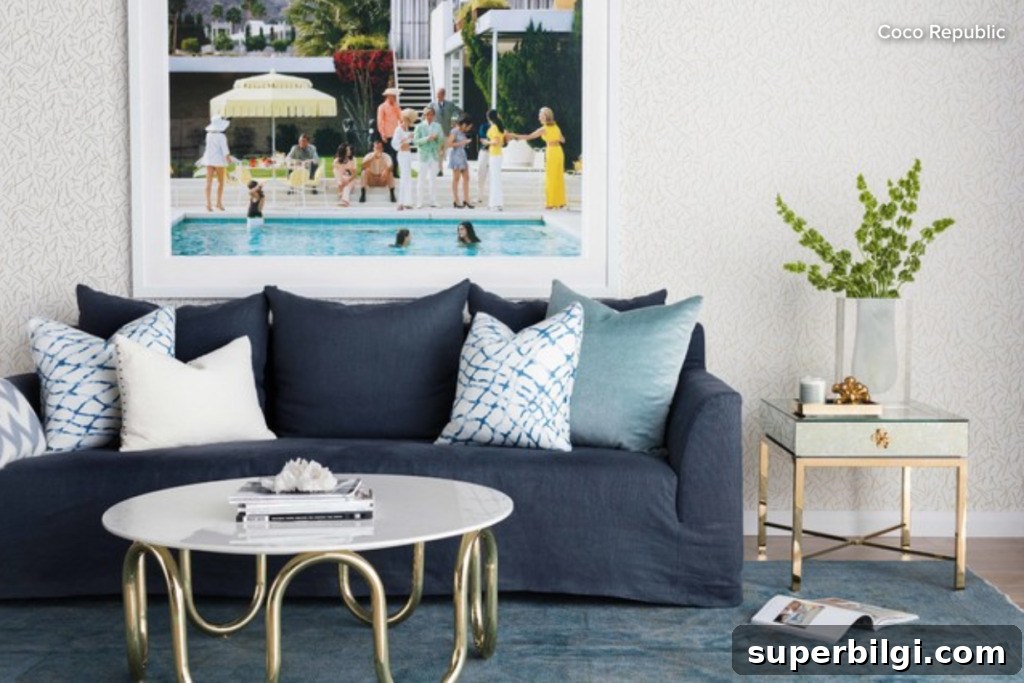
In the example above, the pillow sizes are balanced with the sofa—neither too large nor too small—creating a pleasing proportion.
Color
Color will be the element most viewers notice first. Select pillows that complement your sofa and the room’s palette. You can choose colors that blend subtly with the sofa or colors that contrast for more visual interest. For cohesive styling, pull colors from other decor elements—rugs, artwork or accessories—so the pillows feel intentional rather than random.
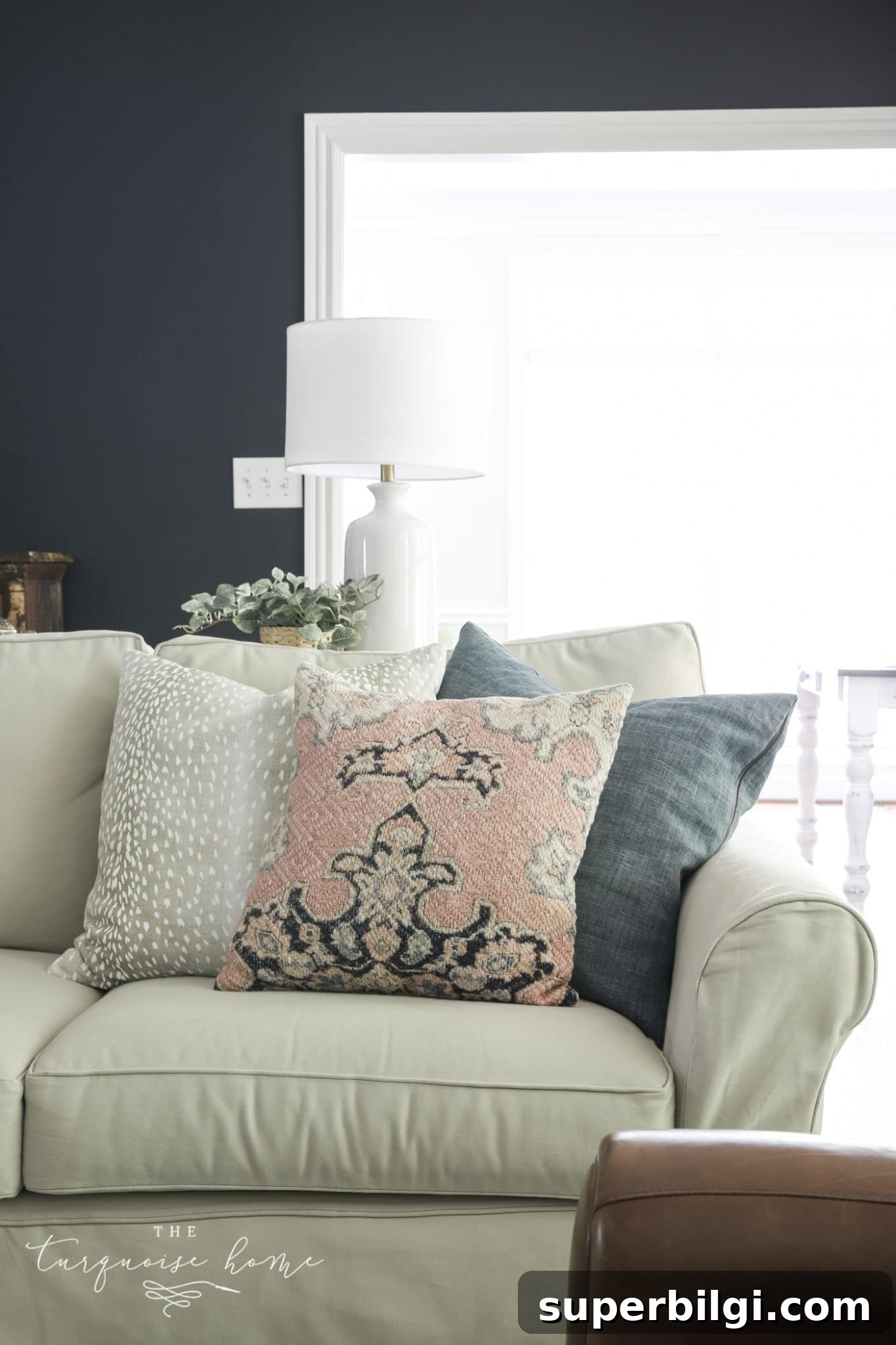
Texture
Texture adds depth and tactile interest. Combine smooth linens with chunky knits, faux fur, fringe, tufting or embroidered trims to create layers. Texture is especially important in monochromatic schemes where color contrasts are minimal—textures do the work of adding dimension.
Seasonal swaps—cozy faux fur or cable knits for winter, lightweight linen or whip-stitched edges for summer—keep your living room feeling current without a full redesign.
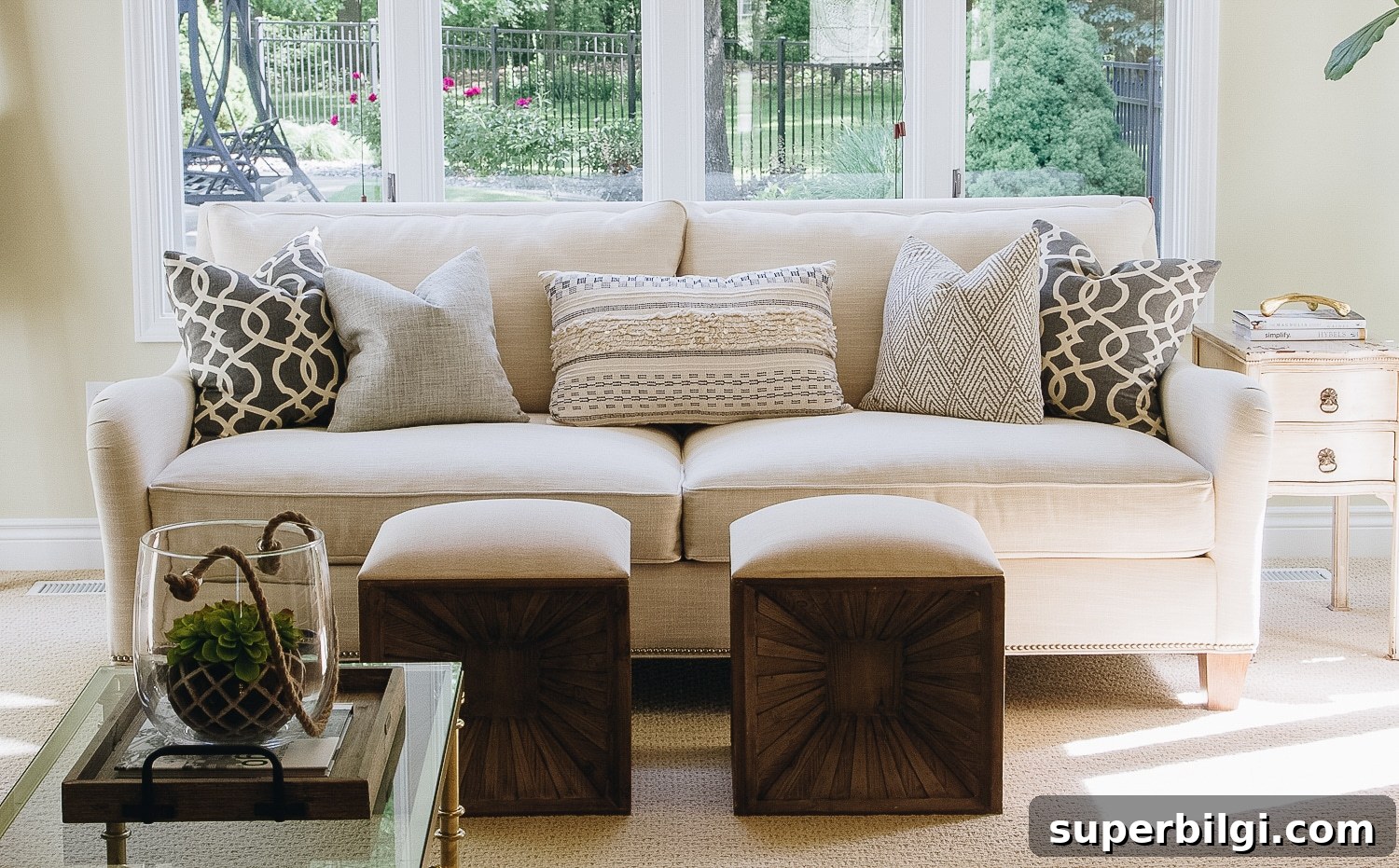
Here, varied sizes and textures give a plain sofa more character and depth.
Pattern
Patterns are a fantastic way to introduce personality. To create a balanced grouping, combine large-scale prints with smaller-scale patterns and solids. A reliable formula:
- Start with one multi-colored, floral or statement pattern.
- Add a large-scale print or a solid in one of the pattern’s dominant colors.
- Finish with a smaller-scale pattern in a different coordinating color from the first pillow.
This mix keeps patterns from competing and helps them read as a coordinated set. If you want to be bold, let one pillow be the focal point and balance it with more muted companions.
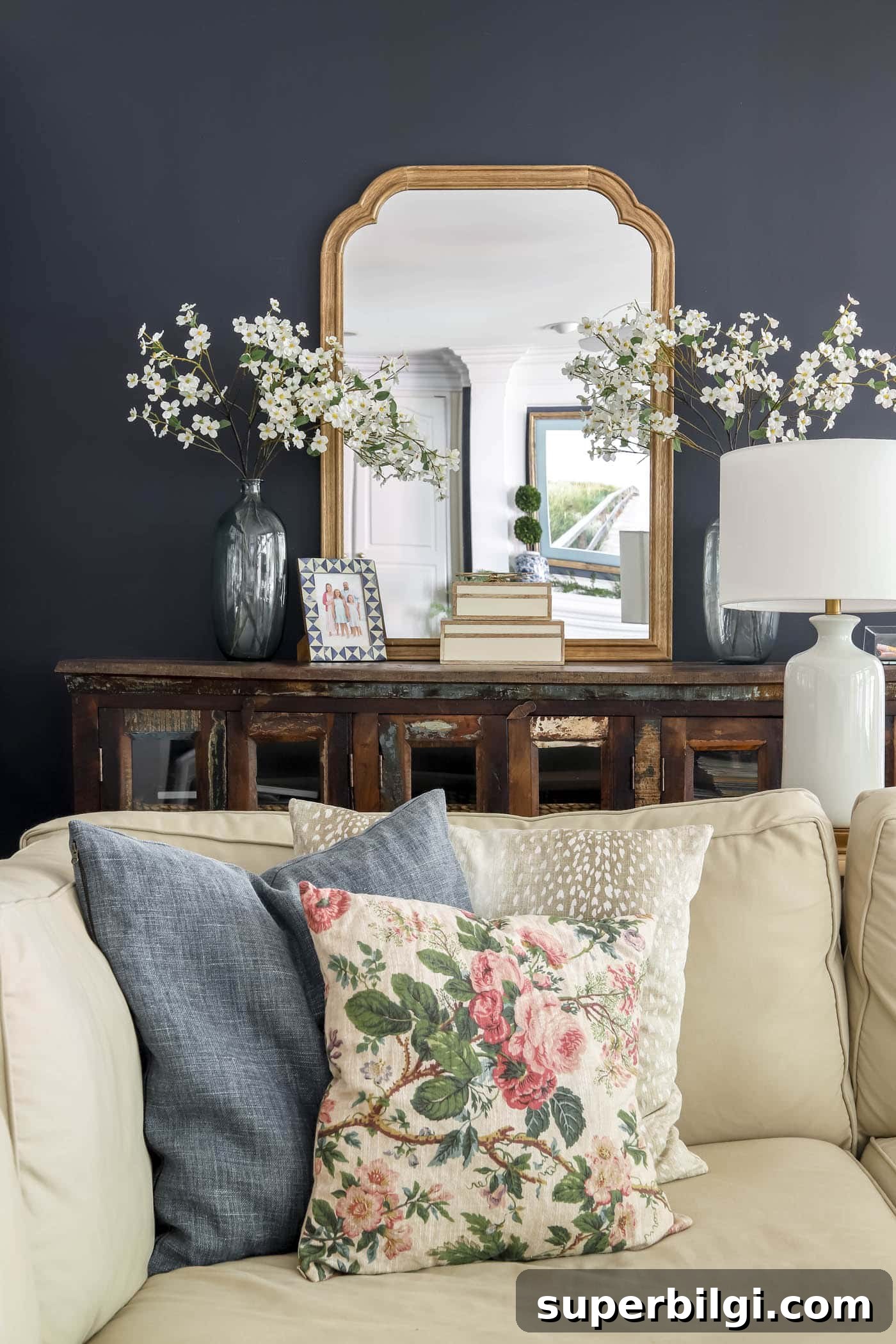
This living-room example shows how contrasting patterns and solids can be combined to create a unified, stylish look.
Shape
Most pillows are square, but rectangular lumbar, bolster and round pillows are useful for variety. Shape influences formality and comfort: squares and rectangles feel casual and cozy, while bolsters and rounds can feel more formal or decorative. A common approach is to use square pillows in the back and finish with a rectangular pillow in front for added interest.
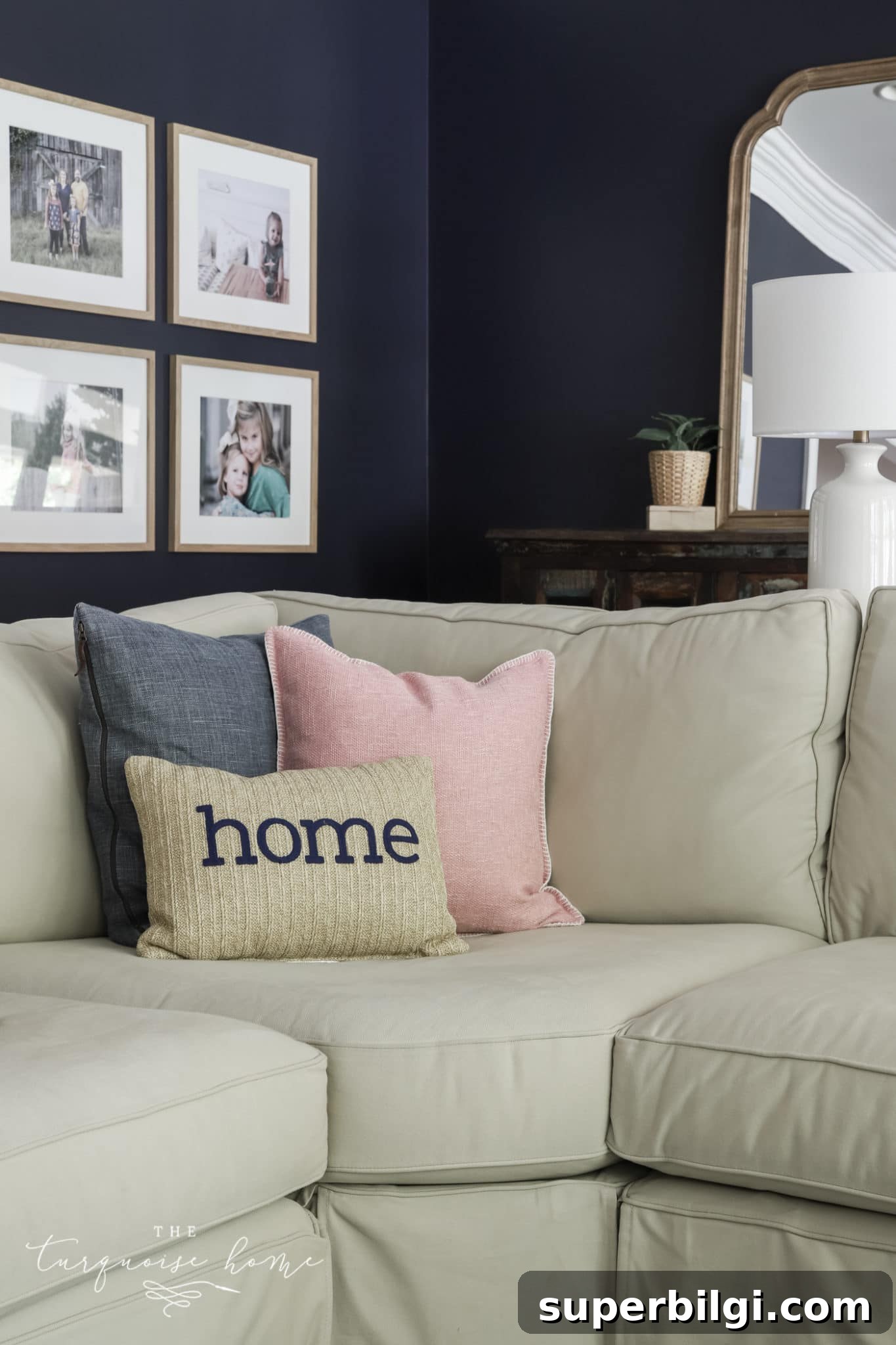
How to Style Sofa Pillows
Here are practical styling tips that yield a polished, comfortable look:
- Follow the rule of odd numbers—groups of three or five pillows usually read best and feel balanced.
- Start by placing the largest pillows at the back corners. Layer smaller pillows in front and finish with a rectangular lumbar pillow in the center or at the corner for sectionals.
- Offset layers slightly for a relaxed, lived-in look instead of lining everything up perfectly.
- Vary scale and texture: a large patterned pillow, a mid-sized solid or bold stripe, and a small textured accent create a pleasing combination.
Sofa Pillow Combination Ideas
A classic arrangement: two large 22″–24″ square pillows at the back corners, two slightly smaller square pillows layered in front, and a rectangular pillow as the finishing touch. This creates depth and keeps the grouping cohesive.
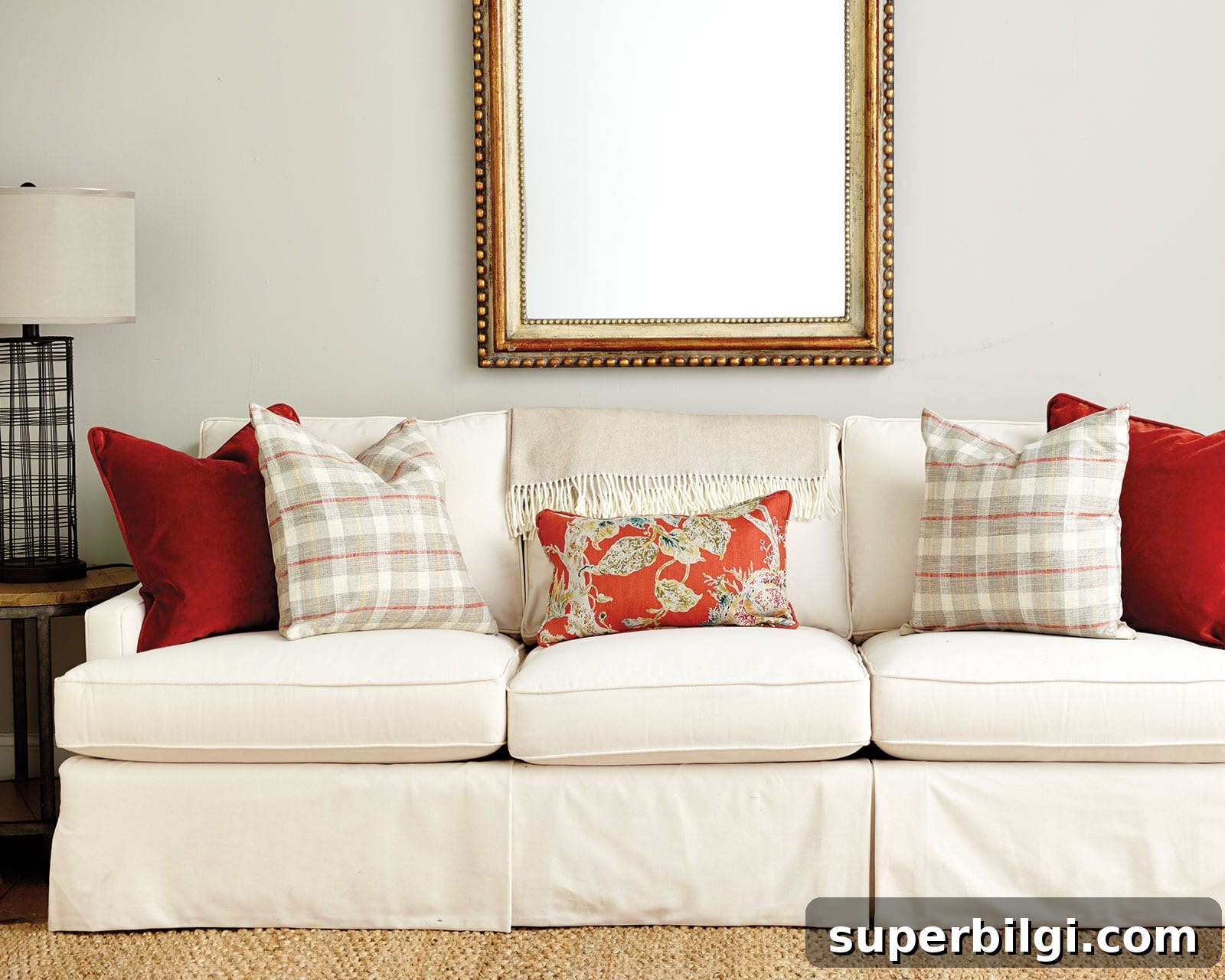
Sectional Sofa: Sizes and Arrangement
On sectionals, use two large pillows on the outer sides and layer a slightly smaller pillow in front. In the corner, place the largest pillow in back, a medium pillow in front of it, and a rectangular pillow at the very front to create an inviting, layered corner.
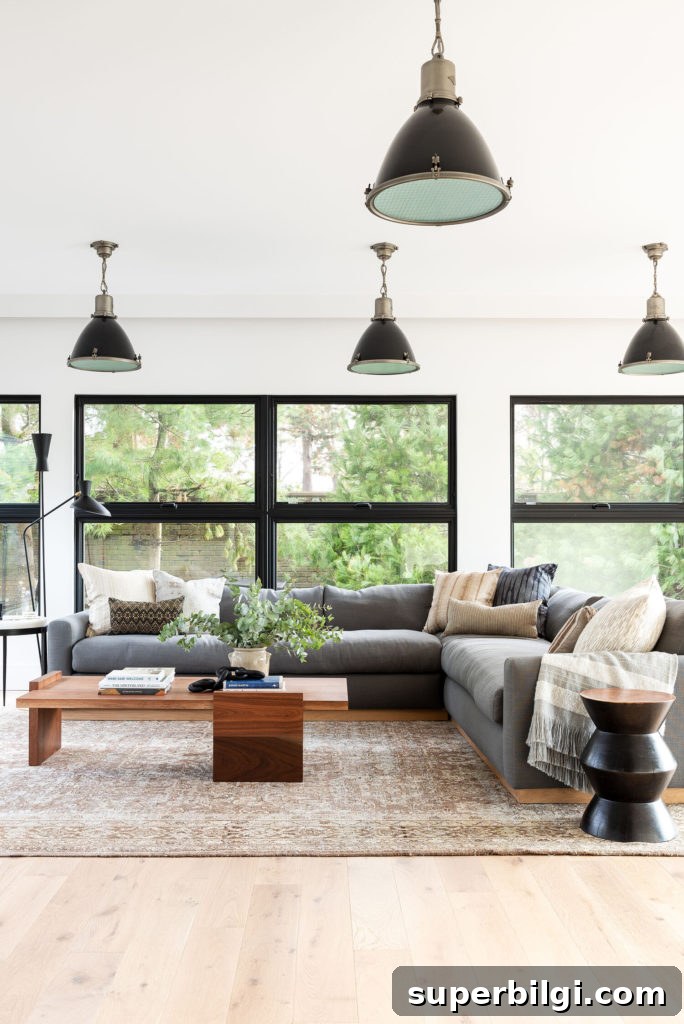
With these simple guidelines—right sizing, coordinated color, interesting texture, balanced patterns and thoughtful placement—your throw pillows will transform your sofa and refresh your room. When you want a new look, swap in different colors, textures or patterns to create an entirely new atmosphere.
More Home Decorating Posts You Will Love:
- Learn how to make your own pillow covers
- Where to find great, affordable pillow covers
- Scalloped home decor ideas that feel fresh
- Simple and effective hallway decor ideas
- Popular paint colors to consider for a cohesive home palette