
Recovering from abdominal surgery? These 10 practical recovery tips and essentials made my healing smoother, more comfortable, and less stressful.
I recently had a robotic hernia repair for an umbilical and incisional hernia related to a C-section and pregnancy from over a decade ago. I never had severe pain from the hernias, but they were persistent and getting in the way of daily life. My doctor recommended repair, and I’m so glad I did — it feels great to have the surgery behind me and to be on the mend.
Surgery is never fun (this was my fifth), but having a few thoughtful items and routines in place makes a huge difference. This recovery has felt smoother than previous experiences, and I want to share what helped me most so it might help you too.
1. Adjustable bed and extra pillows
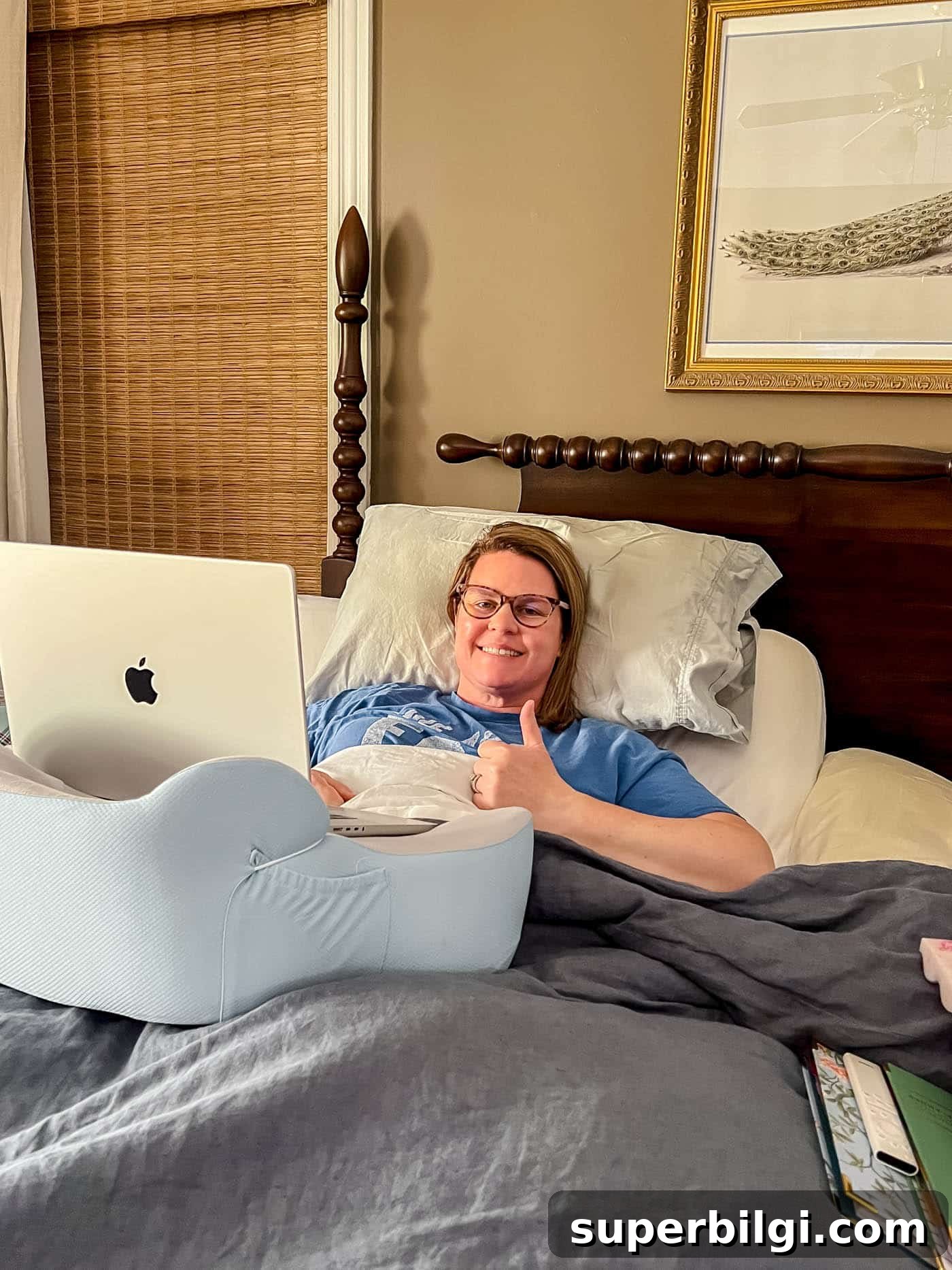
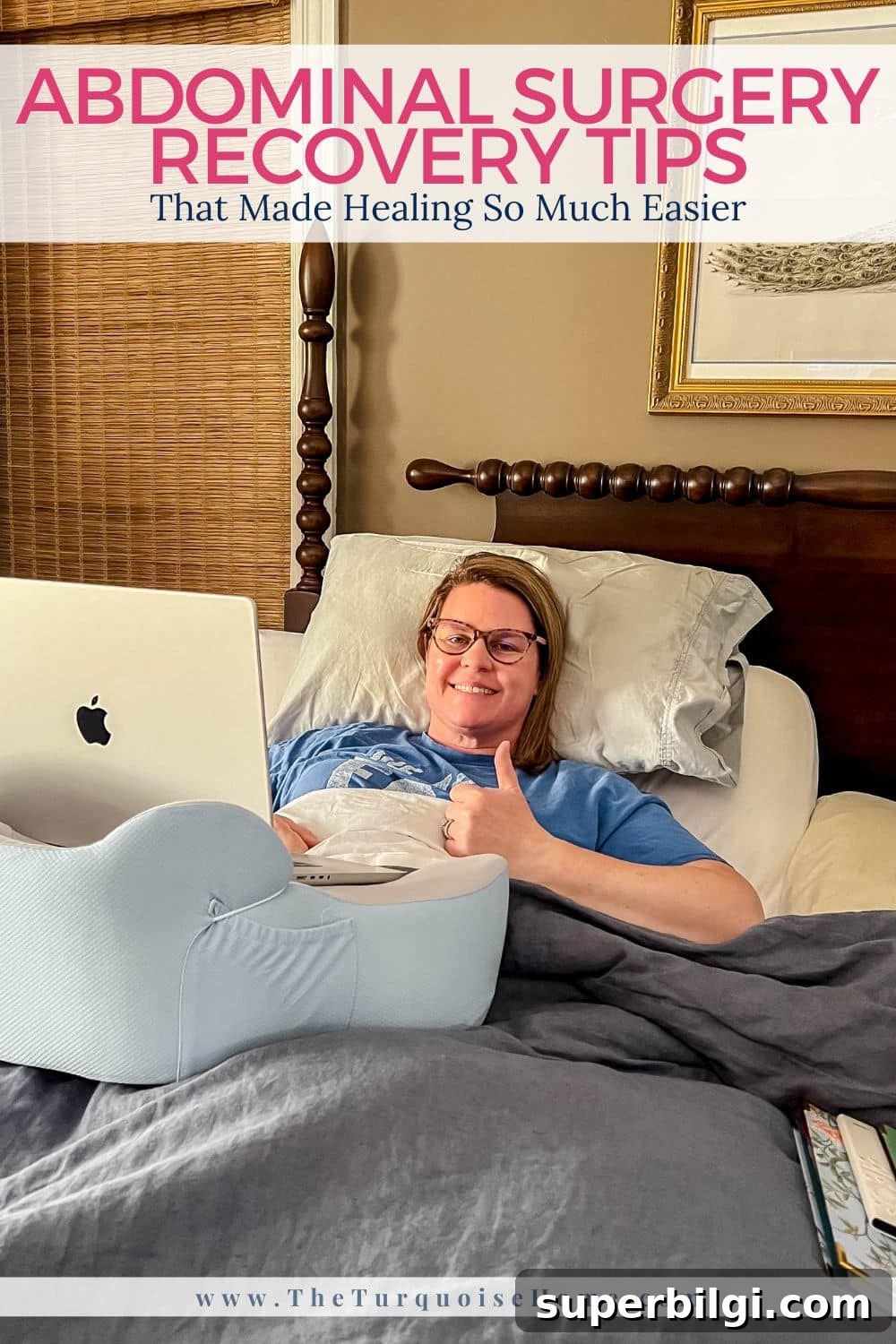
If I could recommend only one thing for abdominal surgery recovery, it would be an adjustable bed. Being able to elevate your head and legs separately made resting much more comfortable and helped me sleep better. We have a split king so I could raise my side while my partner slept flat — ideal.
I also used extra pillows for support: one behind my back and a couple on each side. When I was able to sleep on my side, I wedged myself between pillows to keep everything supported. If a new bed isn’t possible, a wedge pillow or several supportive throw pillows can provide the elevation and support you need.
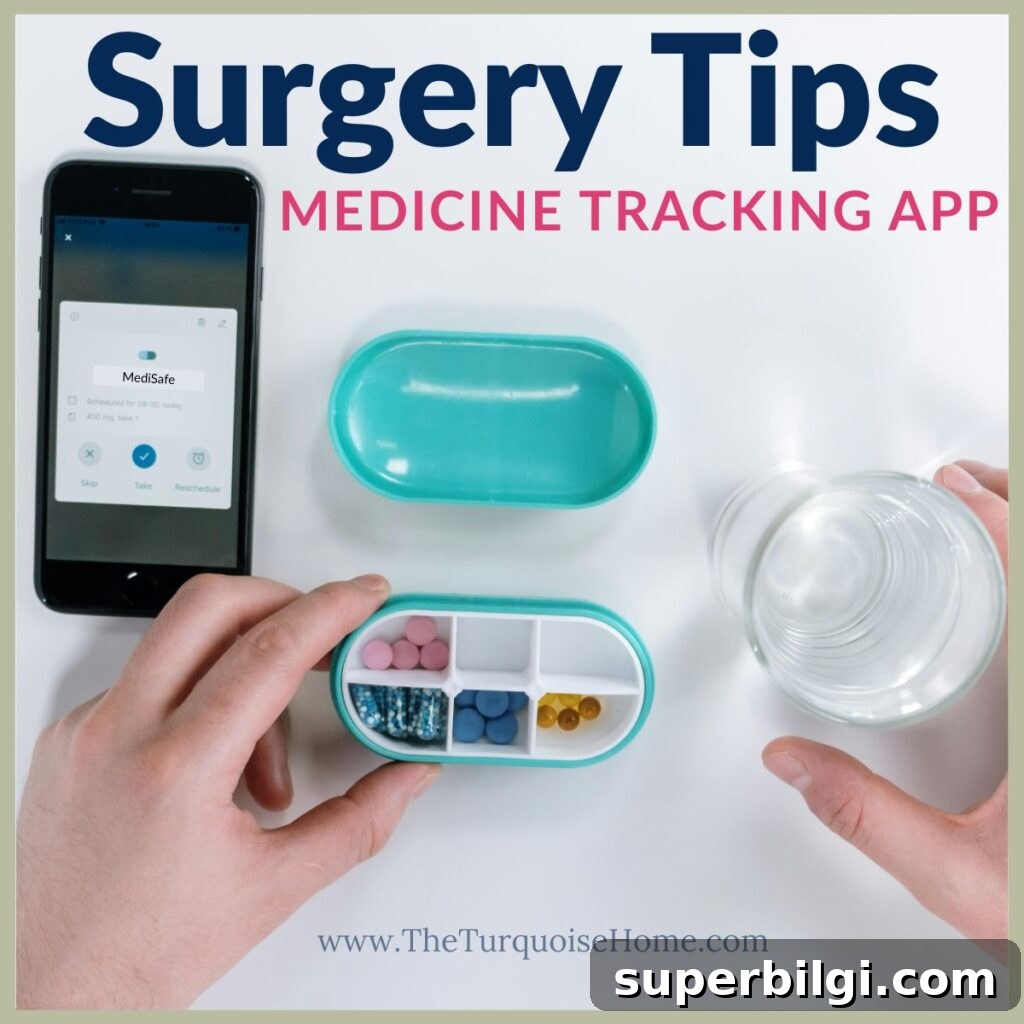
2. Medication tracking app
Coming home from the hospital, I had 4–5 medications on different schedules and couldn’t rely on memory alone. A medication tracking app that reminds you when to take each dose and checks for interactions is a lifesaver. It brought peace of mind and helped me stay consistent with pain control and antibiotics.
3. Stretchy, comfortable clothes
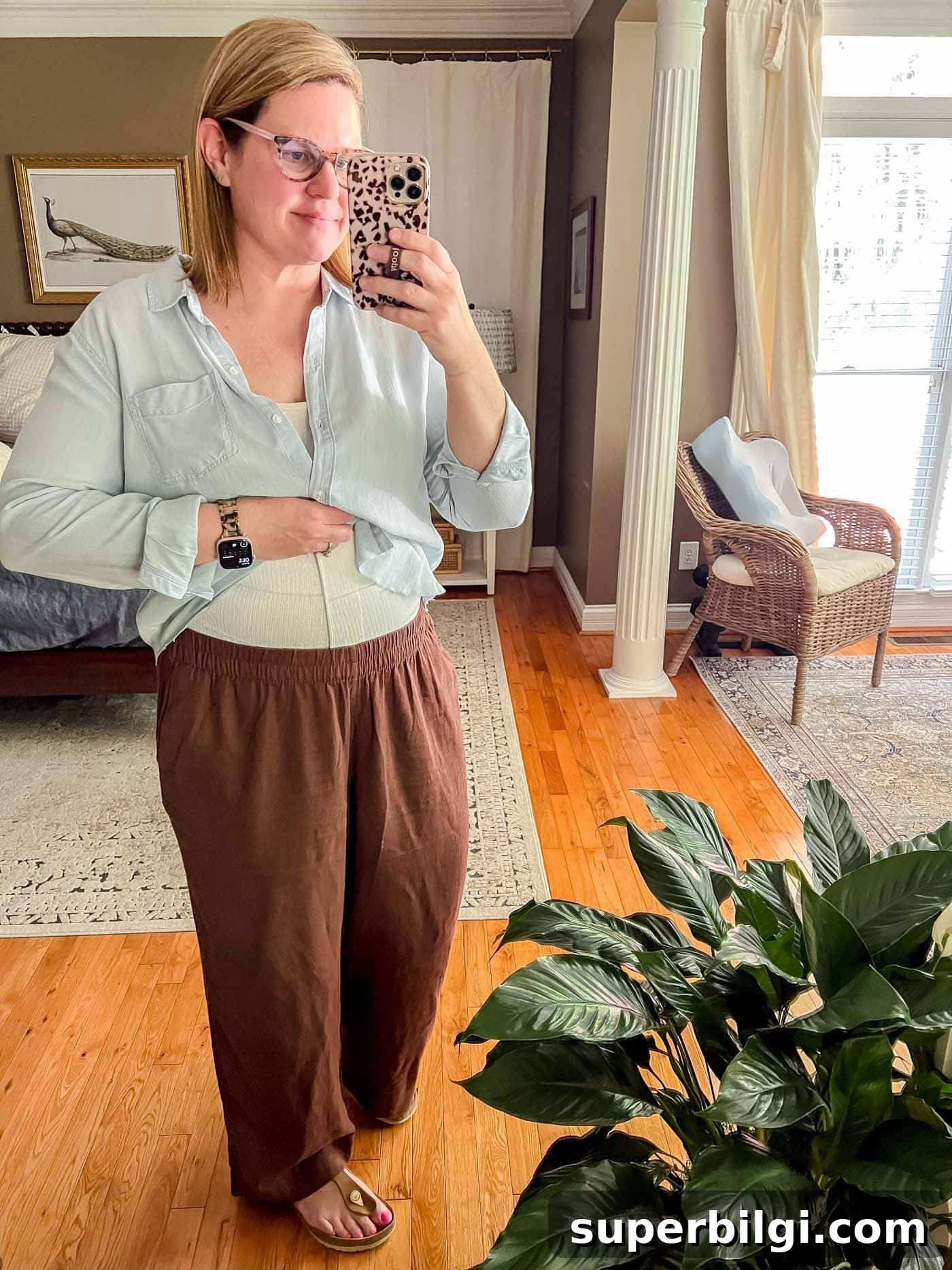
Tight waistbands are not your friend after abdominal surgery. I lived in stretchy lounge pants, soft leggings, roomy tops, and slip-on shoes during the first few weeks. A couple of nicer-looking but soft, stretchy pants made me feel a bit more put together when I had to be out and about without sacrificing comfort.
4. Abdominal binder (supportive band)
The binder the hospital provided was a game changer. Wearing it nearly nonstop (except for showers) made movement feel so much more supported and comfortable. I wore a soft tank top beneath it to prevent chafing. In hindsight, I wish I had used one of these after earlier surgeries — it truly makes a difference in comfort and confidence while moving around.
5. Ice packs
Ice is simple but incredibly effective for reducing swelling and tenderness. I used a large ice pack across my abdomen whenever I felt inflamed or sore. Having an appropriately sized pack ready before surgery is smart — it’s something you’ll use frequently in the first days and weeks.
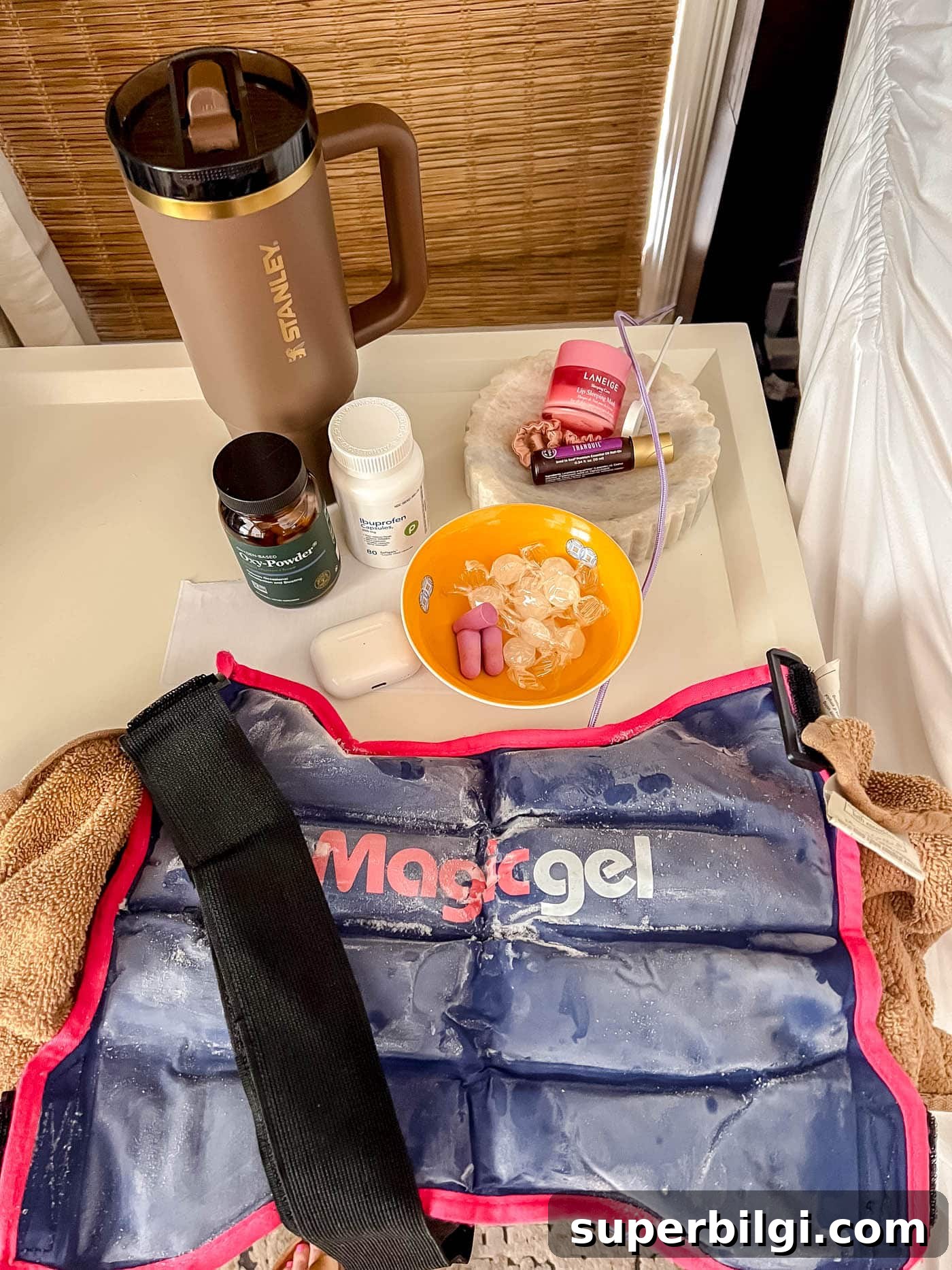
Having a nightstand with a lip around the edge was handy for keeping water, medications, and an ice pack within reach without risking spills.
6. A grabber tool
When bending is off-limits, a reacher/grabber tool is invaluable for picking things up from the floor. I was extra careful not to drop items, but when I did, the grabber saved me from straining my core — a small, inexpensive item that makes everyday life easier during recovery.
7. Raised toilet seat with handles
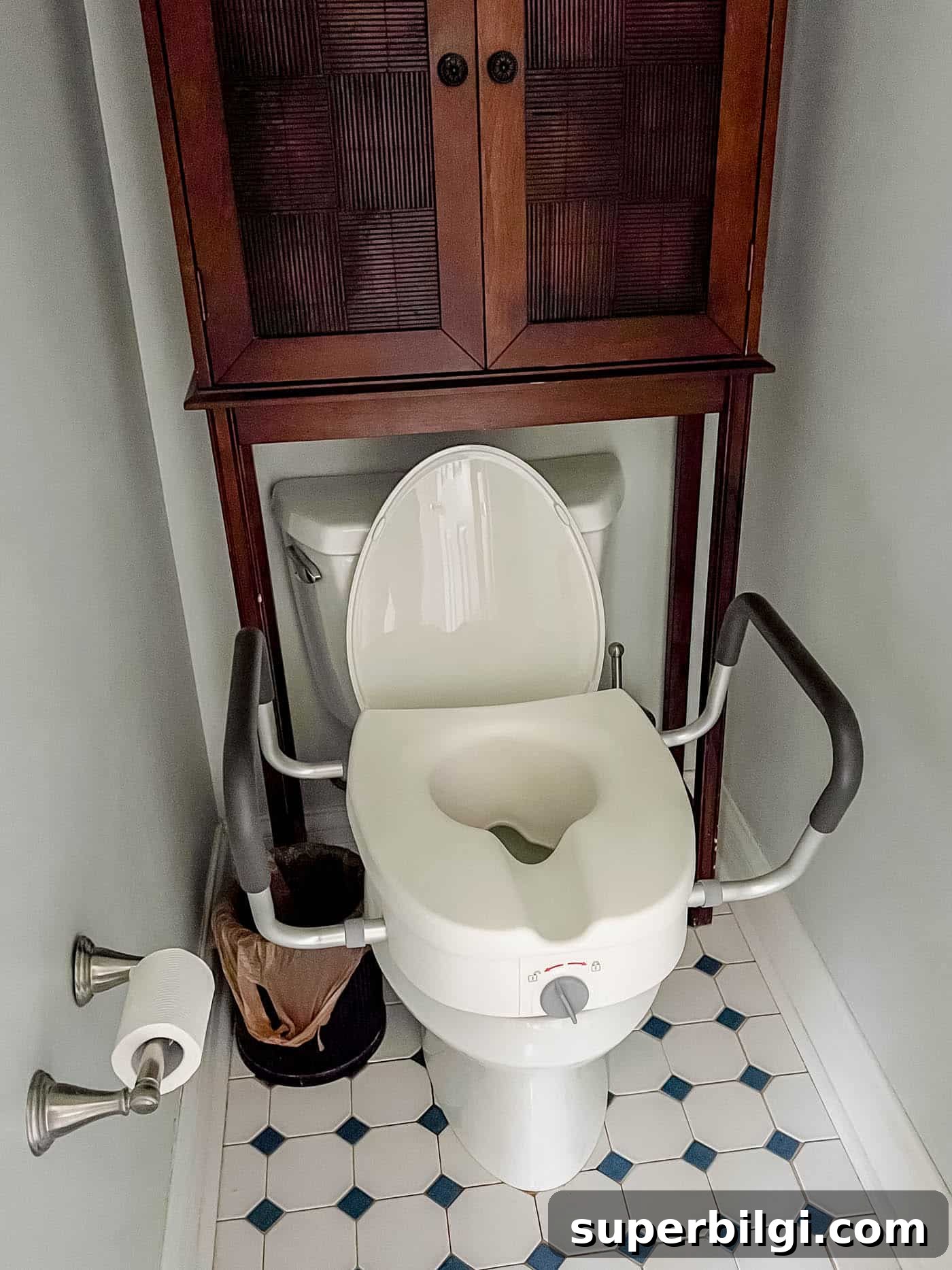
Not glamorous, but extremely practical. Getting up and down from a low toilet can be hard in the early days. A raised seat with handles makes transfers safer and less painful. If you have access to one, it’s a helpful aid in the first week or so after surgery.
8. Freezer meals — such a blessing
If you don’t have a meal train, prep ahead and stock the freezer. I froze dinners and breakfasts so my family could heat meals quickly during the first week. Ideas that worked well: baked pasta casseroles, pot pies, enchiladas, breakfast burritos, and overnight oats. Having ready meals removed a major source of stress and allowed me to focus on resting.
9. Laptop pillow
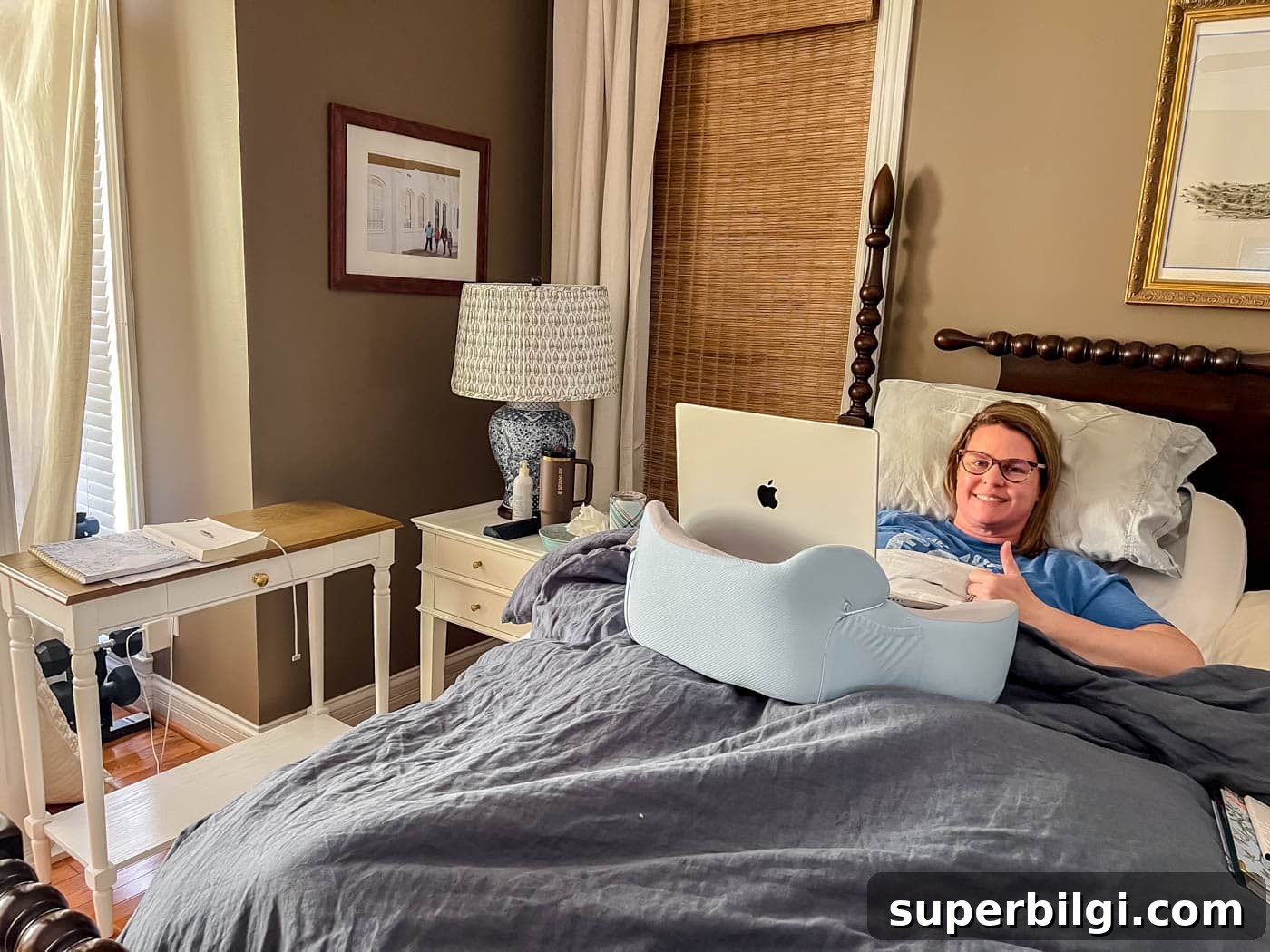
A laptop pillow is great for working or relaxing without putting pressure on your abdomen. It lets you use a laptop, read, or watch shows comfortably from bed or the sofa. Even if you’re not working, it’s a small comfort that makes downtime more pleasant.
10. Hot tea (trust me on this one)
Post-surgery constipation is common. A comforting cup of hot tea combined with a gentle stool softener or fiber supplement can help get things moving. A friend recommended hot tea with a laxative additive and it worked within a few hours. If you experience this issue, having a strategy on hand will bring relief quickly.
Honorable mentions
- Stay hydrated: Keep water within reach and sip frequently. Hydration supports healing, energy, and digestion.
- Line up entertainment: Download a show, podcast, or books. Being entertained while you rest made the enforced downtime much easier to accept.

A little encouragement and final thoughts
If you’re heading into surgery or recovering now, you’ve got this. Prepare what you can, accept help, and give yourself grace. Healing takes time — but a few practical items and simple routines can make recovery significantly easier. This experience reminded me how important it is to care for our bodies and to accept support when needed.
If you’ve had surgery before, I’d love to hear what helped you most during recovery. Sharing ideas helps everyone heal a little more comfortably. xo, Laura