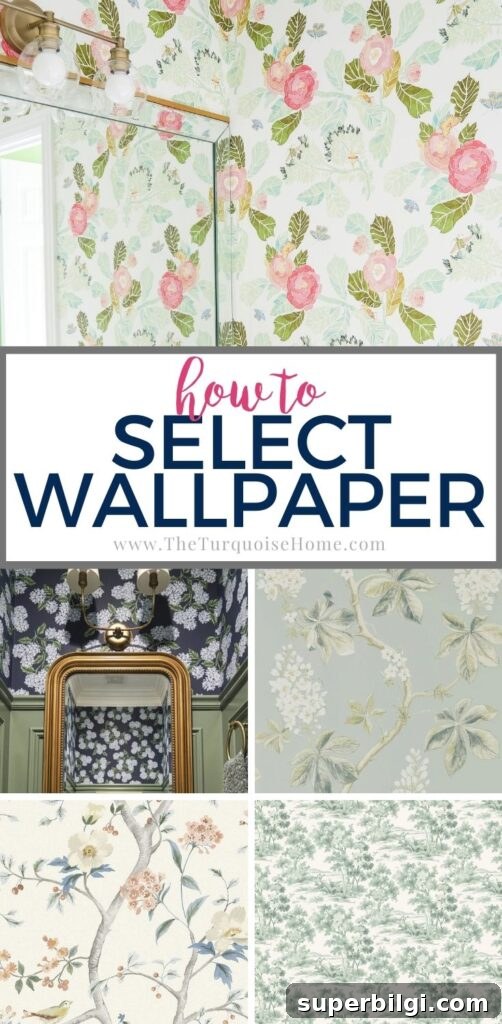
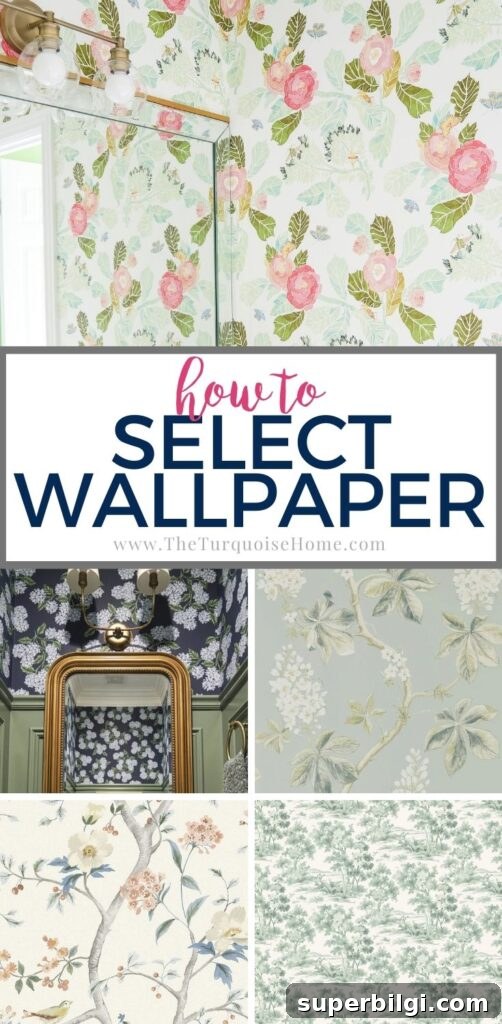
How to choose the right wallpaper for your room, where to find it, and what types are available — everything you need to get started.
Wallpaper has a long history in interior design, and after years of mixed reputation it’s enjoyed a strong comeback. If you remember the poorly installed papers of the 1980s and 1990s, you’re not alone — many older installations were glued directly to drywall and were nearly impossible to remove without damage. Today’s materials, better adhesives, and improved installation techniques make wallpaper a practical, beautiful option for modern homes.
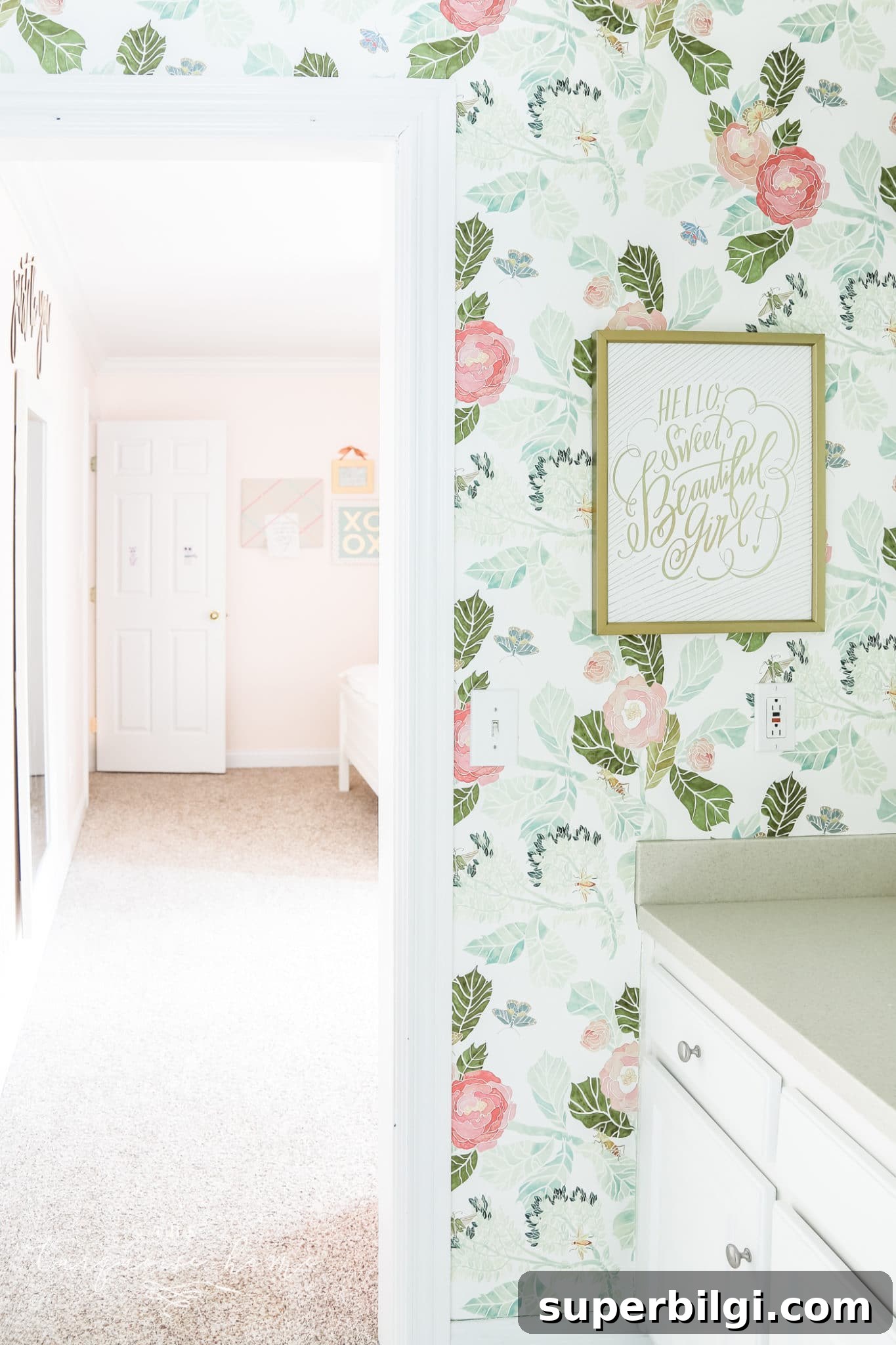
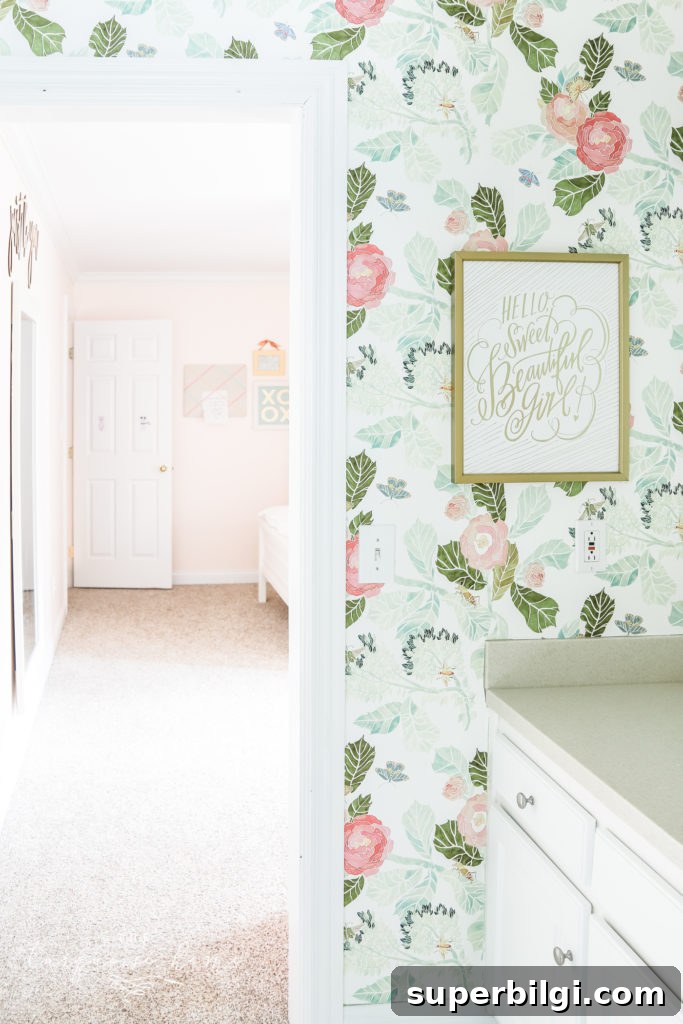
I’ve installed wallpaper in two bathrooms in my home and I’m planning two more projects soon — my dining room and butler’s pantry. I’ve worked with pre-pasted and unpasted papers, and I’ve learned a few practical tips that are helpful if you’re a beginner. Below I’ll explain the main types of wallpaper, how I choose patterns and colors, and where to shop.
Different Types of Wallpaper
Wallcoverings differ mainly by how the adhesive is applied. Choosing the right type will affect both installation and longevity.
Pre-Pasted Wallpaper
Pre-pasted wallpaper arrives with adhesive on the back that activates with water. It’s a popular option for DIYers because it eliminates the need to handle paste separately. For a first project I used pre-pasted paper in a small bathroom. It felt a bit like wrapping a gift on a larger scale; corners and obstacles made it more challenging, but it was manageable and cost-effective for a tucked-away space.
Paste-on-Wall Wallpaper
This style has no glue on the back; the installer applies paste directly to the wall (or occasionally to the paper). Many higher-end wallpapers are paste-on-wall. I prefer this method and used it for my powder room makeover — brushing paste onto the wall and smoothing the paper on top. For rooms with fewer obstacles, this approach is straightforward and gives you a bit more working time to align pattern repeats.
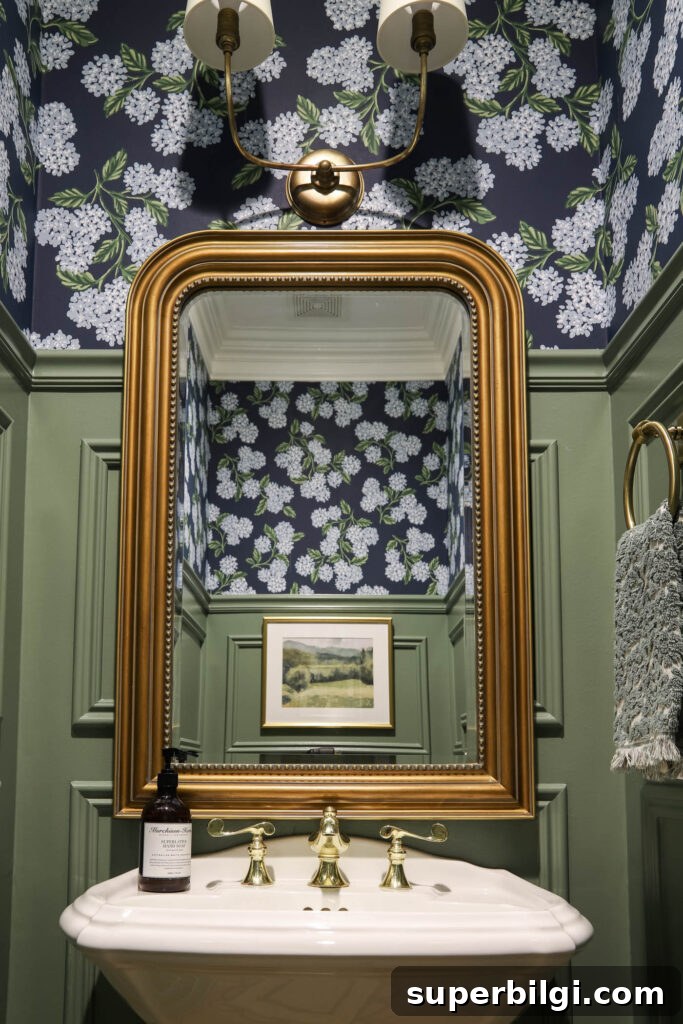
Between pre-pasted and paste-on-wall, I favor paste-on-wall for the control it gives during installation and the professional finish it can produce.
Peel & Stick Wallpaper
Peel-and-stick wallpaper has an adhesive backing covered by a liner you remove before applying. It can be appealing to renters because it’s marketed as removable. I haven’t used it extensively, and opinions vary: some find it easy to install, others report alignment issues or difficulty removing it cleanly. For large or prominent applications, I’d test a sample first; for small projects or temporary accents it can be a convenient choice.
How to Select the Right Wallpaper
Choosing wallpaper involves color, scale, and how patterns relate to the rest of the room. A thoughtful selection will tie your space together rather than compete with existing elements.
Start with a Color Scheme
Begin by defining a color palette for the room. Use online filters or catalogs to narrow options by color, then order samples. Screens and photos can misrepresent hue and texture, so seeing a physical swatch in your room — in different light — is essential.
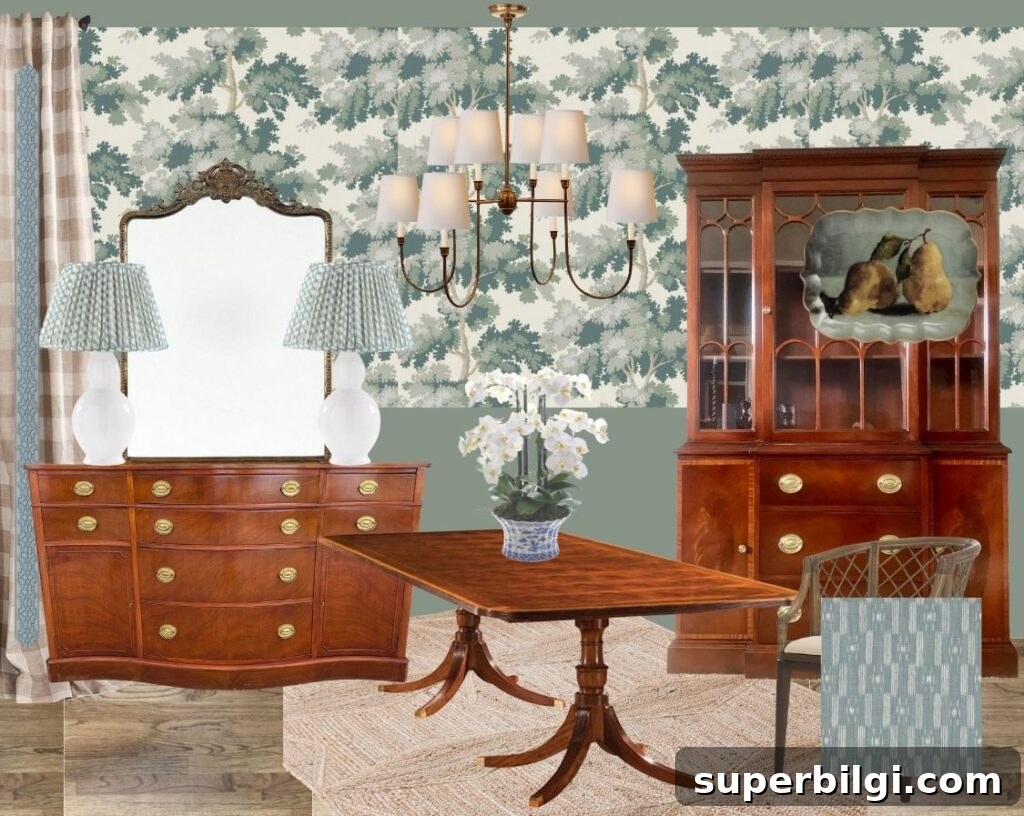
Create a mood board or lay out samples with paint chips, fabric swatches, and flooring to visualize how everything will work together. Test the wallpaper samples against the actual paint colors and fabrics in the space before committing.
Mixing Floral and Geometric Patterns
Pattern mixing follows the same basic rules whether you’re arranging pillows or choosing wallpaper. Look at the scale and style of the other patterns in the room and select wallpaper that complements them. A large floral can balance a geometric rug, while a small-scale geometric wallpaper can pair well with floral drapery.
- Choose one element with a multi-color floral or detailed motif.
- Add a second element with a larger-scale pattern (geometric, stripe, or solid) in a coordinating color.
- Include a third element with a smaller pattern or solid in another color from the first element.
- Repeat and adjust until the mix feels balanced.
Ask a Designer or Use a Pro Resource
If you’re uncertain, working with a designer or consultant can speed decisions and help coordinate multiple rooms. Designers often have sample libraries and experience matching pattern scales and colors across adjoining spaces — a real advantage when two rooms flow into each other.
Tip for Picking Coordinating Paint Colors
Color-matching tools and apps can scan a sample and suggest paint formulas, which saves time if you don’t want to take samples to the paint store. Using a scanner or color-matching device with its app is a handy way to find complementary paint shades quickly.
Where to Buy Wallpaper
There are many places to shop beyond the large national brands. I research the exact name of a wallpaper I like and compare prices across multiple retailers to find a good deal — I once saved a significant amount per roll by shopping around. Many sites also offer free samples and tools that calculate how many rolls you need based on your wall dimensions.
Popular retailers and specialty shops include catalog and boutique brands, large home improvement stores, and dedicated wallpaper suppliers. Always check sample availability and return policies before ordering full rolls.
Favorite Wallpapers I’ve Considered
I’ve been exploring many floral and classic patterns for different rooms. Some of the designs I’ve loved while planning my renovations include large florals, traditional botanicals, and updated Chinoiserie prints. If you’re shopping, make a shortlist of patterns and order samples so you can compare them at home.
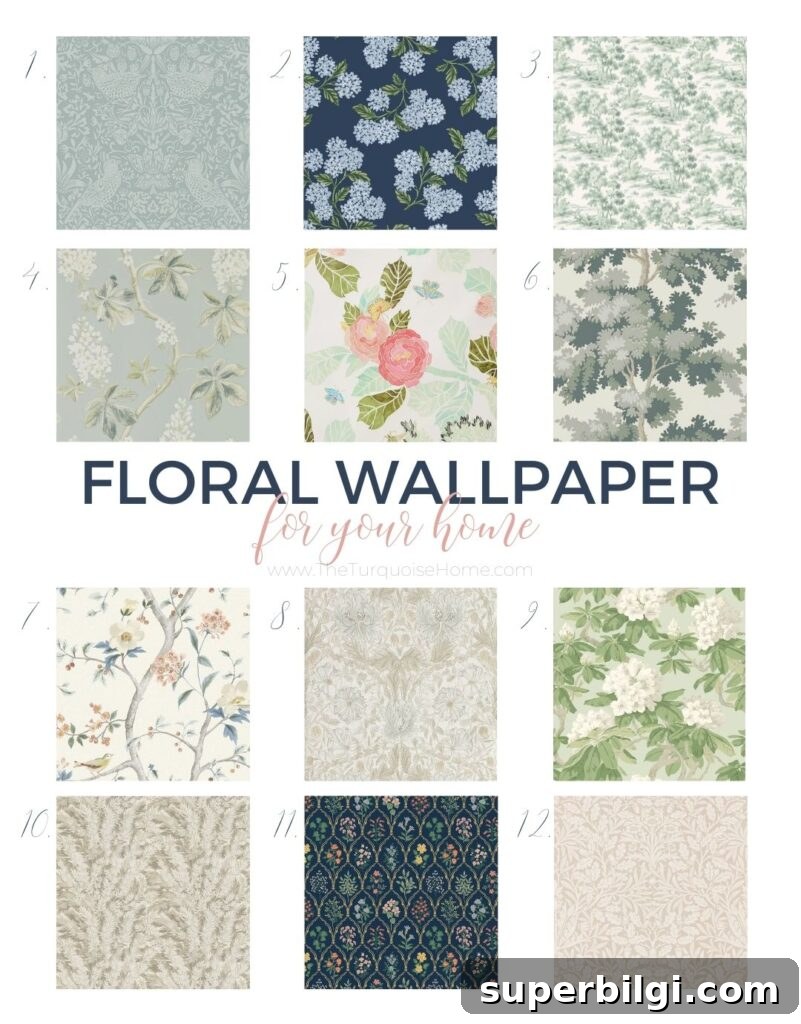
Some floral and classic patterns I’ve favored while shopping for my home include traditional florals, watercolor florals, Chinoiserie, and heritage designs in both muted and bold palettes.
Wallpaper is easier to integrate into modern interiors than many people realize. With the right samples, a clear color plan, and an understanding of installation methods, you can add personality, texture, and pattern to any room. I’m excited to keep sharing my projects — follow along on Instagram @turquoisehome if you want to see updates — and feel free to ask questions or share your experiences with wallpapering.