
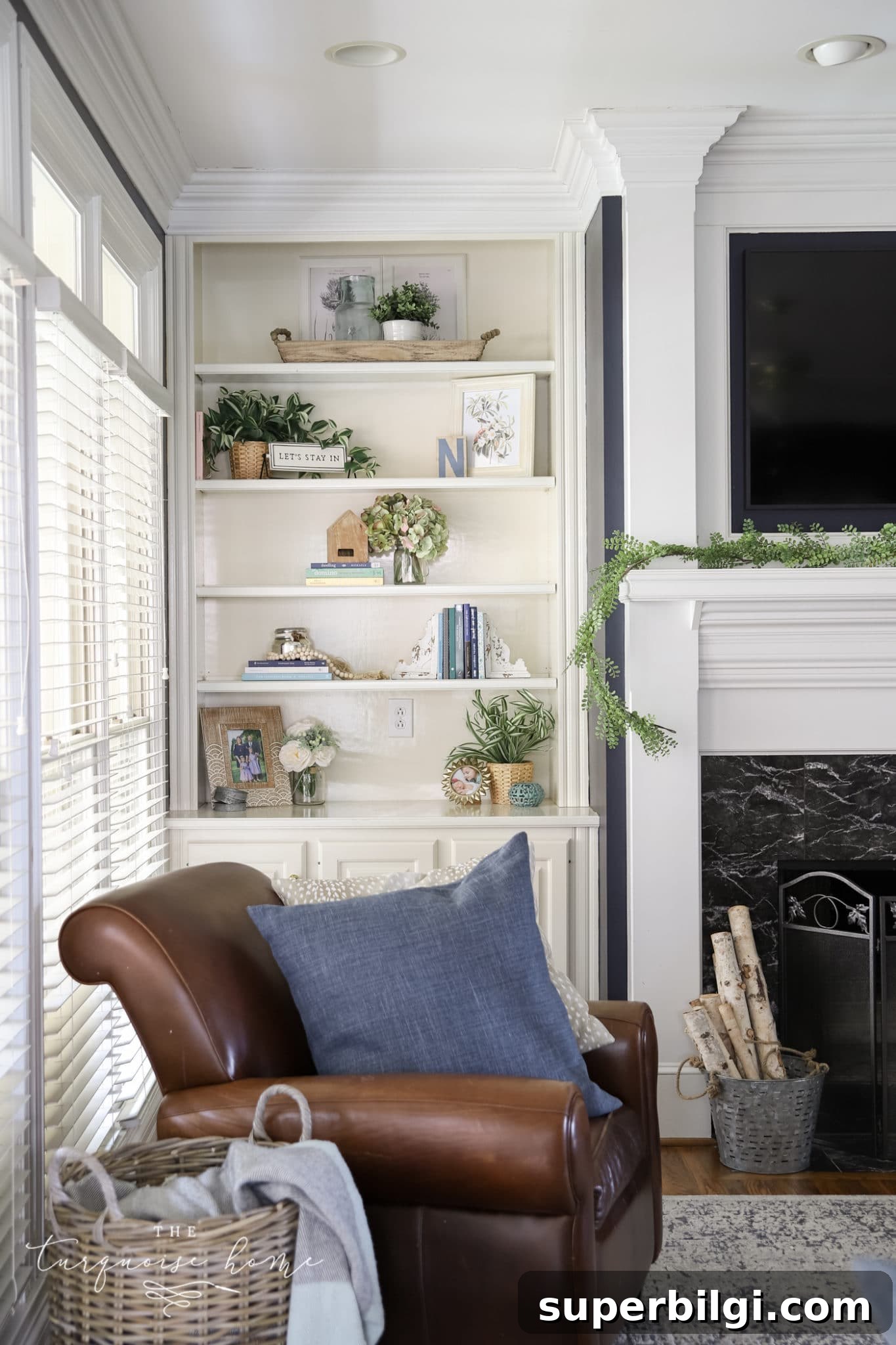
Does decorating a bookshelf leave you stumped? Want to display artwork, greenery, decor and books on your shelves but don’t know how to style them? Here are five reliable formulas that will help you master bookshelf styling.
When we moved into our new home, I finally got the built-in bookshelves I’d always wanted. I was thrilled—until I had to decorate them. I had plenty of general ideas about what to put on shelves, but arranging everything so it looked intentional felt overwhelming.
This post contains affiliate links for your convenience. See my full disclosure policy.
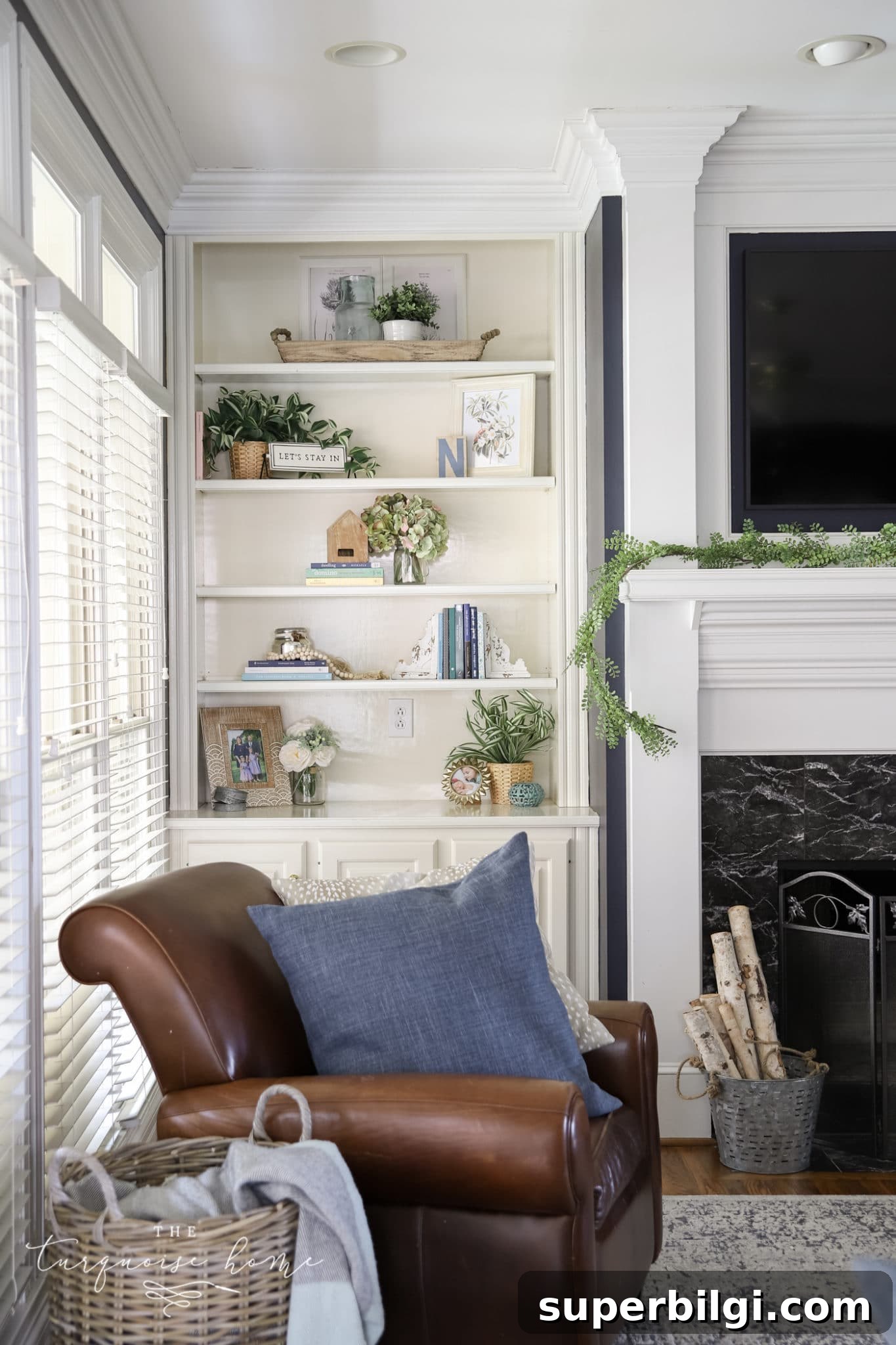
I began by gathering every decorative item I owned—plants, framed prints, vases, bowls, decorative objects—anything that looked like it might belong on a shelf. Decluttering in the past left me with only a few books, so I focused on creating vignettes with objects I already liked and, when necessary, picked up a few shelf-friendly pieces at World Market and thrift stores.
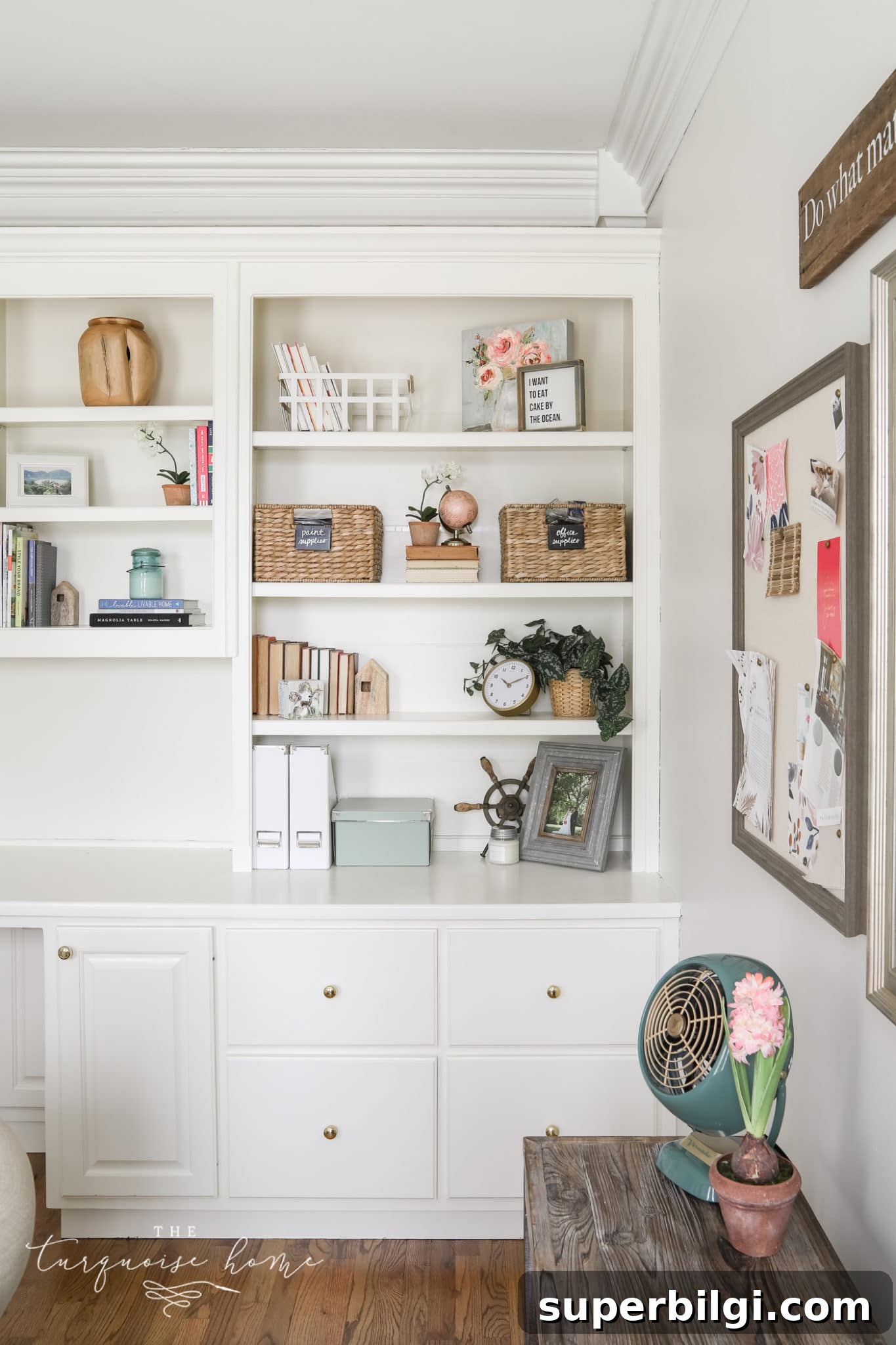
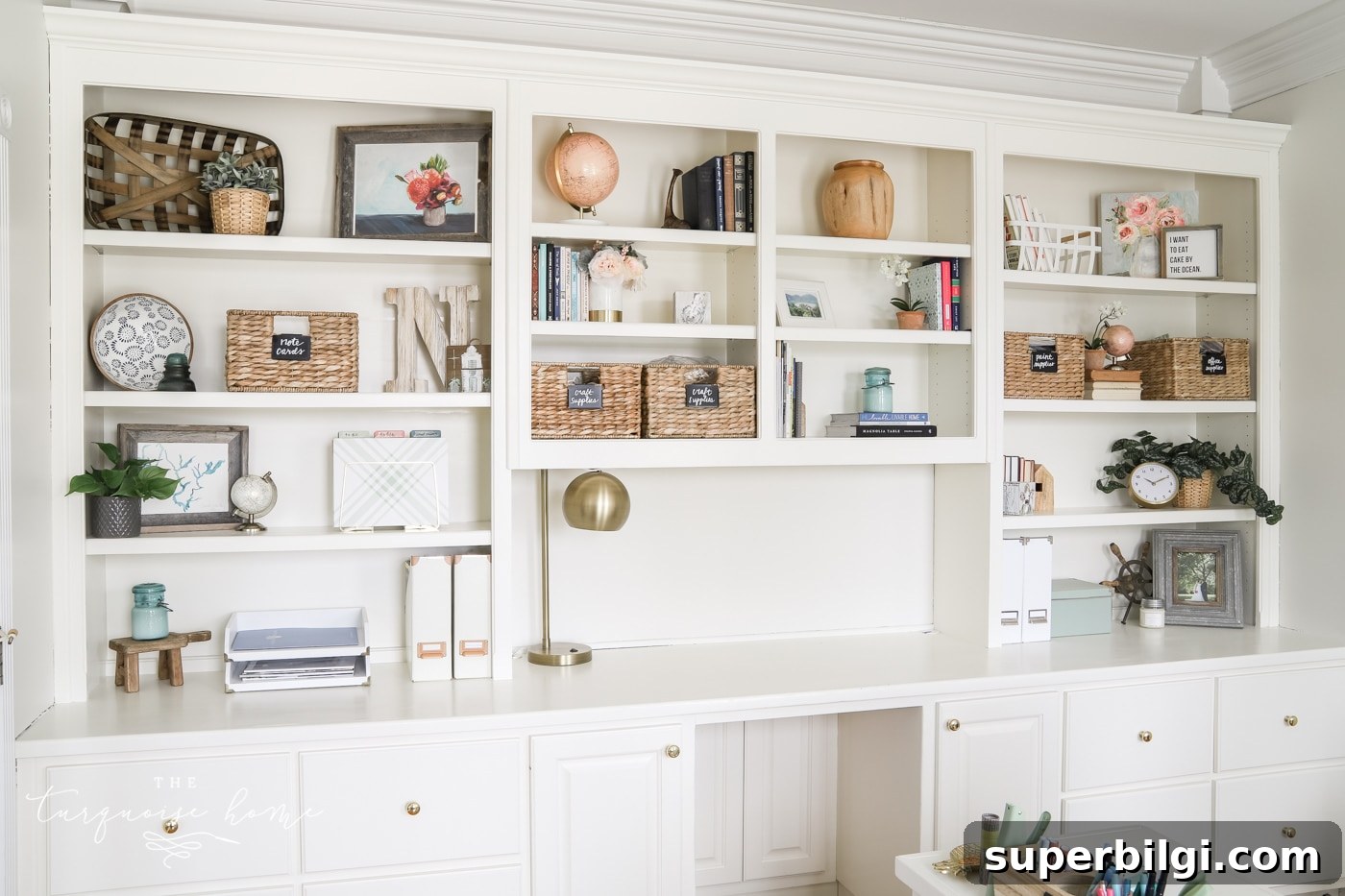
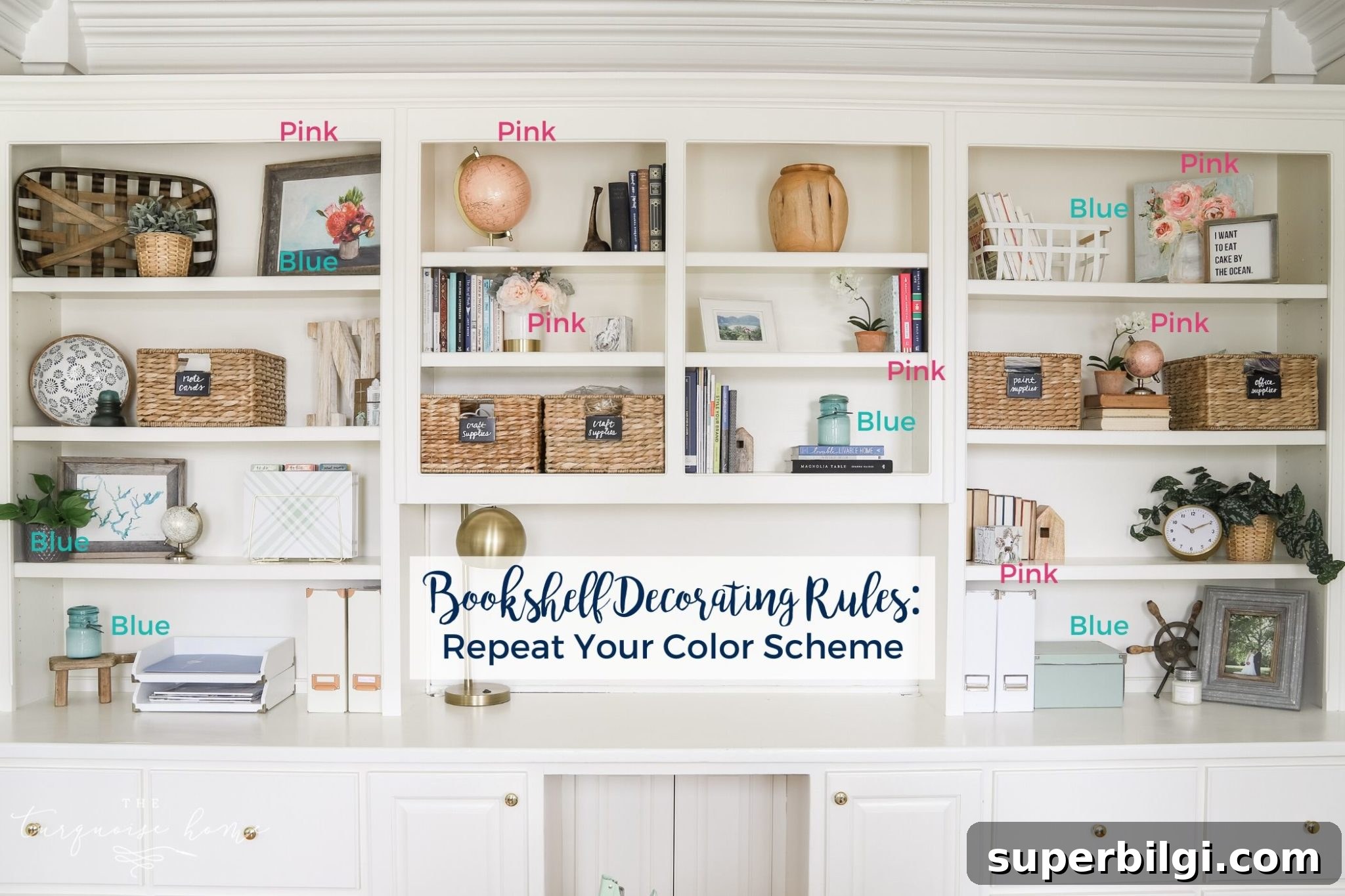
Before styling, consider the size and depth of your shelves. Short or shallow shelves limit tall items; taller shelves let you play with vertical pieces. Also, choose a color palette to create cohesion across the shelves—sprinkling the same few colors throughout ties separate vignettes into one thoughtful display. For me, pink and turquoise repeated through my decor help the shelves feel unified with the rest of the room.
Quick styling fundamentals:
- Use varying heights to keep interest—stack books horizontally to create a pedestal for a decorative object.
- Shop thrift stores for small, affordable finds and vintage books—great sources for one-of-a-kind items.
- The Rule of Three: group objects in odd numbers (1, 3, 5). Odd-numbered groupings generally look more balanced and pleasing than even-numbered ones.
General Styling Tips for Bookshelf Decor Ideas
After collecting and editing my pieces, I arranged them on the shelves and refined each vignette until it felt intentional. Here are a few practical tips that helped:
- Stick to a palette. Repeating two or three colors throughout the shelves creates visual harmony.
- Mix heights and textures. Combine tall vases, short ceramics, books, and framed art to keep the eye moving.
- Create breathing room. Don’t overcrowd—allow negative space around objects so each piece can be appreciated.
- Anchor groupings. Use trays, boxes, or stacked books to create a base for collections of smaller items.
Formulas for Shelf Decorating
If arranging items feels intimidating, use simple formulas. These repeatable patterns make it easy to style shelves that look polished and cohesive. Below are five go-to combinations that work in most shelving situations.
Formula #1: Two or three books stacked horizontally with a small decorative object on top
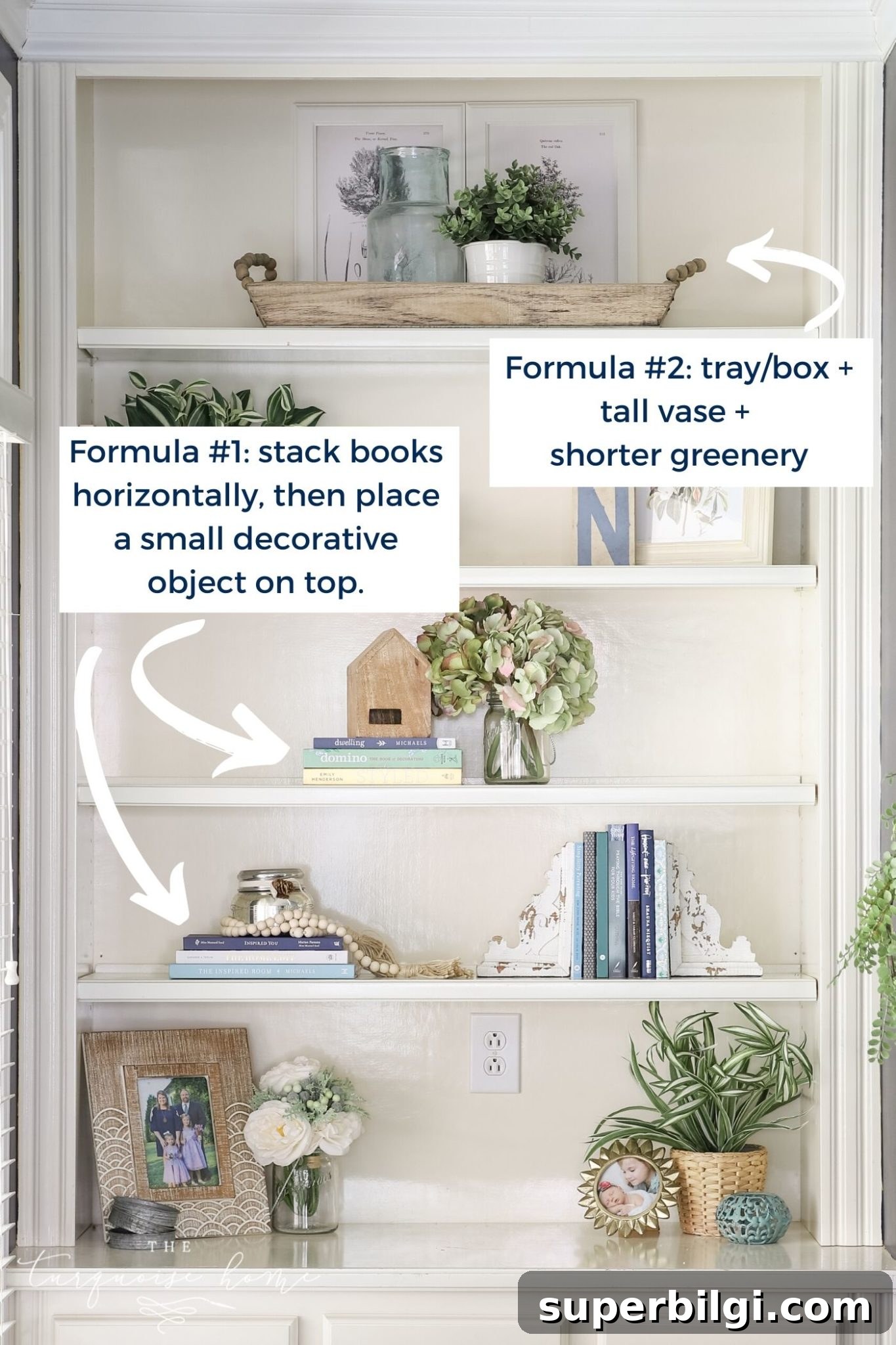
Stack a couple of hardcover books and place a small accent—like a ceramic piece, a candle, or a sculptural object—on top. This raises the object, creating layers and giving your shelf added dimension. It’s an especially good way to show off attractive coffee-table books.
Formula #2: Tray or box + a tall vase + shorter greenery
Start with a low tray or box as your base, place a tall vase behind or on one side, and add a shorter plant or arrangement beside it. The tray groups these items together, making the look feel curated rather than accidental. You can also layer framed prints behind the vase for added depth.
Layering small prints or postcards behind objects can add color and interest without cluttering the shelf.
Formula #3: Large art or decor item + another art or decor item layered in front + another large decor item to the side
Use a large framed piece or tall object as your backdrop, layer a smaller piece in front, and balance the grouping with another substantial item to one side. This creates a composed, three-part grouping that follows the rule of three and adds depth and balance to the shelf.
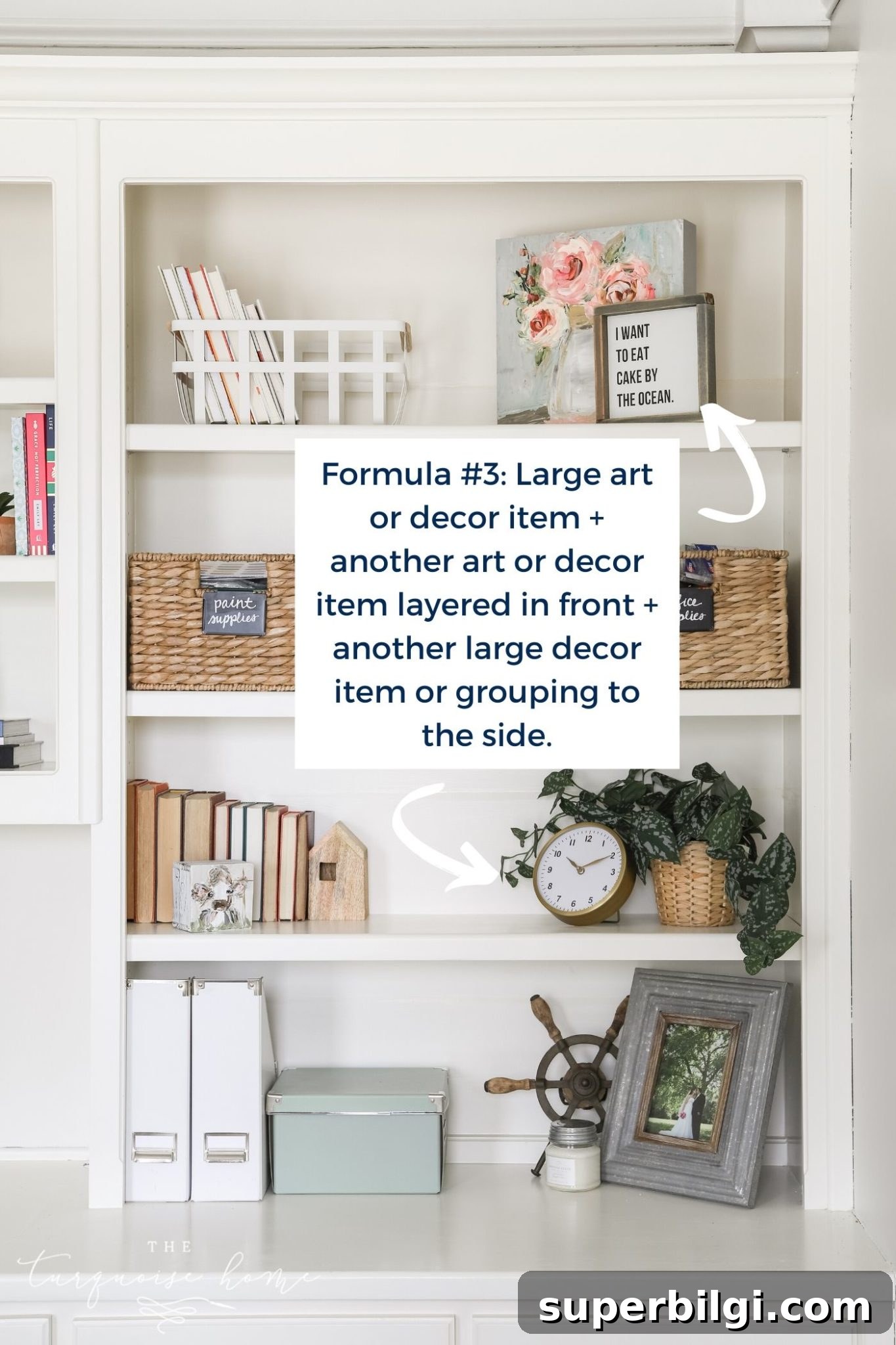
Here’s another example of the same approach, using layered items and a side accent to form a cohesive trio.
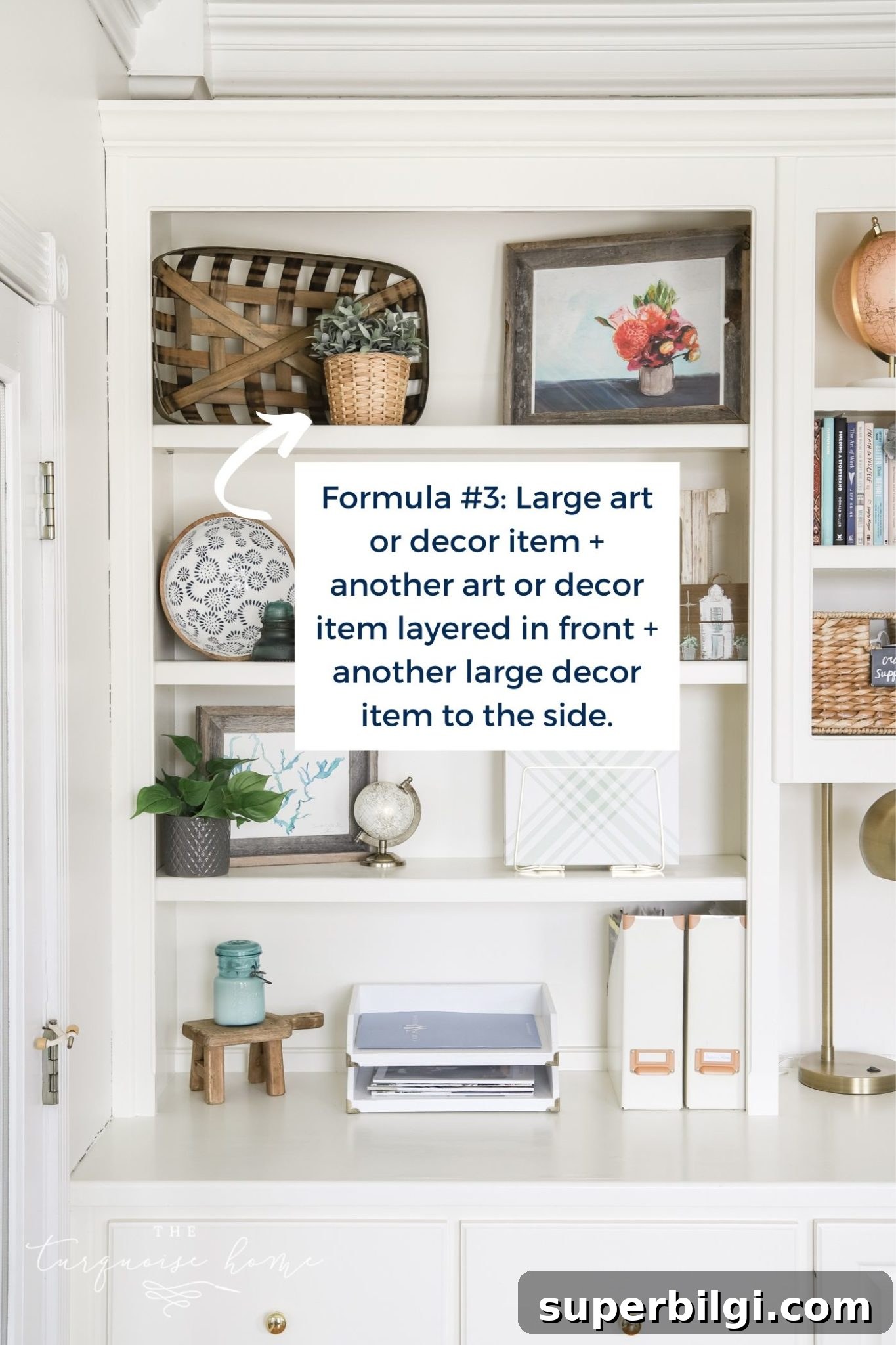
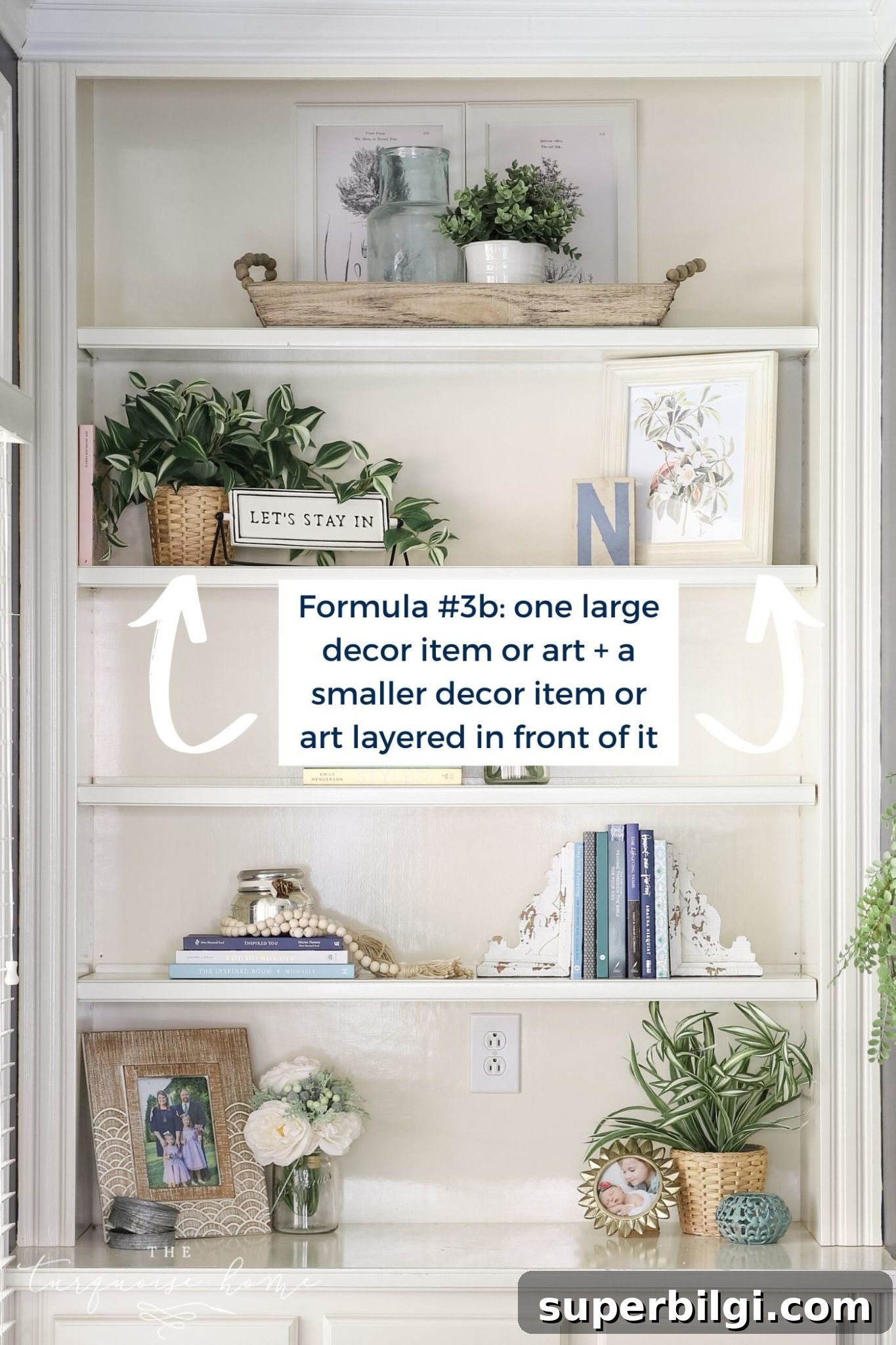
Formula #3b: Large art or decor item + another art or decor item layered in front
Sometimes two layered items look cleaner than three. When a shelf corner feels crowded, try pairing a large piece with a smaller layered piece. Breaking the “odd numbers” rule is fine when it results in a more balanced, visually pleasing composition.
Formula #4: Group of vertical books + vase or bookend
Group several books vertically and use a single bookend or vase to support them. Tucking the books against the side of the bookshelf with one decorative bookend creates a neat, intentional look. You can also place the book group in the center of the shelf and balance it with other objects on either side.
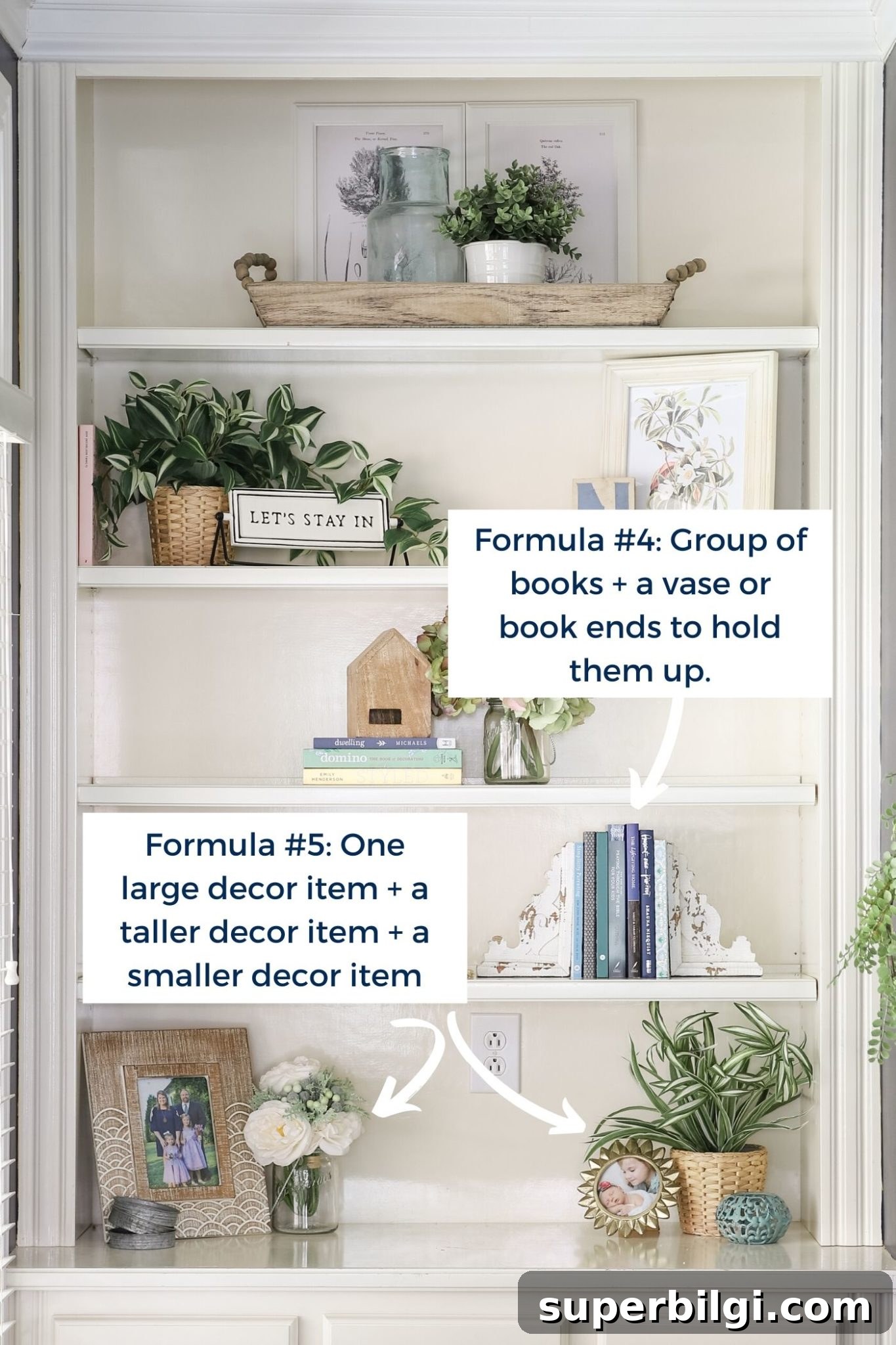
Formula #5: One large decor item + tall decor item + shorter decor item
This classic three-part composition—a large item, a taller item, and a shorter item—uses varying heights to create rhythm and interest. It’s a reliable combination for almost any shelf, and I often use it for tabletops and open shelving as well.
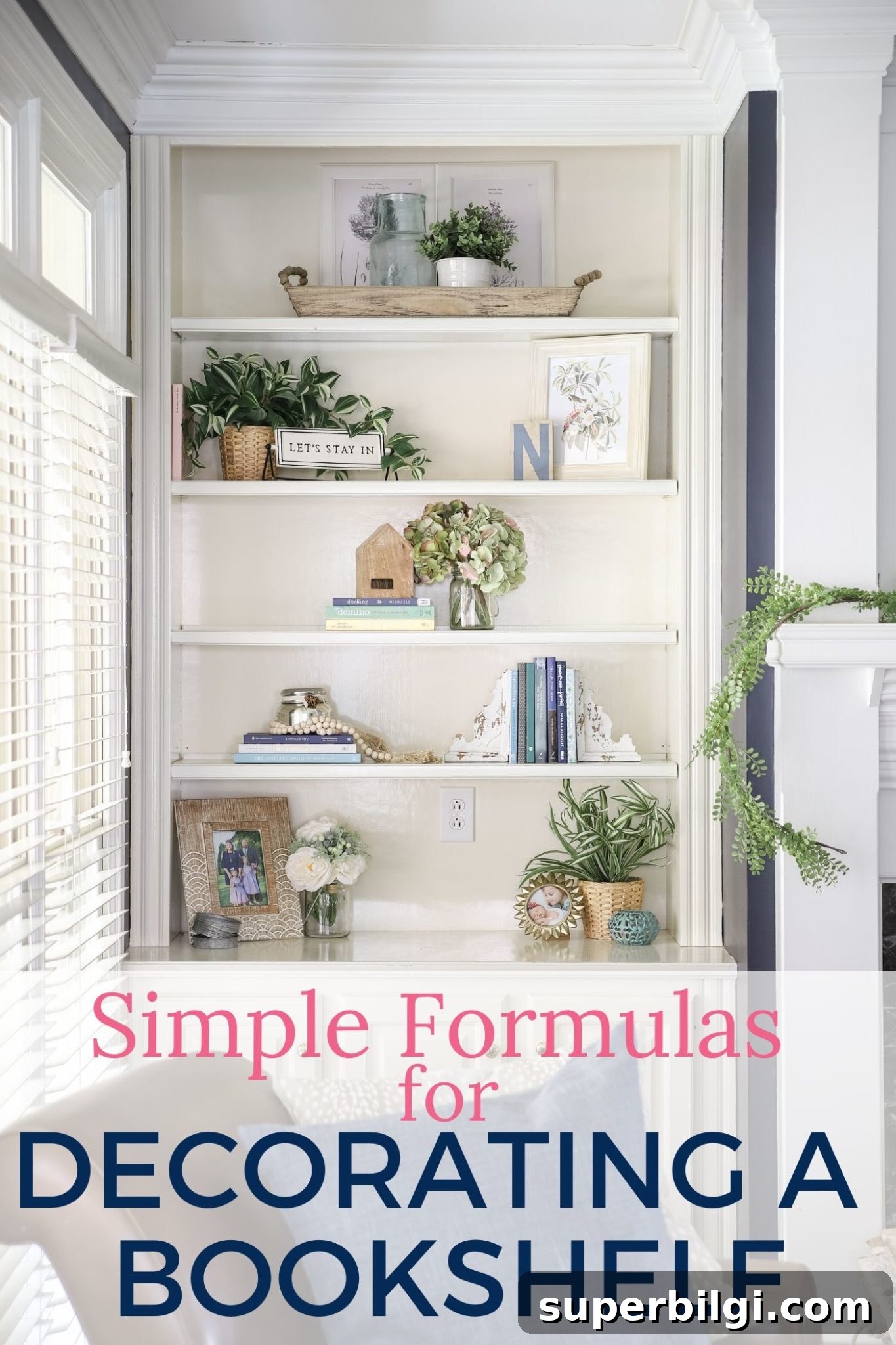
These five formulas are simple, repeatable strategies that make shelf styling approachable. Once you start grouping items with intention—paying attention to scale, color, and spacing—you’ll find it easier to create attractive displays that reflect your personal style. Mix and match these patterns across shelves to achieve a cohesive, layered look.
More posts you will love:
- Decorating with Books: 6 Book Decoration Ideas You’ll Love
- Everything You Need To Know About Built-in Bookshelves
- How to Select Wallpaper {Decorating 101}
- Decorating 101: How to Make a Bed (Like a Pro)
- Home Decor 101: Why does Decorating Matter?