
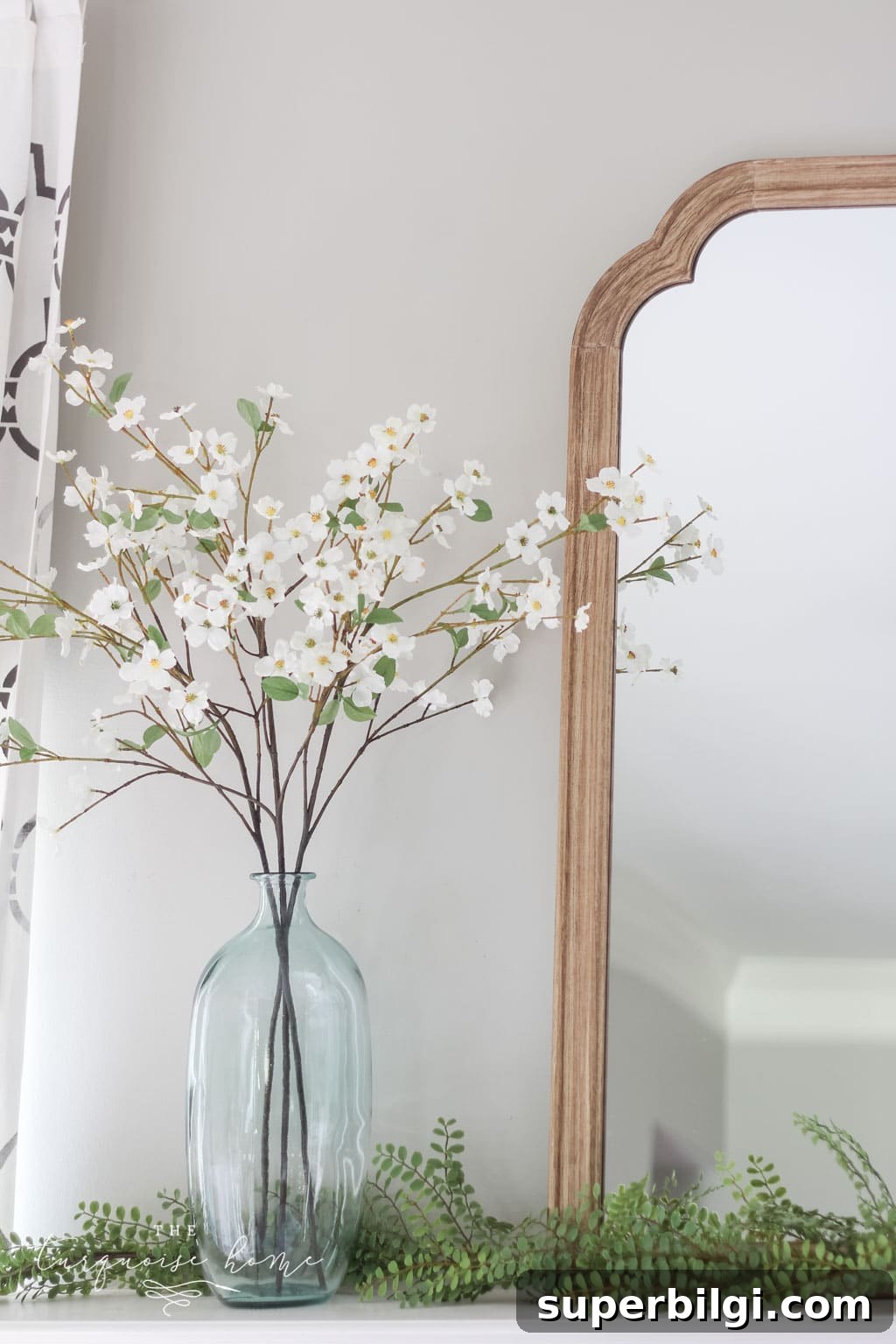
Are you searching for the ideal neutral gray paint for your home? You’ve come to the right place—here are the best gray paint colors to begin your search.
Finding the perfect gray can be surprisingly tricky. Although gray seems simple at first, subtle undertones and changing light can make a shade read very differently from room to room. If you’re unsure which direction to go, test several samples on your walls and observe them throughout the day—natural and artificial light will reveal the true character of each color.

Swatching several favorites—two or three, at minimum—on different walls is the simplest way to narrow your choices. Move the swatches around, view them at morning, midday and evening, and check how they look next to your trim, flooring and furnishings. That process will help you pick a gray that complements your home’s palette.
This article mentions paint sample options and tools for convenience.
PRO Tip
Always test the real paint color in your home before committing to a full paint job.
Peel-and-stick paint samples or painted poster boards are a no-mess, accurate way to preview colors in your space. They’re easy to move and let you see how undertones react to different light throughout the day.
The Best Light Gray Paint Colors
Start by deciding whether you want a light or dark gray. Light grays feel bright and airy, and they tend to adapt well to many rooms. They’re ideal if you want a neutral backdrop that still feels warm and inviting.
If you’re painting the room yourself, invest in quality tools and take your time with prep—good tools and proper technique make a major difference in the final result.
Revere Pewter by Benjamin Moore
Revere Pewter is a warm, soft gray and a favorite among designers and homeowners. It reads as a calm, muted color that pairs beautifully with natural wood tones and white trim. If you want a versatile warm gray that still reads neutral, Revere Pewter is an excellent starting point.
Agreeable Gray by Sherwin Williams
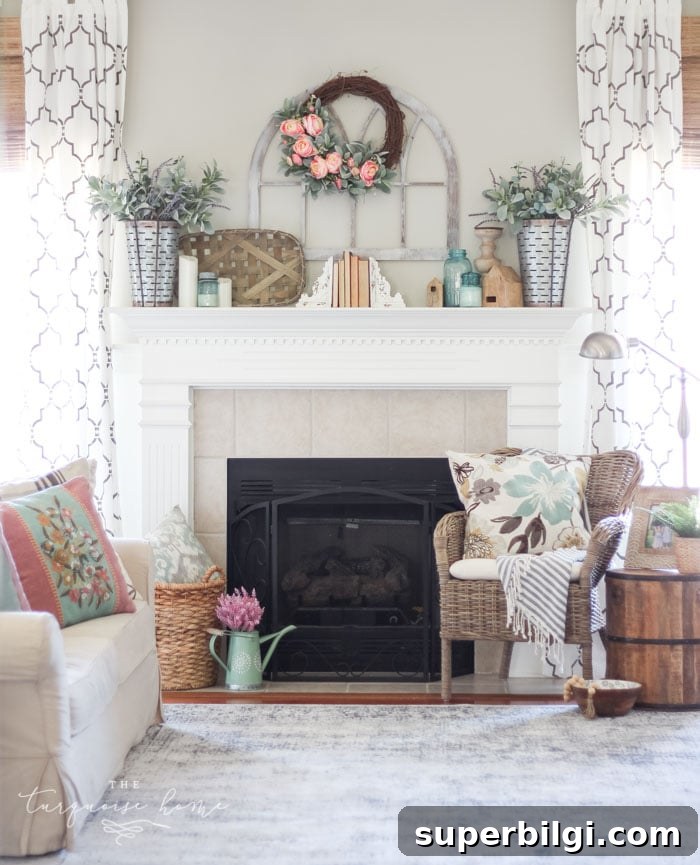
Agreeable Gray is widely popular because it balances gray and beige—often labeled “greige.” In bright light it can read slightly warm and beige; in cooler light it may show soft blue-gray undertones. It’s a reliable, adaptable choice that looks especially crisp next to white trim and ceilings.
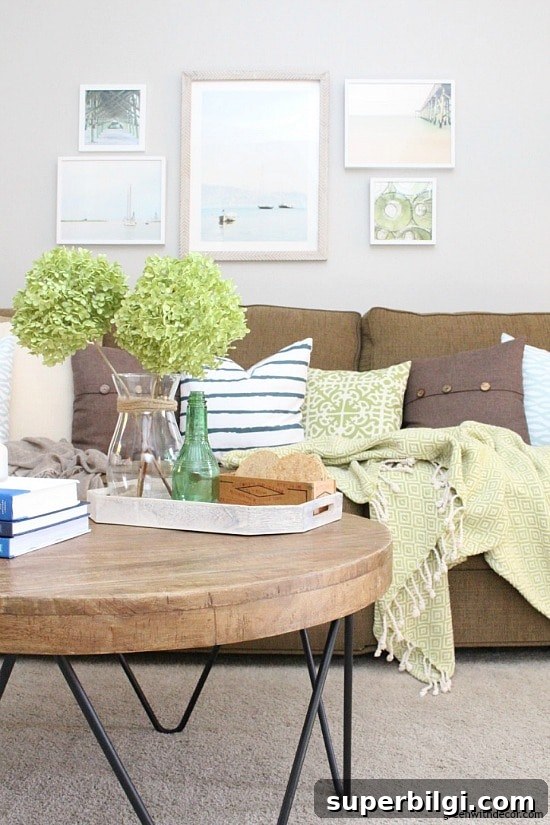
Agreeable Gray is often chosen for rooms where a neutral backdrop is needed that still adds warmth and depth without feeling cold.
Repose Gray by Sherwin Williams
Repose Gray is another warm gray that creates a cozy, lived-in feeling. Compared with Agreeable Gray, Repose Gray tends to be a truer warm gray; it performs best in bright rooms where the beige undertones stay soft and unobtrusive.
Edgecomb Gray by Benjamin Moore
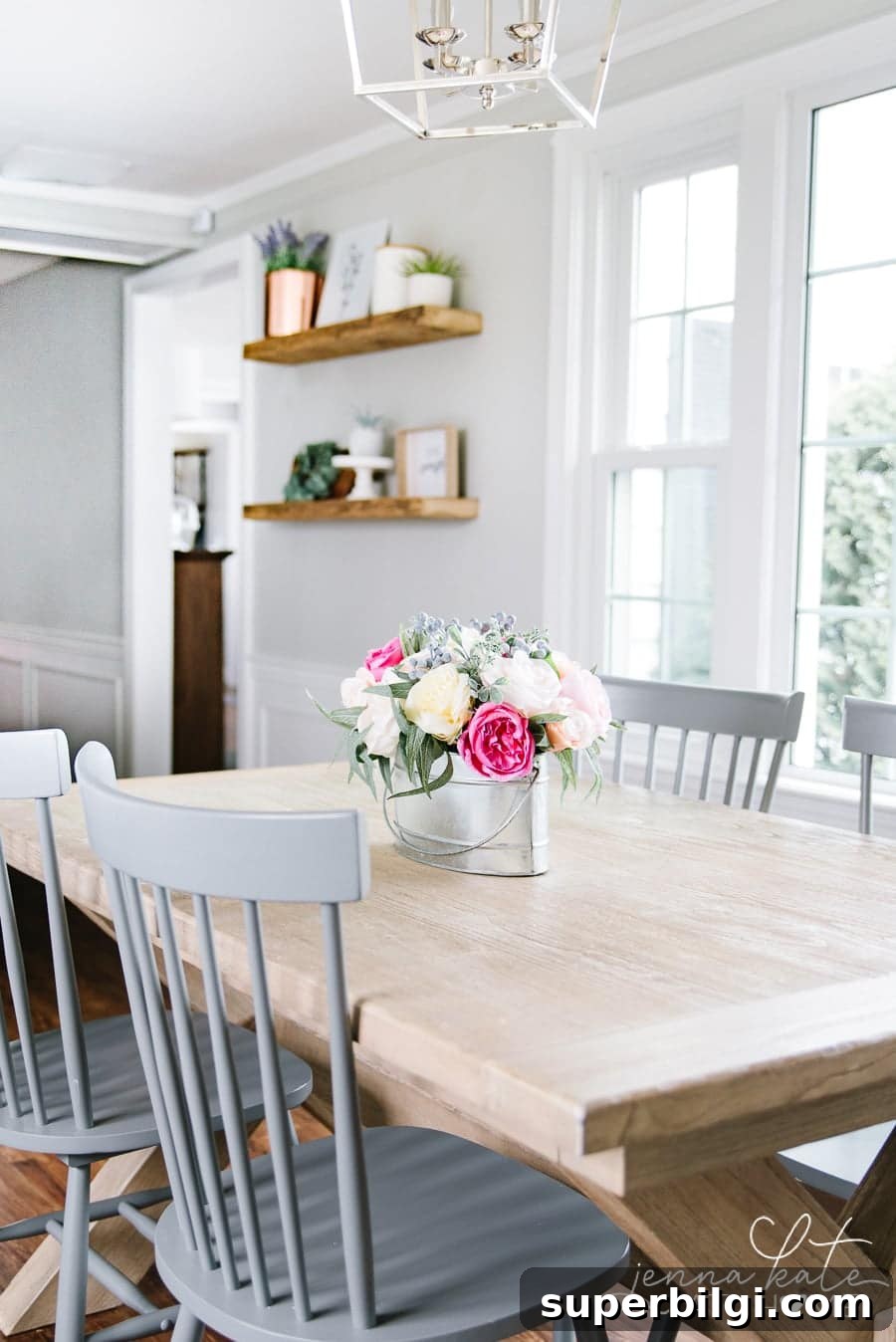
Edgecomb Gray is earthy and organic while remaining soft and stylish. It ranges from taupe to light gray depending on the light, making it a flexible choice for many styles. It sits near Revere Pewter on many sample strips, so the two shades often coordinate well in adjacent spaces.
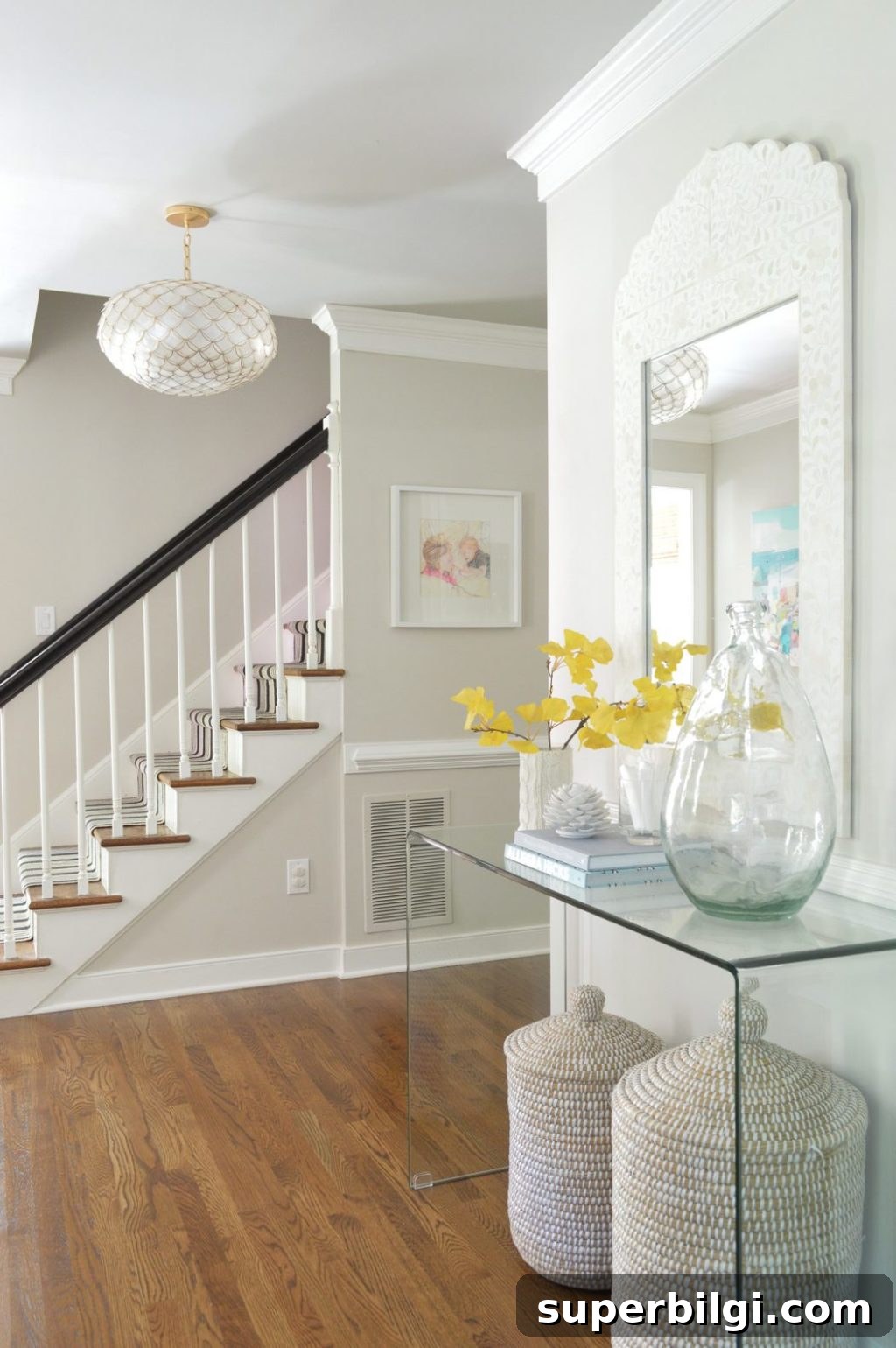
Gray Owl by Benjamin Moore
Gray Owl has surged in popularity as a gentle, warm gray that can feel both welcoming and modern. In bright, natural light it reads beautifully neutral, but in spaces dominated by artificial light it can show a faint green undertone. Always test Gray Owl in your actual space to confirm how it behaves with your lighting.
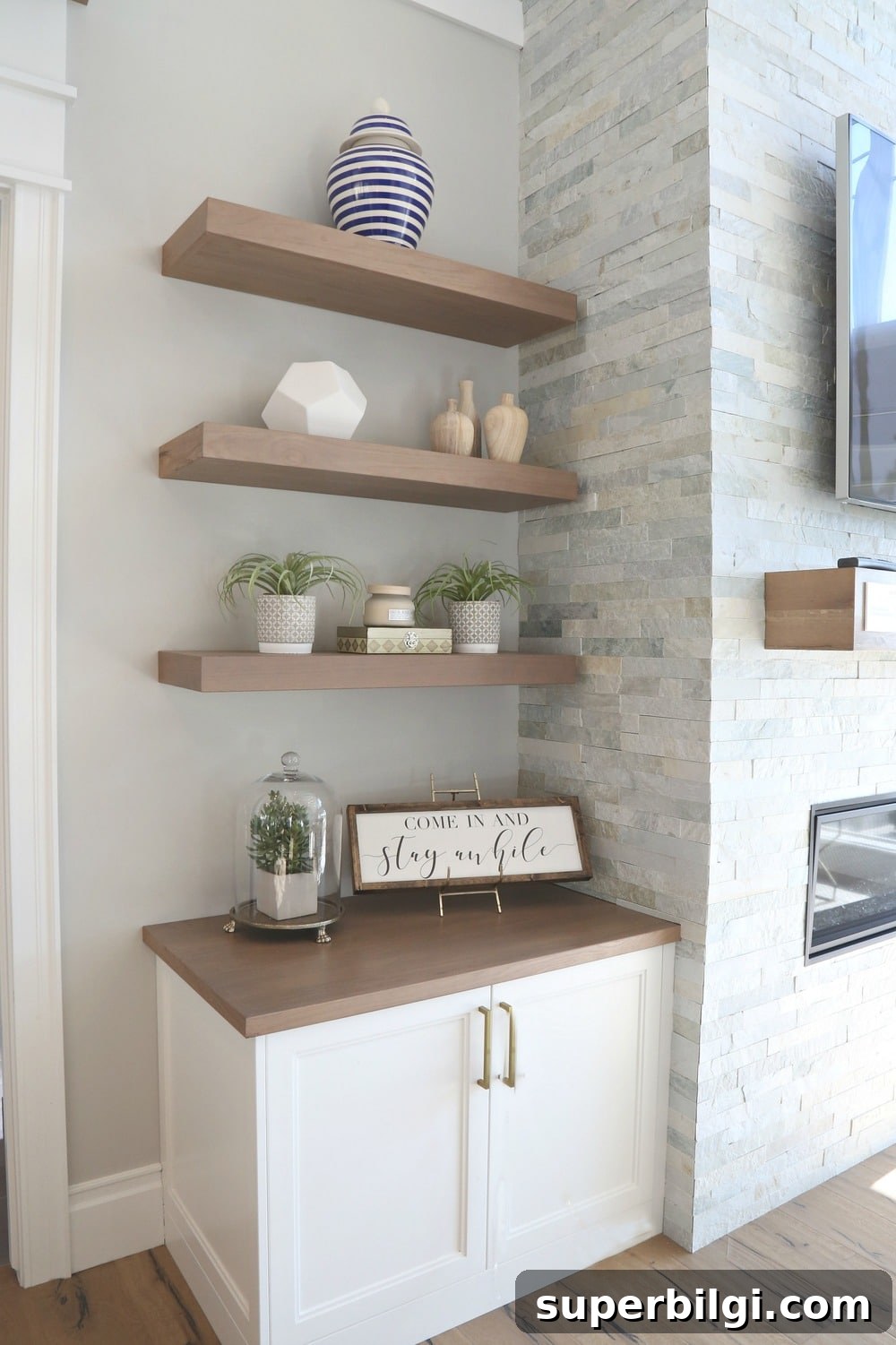
More Light Gray Favorites
Other light grays worth considering include Mindful Gray, Stonington Gray, Classic Gray, Amazing Gray and Anew Gray. Each has subtle differences in undertone and depth, so sampling is essential to pick the one that suits your home.

Want to Save This?
Enter your email on the original site to receive a printable version.
The Best Dark Gray Paint Colors
Dark grays offer depth and drama without necessarily making a room feel smaller. A darker shade can create a cozy, enveloping space—perfect for accent walls, cabinetry, or feature furniture. Used thoughtfully, dark gray brings richness and sophistication to interiors.
Cheating Heart by Benjamin Moore
Cheating Heart is a moody graphite gray that reads nearly black in low light. It’s dramatic and bold—an excellent choice for cabinetry, an accent wall, or any area where you want an intense, stylish focal point. Pair it with bright hardware and crisp trim for contrast.
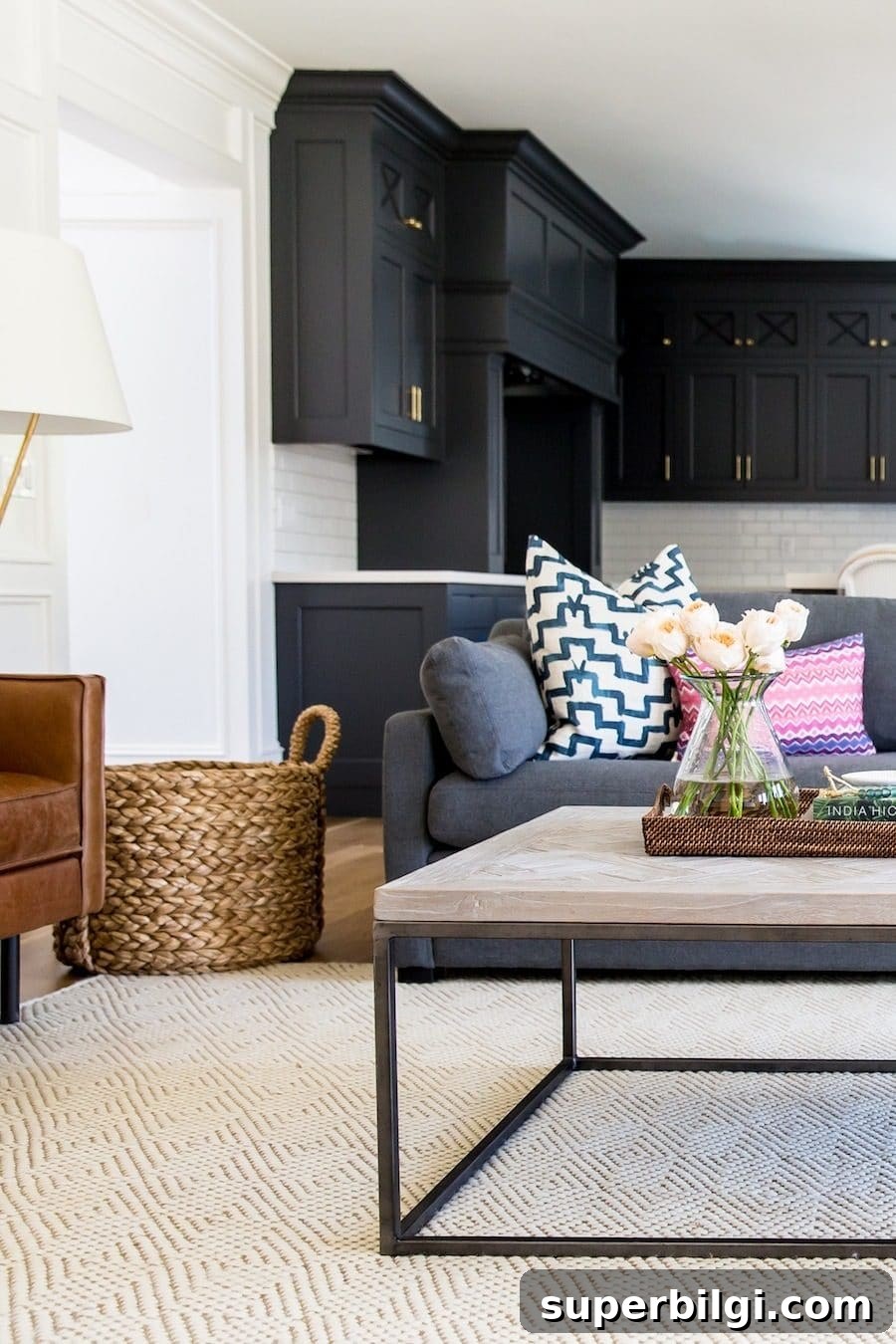
Graystone by Benjamin Moore
Graystone is a mid-to-dark gray that can act like a neutral in many settings. With ample natural light, it reads balanced and comfortable rather than heavy. It’s a great option for bedrooms and cozy living spaces where you want depth without an oppressive feel.
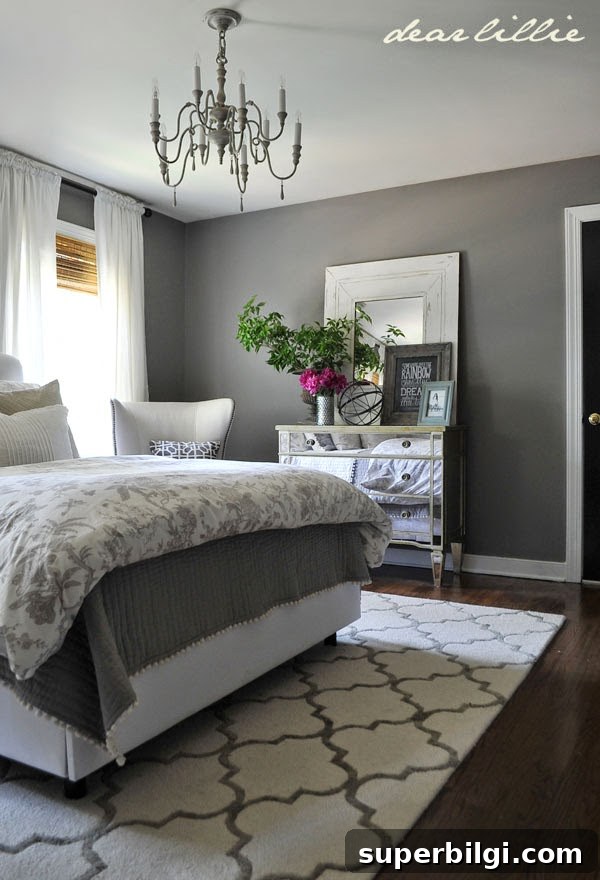
Kendall Charcoal by Benjamin Moore
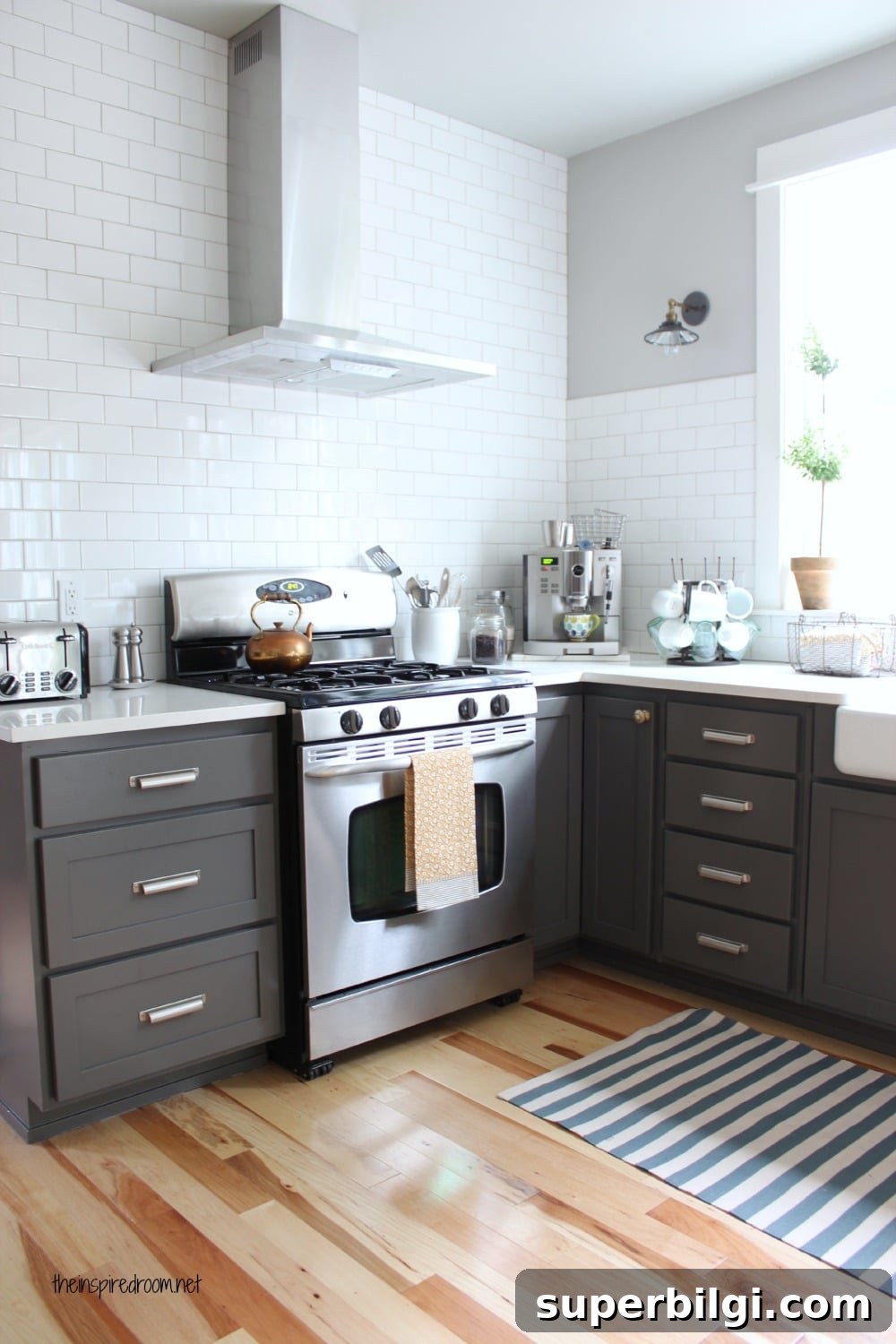
Kendall Charcoal is a luxurious medium-dark gray that reads true gray but can show faint green or brown undertones in particular lights. It’s stunning on kitchen cabinets and as accent walls, especially when paired with crisp white trim and lighter upper cabinetry for contrast.
More Dark Gray Options
Other dark grays to consider include Chelsea Gray, Wrought Iron, Grizzle Gray, Iron Ore, Peppercorn and Graphite. Each has its own depth and undertones—again, sampling in your space is key.
How to Choose a Whole House Color Palette
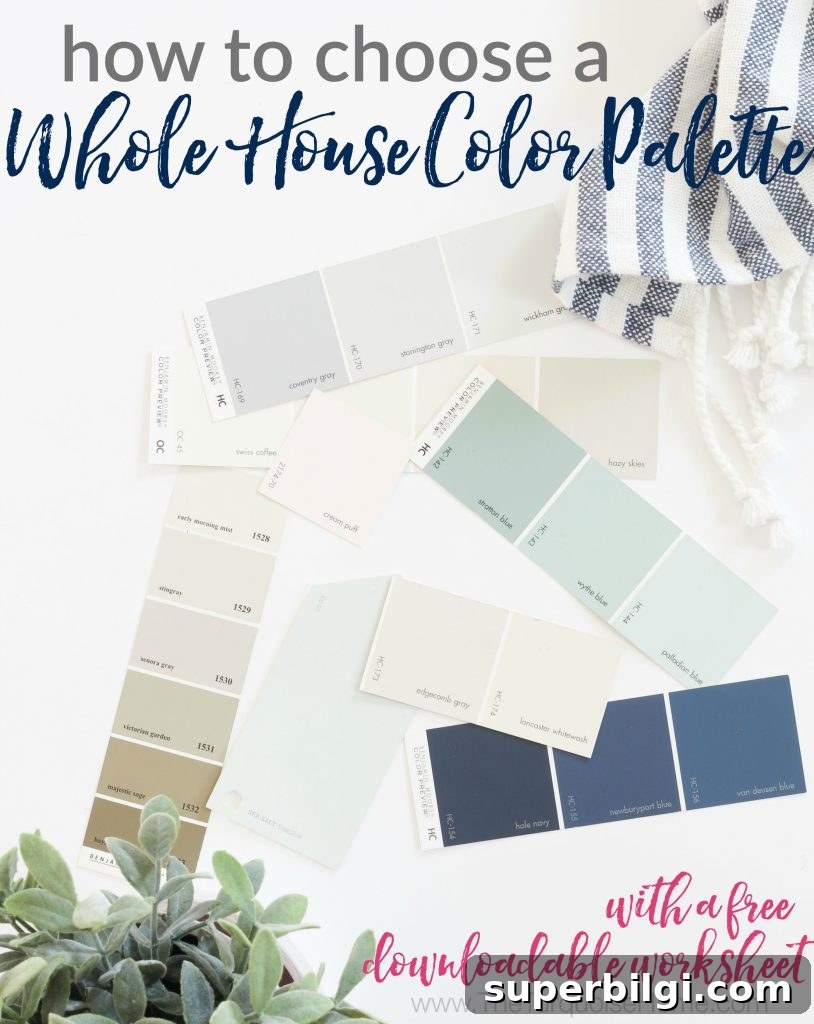
Once you pick a gray, test it on a poster board or peel-and-stick swatch and place it around the room to view it under different lighting. Make sure the chosen gray fits into your home’s overall color palette—cohesion between rooms creates a calm, intentional flow. If you don’t already have a palette, create one that includes your primary wall colors, trim, accent colors and finishes.
More Home Decor Paint Color Favorites
- Repose Gray
- Sea Salt
- Hale Navy
- Revere Pewter
- Gray Owl
- Wythe Blue
- White Dove
- Agreeable Gray
Tips for Painting a Room Yourself
I recommend reading step-by-step painting guides and investing in a few quality tools. Proper preparation and the right equipment make the job faster and the finish much better.
- Paint brush – A high-quality brush lasts for years when properly cleaned and gives a much smoother finish than cheaper alternatives.
- Painter’s tape – Essential for clean edges and protecting trim if you don’t have a steady hand.
- Drop cloths – Protect floors and furniture while you paint.
- Paint cup – Small tools like a paint cup with a brush rest make painting more comfortable and efficient.
- Roller tray and liners – A good tray and disposable liners speed up cleanup and make the process neater.
More posts you might enjoy:
- The Best 15 Neutral Paint Colors
- Benjamin Moore Simply White
- The Best Blue Gray Paint Colors
- The Best Green Paint Colors for Your Home
- Best Living Room Paint Colors