
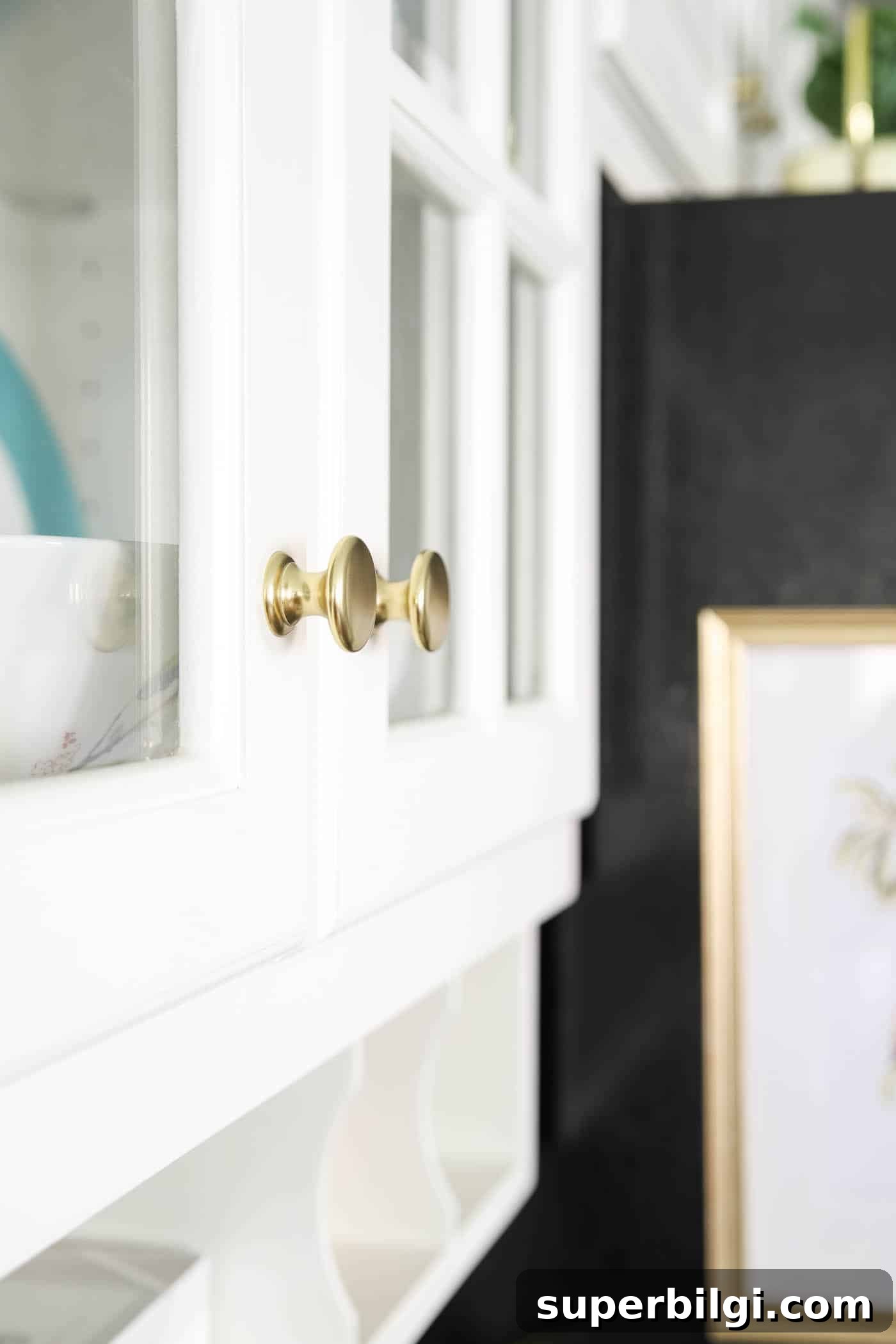
Cabinet hardware adds the final touch of personality to your kitchen. Believe it or not, the placement of knobs, pulls, latches and handles affects not only the look of your space but its everyday functionality. Below are clear, practical guidelines and helpful tips to confidently place cabinet hardware so your kitchen is both beautiful and easy to use.
The location of cabinet knobs and pulls blends practicality with personal style. The right hardware and correct placement can elevate your kitchen design while making doors and drawers easier to operate. Read on for an overview of popular hardware types and straightforward placement recommendations you can apply to new installations or simple updates.
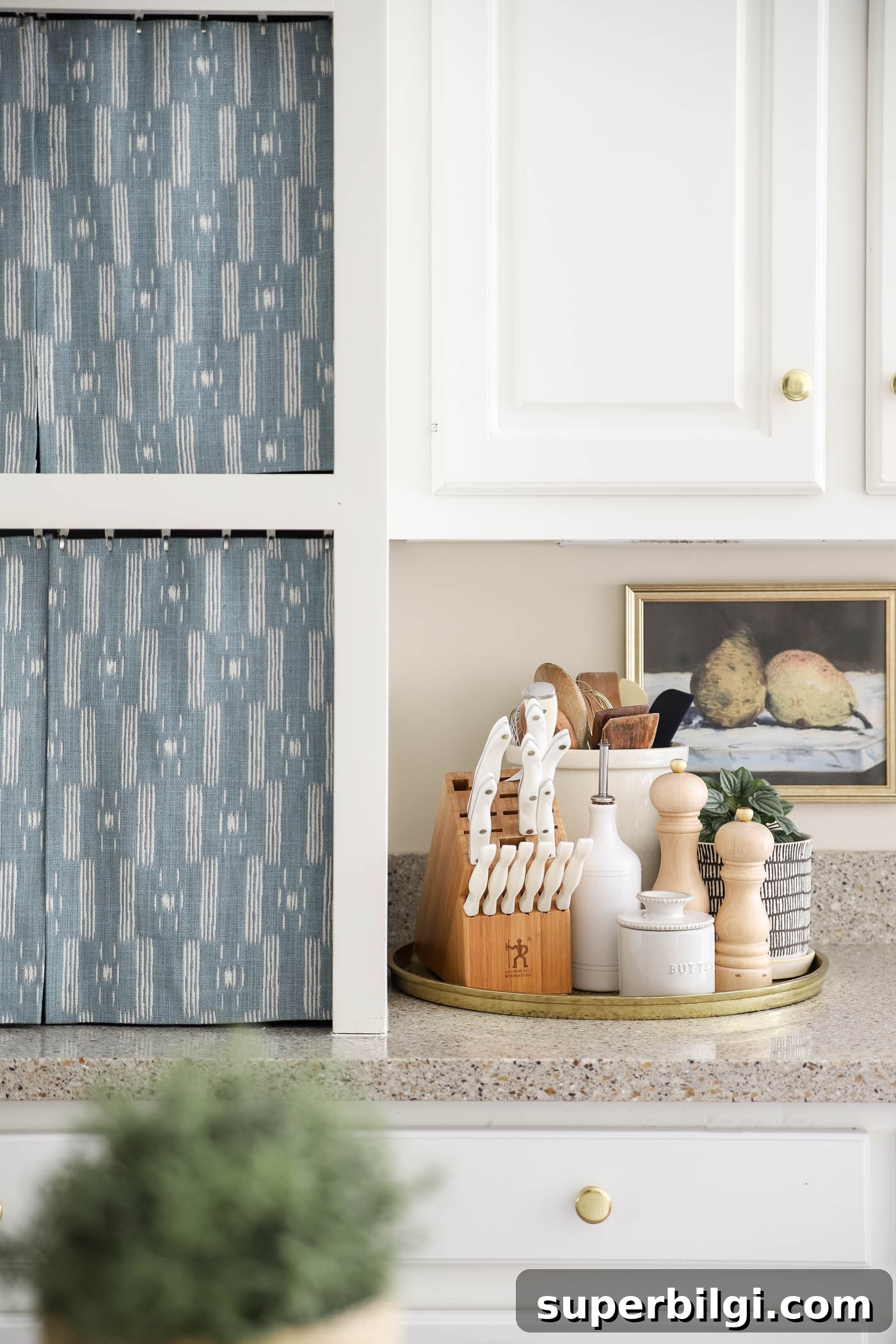
Cabinet knobs and pulls options
If you haven’t browsed the cabinet hardware aisle lately, the variety may surprise you. Different styles affect both the aesthetics and the way you place hardware on doors and drawers. Below are common options and what to consider for each.
Knobs
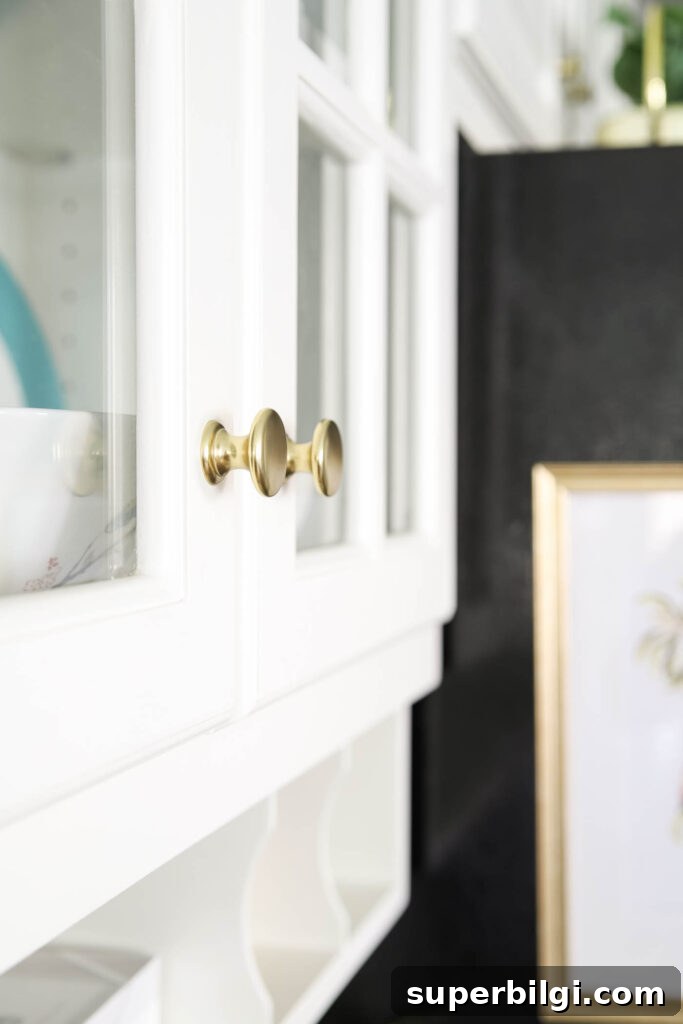
Knobs are single-point fixtures that require one hole and are typically the easiest and most economical choice. They come in a wide array of shapes and materials: classic round or ball knobs, square and geometric designs, glass, wood, stone, and more. Knobs work well in traditional and transitional kitchens and add a softer, less linear visual than long pulls.
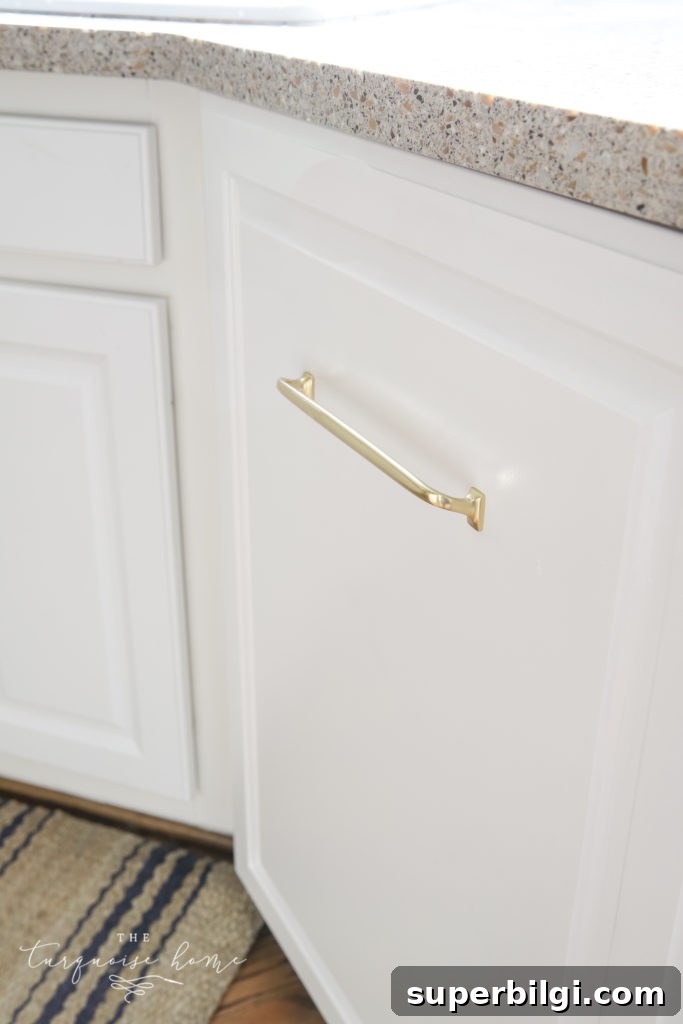
Pulls
Pulls (bar-style handles) attach with two screws and are available in many lengths and finishes. When choosing pulls, size proportionality is important—longer pulls suit wide drawers and large cabinet doors, while shorter pulls fit narrower fronts. Pulls can lend a clean, contemporary rhythm to cabinetry when used consistently.
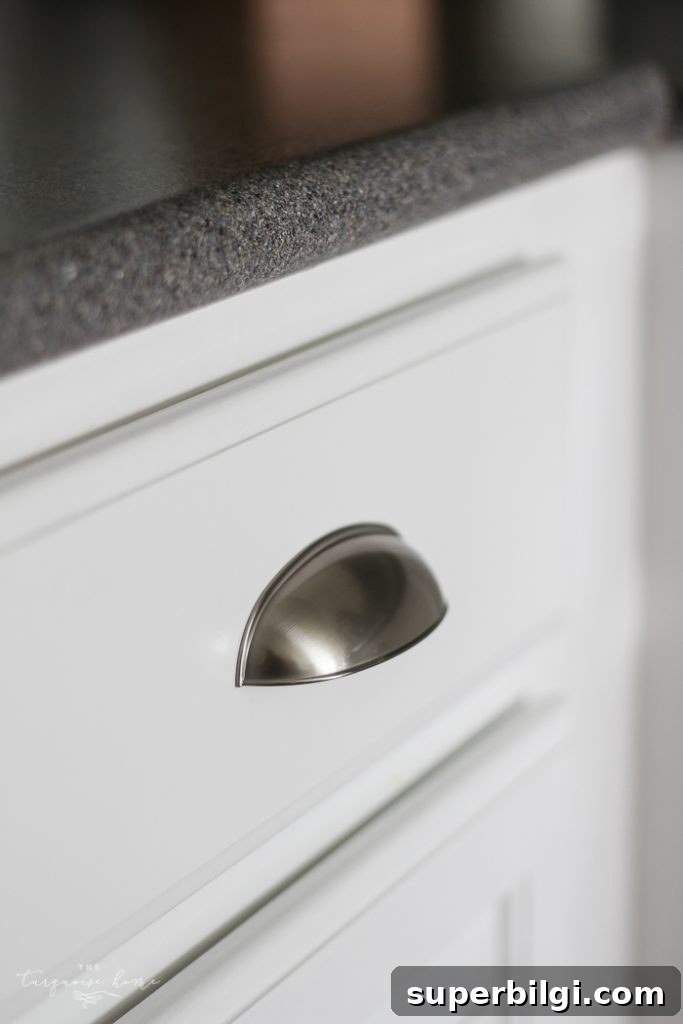
Cup Pulls
Cup pulls have a scooped shape you slide your fingers under. They are especially popular on base cabinet drawers and offer a classic, slightly vintage look. Because cup pulls are designed to be grasped from below, they are typically used only on lower drawers rather than upper cabinet doors.
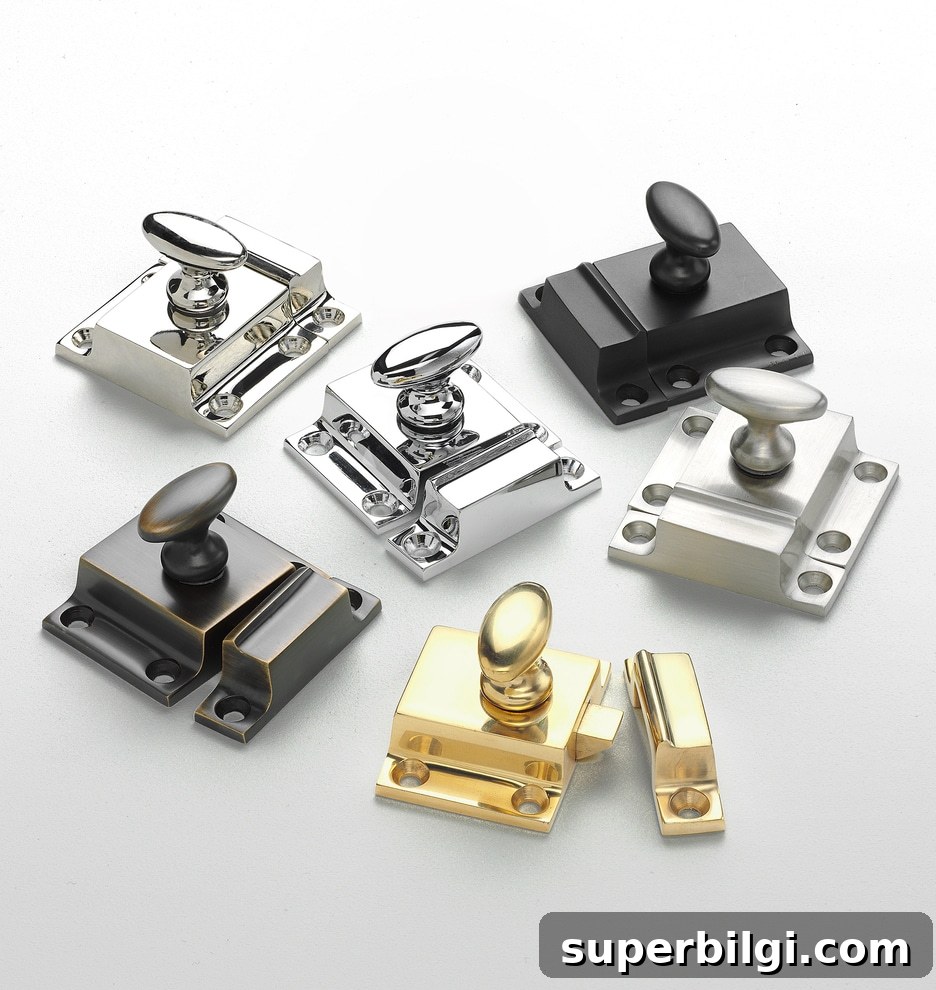
Cabinet Latch
Cabinet latches consist of several components and evoke a historical or farmhouse charm. They work best on inset doors or cabinet fronts where two doors meet closely. Latches are often used on occasional-access or storage cabinets rather than everyday-use doors because of their decorative and functional character.
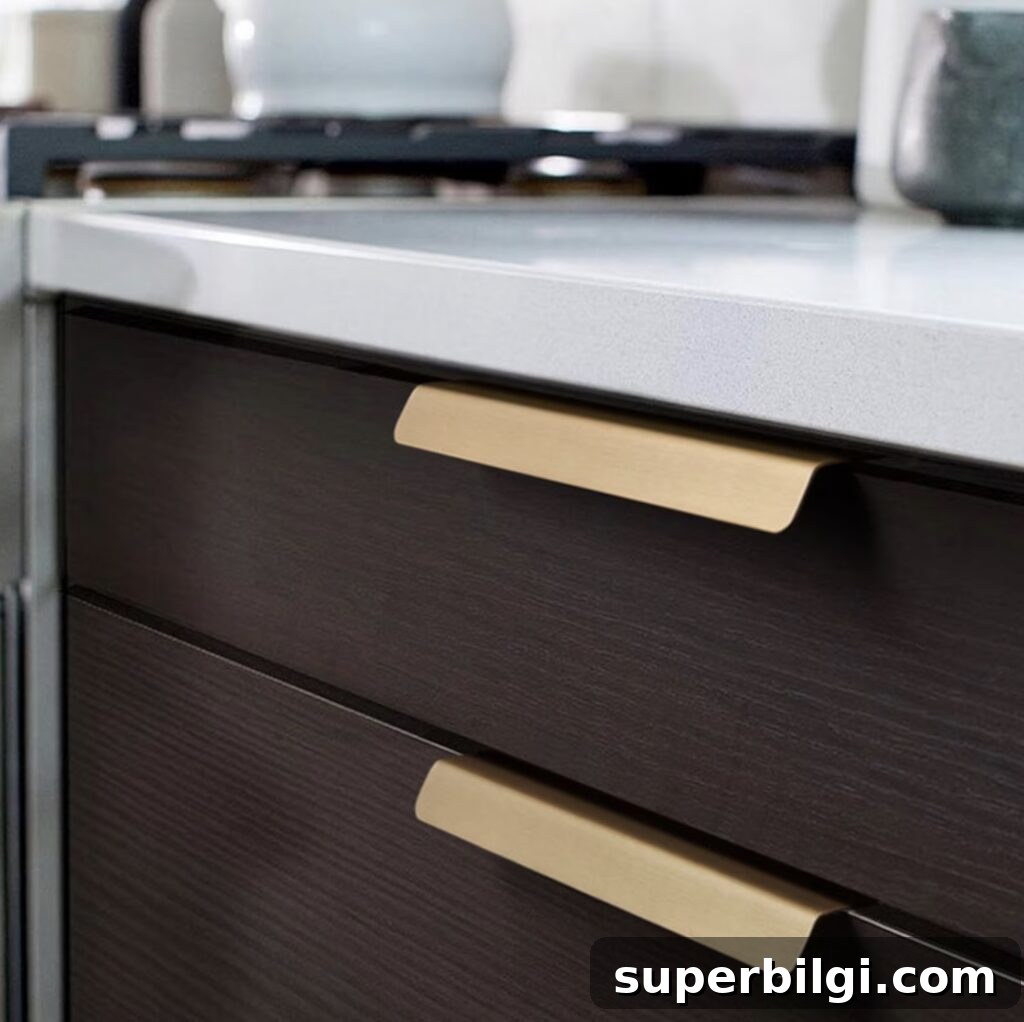
Finger Pulls or Edge Pulls
Finger pulls (or tab pulls) mount on the top or edge of a door or drawer to create a concealed lip you grab. This minimalist option reduces visible hardware and suits modern, streamlined kitchens. They are usually placed centered on panels or near outer edges depending on the design.
Knobs vs. pulls
While tradition pairs knobs with doors and pulls with drawers, the choice is largely aesthetic. Knobs soften the visual field while pulls create linear emphasis. Many kitchens mix styles—knobs on cabinet doors and pulls on wide drawers—or use one type throughout for a unified look. Consider how the finish, scale and ergonomics work with your cabinetry and design intent.
Cabinet construction terminology
Before placing hardware, it helps to know a few cabinet terms:
- Rails – Horizontal frame pieces at the top and bottom (and sometimes middle) of a door.
- Stiles – Vertical frame pieces along the sides of a door. (“Stiles stand” is an easy memory aid.)
- Panels – The central door area between rails and stiles on framed doors.
Note: Some doors are slab-style and have no visible rails, stiles, or panels.
Cabinet hardware placement for doors
These placement recommendations balance reachability and visual proportion. Treat them as guidelines you can adapt to your cabinet style and personal preference.
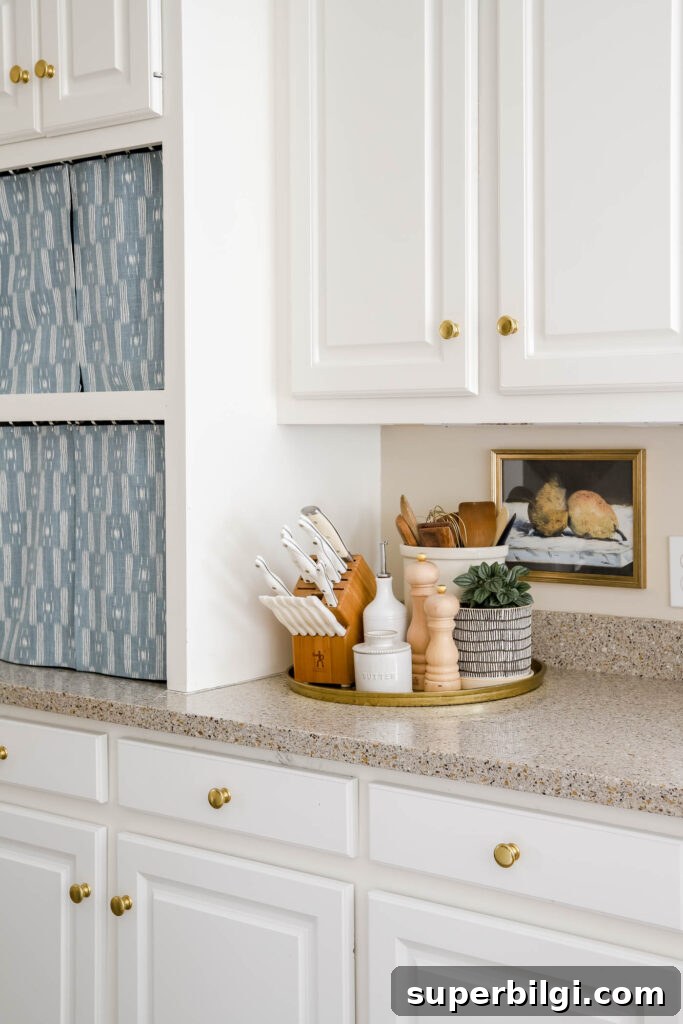
Cabinet knob placement
For doors, align knobs on the stile opposite the hinges. Measure about 2.5″ to 3″ from the nearest corner (the inside edge where the door meets the cabinet frame) and install the knob near that point. For upper wall cabinets, place the knob in the lower corner opposite the hinge. For lower base cabinets, position the knob in the upper corner opposite the hinge for comfortable reach.
Cabinet handle placement
When installing pulls vertically on doors, set the centerline of the pull so one mounting hole sits approximately 2.5″–3″ from the corner, with the second hole at the opposite end of the pull. For lower cabinets with vertical pulls, reverse the reference (top hole in the 2.5″–3″ range). Center the pull horizontally on the stile for a balanced appearance.
Cabinet latch placement
Position cabinet latches on the stile or on the cabinet face where the strike plate can align properly. As with knobs, a common guide is to place the latch about 2.5″–3″ up from the bottom edge of an upper cabinet door or 2.5″–3″ down from the top of a lower cabinet door to ensure consistent sightlines and ergonomic reach.
Cabinet hardware placement for drawers
Drawer placement differs because drawers lack hinge constraints. Follow these simple rules for balanced and functional hardware placement.
Drawer knob positioning
For drawers under 24″ wide, use a single knob centered horizontally and vertically on the drawer face or on the center of a top rail on Shaker-style drawers. For drawers wider than 24″, use two knobs for visual balance: divide the drawer width into thirds and mount knobs at the one-third and two-thirds marks.
Drawer pulls positioning
Standard horizontal pulls should be centered vertically and horizontally on the drawer face or installed centered on a top rail. For very wide drawers, consider two pulls spaced so they fall in the left and right thirds of the drawer for balanced access and appearance.
Drawer cup pulls positioning
Comfort is key with cup pulls. Mount them either centered on the drawer face or in the top third of the drawer to reduce the need to reach down as far. Placement will depend on the drawer height and user comfort.
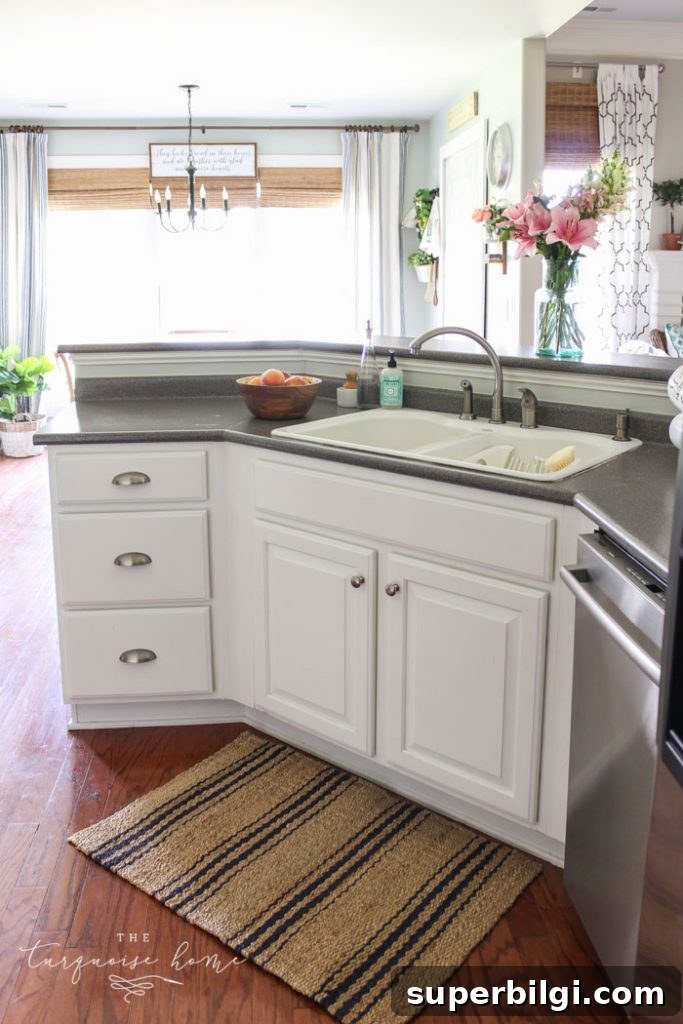
Hardware for appliances
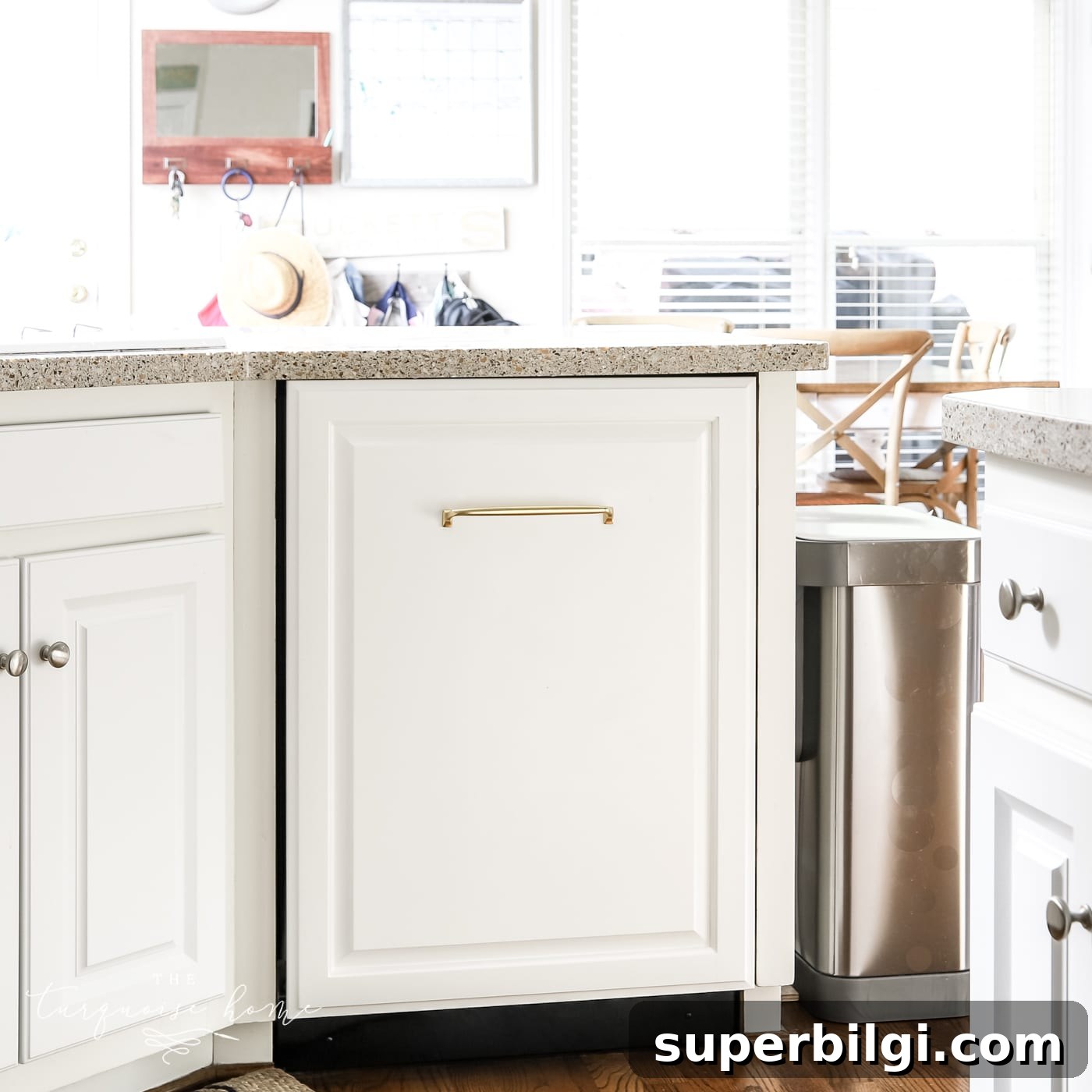
Panel-ready appliances allow you to unify the look of your kitchen by fitting cabinet panels to dishwasher or fridge fronts. Appliance doors require hardware designed to withstand heavier weight and different attachment points than cabinet doors. Use appliance-specific handles and mounting kits for panel-ready units so the hardware will bear the load safely and align with your cabinetry hardware for a cohesive look.
Tips to keep in mind
These small steps will make installation smoother and ensure consistent results:
- If you’re replacing hardware, match hole spacing to avoid unnecessary drilling—reusing holes saves time and keeps cabinets intact.
- Confirm doors and drawers are level and properly aligned before marking or drilling hardware locations.
- Create a simple drilling template for repeated placements so holes are consistent across multiple doors and drawers.
- Prioritize ergonomics: choose hardware that fits comfortably in your hand. Function should guide style choices.
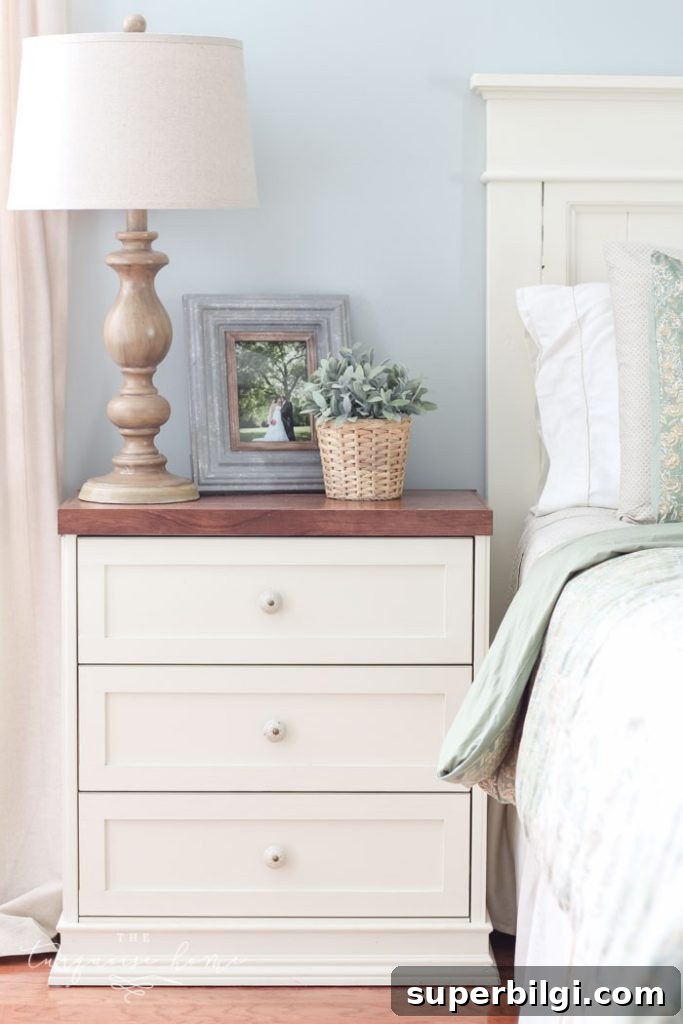
Use the placement guidelines here as a dependable starting point and adapt them to your cabinetry style and daily needs. Thoughtful hardware selection and precise placement will make a noticeable difference in both the look and usability of your kitchen.
More decorating ideas you might enjoy: Kitchen counter styling, displaying cabinet wreaths, seasonal kitchen decorating tips, and ways to refresh your kitchen.