
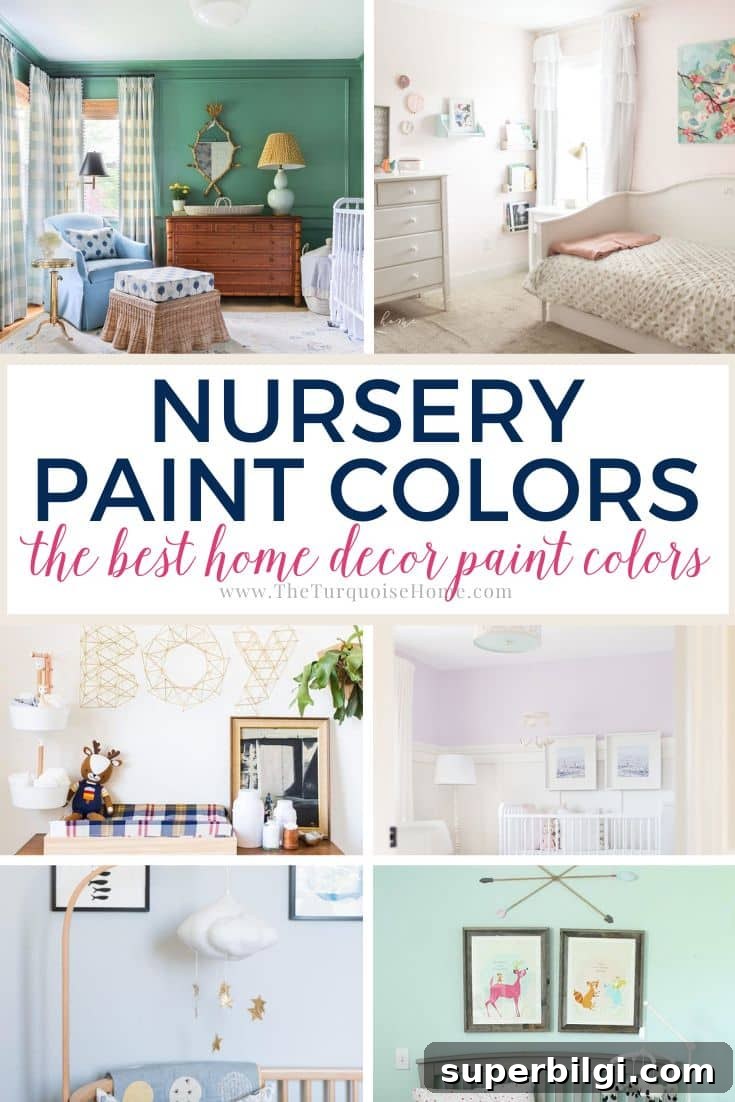
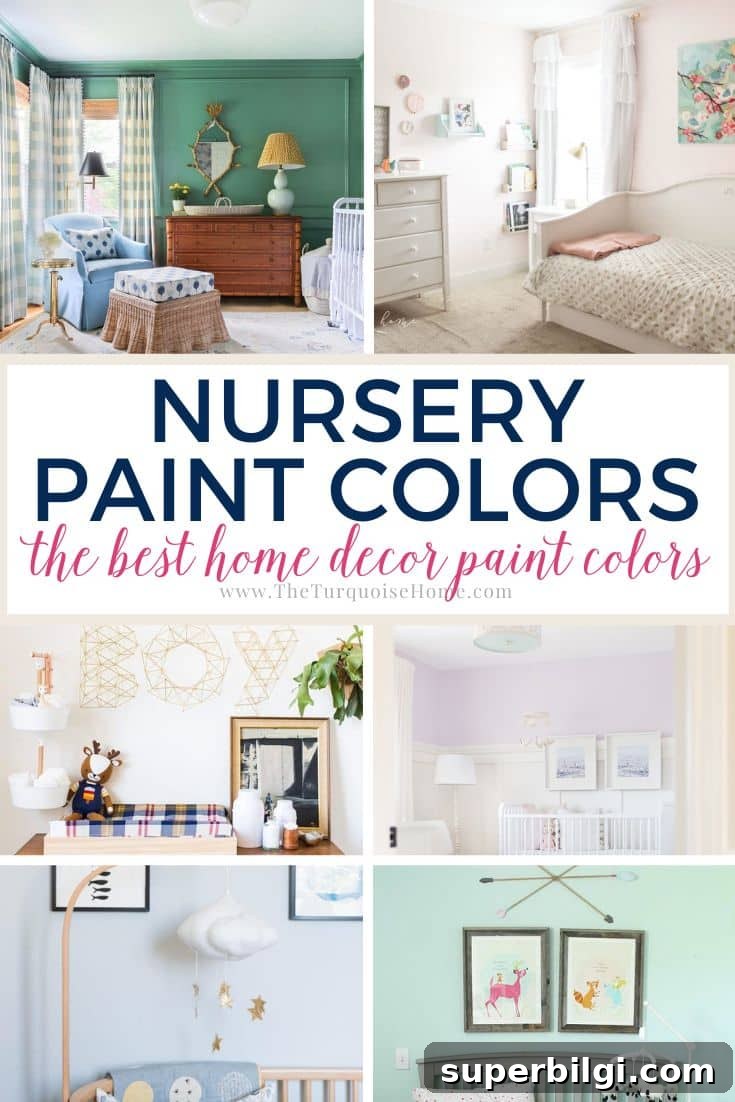
Choosing the right paint color for your nursery might not feel like a top priority amid all the decisions that come with a new baby, but it matters. The wall color sets the mood for a space where you’ll spend countless hours feeding, soothing, and bonding. To help you get started, I’ve gathered a broad selection of the best nursery paint colors and ideas organized by style and use.
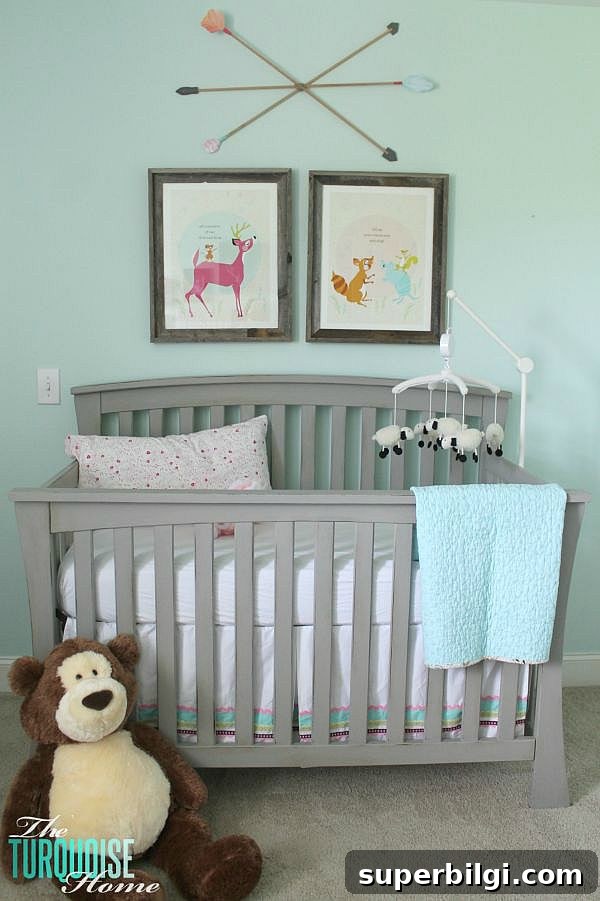
When I designed my daughter’s nursery years ago, it took nearly a year from mood board to finished room. It included plenty of DIY touches and lots of sampling before we settled on a soft minty green that felt just right. The process taught me how helpful testing paint in the actual room can be—natural and artificial light dramatically change what you see on a swatch.
Before the color recommendations, here are a few practical considerations to guide your decision and keep the room healthy and comfortable for baby.
This post may reference products I use and recommend.
PRO Tip
Always test real paint on your walls before committing—samples in the room will show how light and furnishings affect the shade.
The easiest way to preview color is with real paint samples that you can stick on the wall and move around. They eliminate the mess of tiny paint pots and better represent how a finished wall will look in different parts of the room.
Quick tools and a good step-by-step guide are invaluable if you plan to paint the room yourself.
What paint can I use in a nursery?
For a baby’s room, choose low-VOC or zero-VOC paints whenever possible. Volatile organic compounds (VOCs) are chemicals released as paint dries and can cause headaches or respiratory irritation. Most major paint brands now offer low- or zero-VOC formulas—ask for them at the paint counter.
Do nurseries need to be colorful?
Not at all. The most important quality is that the room feels calm and comfortable for both parent and child. Some families prefer a bright, playful palette while others choose muted, neutral tones. Rugs, curtains, art, and textiles are easy ways to add or change color without repainting, so start with a mood board to keep the direction consistent.
What are the best colors to paint a nursery?
Color psychology suggests that pale blues and greens, soft lavenders, gentle warm grays, blush pinks, and pale yellows work well for soothing spaces. I also include a few bolder, nontraditional options and accent-wall ideas below. Consider how much natural light the room gets: bright rooms can handle cooler tones, while darker rooms benefit from warmer hues.
Best Nursery Paint Colors for Girls
Below are a few tried-and-true colors that read as feminine without feeling dated. I’ve included a few personal favorites used in my daughters’ rooms.
1. Benjamin Moore Lido Green
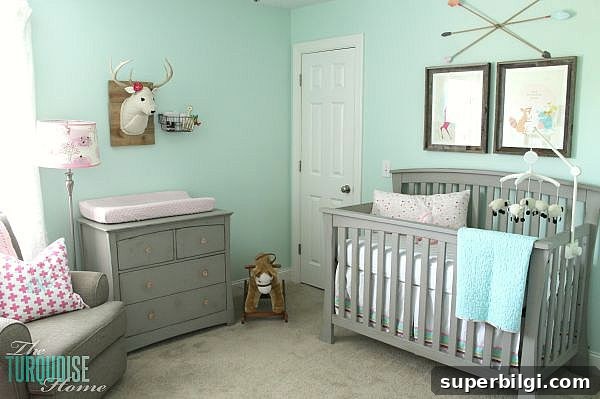
Lido Green is a soft minty green-blue with a fresh, airy feel. It reads as both modern and sweet—perfect for a nursery that will grow with the child.
2. Farrow & Ball No. 202 Pink Ground
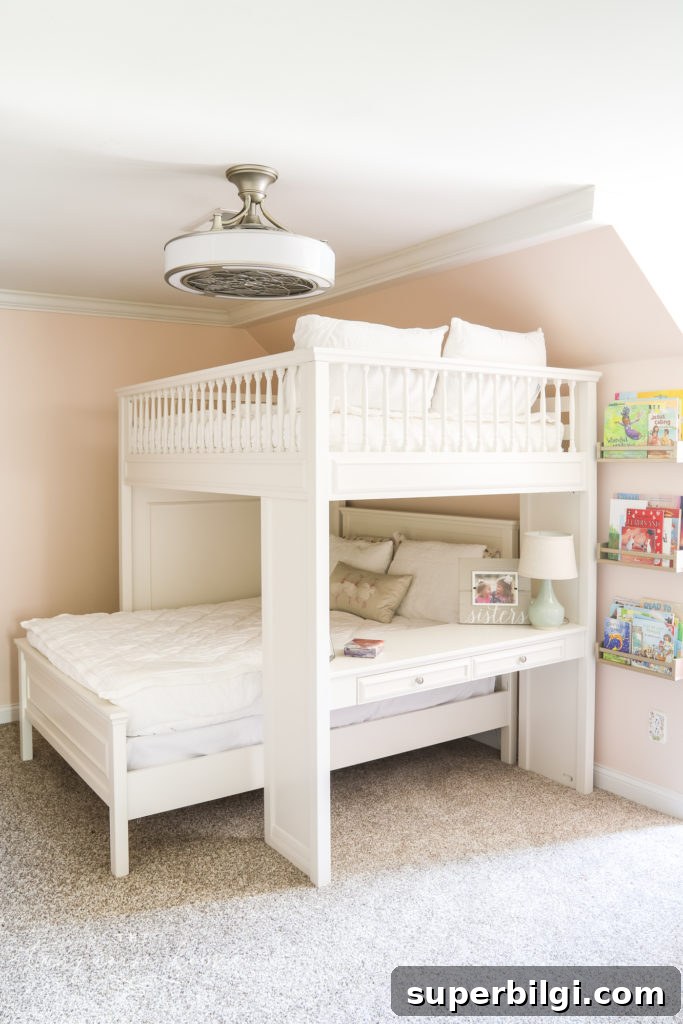
A warm peachy-pink, Pink Ground looks lively in sunlight and becomes very soft in lower light. It pairs beautifully with neutrals and warm wood tones.
3. Benjamin Moore Cream Puff
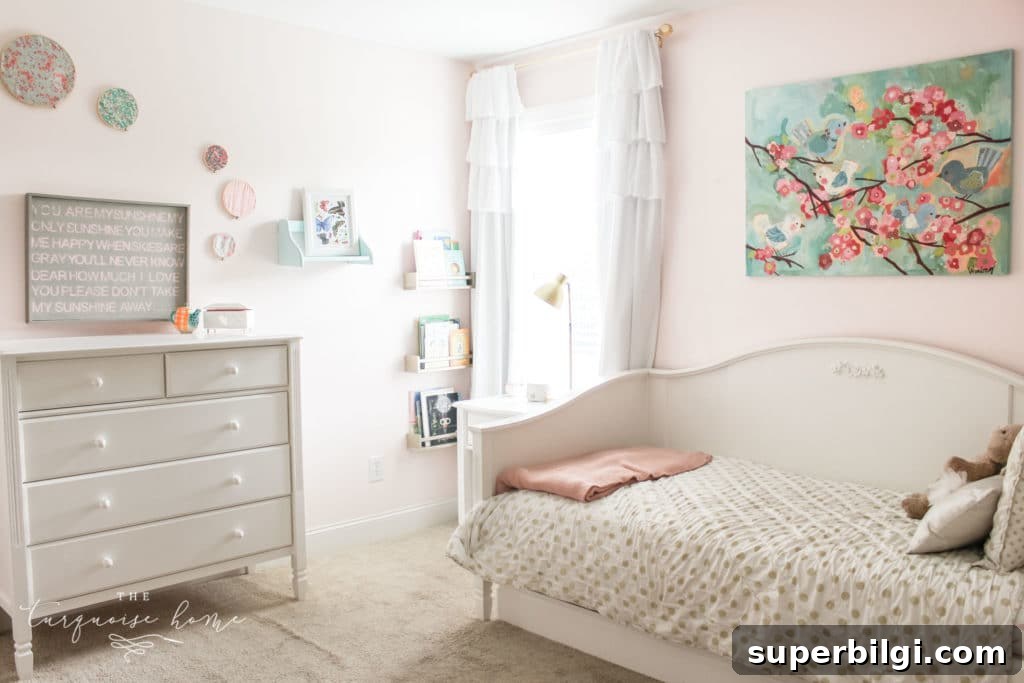
Cream Puff is a delicate blush that worked well in my daughter’s nursery and transitioned smoothly as she grew—soft but with enough presence to feel intentional.
4. Benjamin Moore Raspberry Ice
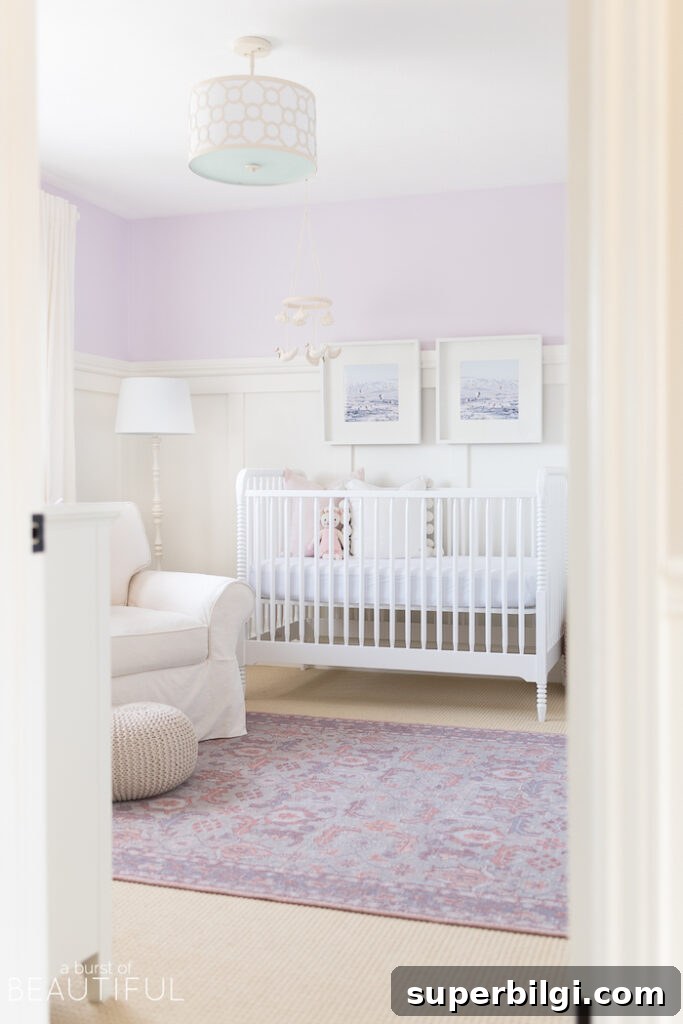
A pale, cool purple with subtle gray undertones, Raspberry Ice brings a serene and slightly sophisticated mood to a nursery without feeling heavy.
5. Benjamin Moore Seaside Sand
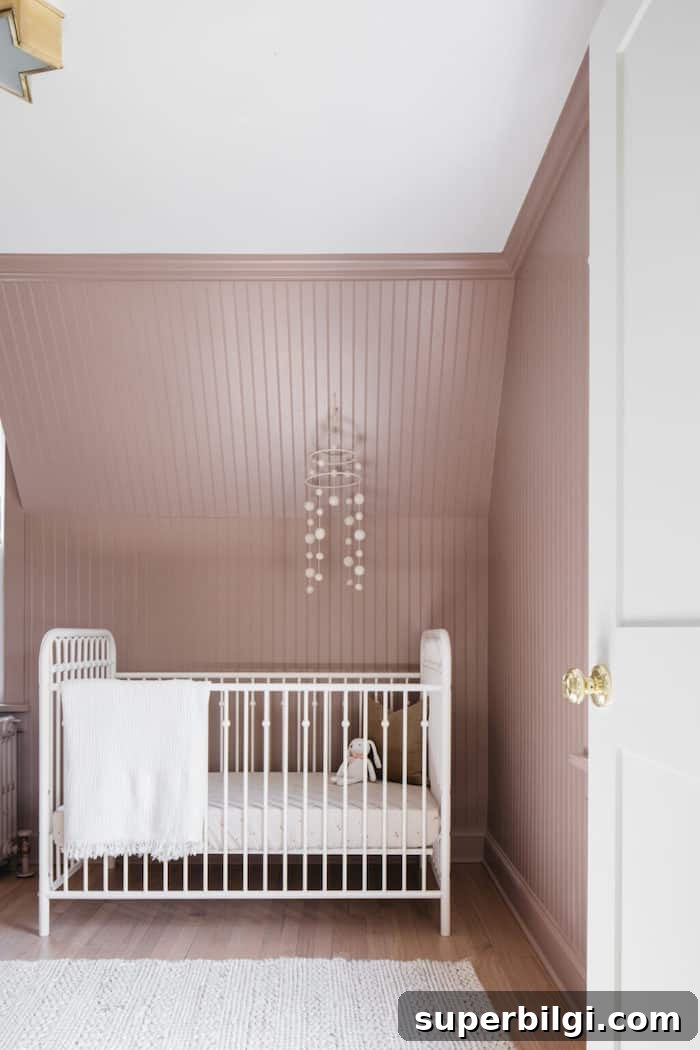
Seaside Sand reads as a deep mauve-near-neutral and pairs especially well with natural textures and crisp white furniture for a warm, comforting feel.
Best Nursery Paint Colors for Boys
Here are calming and classic paint options that work well in boys’ nurseries while remaining timeless.
1. Sherwin Williams Retreat
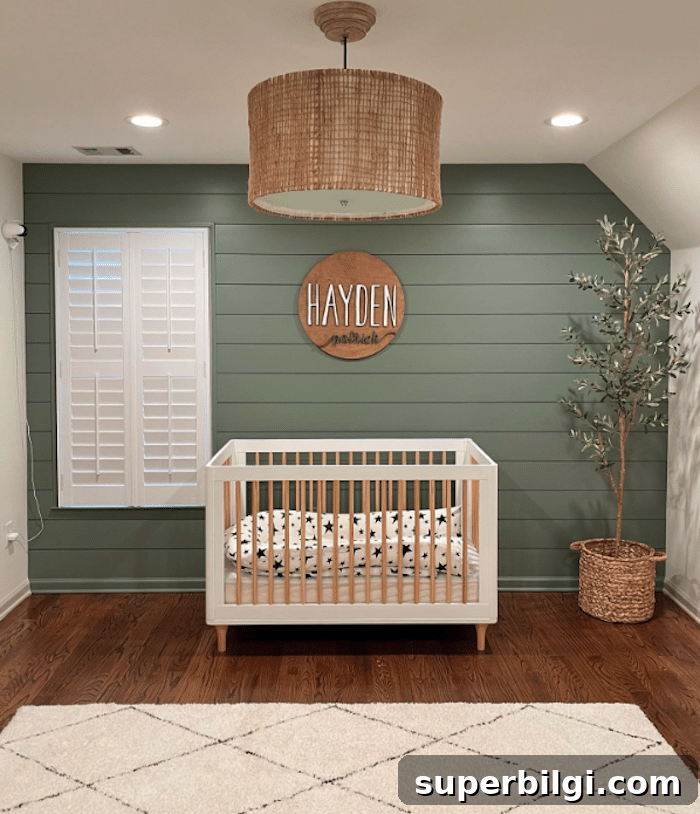
A medium-to-dark green with blue-gray undertones, Retreat evokes nature and pairs beautifully with earthy textiles and wood accents.
2. Benjamin Moore Hale Navy
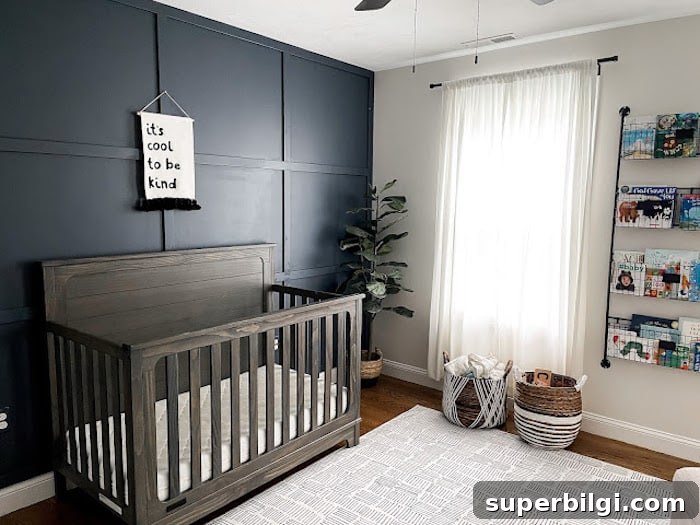
A deep navy makes a striking accent wall and works surprisingly well in smaller rooms when balanced with light furnishings and natural light.
3. Benjamin Moore Whitestone
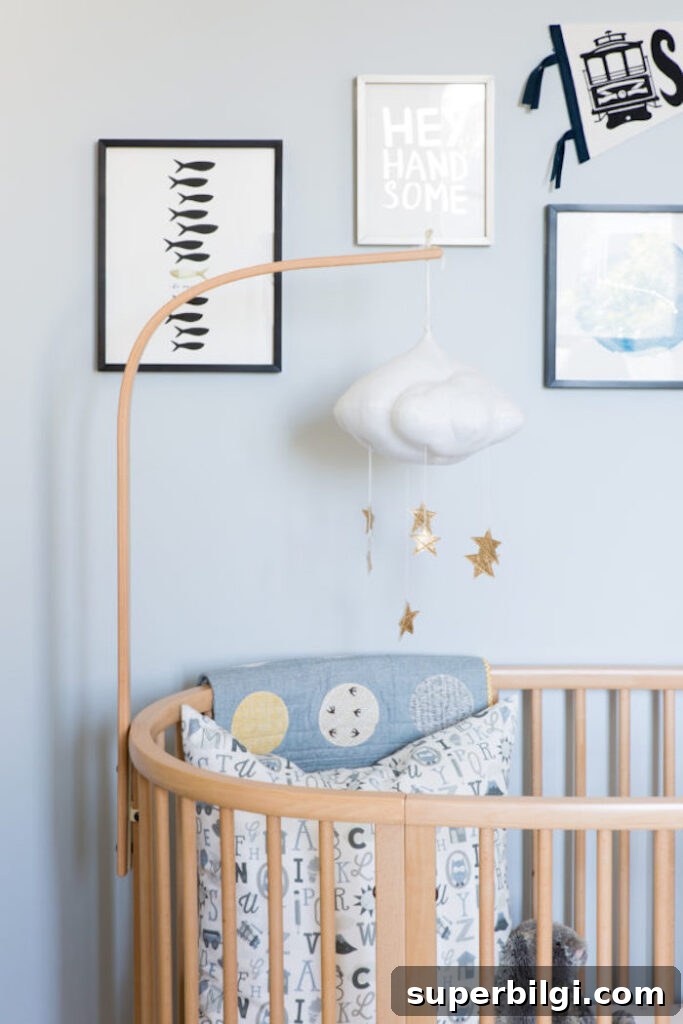
Whitestone is a cool light gray with blue undertones—neutral enough to pair with a variety of accent colors and warm woods.
4. Benjamin Moore First Snowfall
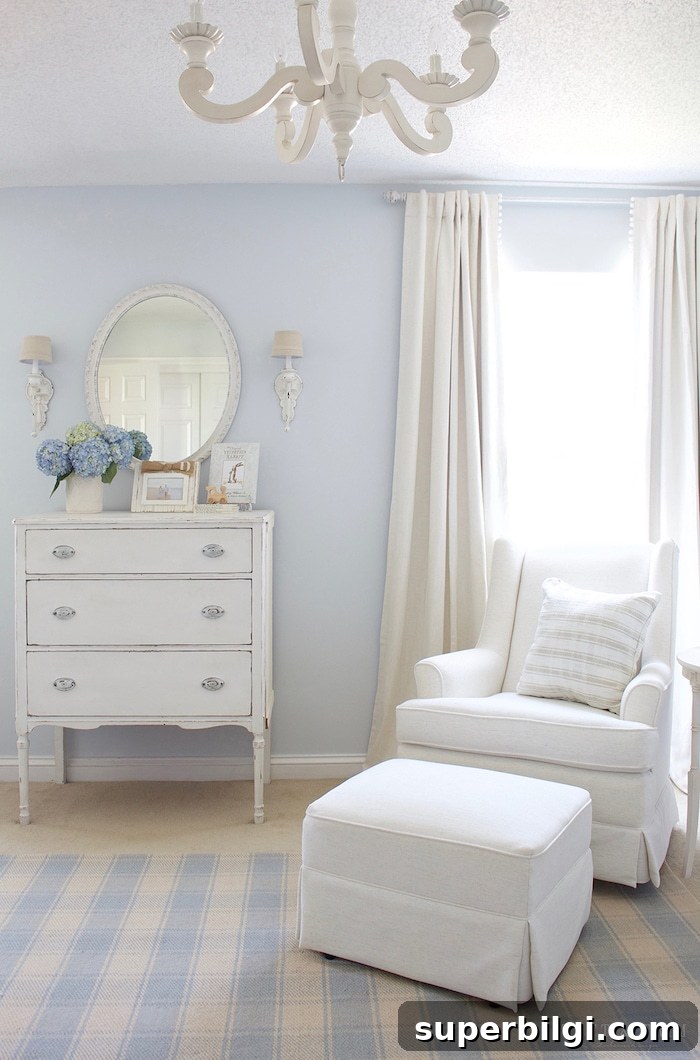
A delicate blue-gray, First Snowfall can read slightly lilac in certain pairings and lends a soft, dreamy backdrop to nursery art or mural work.
5. Benjamin Moore Boothbay Gray
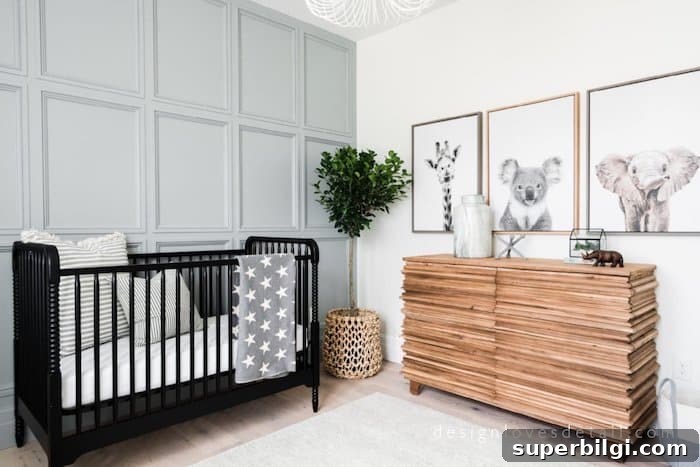
A steely gray with blue hints, Boothbay Gray makes a calming accent color that complements natural elements and framed artwork.
6. Benjamin Moore Lehigh Green
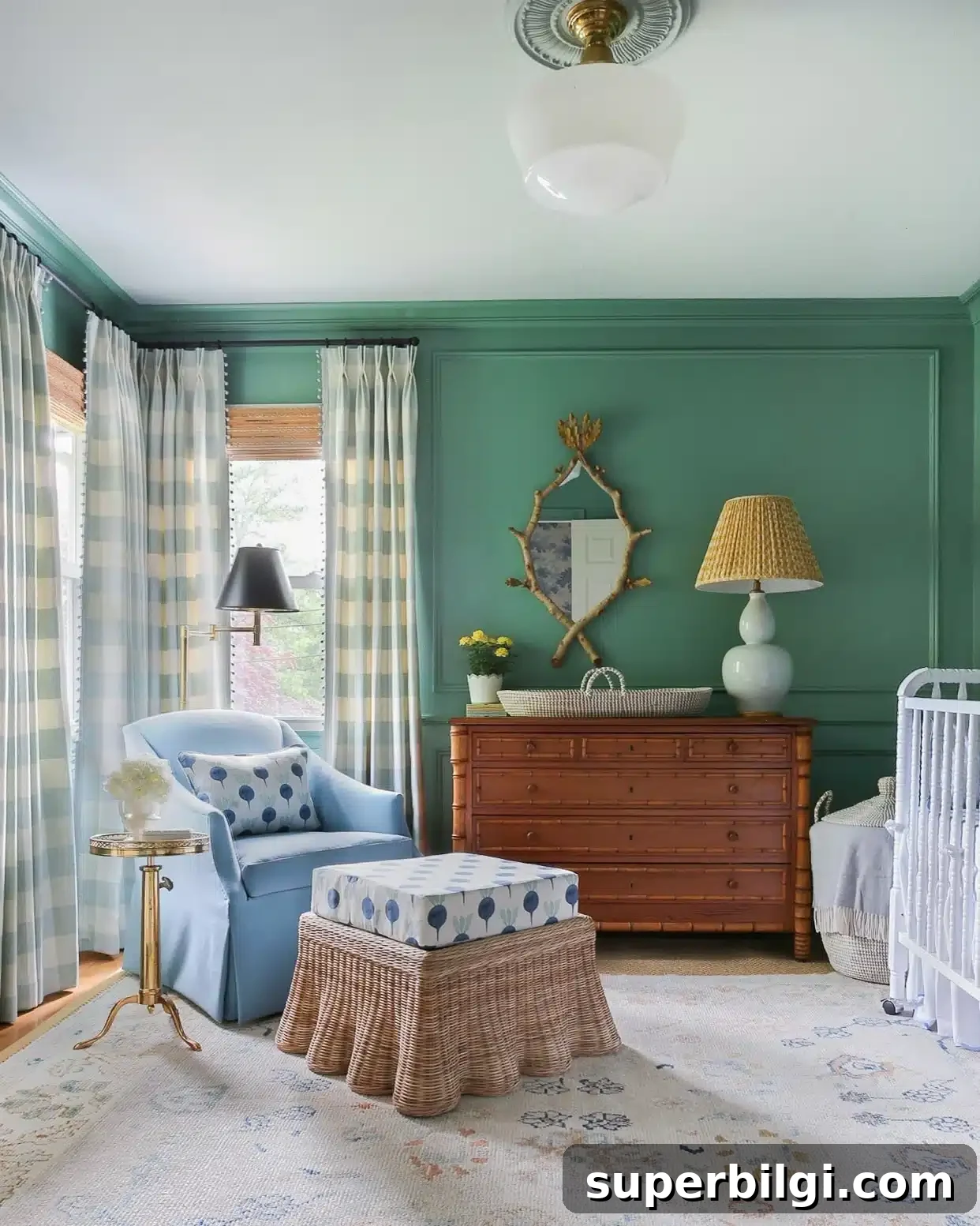
A bold grassy green, Lehigh Green provides a lush, unexpected backdrop that pairs well with various blues and natural textures.
Best Neutrals for Nursery Walls
Neutral walls give you the most flexibility as your child grows—furniture and accessories can shift the room’s mood without repainting. Here are a few versatile neutrals to consider:
1. Benjamin Moore Revere Pewter
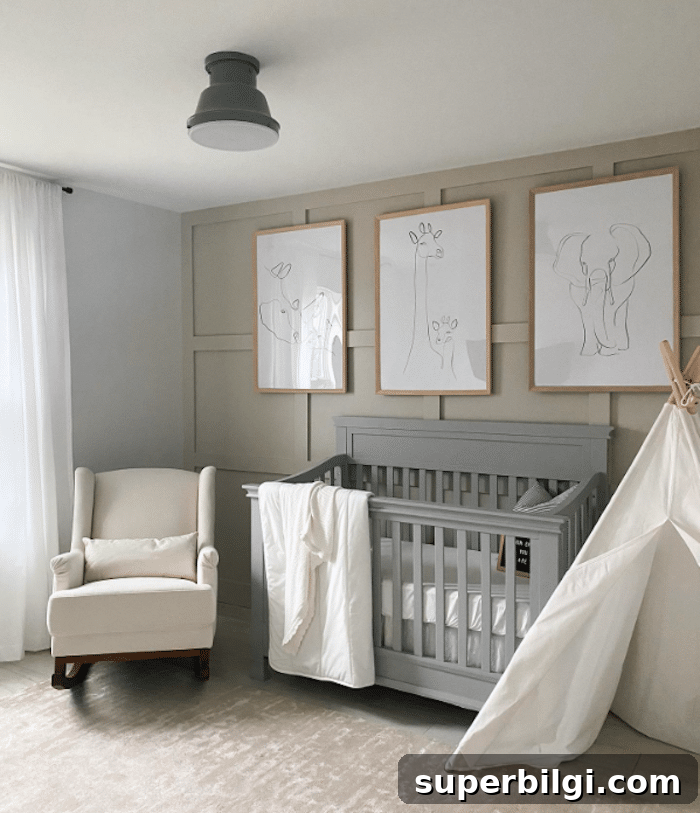
Warm and adaptable, Revere Pewter strikes a balance between cool and warm tones and pairs easily with both modern and traditional furnishings.
2. Benjamin Moore Big Bend Beige
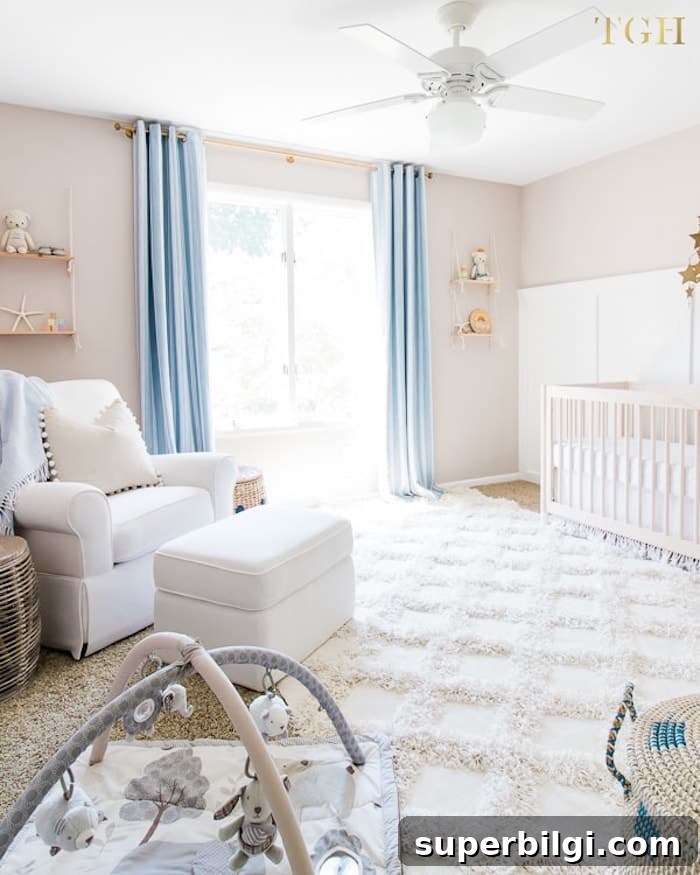
A soft putty-like beige with subtle pink undertones in bright light, this color creates a cozy, warm backdrop for pastel accents.
3. Sherwin Williams Alabaster
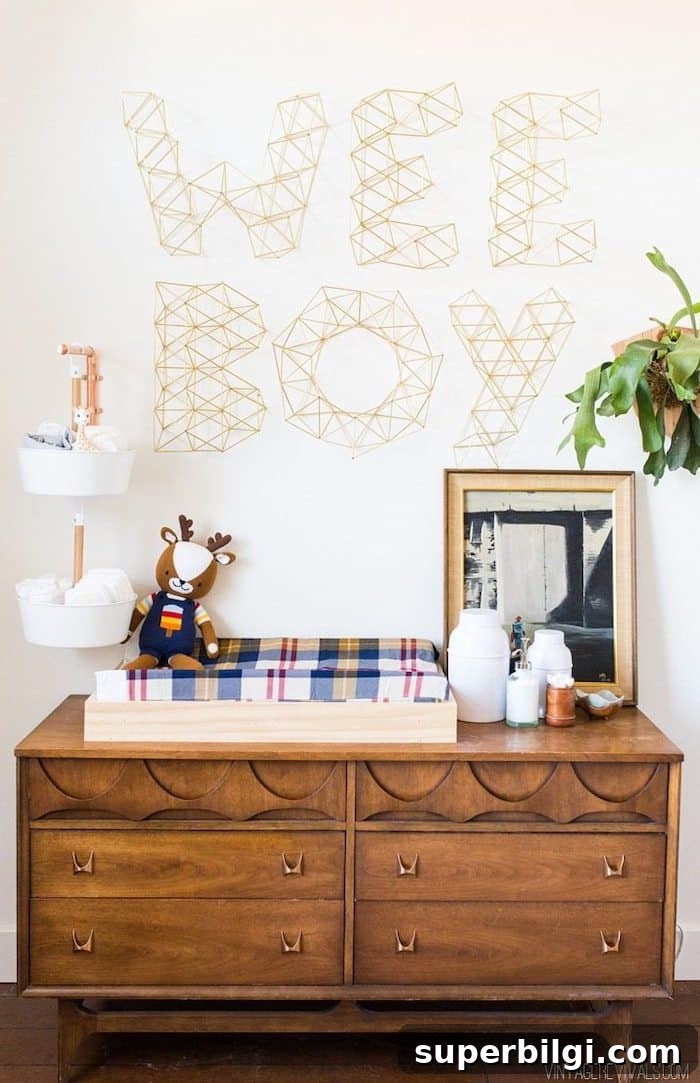
A warm white with gentle depth, Alabaster is versatile and soothing—ideal if you want a bright, calming base that still feels warm.
4. Benjamin Moore Pale Oak
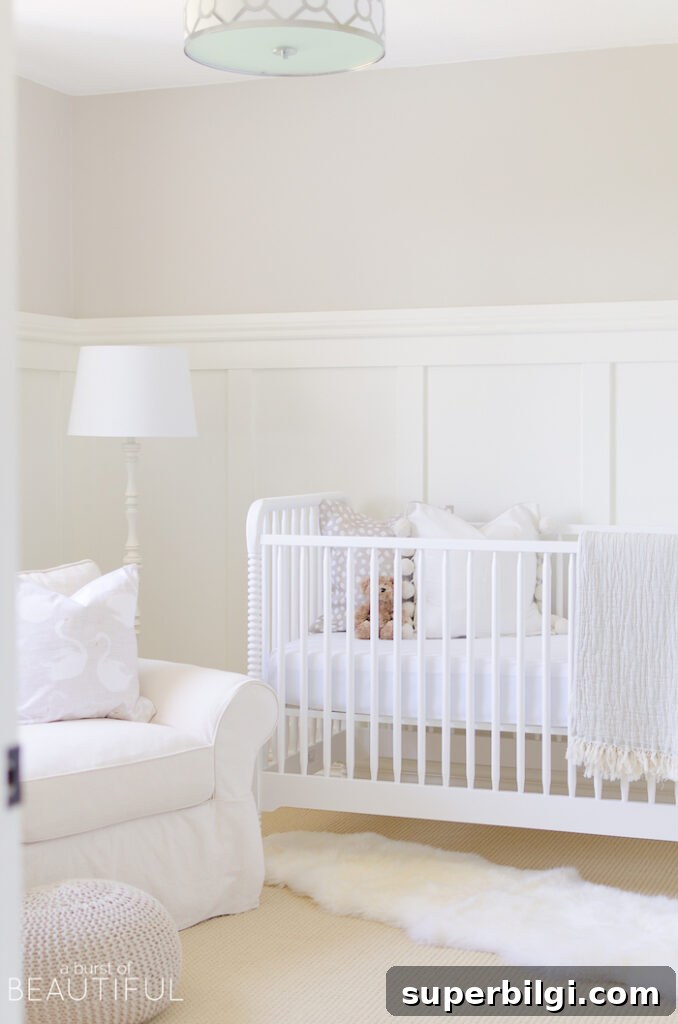
Pale Oak is a muted warm gray that leans neutral and pairs wonderfully with natural materials and brighter whites.
5. Benjamin Moore Paper White
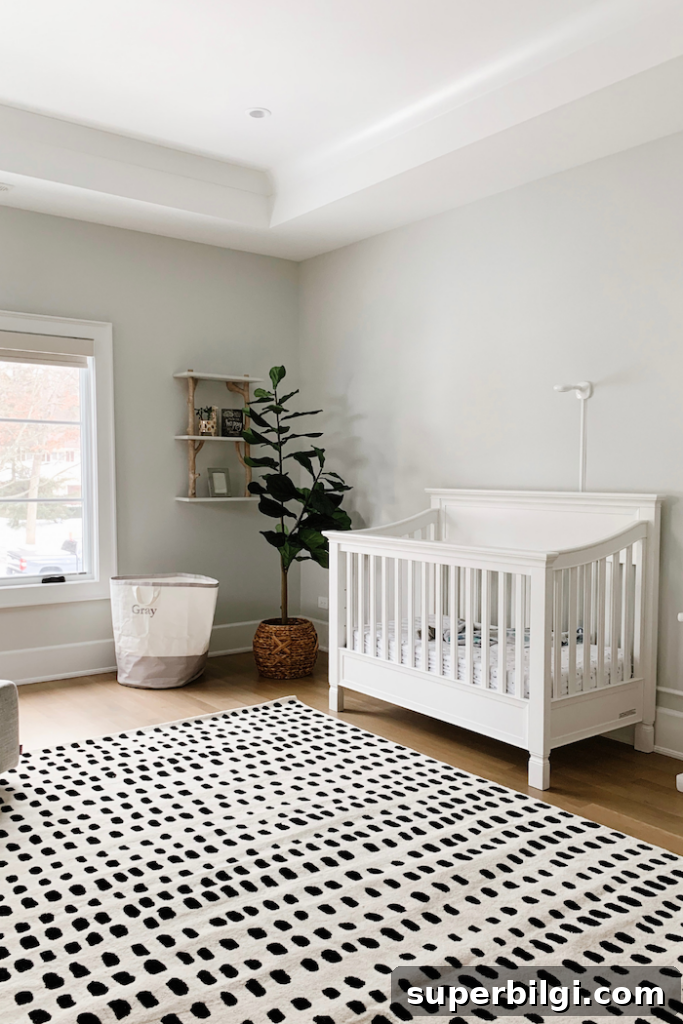
Paper White has a hint of blue-gray that adds dimension when paired with bright white trim and furniture, creating a layered, calm palette.
Beautiful Nursery Wallpaper & Accent Wall Ideas
Accent walls and wallpaper are excellent ways to add visual interest without overwhelming the whole room. Here are a few approaches that work especially well in nurseries:
1. Traditional Woodland Wallpaper
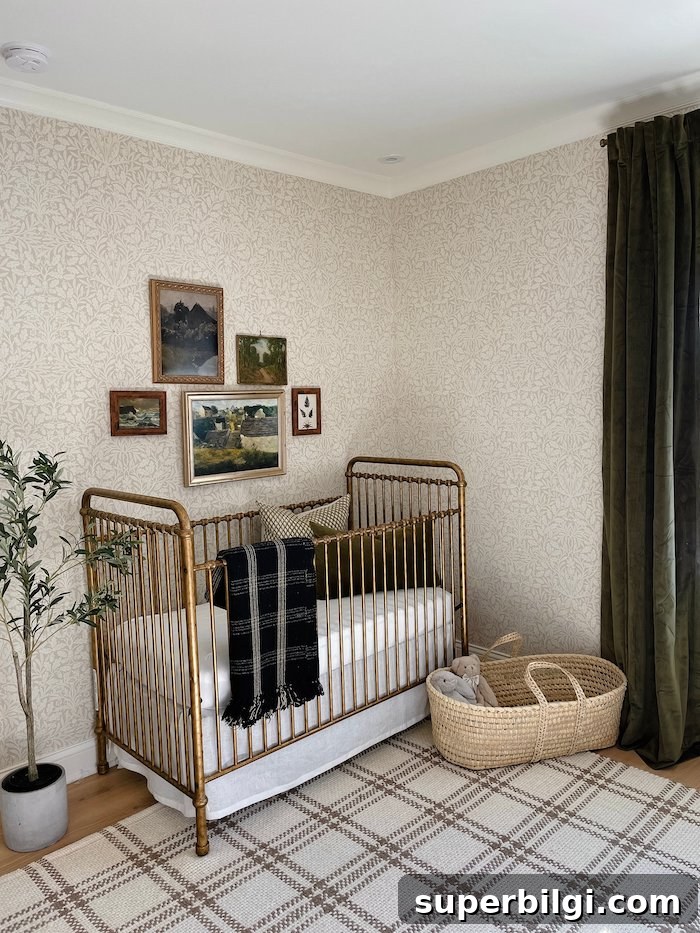
A nature-inspired wallpaper in neutral tones creates a cozy focal point and lets artwork and simple furnishings shine around it.
2. Subtle Patterned Wallpaper
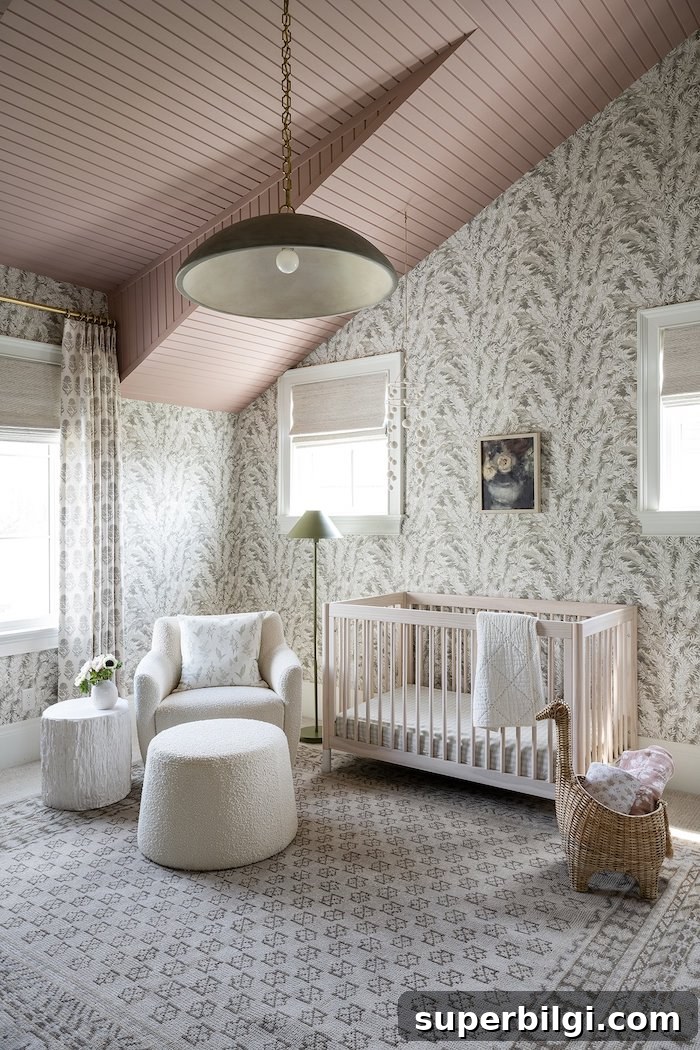
A soft allover pattern in neutral colors adds texture and warmth without feeling busy, especially when all other elements remain simple.
3. Polka-Dot or Small-Scale Accent Wallpaper
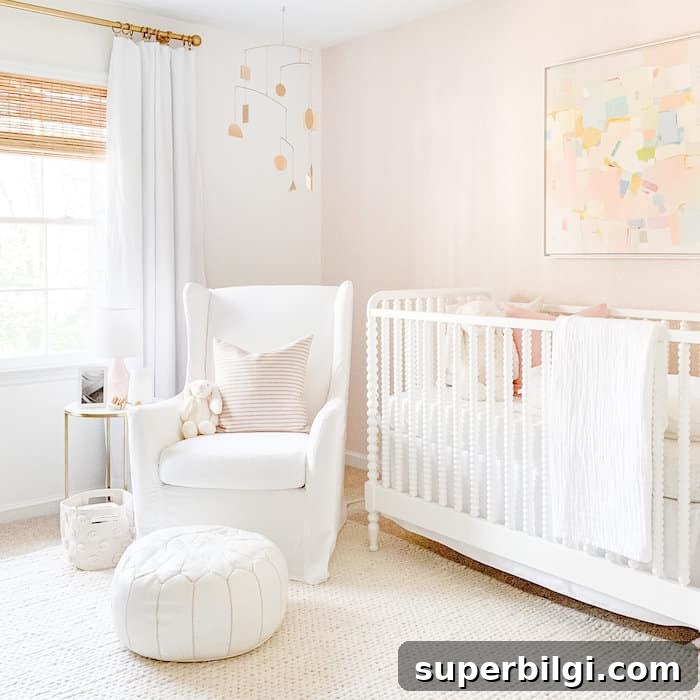
Small-scale prints like dots or tiny florals bring a playful vibe that still feels composed and gentle for a baby’s room.
4. Slatted Wood or Shiplap Feature Wall
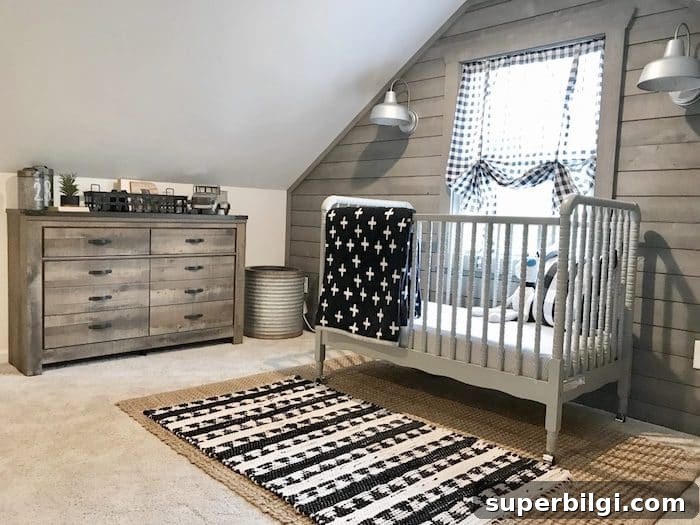
A slatted wood or painted shiplap wall adds architectural interest and warmth without relying on color alone.
Final Thoughts
I hope this collection of nursery paint colors and accent ideas helps you dial in a calming, beautiful space for your little one. Test samples on the wall, consider how light changes the hue throughout the day, and choose finishes that are low- or zero-VOC for the healthiest environment. If you’d like suggestions tailored to your room’s size, light, and furniture, ask away—I’m happy to help.
More posts you may enjoy:
- DIY Bookshelf Ledges for the Nursery
- The Best Bedroom Paint Colors
- Furnishing a Teen Girl’s Bedroom: Tips and Tricks
- Nursery Curtains with No-Sew Pom Pom Trim
- Best Living Room Paint Colors