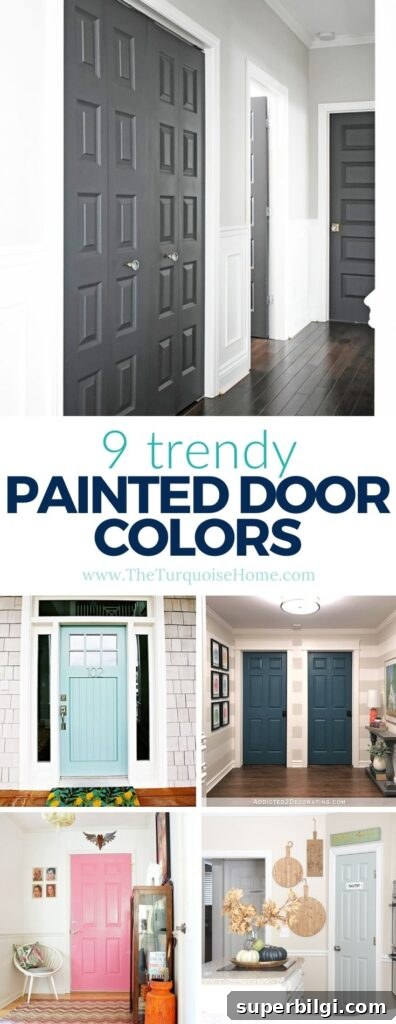
A recent, playful trend is painting interior doors in non-white colors. Discover how this idea works in real homes, get practical tips for making it cohesive, and find inspiring interior door paint color ideas you’ll actually want to use.
Here are fresh interior door paint ideas and guidance to help you pick the right look.
For years the default for interior doors was simple: natural wood or painted white, with trim usually matching the door. Lately, however, many homeowners and designers are choosing non-white interior door paint colors to introduce personality and contrast without a major remodel.
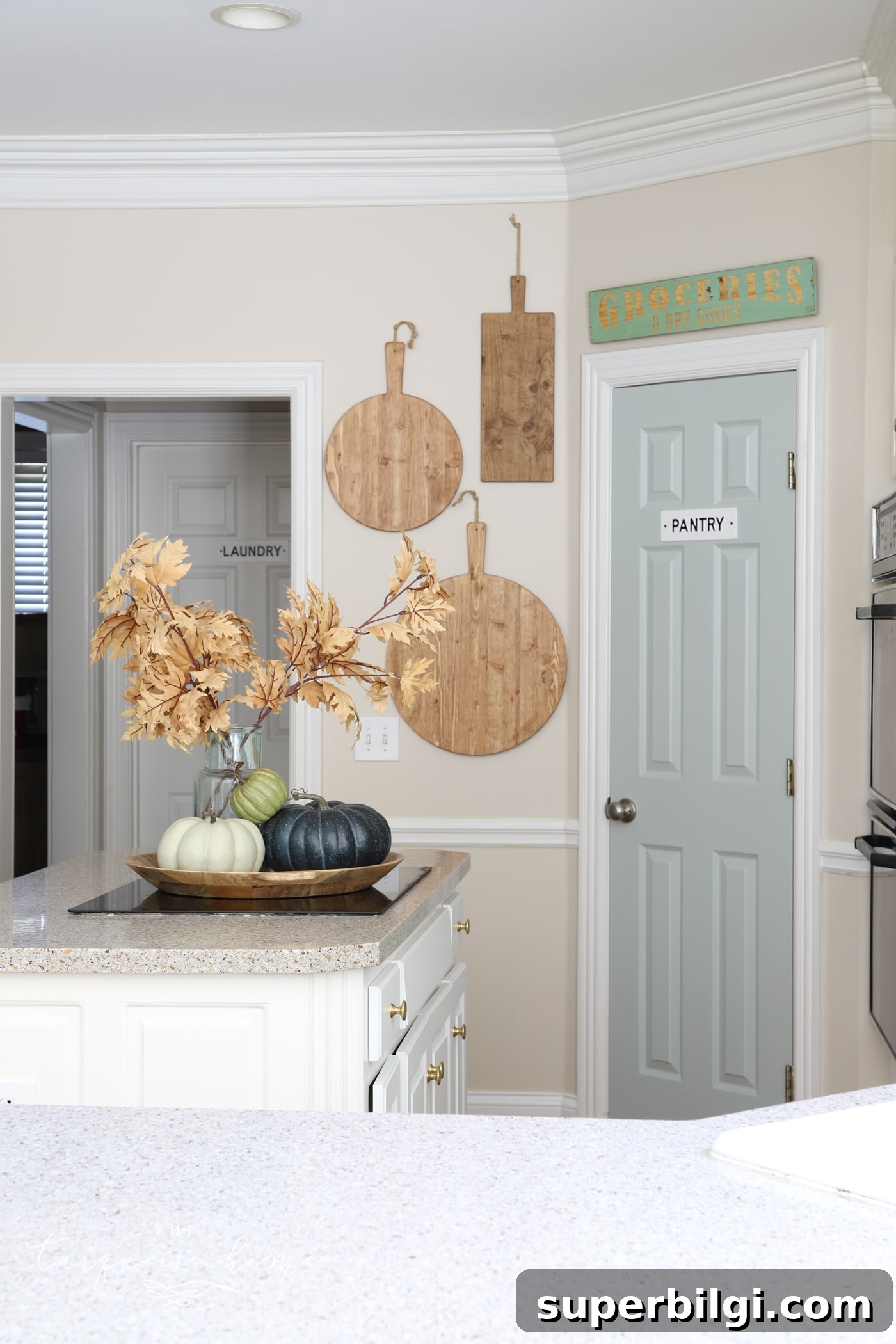
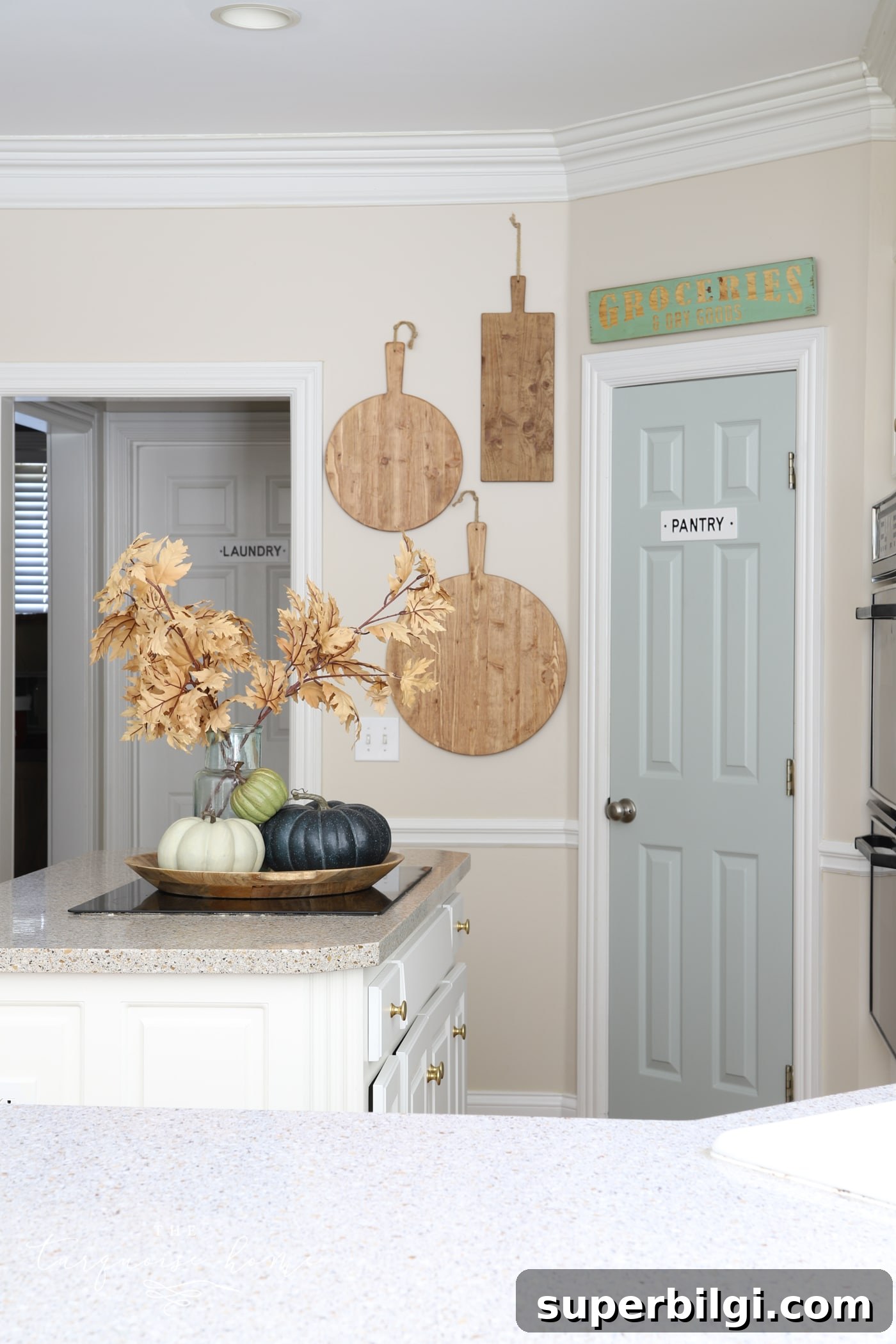
I recently painted my kitchen pantry door a different shade and was surprised at how much character it added. If you’re hesitant to commit, start small: try one or two doors, live with it for a while, and then decide whether to expand the look to the rest of your home.
The Trend of Using Non-White Interior Door Paint Colors
Today’s walls are often painted white or soft neutrals like gray, greige, or beige. While neutrals create a calm backdrop, too much of the same tone can feel flat. Painting doors in deliberate colors gives you an easy, high-impact way to layer color and personality into a neutral scheme.
The best part: changing a door color is low-commitment. It’s faster and less intrusive than painting an entire room or refinishing large pieces of furniture. If you tire of the color, repainting a door is affordable and quick.
Do All Interior Doors Need To Be The Same Color?
No. While painting all interior doors the same color can create harmony, you don’t have to match every door. Many homes benefit from variety: front doors, pantry doors, bedroom doors, and closet doors can each serve a slightly different role.
If you choose different colors, keep a consistent element—such as hardware style, door finish, or trim treatment—to maintain cohesion. Alternatively, reserve a single accent color for focal doors and keep the rest neutral for a balanced look.
Do Interior Doors Always Have to Match the Trim?
Not at all. Doors and trim can match for a unified look, or deliberately contrast for visual interest. Matching trim to doors often feels traditional; painting trim a different color (or keeping it classic white) can make the door stand out as an intentional accent.
Ultimately, the choice depends on the room’s style and your personal taste. The advantage of painted doors is their flexibility: they let you express your personality while staying easy to change.
9 Gorgeous Examples of Interior Door Paint Colors
To spark ideas, here are nine door-color directions that work in real homes—from subtle and sophisticated to bold and playful.
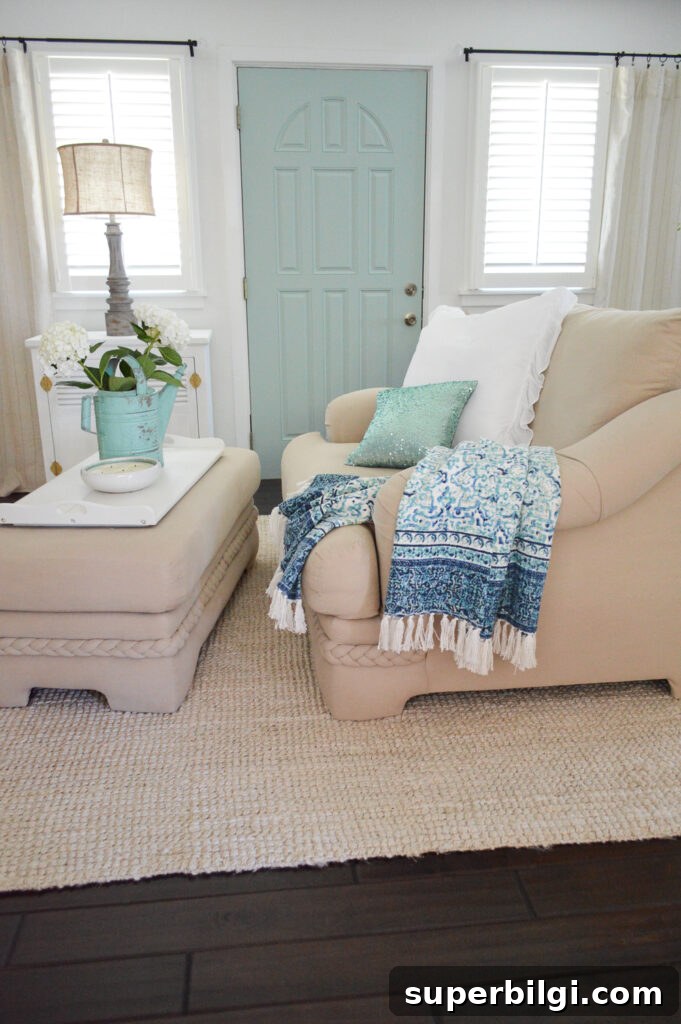
1. Pops of Blue
Muted blues and blue-greens like Wythe Blue provide a soft, stylish accent that complements neutral walls and natural wood tones. They add interest without overwhelming a room’s palette.
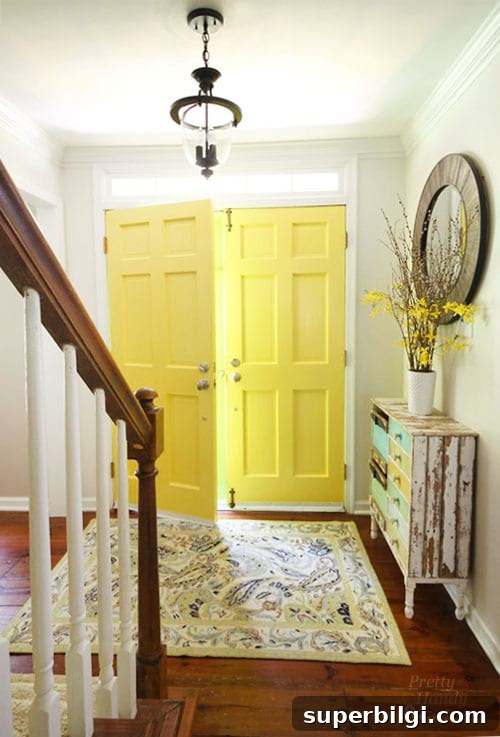
2. Bright Rays of Sunshine
A sunny yellow door instantly lifts the mood of an entry or hallway. Pair it with neutral furnishings to keep the overall look balanced and fresh.
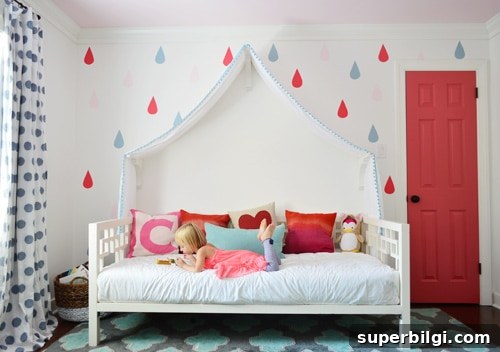
3. Raindrops and Rose
Bold reds or poppy shades on a child’s bedroom or closet door deliver playful energy and work beautifully as a focal point against simple walls.
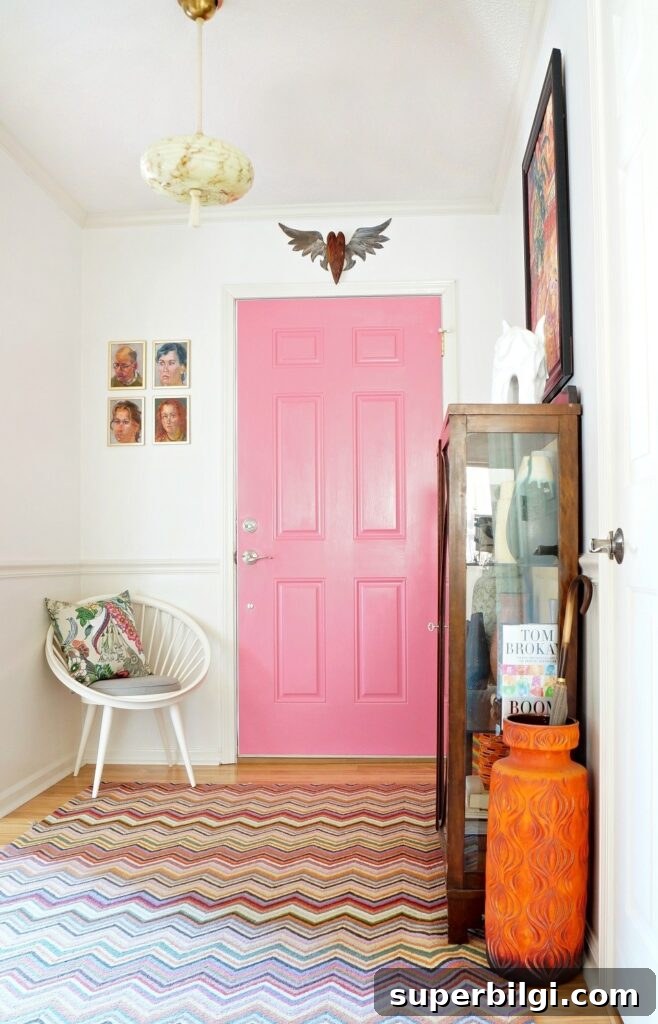
4. Pink Boho
Soft, muted pinks can bring warmth and a bohemian touch. Pull a shade from a rug or artwork to tie doors into the room’s color story.
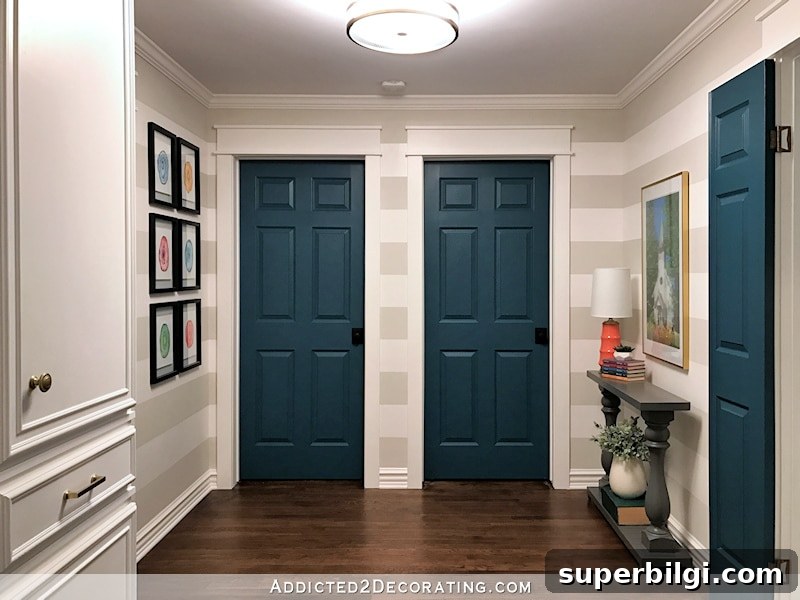
5. Go Deep
Deep navy or inky blues read elegant and modern. Dark doors anchor a space and contrast beautifully with pale walls and warm wood floors.
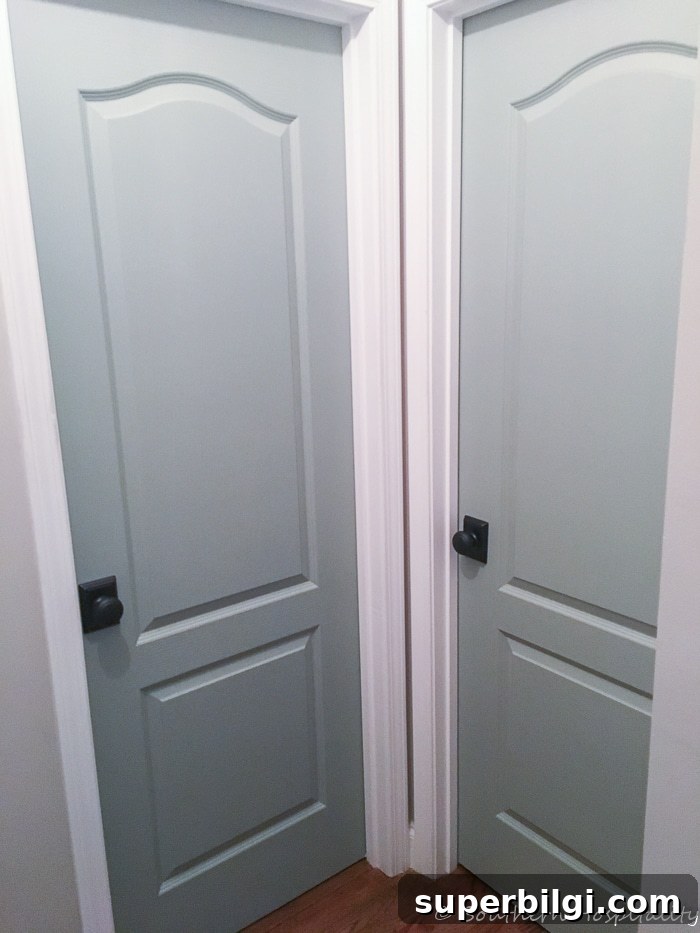
6. Subtle Blue-Gray
Soft blue-grays are understated but still provide color. They work well when you want a hint of personality that won’t compete with the rest of the room.
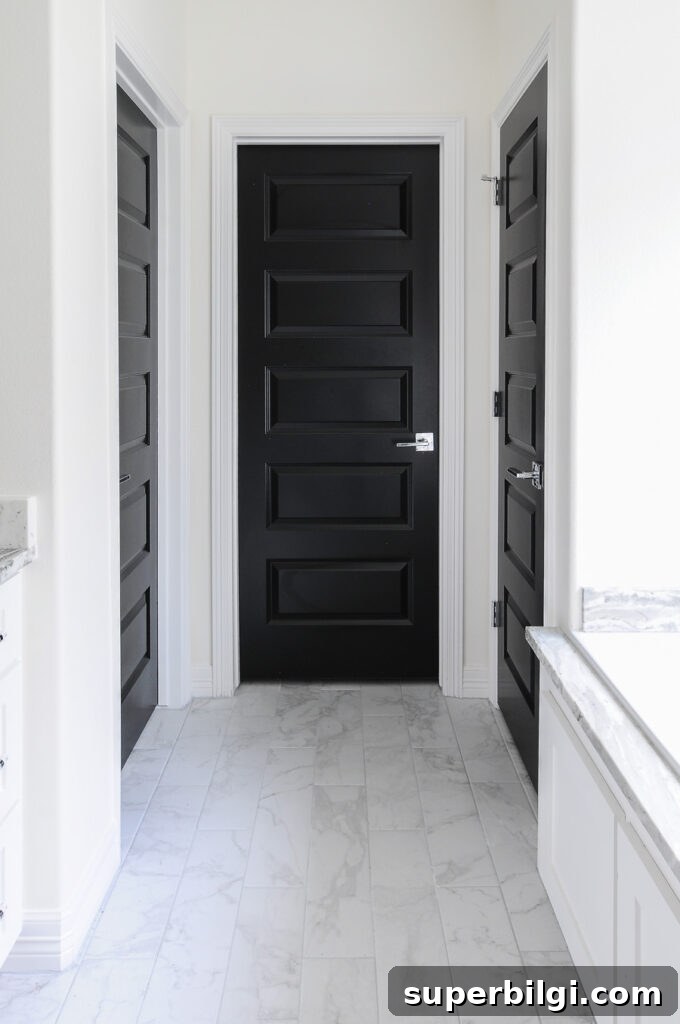
7. Classic Colors
Black doors create a timeless, dramatic look—clean, chic, and surprisingly versatile when paired with crisp white trim or soft neutrals.
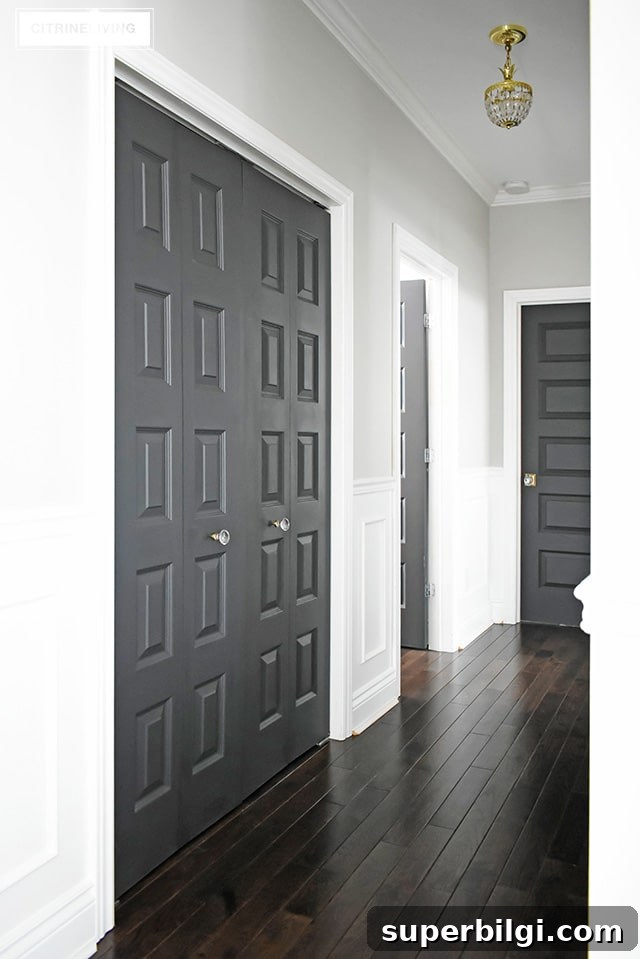
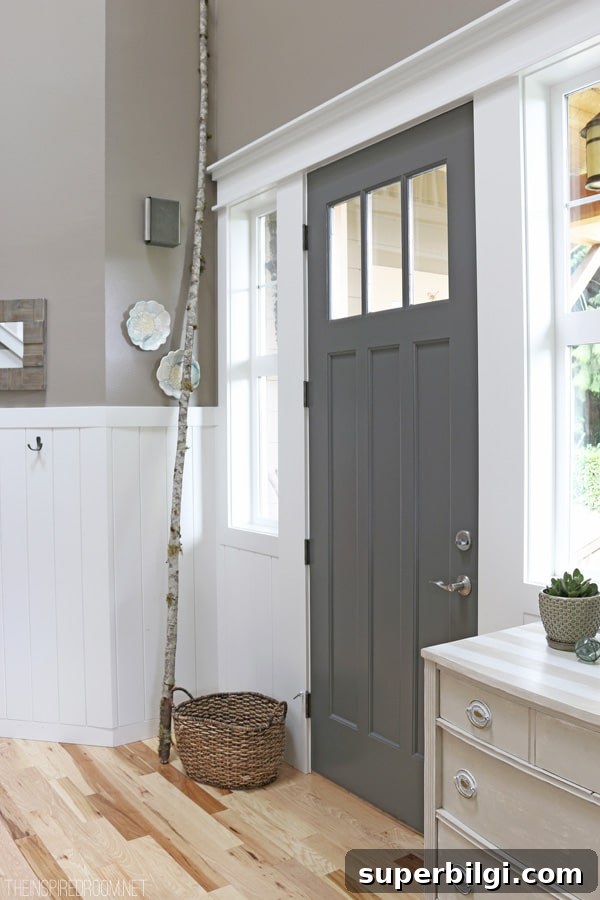
8. Warm Dark Neutral
If true black feels harsh, a warm charcoal or deep gray gives the same sense of depth with a softer, cozier tone that blends well with many palettes.
9. Color Punch
Bright greens and unexpected jewel tones can energize a mudroom or dining area. When done thoughtfully, bold colors can complement strong palettes like navy walls and white trim for a lively, cohesive design.
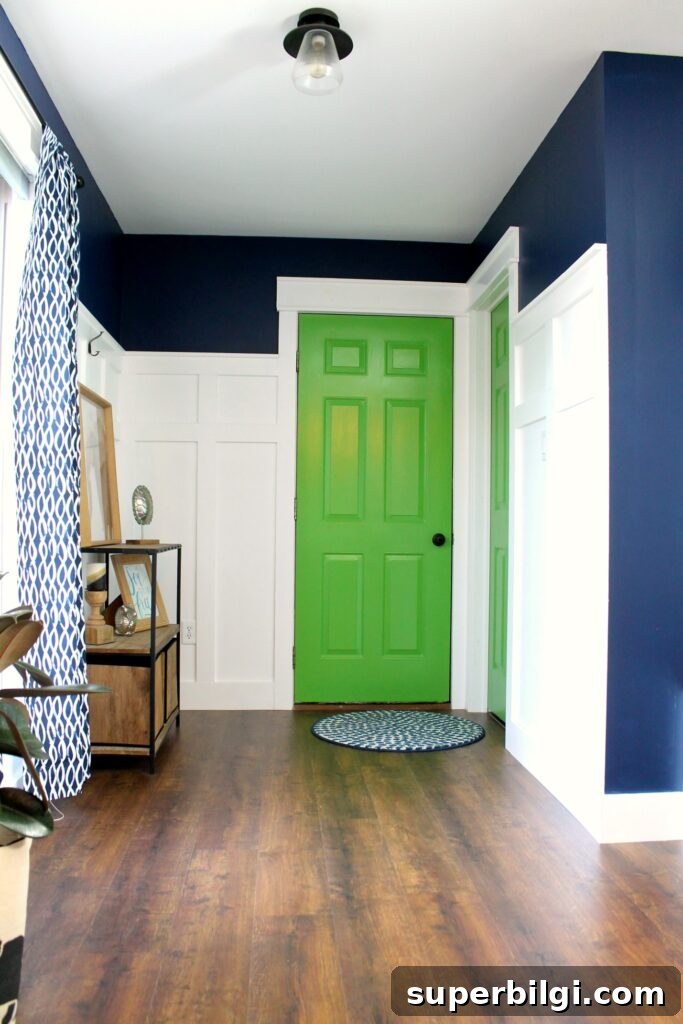
From subtle neutrals to bold color punches, painted interior doors are a simple, effective way to add style and personality to any home. Try one door first, consider how it interacts with wall color and trim, and enjoy the instant update.
More Paint Inspiration
- Paint a Room Like A Pro in 5 Easy Steps
- The Best Living Room Paint Colors
- The Best Gray Paint Colors For Your Home
Which door color would you try first? Share your favorite ideas and any questions about choosing finishes or coordinating with trim and hardware.