
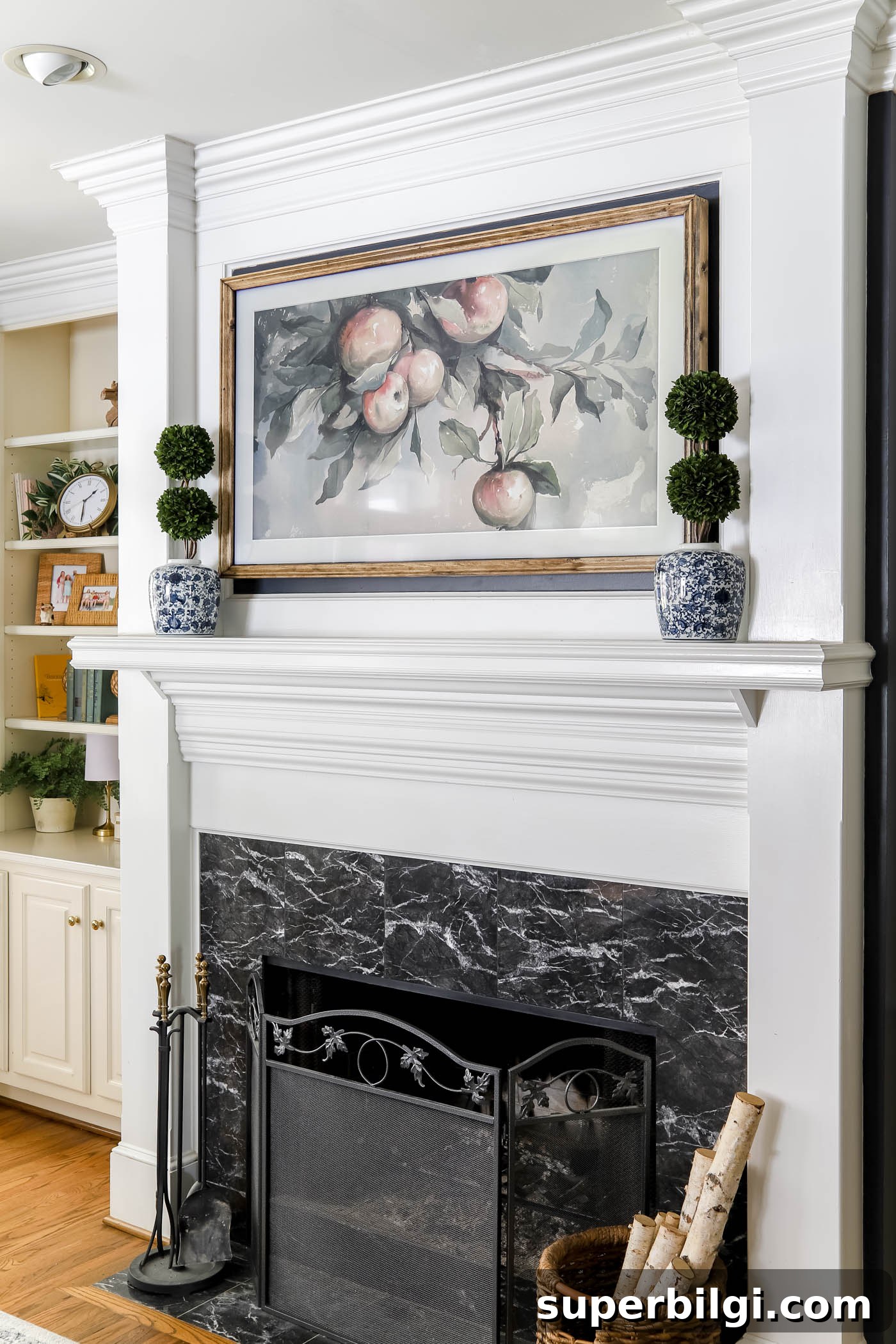
Finding your decorating style can feel overwhelming and hard to pinpoint. Follow these six simple steps and you’ll begin decorating with confidence.
Does trying to define your decorating style leave you more confused than inspired? Do you find yourself surrounded by items you once loved but no longer do, or a collection that feels mismatched and unfinished? That’s a common experience. This guide will help you discover your personal decorating style so you can make intentional choices for your home going forward.
My own search for an “official” decorating style has been ongoing for years. My tastes have evolved and, at times, decorating felt frustrating. Over time I learned a practical, step-by-step approach that helped me feel confident about styling rooms. I hope these insights help you, too.
How to Find Your Decorating Style
1. Gather Inspiration and Look for Common Threads
Collect images that inspire you—whether in a physical folder of magazine clippings, a digital mood board, or Pinterest boards. Then study them for repeating themes. Look for patterns across these elements:
- Dominant colors and color combinations
- Preferred metal finishes (brass, chrome, oil-rubbed bronze)
- Fabrics and textures (linen, velvet, cotton)
- Patterns (stripes, florals, geometrics)
- Light and mood: airy and bright versus dark and moody
- Architectural details (trim, moldings, built-ins)
- Lines and forms: ornate versus clean-lined
- Overall tone: formal, relaxed, quirky, historical
- Use of neutrals versus bold color accents
You don’t need to fit perfectly into a named design category. The goal is to uncover what you continually gravitate toward so you can make clearer choices.
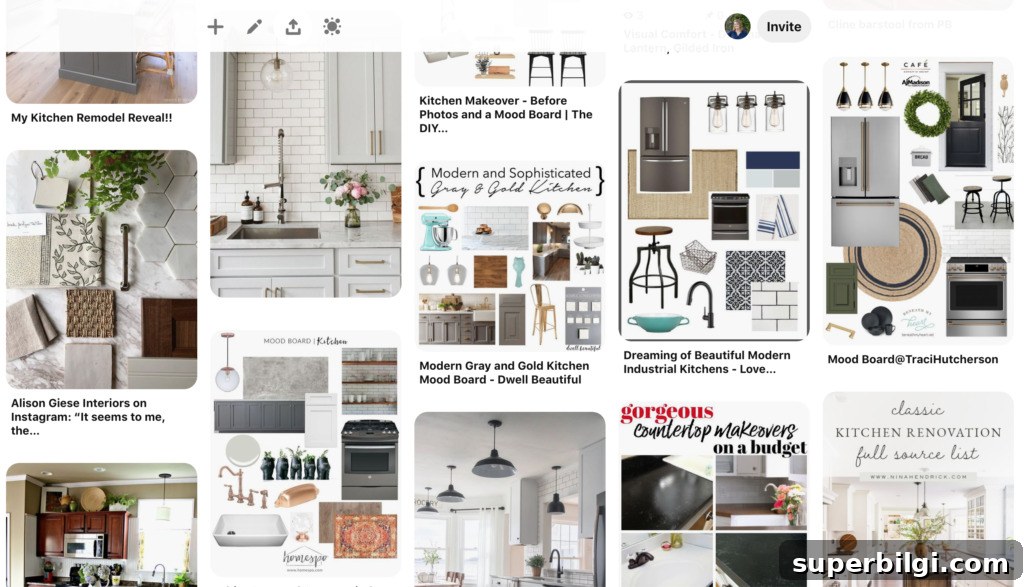
I keep multiple inspiration boards for different rooms. Reviewing them quickly reveals consistent preferences. For me, the recurring themes include architectural trim and moldings, neutral furniture with medium wood tones, accents in blue, green, gray and pink, brass or darker metal finishes, and plenty of greenery. Notice what is repeated in your collection and write it down.
2. Define Your Color Palette
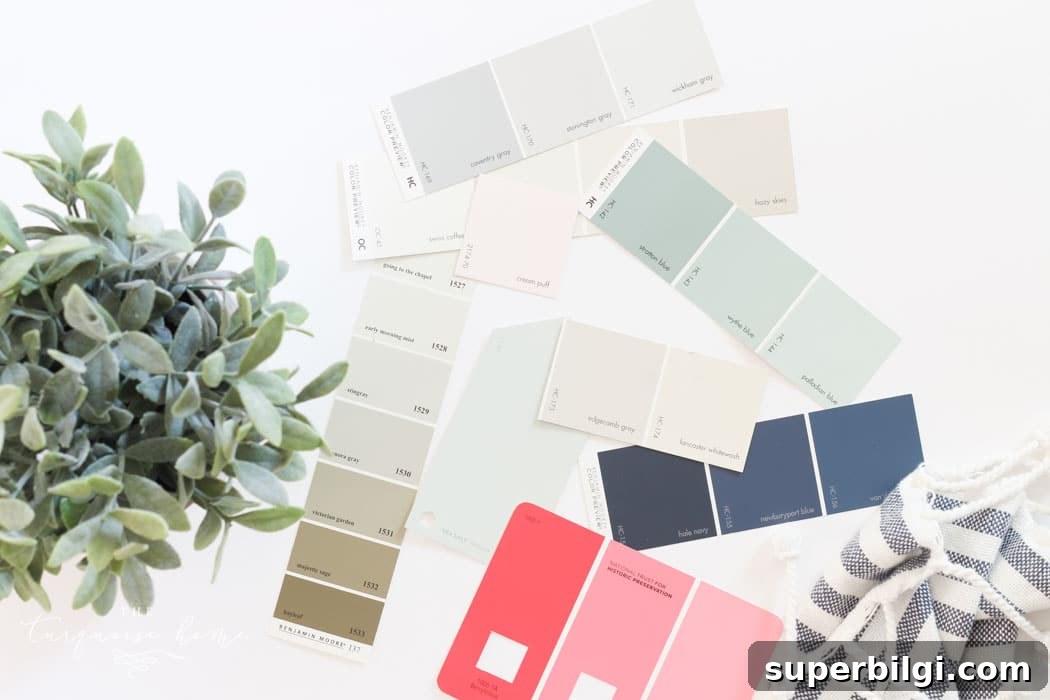
Color is one of the most decisive elements of style. From your inspiration, identify the shades that appear most often and use them to create a home color palette. Decide on base neutrals for walls and large pieces, plus one or two accent colors for decor, pillows, and accessories.
Also note the textures and patterns you prefer—these support the palette and create cohesion. If you’re unsure about colors, a quick trick is to check your wardrobe: the hues you wear often translate well into home decor choices.
3. Let Your Home’s Architecture Guide You
Consider your home’s architecture and existing features. A space with classic trim, built-ins, or historical elements will often suit more traditional or transitional styling. A modern, minimal shell leans toward contemporary choices. If your house is an undifferentiated “blank slate,” you can introduce any style, but using architectural cues will help your choices feel natural and cohesive.
It’s normal for style to evolve. Your current home may invite different decisions than a previous residence did. Embrace that shift rather than forcing a past look into a space that doesn’t support it.
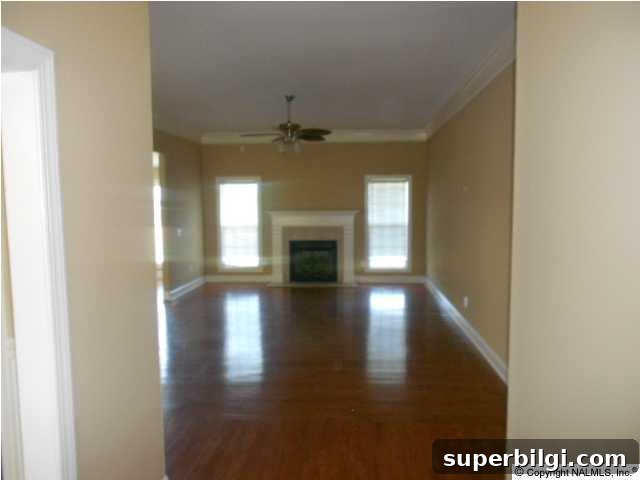
4. Audit Your Current Decor and Edit Ruthlessly
Pull together the items you have and examine each piece. Ask yourself:
- Is this the best of the similar items I own? If I have multiples, keep the strongest piece.
- Is it a favorite? Would I buy it again?
- Is it necessary for now? Some items may not be favorites but serve a current need until you replace them.
When your home contains mostly things you truly love, everything will feel more intentional and harmonious. Use what you already cherish as the foundation for adding new pieces.
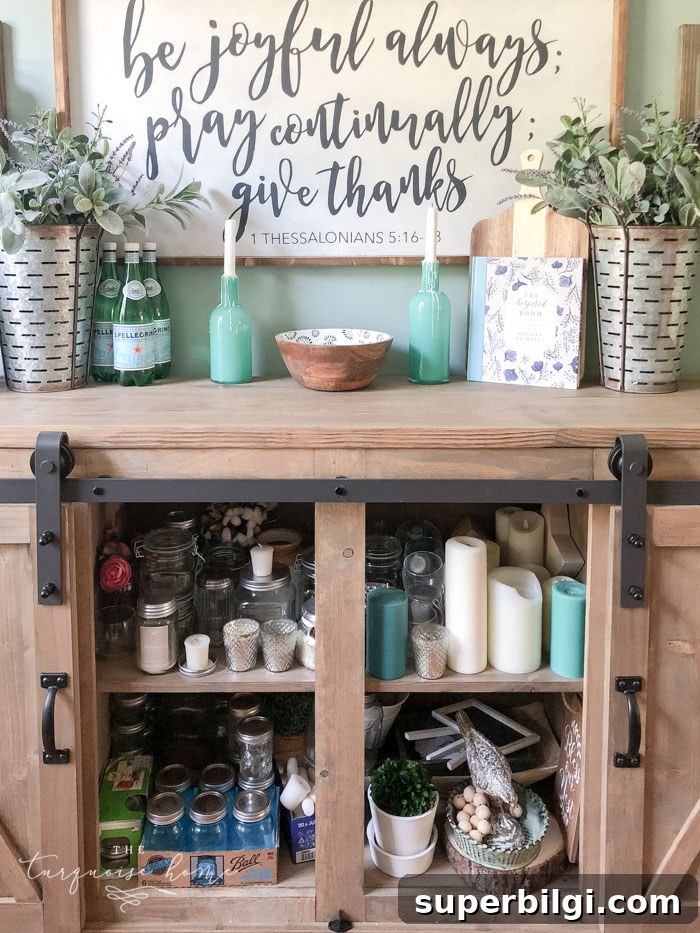
5. Match Style to Your Lifestyle
How you live should determine many styling choices. Homes with young children benefit from durable fabrics, washable slipcovers, and rugs that hide wear. If you live alone or primarily entertain adults, you might display delicate collections or decorative lighting that wouldn’t work in a busy household.
Prioritize livability—beautiful rooms should also be comfortable and functional. Practical solutions like hidden storage, durable finishes, and kid-friendly display strategies let you maintain style without sacrificing everyday use.
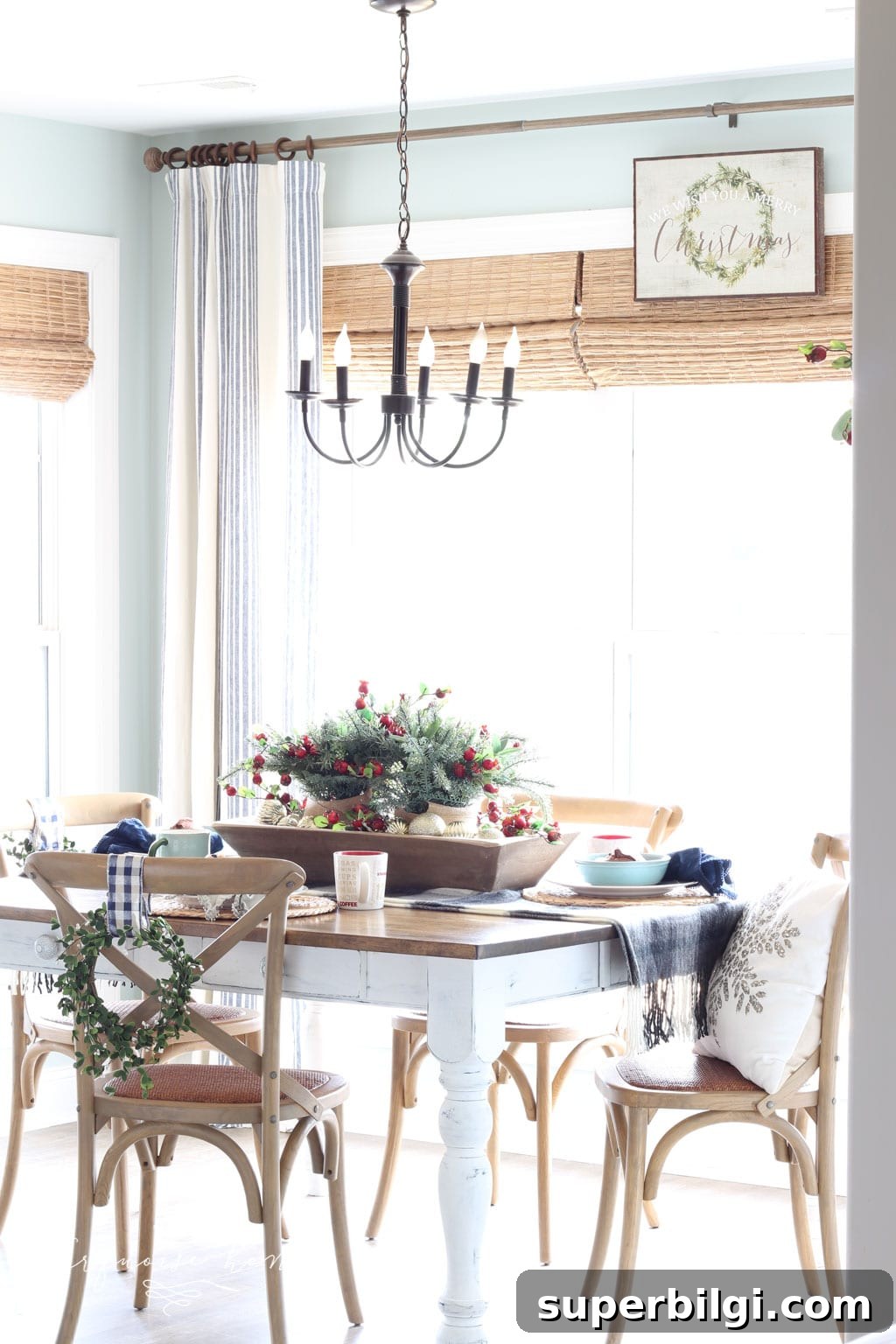
6. Try a Style Quiz for Confirmation
Online quizzes can be a fun way to confirm what your instincts already suggest. If several quizzes point to a similar style—transitional, traditional, modern, etc.—you can use that result as a helpful label while remembering it’s only a guide. The most important thing is to focus on what feels right to you.
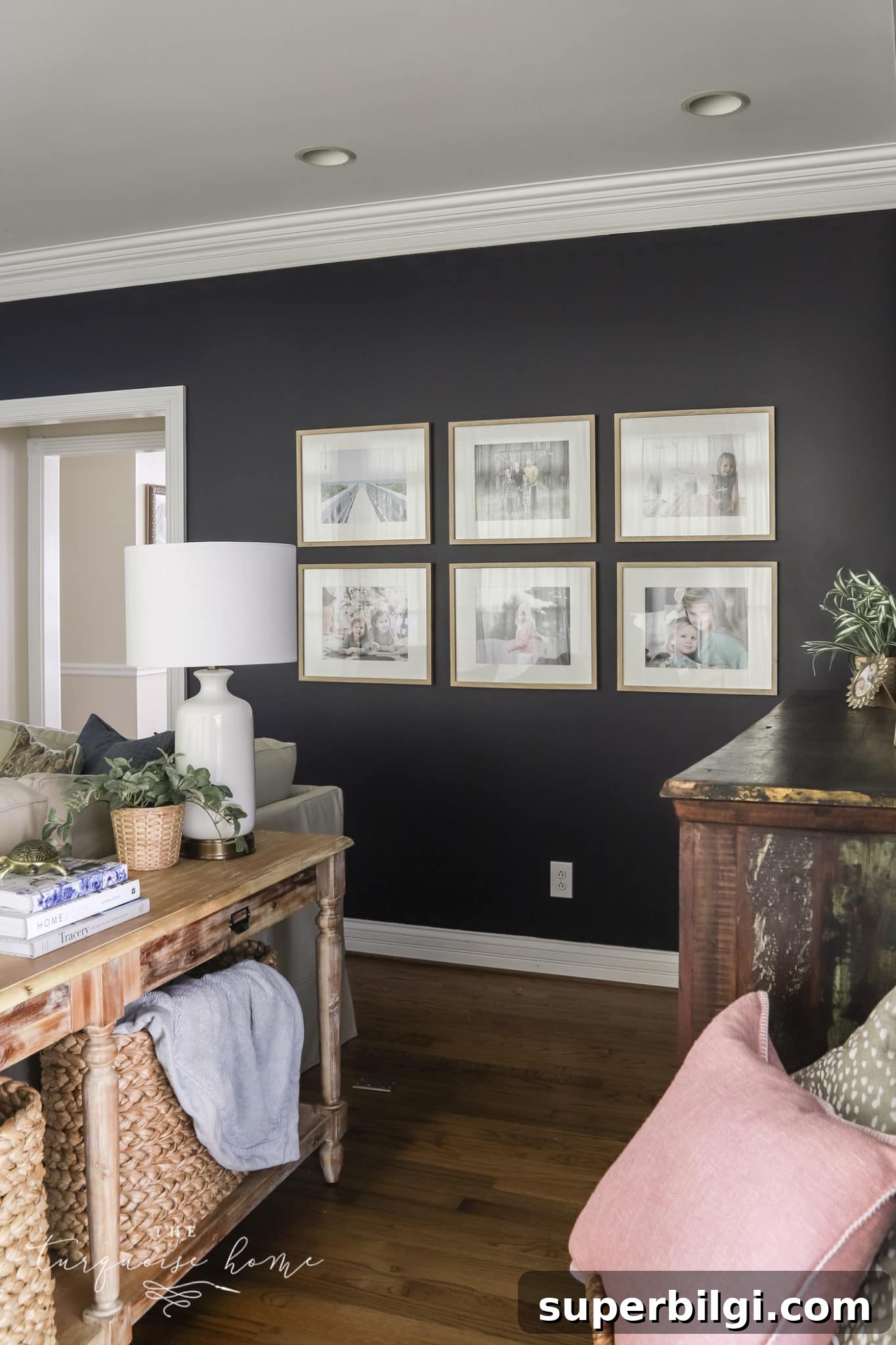
Layer in What You Love
After identifying common themes, choosing your color palette, and honoring your home’s architecture and lifestyle, the final step is to decorate with the pieces you love. The most inviting homes aren’t curated to fit a single label; they are layered collections of meaningful and beautiful items. Combine treasured finds, textures, and accents, and you’ll create a home you’re excited to return to every day.
More posts you might enjoy:
- How to Decorate End Tables
- How to Choose and Style Sofa Pillows
- Best 15 Haint Blue Paint Colors for Porch Ceilings
- How to Style a Console Table Behind a Couch (4 ways!)
- How To Decorate With Ginger Jars