
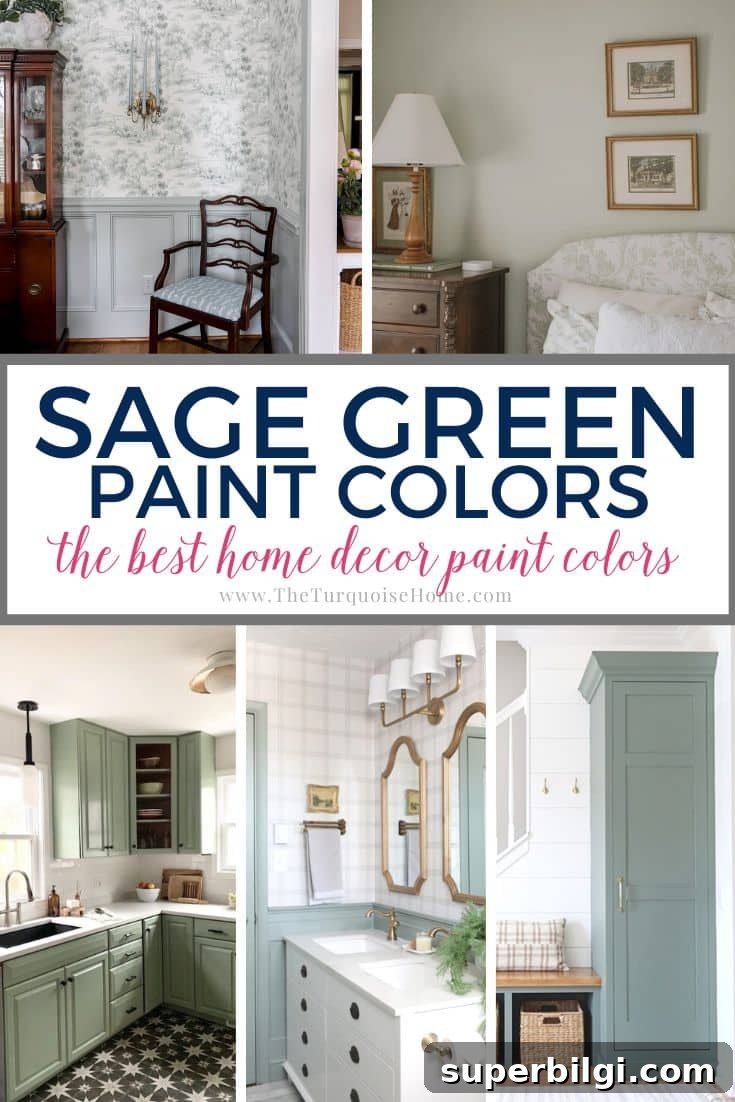
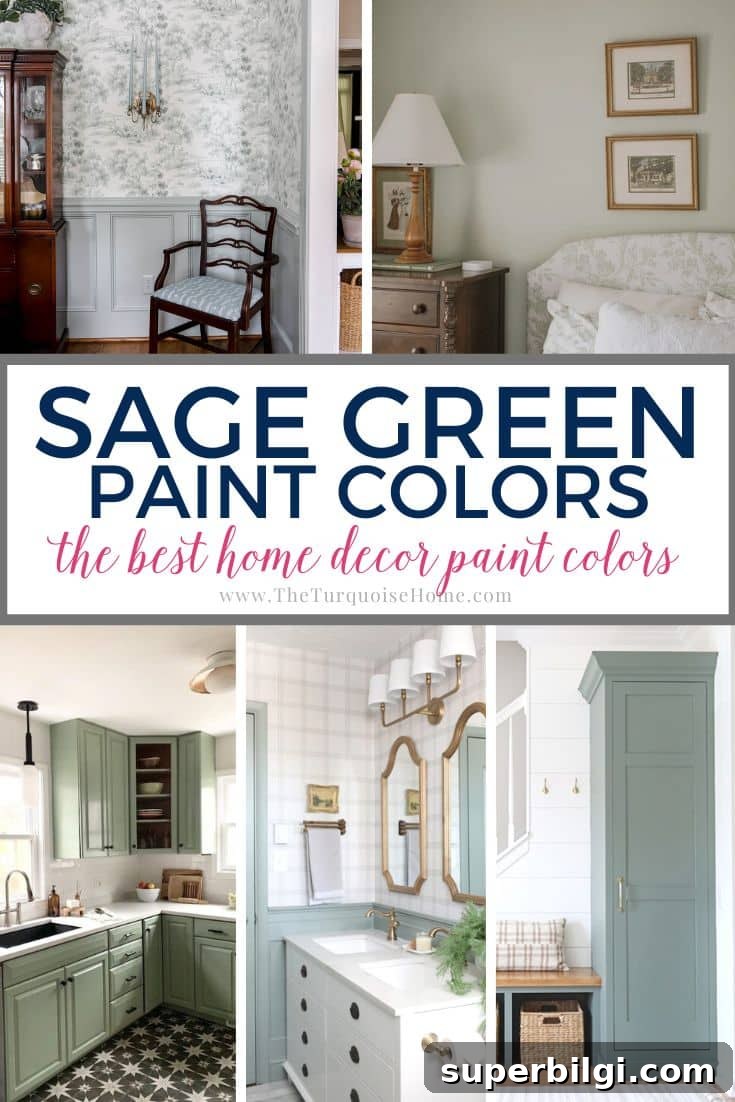
If you’ve been undecided about the best sage green paint colors, this guide gathers the top sage shades for your home. Greens—especially sage tones—have been trending for several years and show no sign of fading. Sage green became especially prominent in 2022 when multiple brands highlighted green tones as color trends. Whether muted, cool, or warm, sage brings calm, depth, and versatility to interiors.
Green is timeless and often gains popularity around economic and cultural shifts because it symbolizes rebirth, growth, and prosperity. That hopeful energy is part of the appeal of sage. As someone who uses sage tones in my own home, I find they strike the right balance of trend and tranquility, making them feel almost like a new neutral.
In this guide I’ll cover whether sage acts as a neutral, which colors pair best with it, how lighting affects it, and a curated list of 17 popular sage green paint colors to consider.
Is Sage A Neutral?
Sage green often behaves like a neutral in design because it’s easy to pair with many materials and finishes, but it’s not a true neutral. Unlike whites, grays, and beiges, sage carries green and gray undertones that shift with light and surrounding colors. That said, when you understand its undertones you can use sage much like a neutral—choose the shade that matches the mood you want and build the palette around it.
What Colors Go Well With Sage Green Paint?
Sage sits between blue and yellow on the color wheel and often reads as a blend of green, gray, and sometimes blue. Common undertones include:
- Gray — for a muted, sophisticated look.
- Blue — for a cool, calming effect.
- Warm (yellow or brown) — for an earthy, cozy feel.
- Muted — for subtle, classic elegance.
- Olive — for depth and richness.
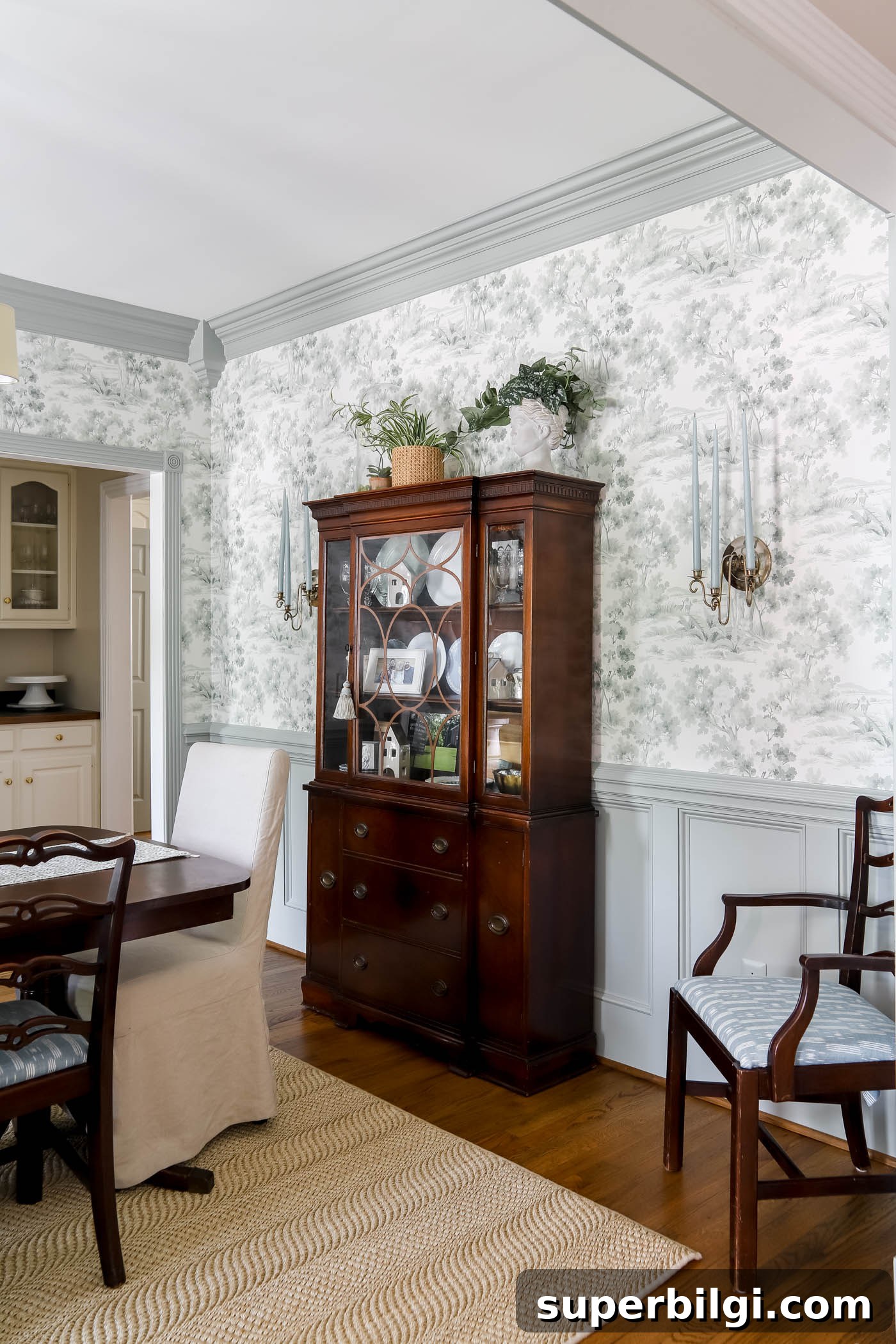
Sage pairs beautifully with ivory, cream, light gray, taupe, and brown. It works well with darker woods and even black accents. For contrast, add one or two bold accent pieces. Because green sits opposite red on the color wheel, sage can neutralize warm red undertones in wood furniture or flooring—an effective trick in traditional rooms.
How Does Lighting Impact Sage Green Paint?
Like the way outdoor greens change through the day, sage paint shifts with light. In bright natural light, yellow tones and warmth are often more visible. In lower light or with artificial bulbs, gray and blue undertones can become dominant. When comparing shades, check each paint’s Light Reflectance Value (LRV): higher LRVs reflect more light and read brighter, while lower LRVs absorb light and feel richer. The best way to choose is to test large swatches in your actual space at different times of day.
17 Most Popular Sage Green Paint Colors
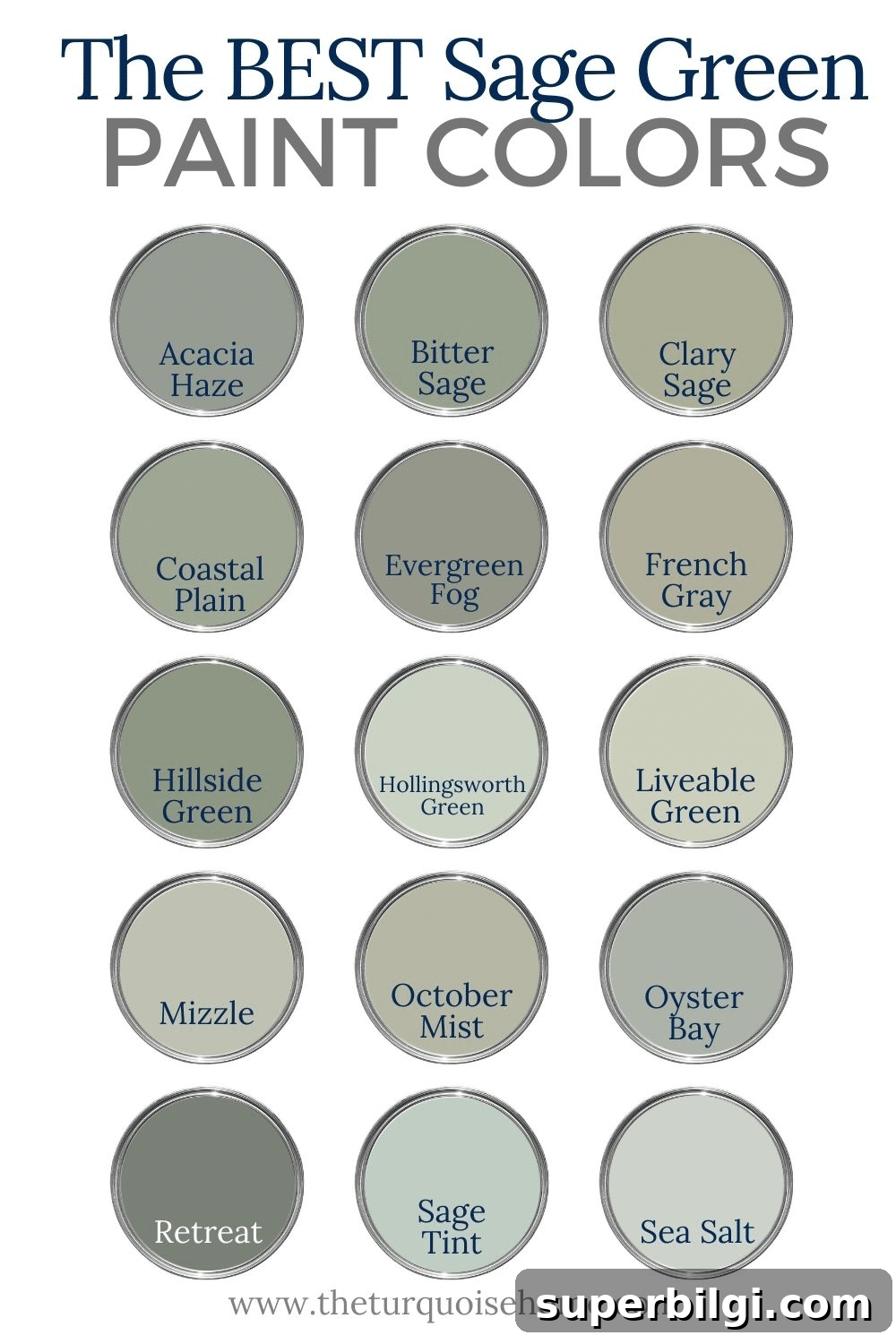
Below are 17 favorite sage shades ranging from muted and silvery to warm and botanical. Many include LRVs and notes about pairing and typical uses.
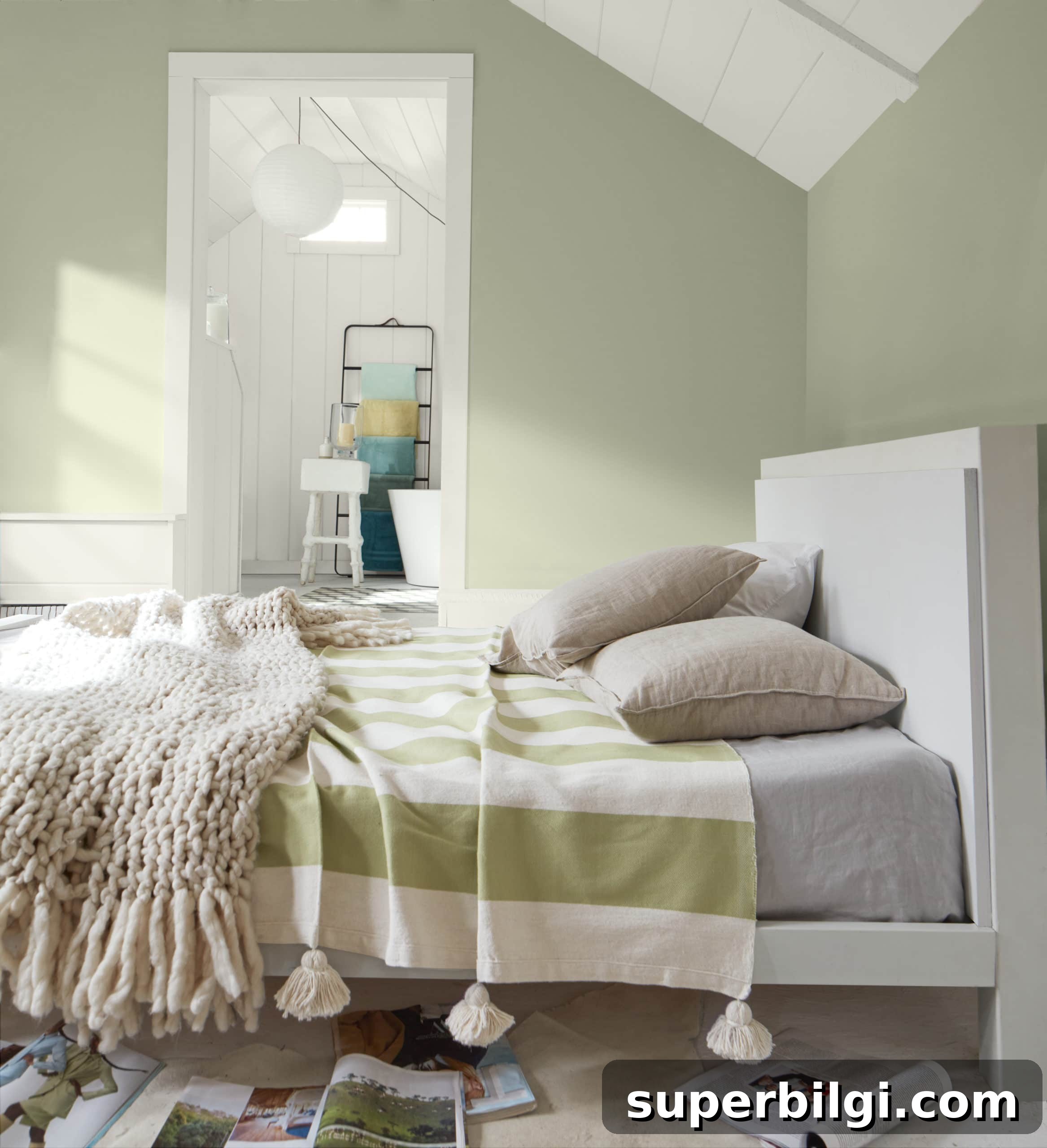
1. Benjamin Moore October Mist
October Mist (1495) balances soft gray and yellow undertones for a tranquil green. With an LRV around 46, it reads earthy in warm, natural light and can look more silvery under artificial lighting. Ideal for bedrooms, living rooms, and home offices; pairs well with crisp whites and natural woods.
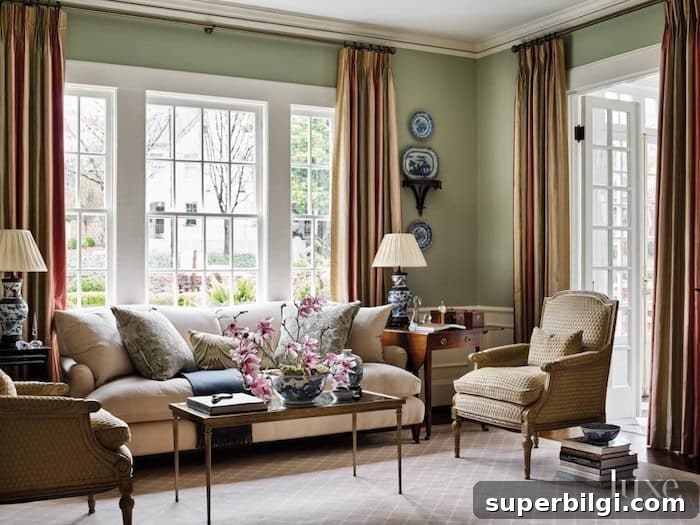
2. Benjamin Moore Saybrook Sage
Saybrook Sage (HC-114) is a cool, silvery sage with noticeable gray undertones and an LRV near 46. It pairs effortlessly with neutrals, whites, and soft blues and works well in traditional living rooms and bedrooms.
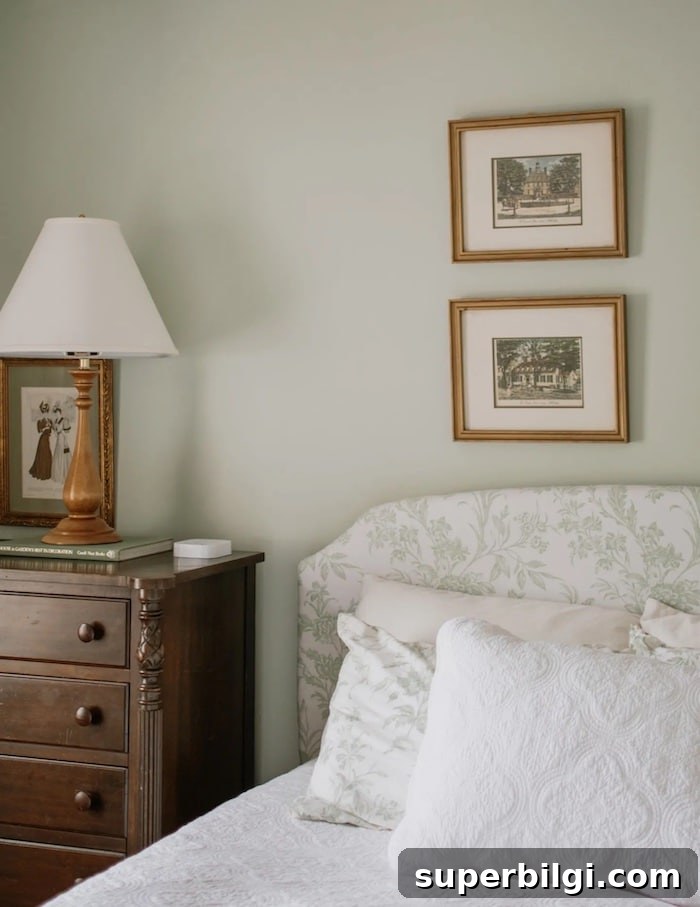
3. Benjamin Moore Hollingsworth Green
Hollingsworth Green (HC-141) has a high LRV (~63.25), giving a fresh, airy feeling even in less-lit rooms. A blend of green, blue, and gray, it complements crisp whites, creams, and soft grays to create a serene, botanical ambiance.
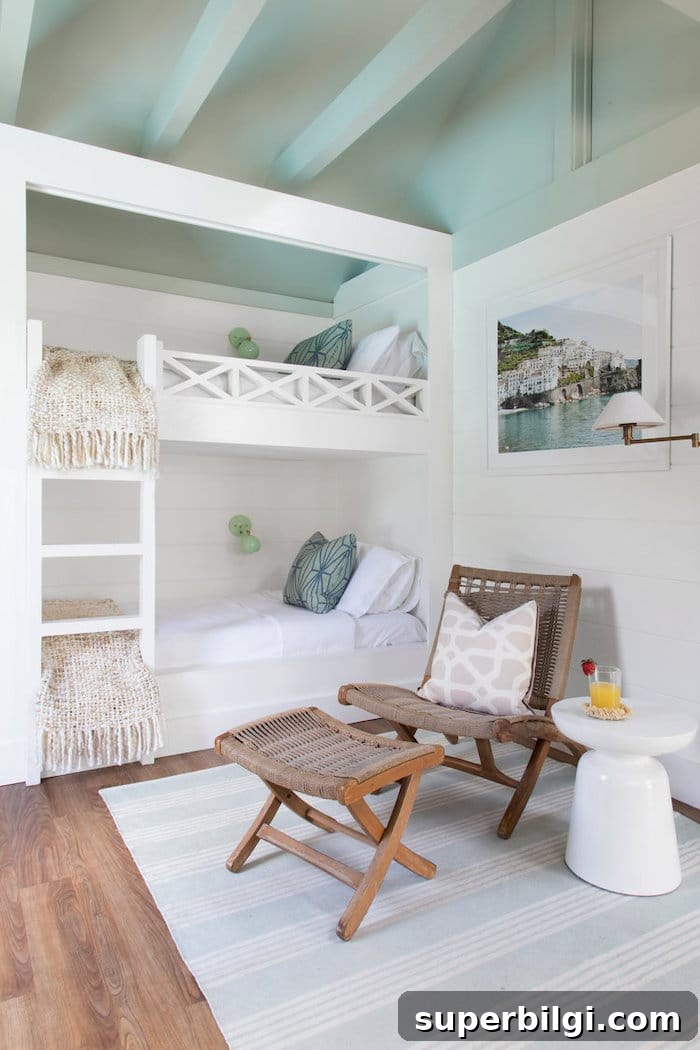
4. Benjamin Moore Sage Tint
Sage Tint (458) floats between blue, green, and gray with an LRV around 57.85—almost minty. Pair it with cool whites, natural wood, or warm grays for a calm, beachy or cottage-like feel.
5. Benjamin Moore Silver Sage
Silver Sage (506) is one of the lightest choices with an LRV around 63.26. It emits a soft, silvery glow and pairs well with whites, grays, and muted blues—refined and versatile for bathrooms or small rooms.
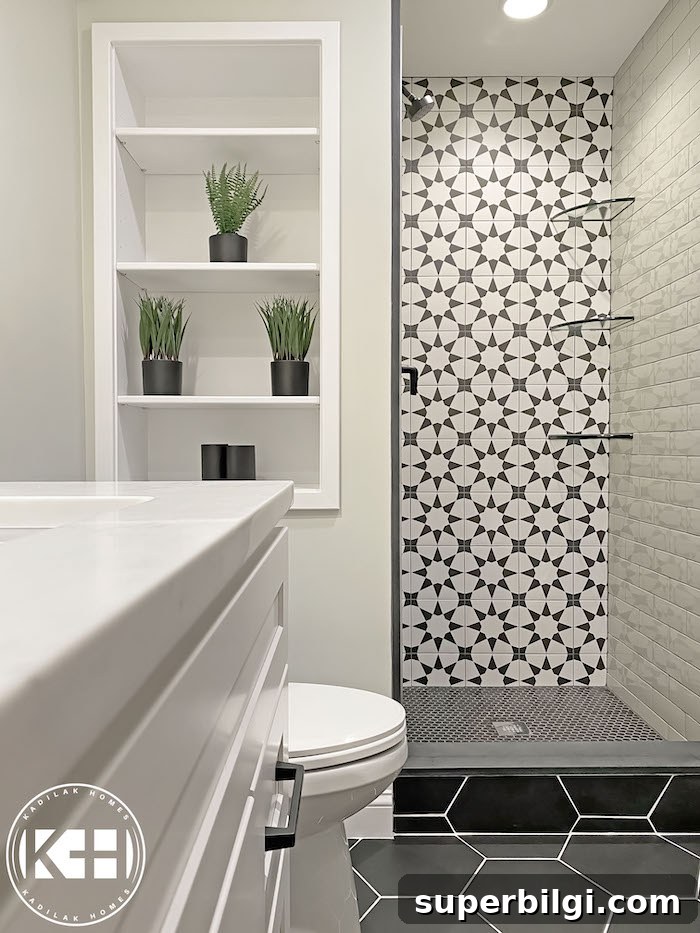
6. Sherwin Williams Clary Sage
Clary Sage (SW 6178) is a lush, herbal green with yellow undertones and an LRV near 41. It’s vibrant and works beautifully as an accent on doors, cabinetry, or a single wall where you want botanical energy without overwhelming a room.
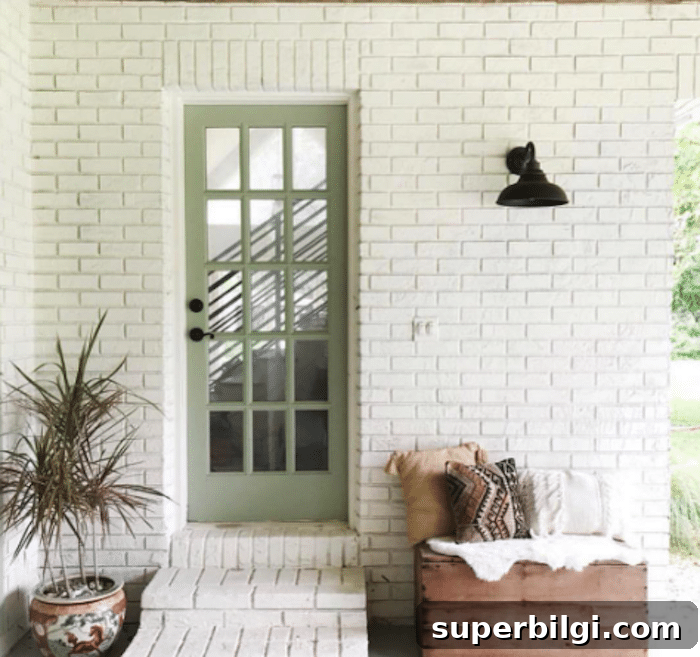
7. Sherwin Williams Evergreen Fog
Evergreen Fog (SW 9130) was a popular color pick with an LRV of about 30. Rich and grounding, it pairs well with neutrals, dark gray-browns, cool blues, and metallic accents—great for living rooms and bedrooms where you want a sophisticated, calming backdrop.
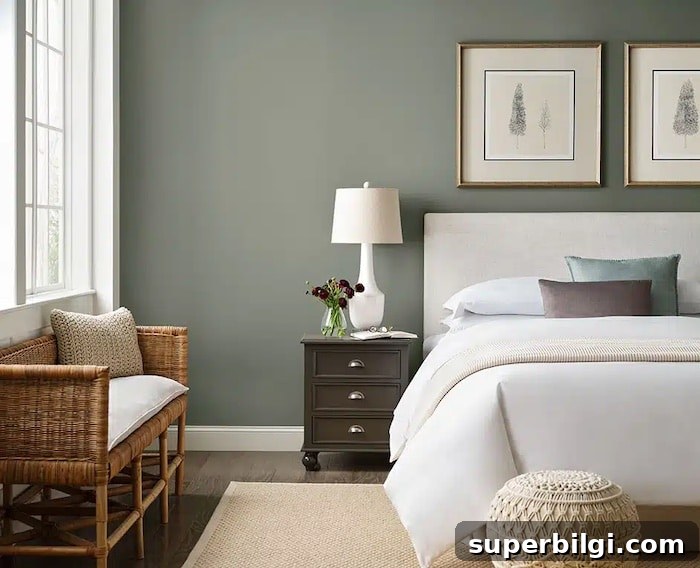
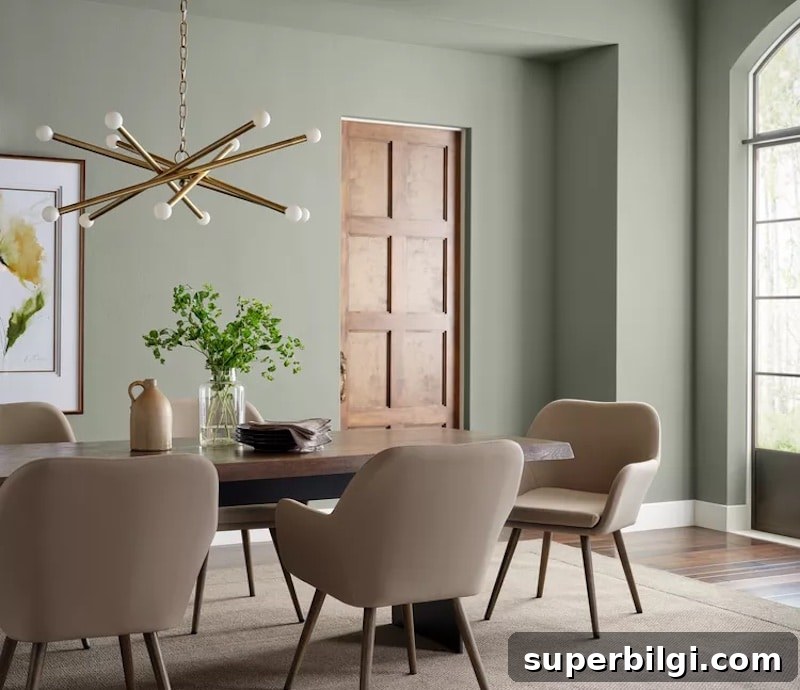
8. Sherwin Williams Oyster Bay
Oyster Bay (SW 6206) is a gray-blue-green with an LRV around 44. It reads cool and neutral, making it a lovely choice for dining rooms, bedrooms, and wainscoting—especially when you want to temper warm wood tones.
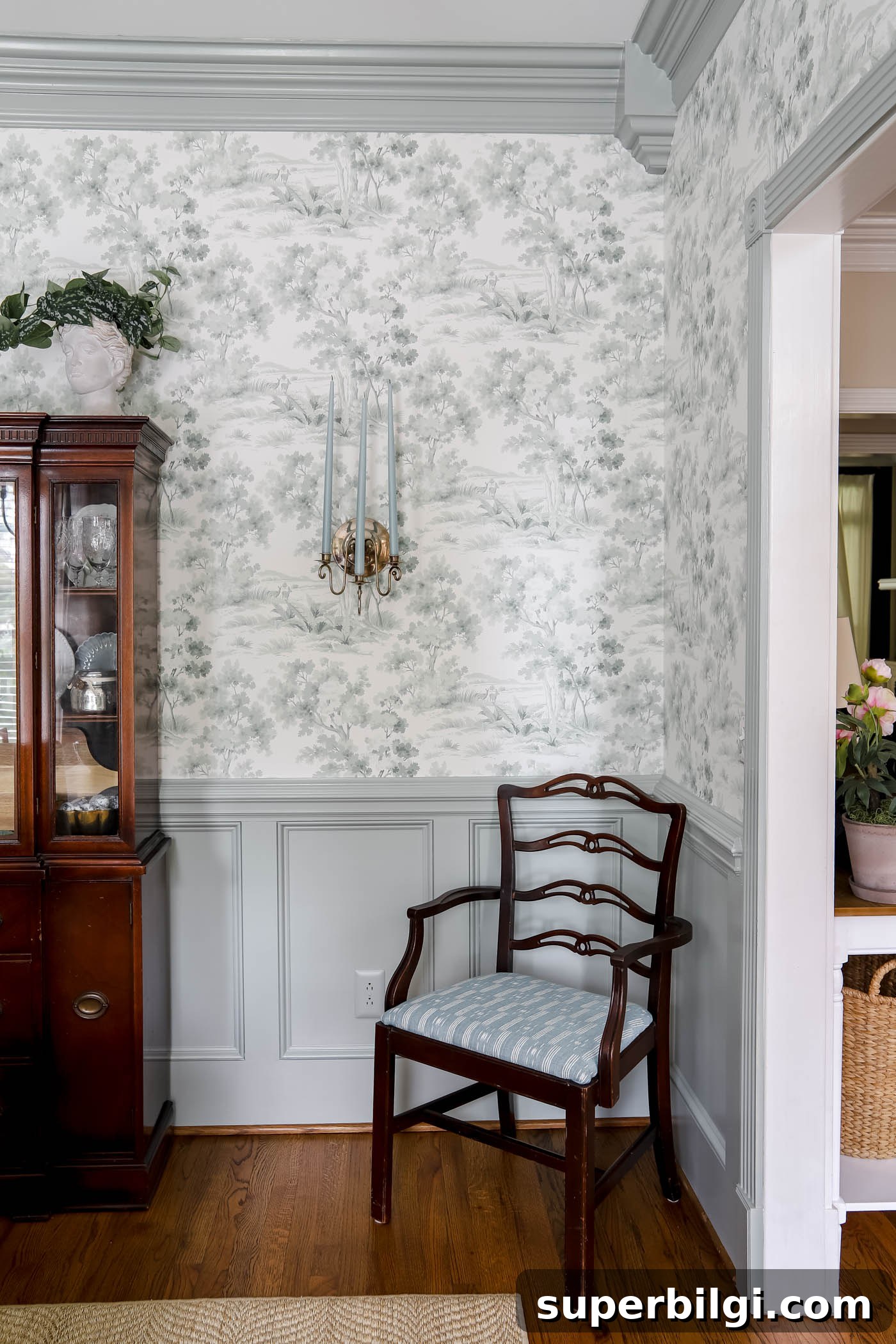
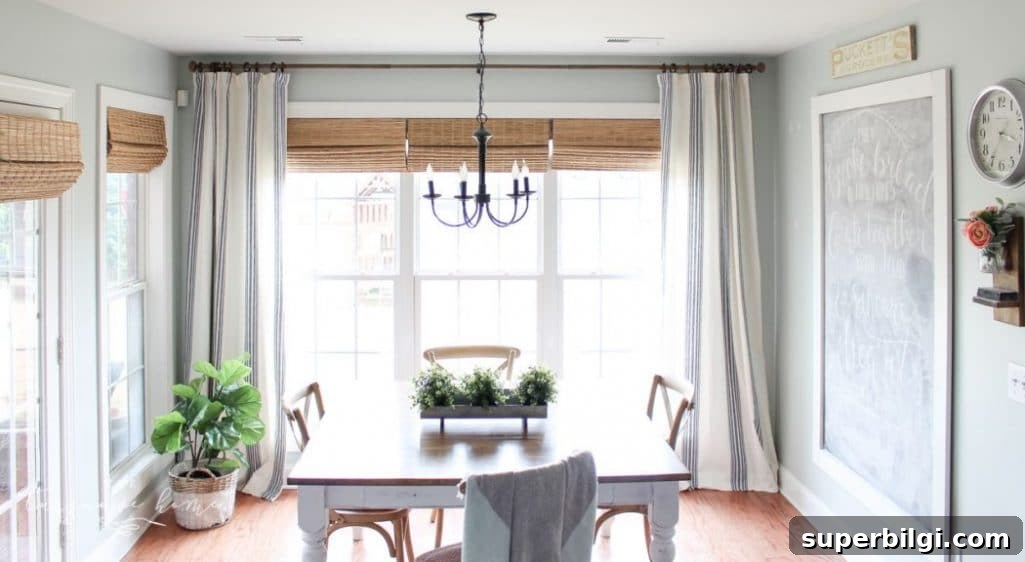
9. Sherwin Williams Sea Salt
Sea Salt (SW 6204) is one of the lightest sage options with an LRV around 63. It often reads slightly blue depending on light and creates a serene, airy atmosphere—ideal for kitchens and bathrooms when you want a soft green without darkness.
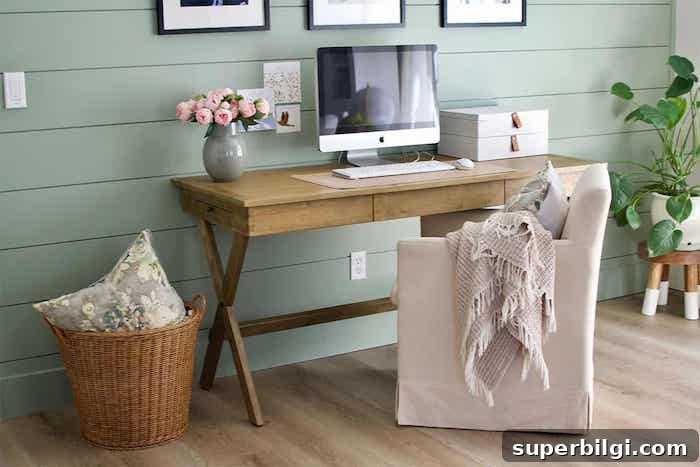
10. Sherwin Williams Coastal Plain
Coastal Plain (SW 6192) has an LRV near 37 and brings warm, grounded tones that pair beautifully with earthy neutrals and warm whites. It’s versatile for cozy offices, shiplap, and living spaces.
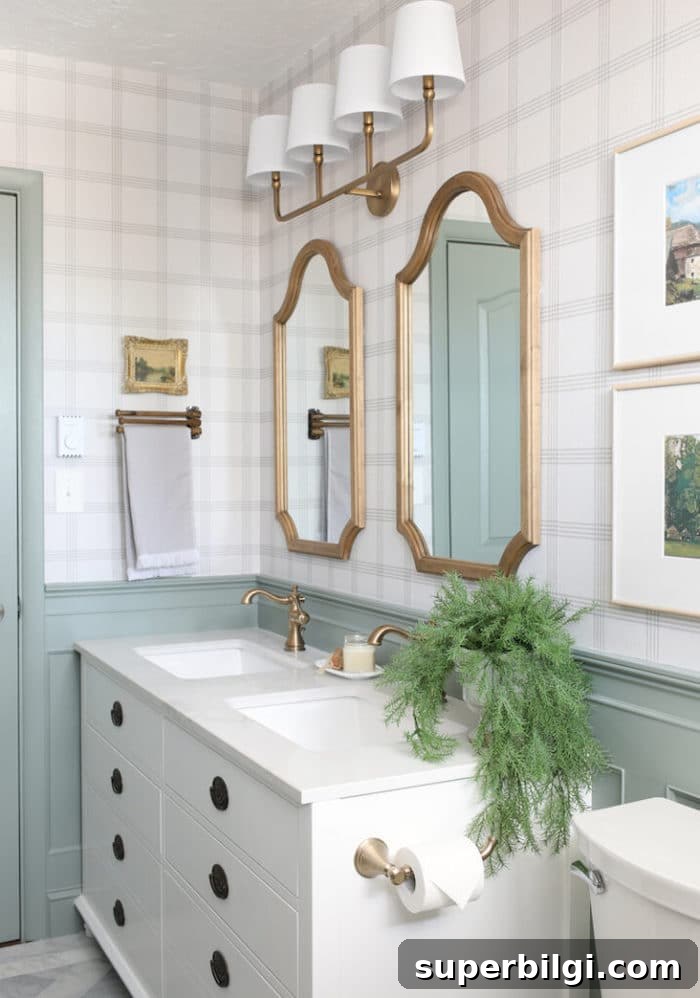
11. Sherwin Williams Acacia Haze
Acacia Haze (SW 9132) is a warm, muted gray-green with an LRV about 32, ideal with warm woods and brass fixtures. It creates a cozy English-cottage or classic feel on trim, doors, and wainscoting.
12. Sherwin Williams Liveable Green
Liveable Green (SW 6176) offers yellow-gray undertones and a bright LRV near 61. Airy and organic, it’s a warm, inviting choice for living rooms and versatile enough to pair with black accents or soft neutrals.
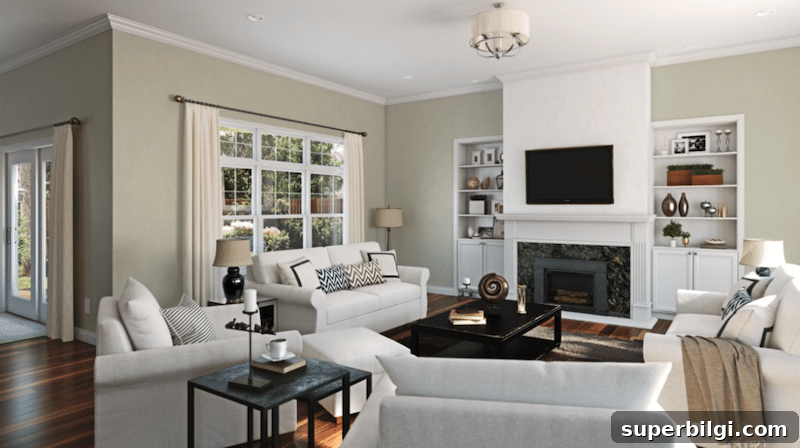
13. Sherwin Williams Retreat
Retreat (SW 6207) deepens Oyster Bay’s blue-gray green with an LRV around 21. Rich and comforting, it’s perfect for cozy bedrooms, intimate studies, or entryways that set a welcoming tone.
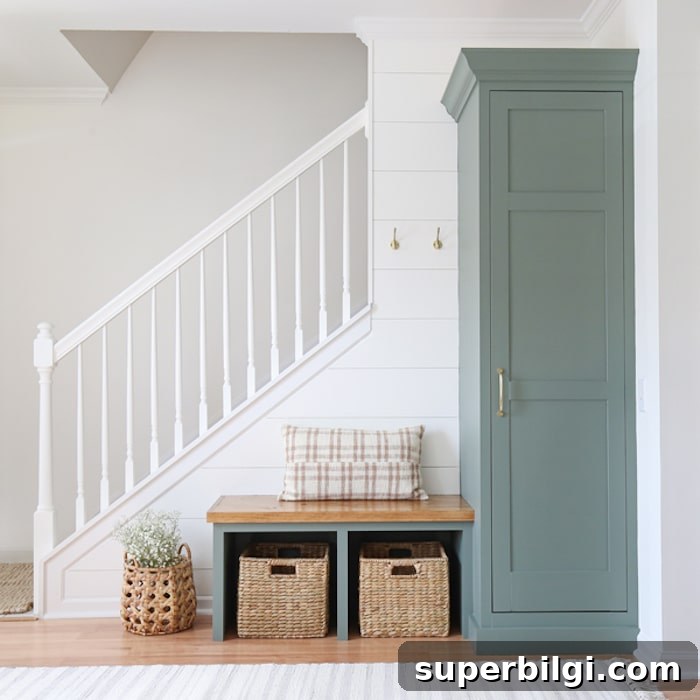
14. Farrow & Ball French Gray
French Gray No. 18 blends green and gray with an LRV around 44. Inspired by traditional colors, it often reads more green than gray and shifts with light—beautiful for exterior woodwork, doors, or a tidy bedroom scheme.
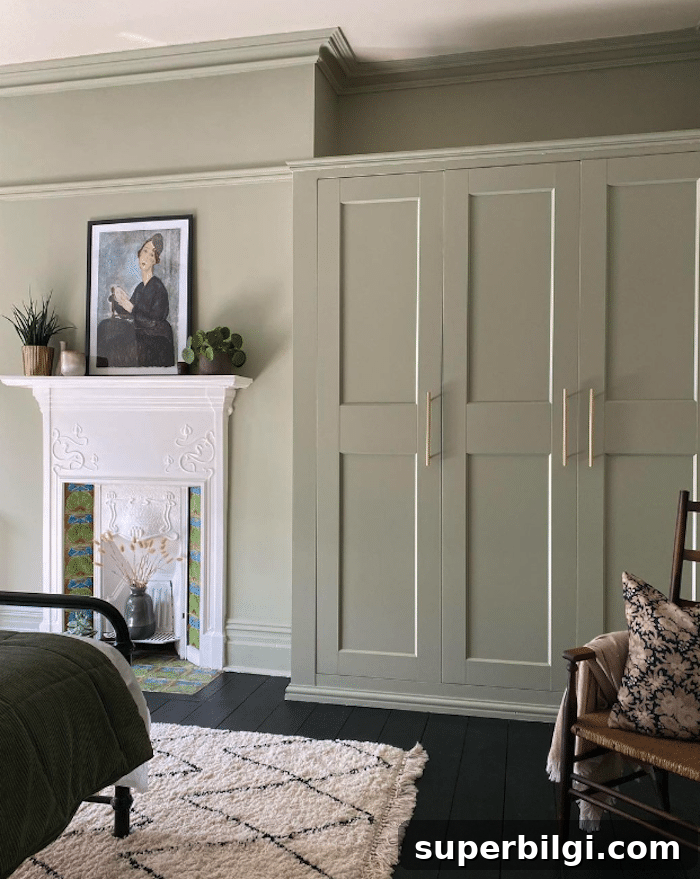
15. Farrow & Ball Mizzle
Mizzle No. 266 is a misty grey-green with an LRV around 52. Its softer, less-blue tone creates a serene shade that pairs well with mid-tone neutrals and classic interiors.
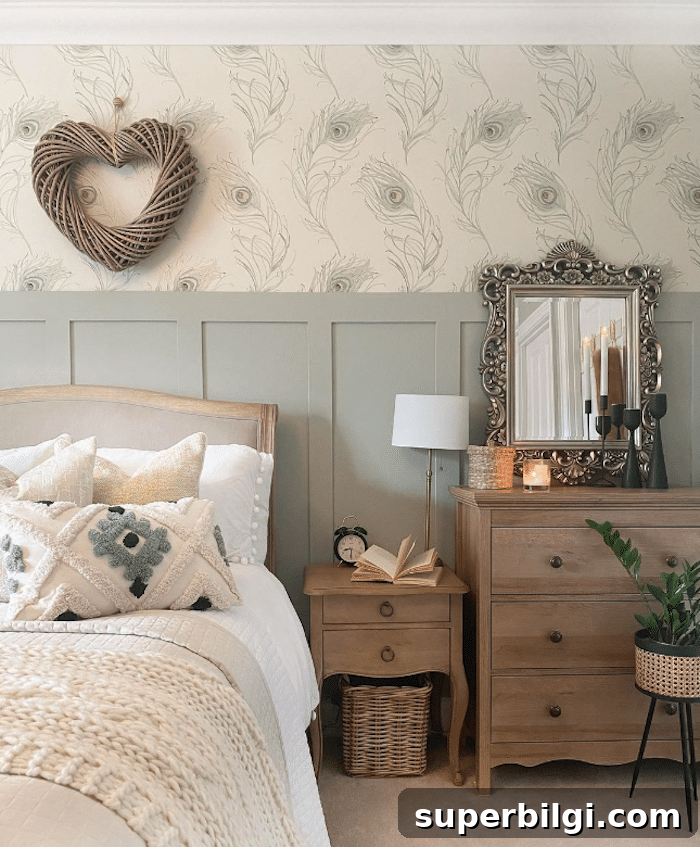
16. Behr Bitter Sage
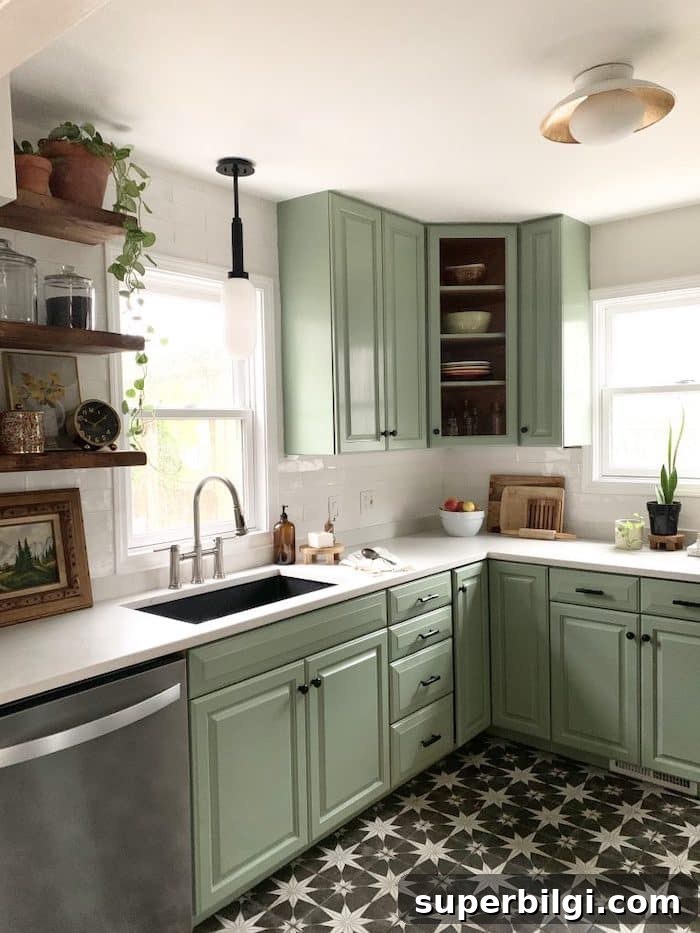
Bitter Sage (N390-4) is a nuanced mid-tone green with warmth and an LRV near 34. It’s saturated enough to feel designer-forward on cabinets and accent walls while remaining versatile with white counters and metallic accents.
17. Behr Hillside Green
Behr Hillside Green (PPU11-17) leans cool with blue-gray undertones and an LRV around 30. It’s best in well-lit spaces and can freshen kitchens or cabinetry for a dramatic, budget-friendly update.
Final Thoughts
Sage green paint offers a wide range of moods—from calm and silvery to rich and botanical. Choosing the right shade comes down to understanding undertones and testing samples in your own light. Try peel-and-stick paint samples or large swatches and observe them throughout the day. Whether you prefer the warm earthiness of Coastal Plain or the airy quality of Sea Salt, there’s a sage for every room and style.
More posts you might enjoy:
- The Best Green Paint Colors For Your Home
- Sherwin Williams Sea Salt (SW 6204)
- The Best Blue Green Paint Colors For Your Home
- How To Choose The Best White Paint Color
- Best Living Room Paint Colors For 2024