
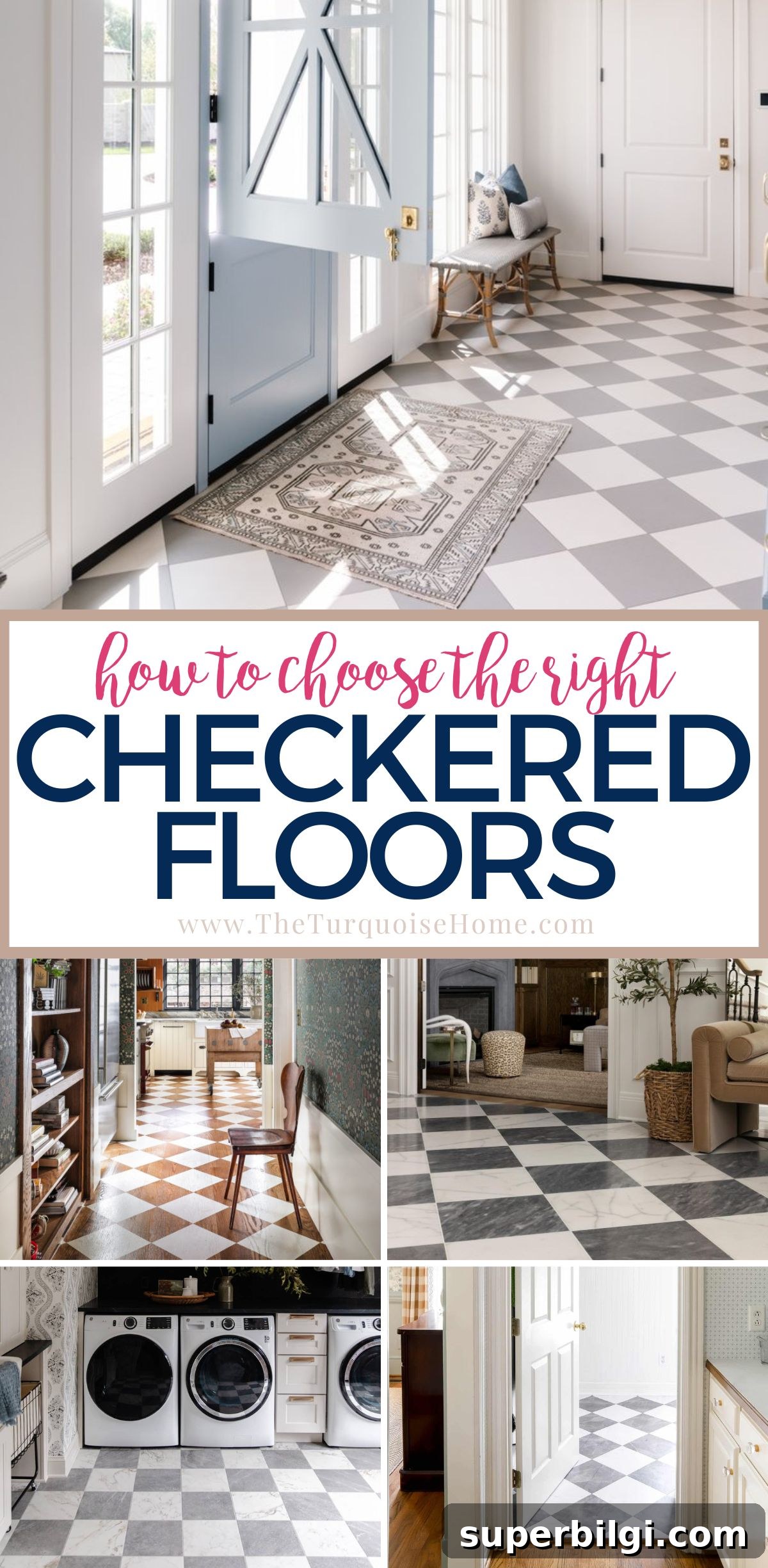
Checkered floors are a timeless flooring choice that never goes out of style. Their bold contrast and clean geometry suit many home styles and materials, from classic marble and ceramic to painted wood and vinyl.
When I begin a design project, I often start with enduring elements—details that give instant character and longevity to a space. Checkerboard floors are one of those go-to choices. Below I’ll cover the pattern’s history, why it withstands trends, material options, where it works best in the home, tile sizing tips, and a few modern twists to inspire your next floor project.
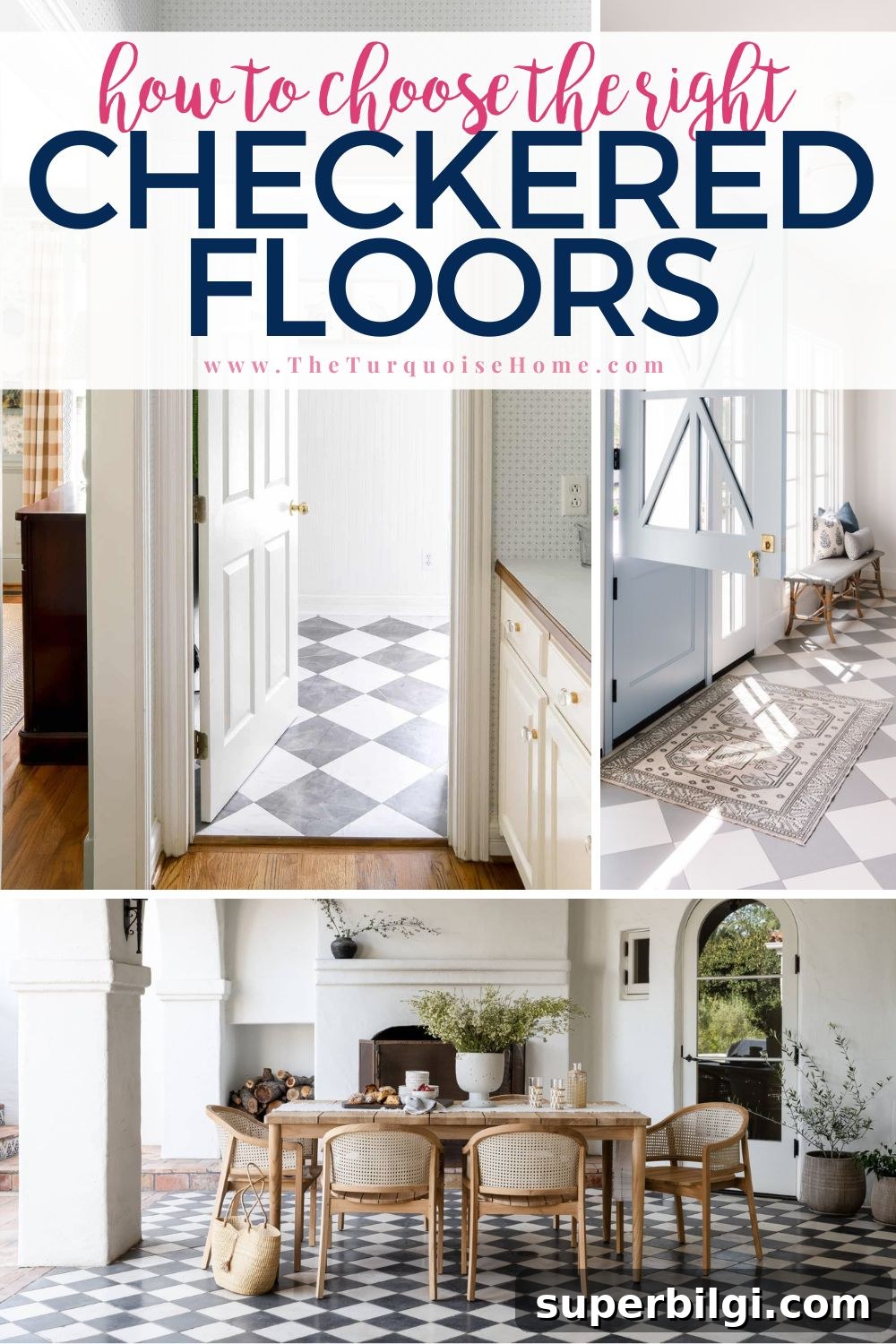
I’ll explain origins of the checkerboard pattern, the difference between checkerboard and harlequin installations, recommended materials, and practical advice for choosing tile size and placement so you can confidently pick the right checkered floor for your home.
This post contains affiliate links for convenience. See the site’s disclosure policy for details.
A Brief History of Checkered Floors
The checkerboard pattern dates back to ancient times—examples appear in Egyptian sites and Roman baths—and later became common in medieval and Renaissance Europe. In churches and grand houses the motif often carried symbolic meaning, reflecting contrasts and duality. By the 20th century checkerboard floors appeared in social halls and, later, in everyday homes as linoleum and tile became widespread during the 1930s–1950s.
Although the pattern is sometimes associated with retro diners, that’s only one chapter in a centuries-long story. Today the checkered floor is embraced across modern and traditional interiors and has found new life in trending styles like grandmillennial and granny-chic aesthetics.
Why Checkered Floors Have Stood the Test of Time
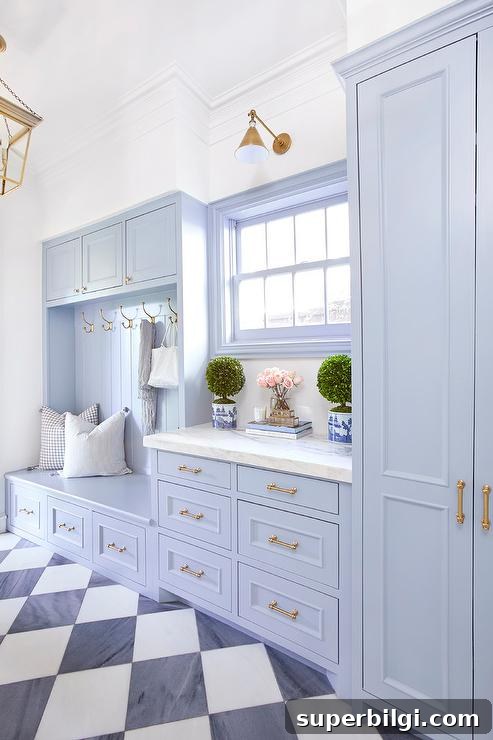
Checkered floors endure because the pattern is visually striking yet simple, and because many materials used for this look—tile, stone, linoleum, vinyl, and painted wood—are durable and low maintenance. The geometry of contrasting squares creates a clear focal point that reads well at any scale and in many styles.
Harlequin vs. Checkerboard Flooring
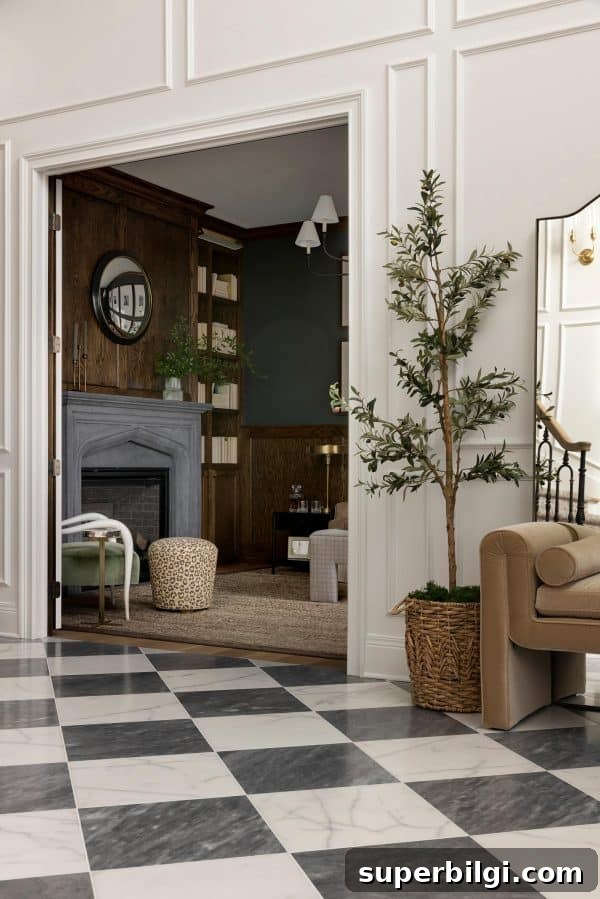
It’s useful to distinguish between two common installations. A traditional checkerboard places square tiles in a straight grid, parallel to the room’s walls—this is the classic chessboard layout. A harlequin pattern rotates the squares 45 degrees so they appear as diamonds. The harlequin installation often reads more formal or classical, while the straight checkerboard can feel retro, modern, or mid-century depending on materials and colors.
Choosing the Right Material for Your Checkered Floors
Checkerboard patterns can be achieved in many materials. The right choice depends on budget, traffic, moisture exposure, and the look you want.
- Marble tiles
- Ceramic tiles
- Porcelain tiles
- Painted concrete (also suitable for outdoor patios)
- Painted wood
- Vinyl tiles
- Granite (outdoor-friendly)
- Limestone
- Linoleum
- Wood floors with contrasting stains or paint
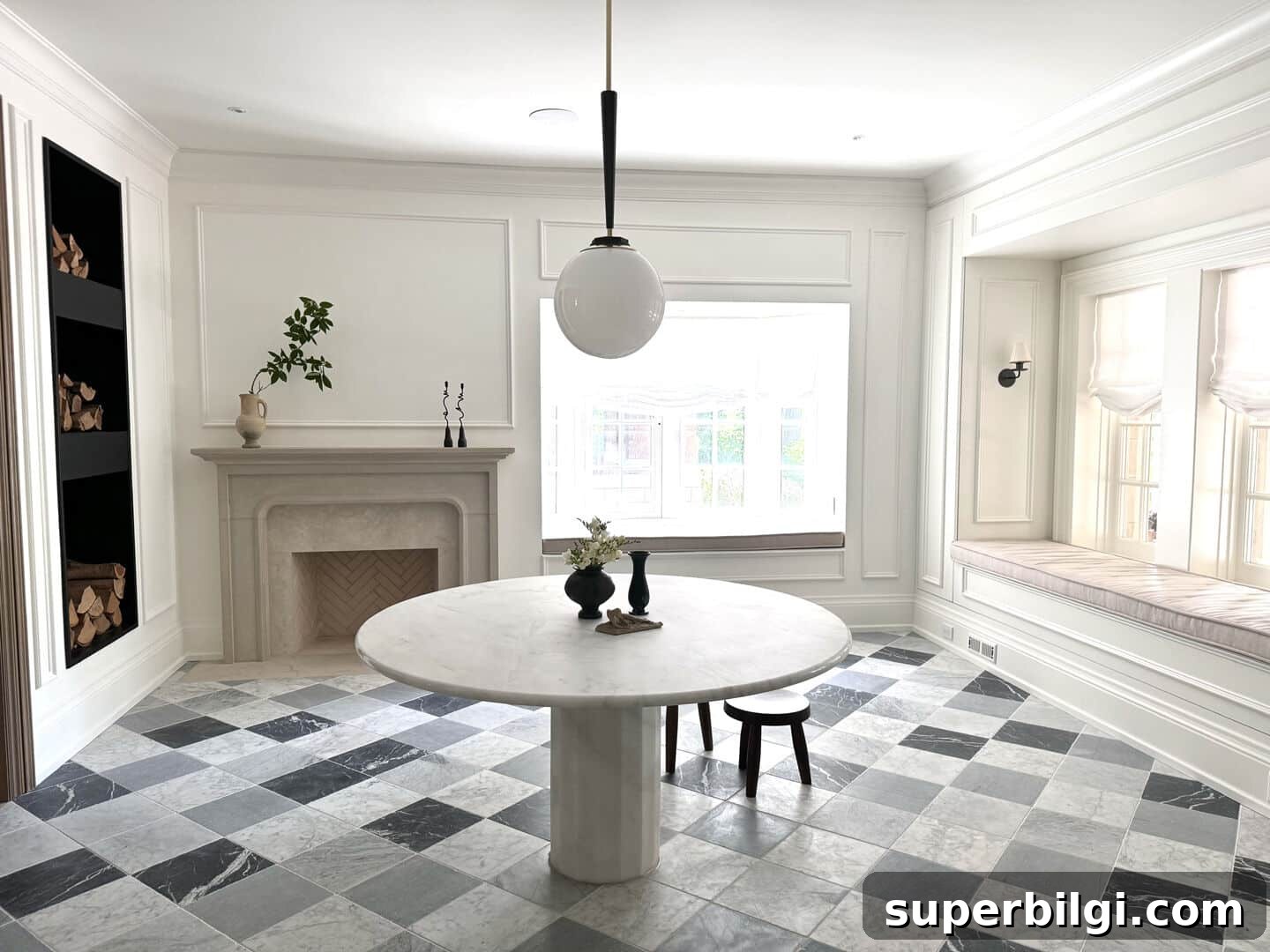
Marble: Marble creates an elegant, luxurious checkerboard. Finishes range from tumbled and honed to brushed or polished, each giving a different texture and sheen. For those who love the look of marble but need a lower-cost alternative, porcelain or engineered stone can mimic marble with greater durability.
Other natural stone: Travertine, granite, slate, limestone, and quartzite are all solid options—particularly for high-traffic areas like mudrooms when you want real stone’s character.
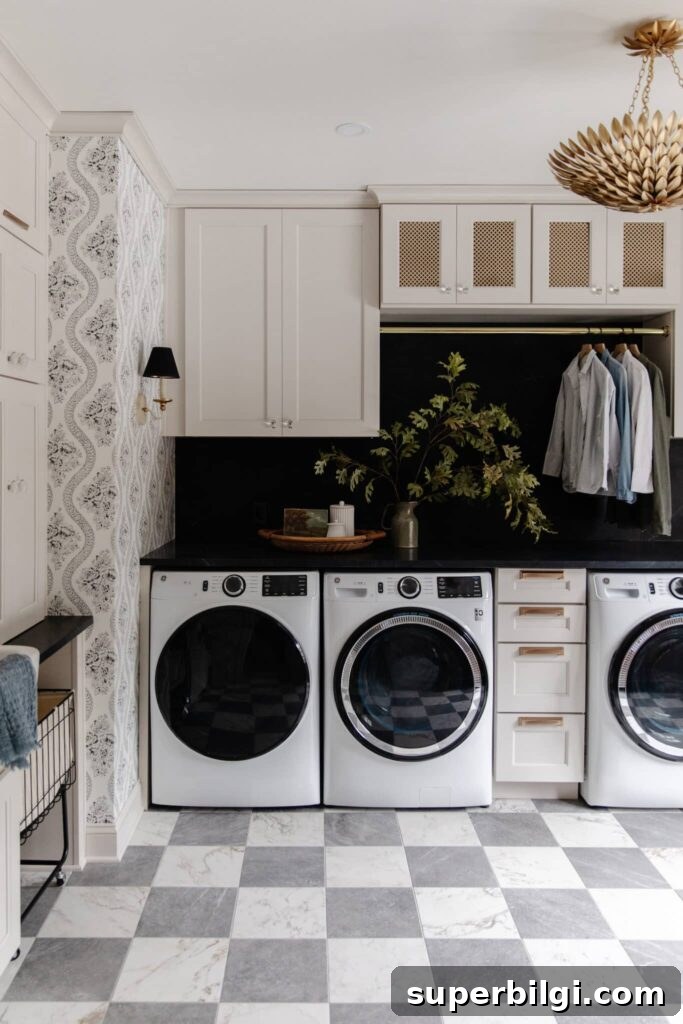
Vinyl and linoleum: Vinyl is budget-friendly, moisture-resistant, and low-maintenance, making it a sensible choice for kitchens and laundry rooms. Linoleum is eco-friendly and very resilient but more sensitive to water, so vinyl often wins in wet spaces.
Wood and painted floors: Wood adds warmth; a painted checkerboard or contrasting wood stains can create a custom, softer take on the pattern that works beautifully in sunrooms and transitional spaces.
Choosing the Right Tile Size
Tile size dramatically affects how the pattern reads. Follow these practical tips:
- Assess room dimensions: Large tiles (12×12 or bigger) can make small spaces feel larger, while smaller tiles add detail in larger rooms without overpowering the space.
- Consider furniture and fixtures: Tile scale should complement, not compete with furnishings. Large, bold furniture may be balanced by smaller tile sizes.
- Match your style: Bigger checkerboards often feel modern and bold; smaller tiles feel classic and refined. Choose colors and materials that suit the mood you want—neutral tones for calm, bold contrasts for energy.
Checkered Floors in Different Rooms
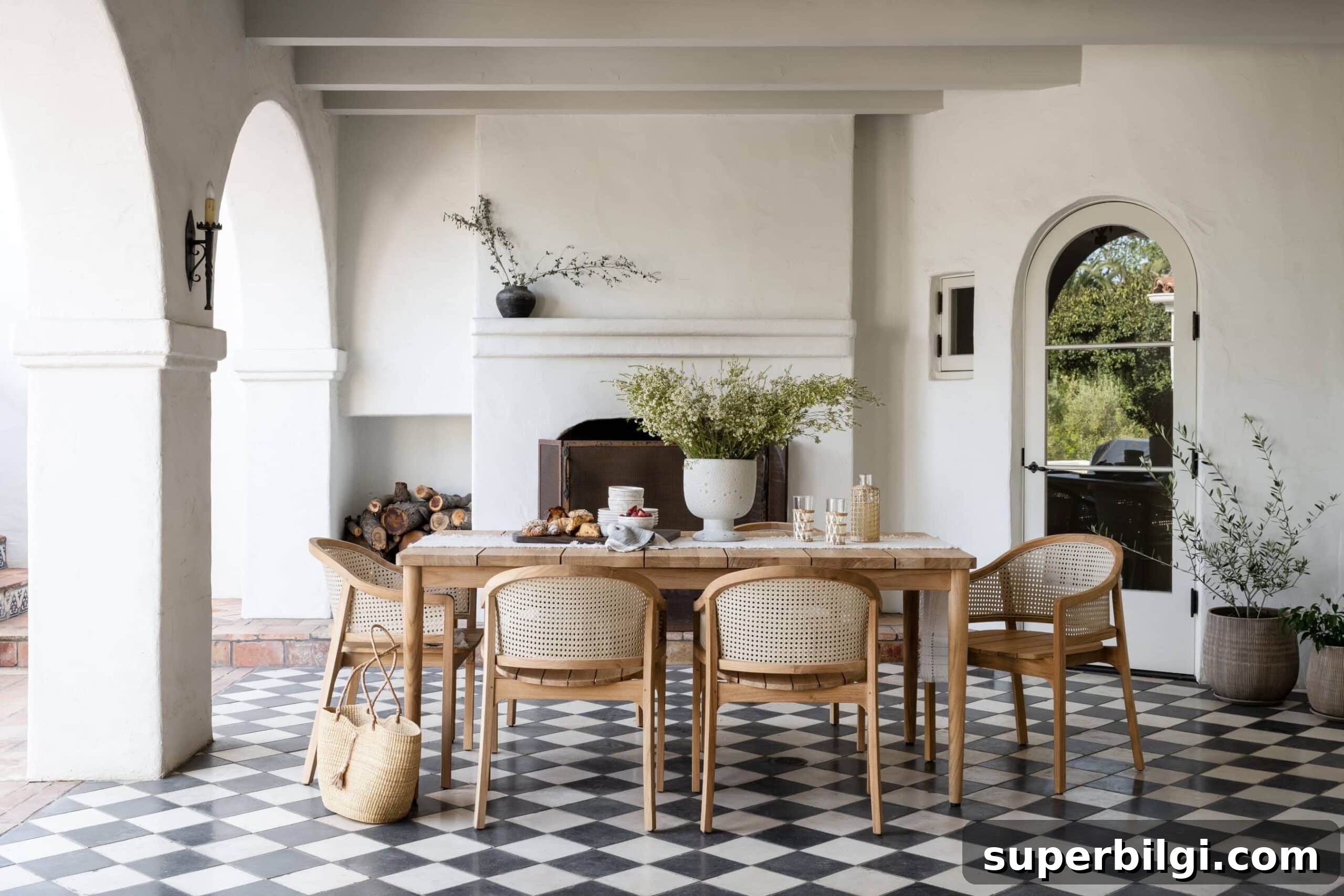
Checkered floors can suit many rooms. Below are common and successful applications:
Entryway
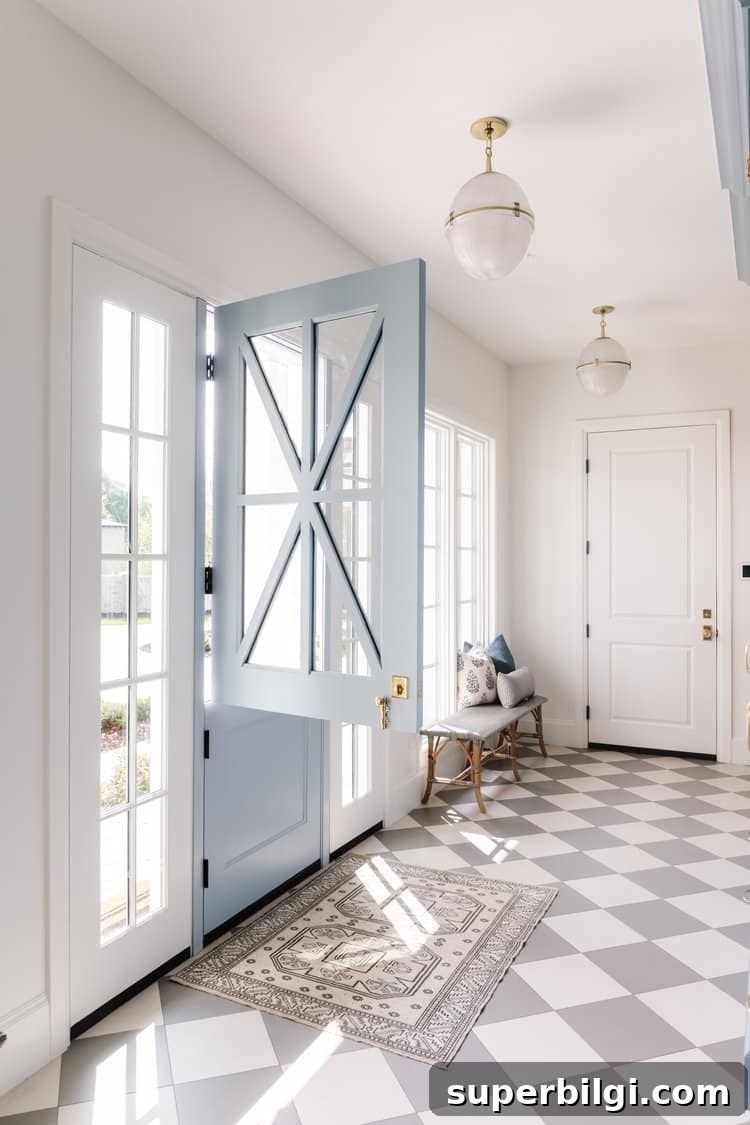
A checkered foyer creates an immediate statement and sets the tone for the home—choose bold contrast or softer hues depending on your entry’s light and scale.
Kitchen
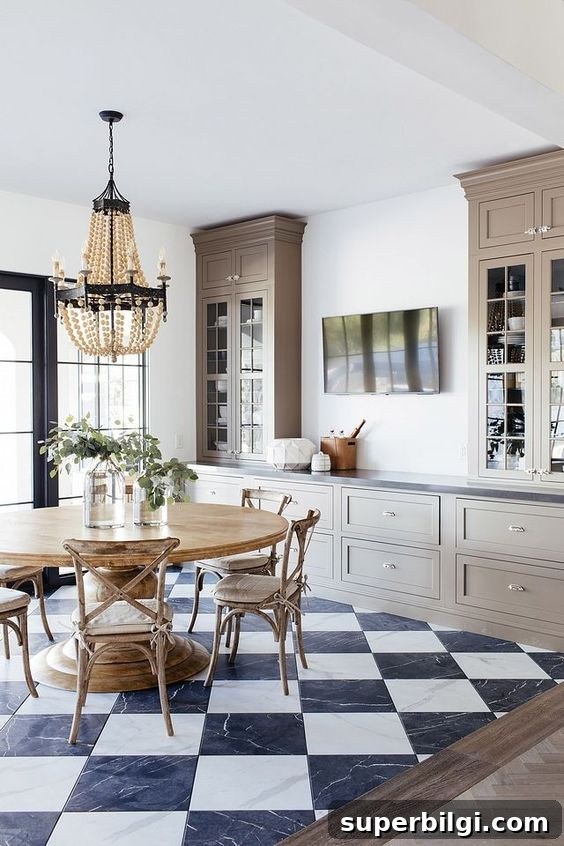
In kitchens, porcelain or porcelain-look tiles are durable and easy to clean. Consider neutral or charcoal pairings for a modern twist on black and white.
Bathroom
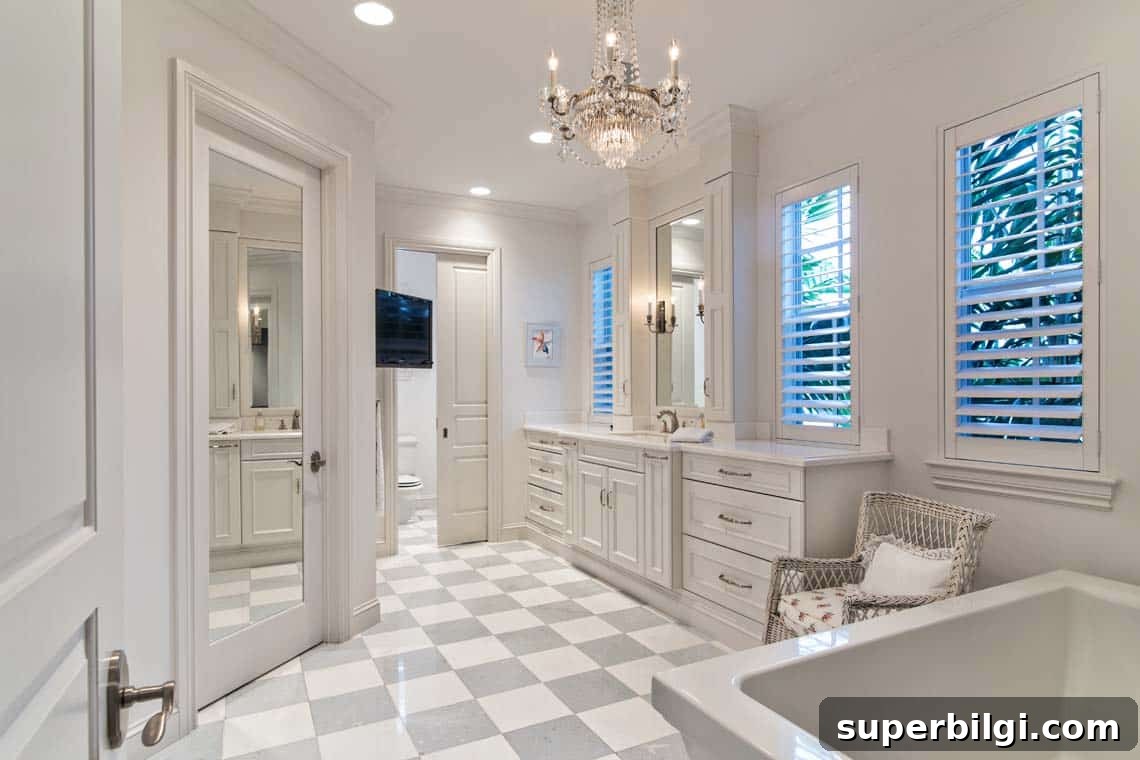
Smaller tiles often expand powder rooms and bathrooms visually. Marble or porcelain with subtle veining creates an airy, refined look.
Laundry Room
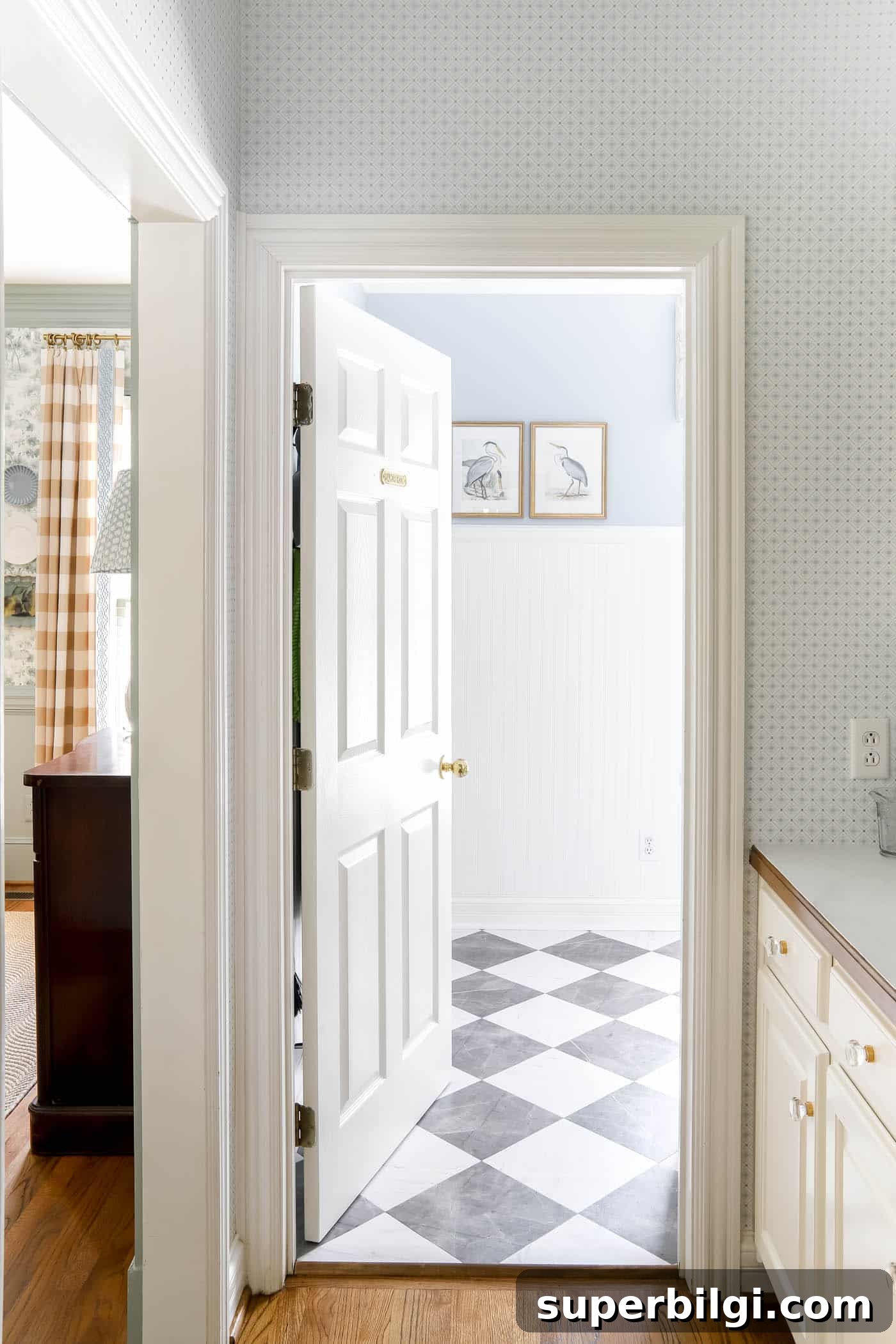
Vinyl peel-and-stick tiles are a practical, budget-friendly option for laundry rooms—easy to install and replace if needed.
Sunroom
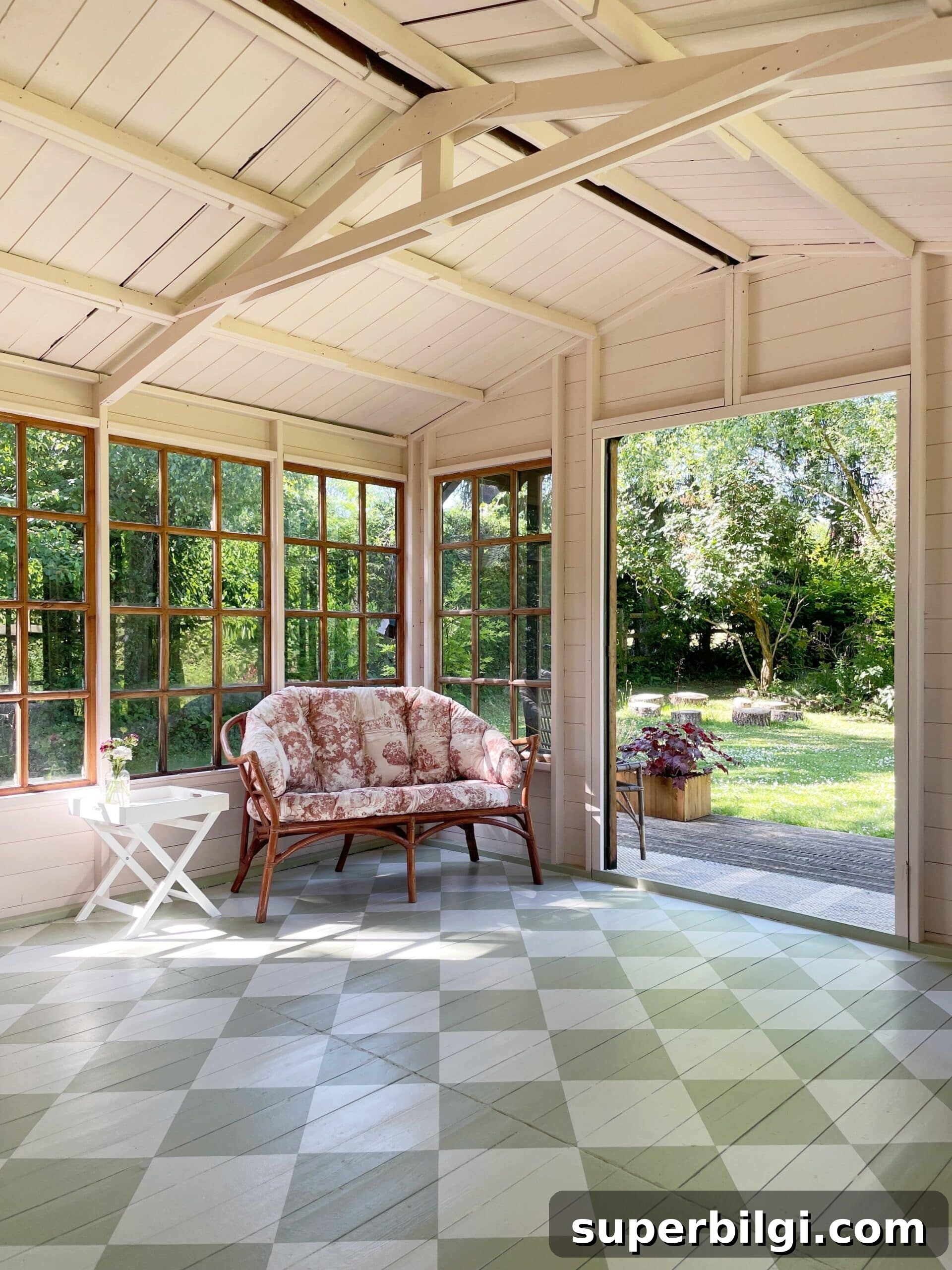
Painted wood checkerboards can bridge indoor and outdoor palettes, especially in sunrooms where the color can echo garden tones.
Modern Twists on the Classic Checkered Floor
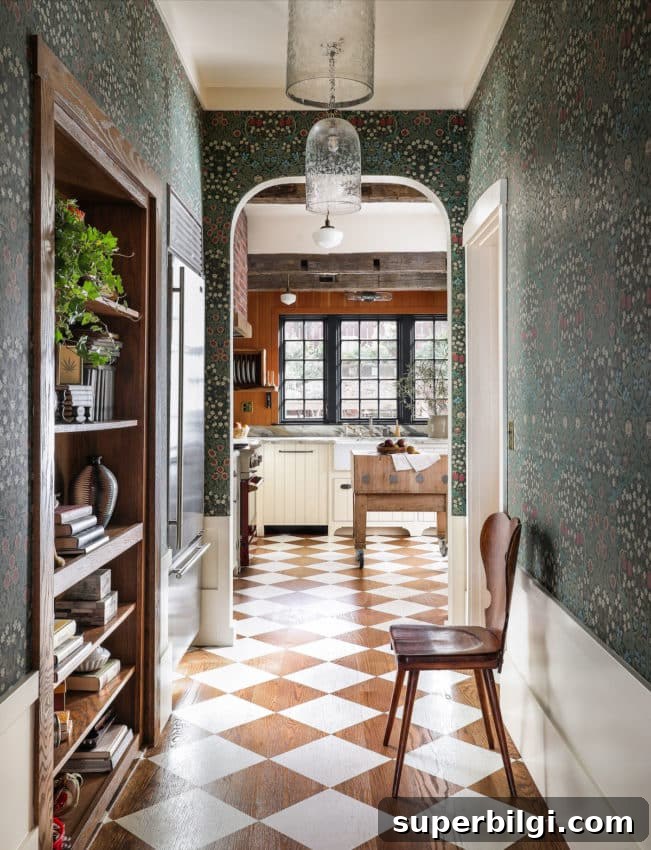
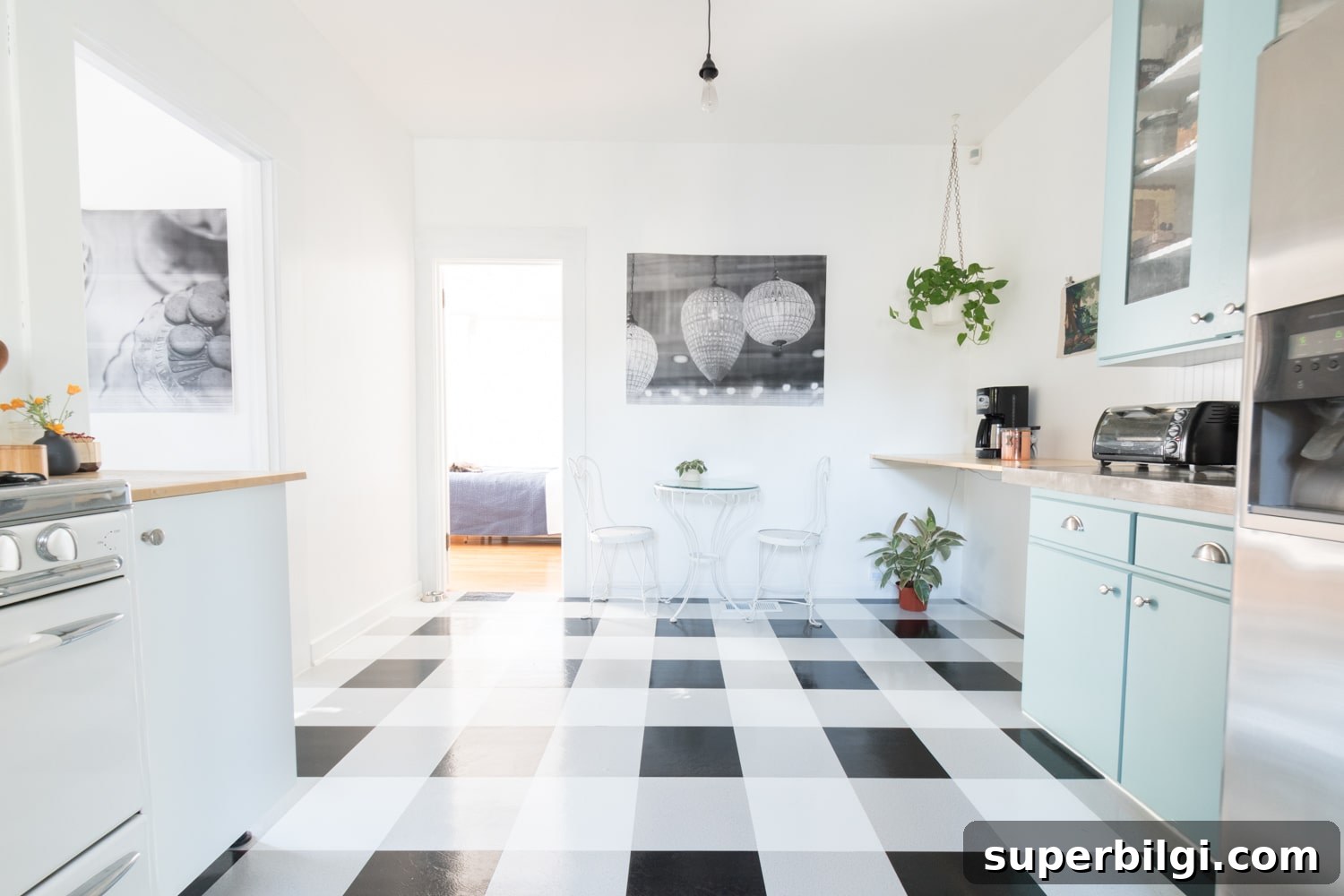
Bring the look into the present by mixing finishes and unexpected color combinations—navy and cream, olive and ivory, or a wood-grain square paired with painted white. Plaid-inspired layouts and varied tile sizes or textures can make the pattern feel custom and contemporary.
Final Thoughts
Although the checkerboard pattern is simple, selecting the right material, tile size, and installation direction unlocks a wide range of expressions—from bold and modern to timeless and refined. Once you settle on the look and placement, a checkered floor can dramatically elevate your space for years to come.
Related reading you might enjoy:
- Washable kitchen runner rugs and floor runners
- Budget-friendly flooring ideas
- Luxury vinyl plank flooring review
- Coastal book nook makeover ideas
- How to choose the best entryway rug