
If you’re just tuning in, you may want to go back and read my initial thoughts on the KonMari Method and my post about decluttering my closet.
This post contains affiliate links for your convenience. See my full disclosure policy.
I’m decluttering my home over the next several months using Marie Kondo’s book, The Life-Changing Magic of Tidying Up. While I don’t follow every rule to the letter, the approach has been incredibly motivating and has helped me stay focused. Typically I would declutter for a day or two and then drift away, but this time I’m taking it seriously—and having readers follow along keeps me accountable.
This month I tackled books and papers—arguably two of the most sentimental and stubborn categories when it comes to letting go.
Decluttering Books
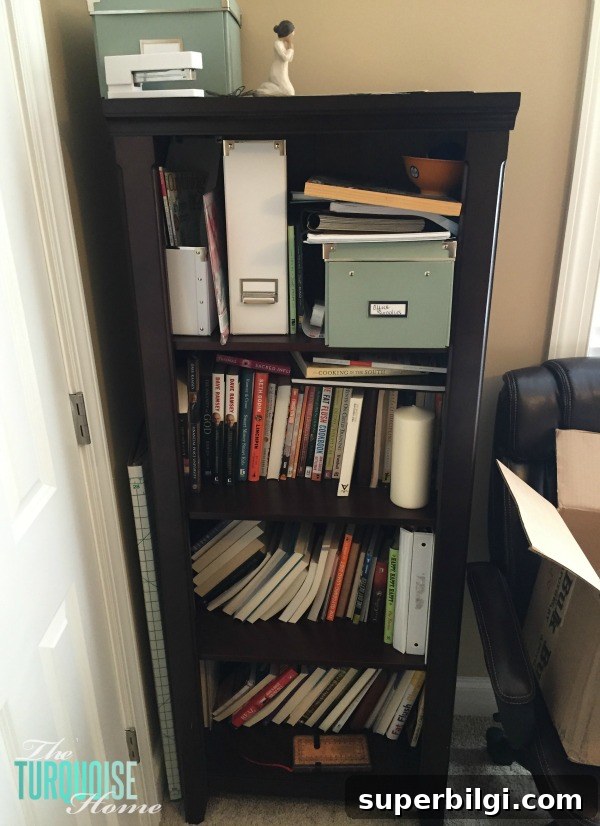
I began by gathering every book from everywhere in the house. That’s one of the things I love about the KonMari method: you assemble all items of the same category so you can actually see how much you own. I thought my collection was already small, but I’d forgotten about books in an under-bed box, a stash in the closet, my nightstand, and the bedroom armoire.
As I handled each book I asked myself: does this spark joy? Which ones do I truly love? Some were instant keepers—books I’ve read multiple times and that helped shape who I am. Others were practical business books I use regularly, or titles relevant to where I am in life right now.
I let go of a lot of marriage and parenting books I’d bought pre-marriage or during early parenting phases and never revisited. I also released most fiction I’d kept “for the beach someday”—honestly, that day feels far off and I’m more likely to listen to audiobooks than sit with a paper novel.
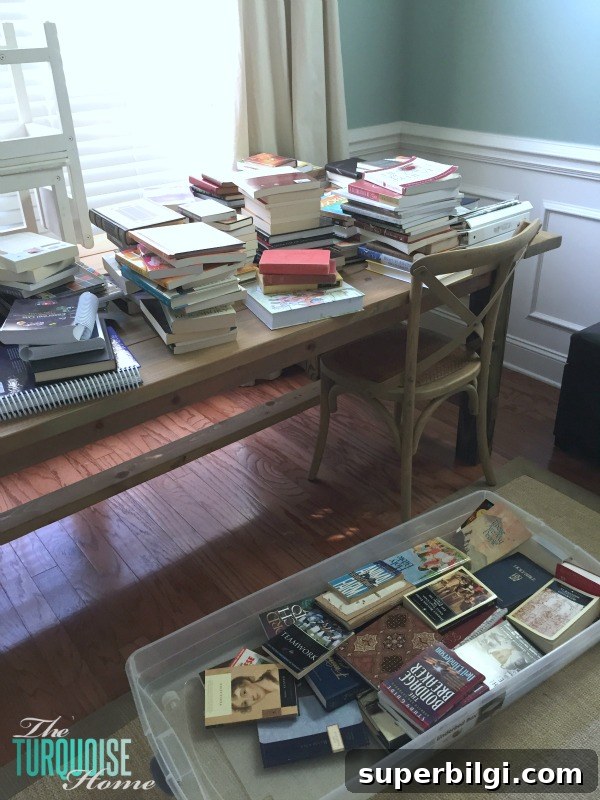
I discarded many study guides and worksheets from years of Bible studies. It was freeing to realize that, despite holding onto those materials for decades, I never go back to them. That said, I did not throw away personal journals—those are stored in a trunk with sentimental keepsakes and I’ll review them during the mementos stage of my decluttering.
After sorting, I consolidated my remaining books to a single small bookshelf. That shelf now holds the books I truly want to keep—excluding cookbooks in the kitchen and a few decor books I use regularly. For now I’m limiting myself to this one shelf and seeing how it goes.
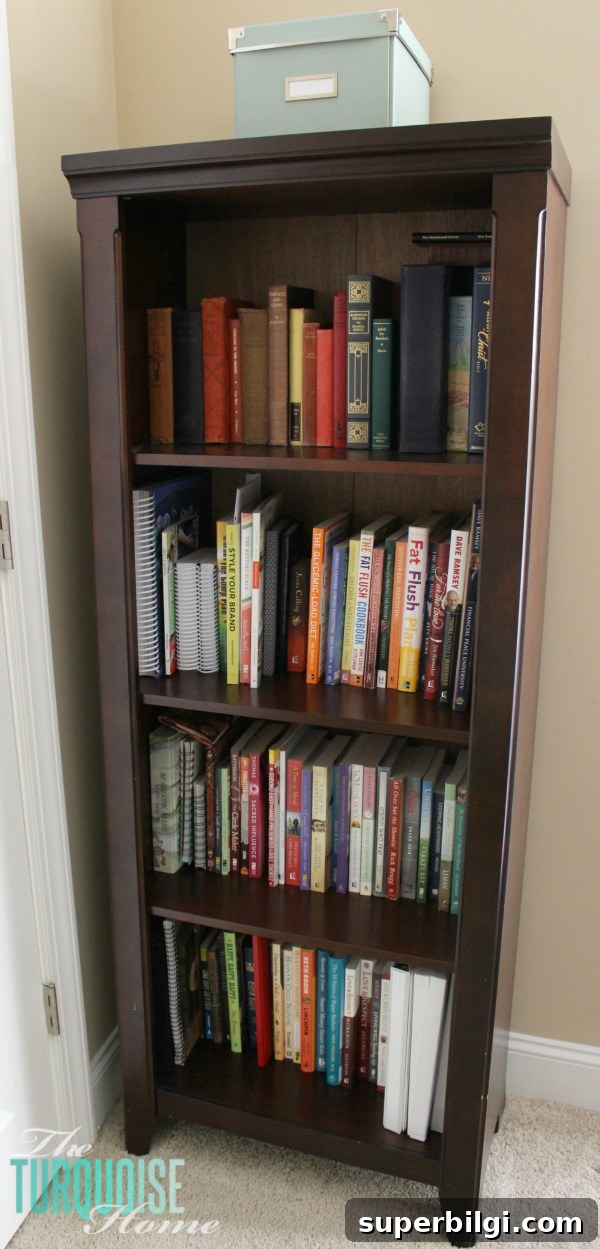
Note: I didn’t touch my children’s books or spaces—they’re off-limits until I finish decluttering my own things.
Decluttering Paper
Paper was more of a challenge and I’m still working through it—this category is a doozy. I found boxes and random stacks of paper in my office/guest bedroom that had been there for months. With a new baby in the past year, I hadn’t had time to sort anything, so papers piled up.
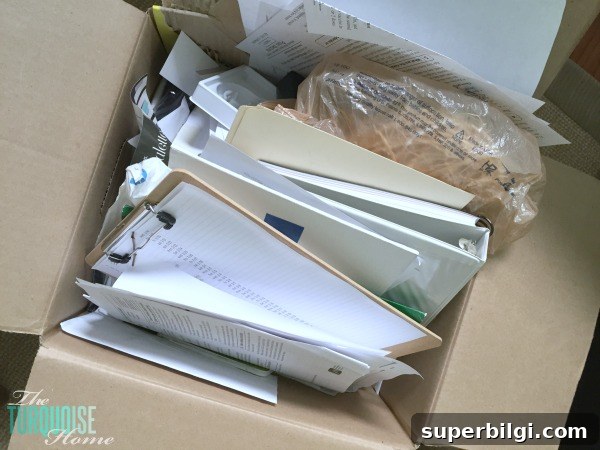
Marie Kondo’s rule for papers is blunt and helpful: discard everything. I love that because I have a tendency to hoard “just in case.” Instead, I created a simple command center near the kitchen with two folders: “papers to file” and “papers that need follow-up.” When I have time I pull a folder and work through it; the key will be regular maintenance so the folders don’t overflow again.
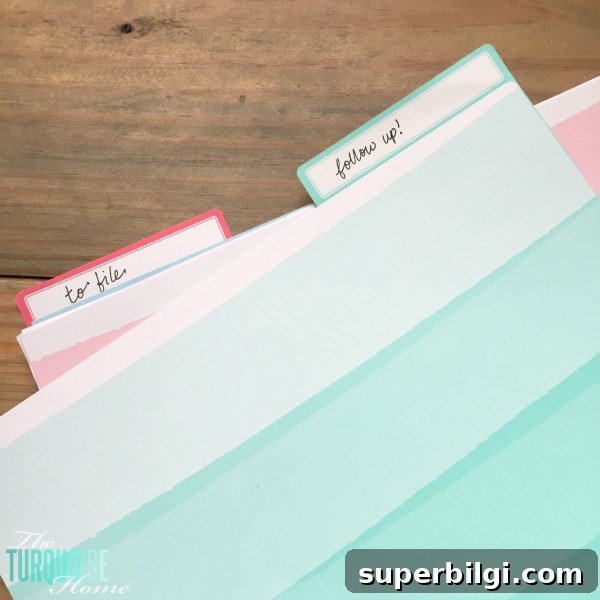
There are, of course, papers you must keep—tax documents, legal papers, and other records. Kondo’s advice is practical: keep those items together in one folder rather than spending time on elaborate filing systems. You’ll rarely need to retrieve them, and when you do it’s simpler to thumb through a single pack than hunt through many folders.
During the cleanup I found unopened mail, checks to deposit, expired coupons, receipts, picture frames, and other random items. Going through these boxes now helped me locate receipts needed for taxes and clear out a lot of clutter that had accumulated during a chaotic year.
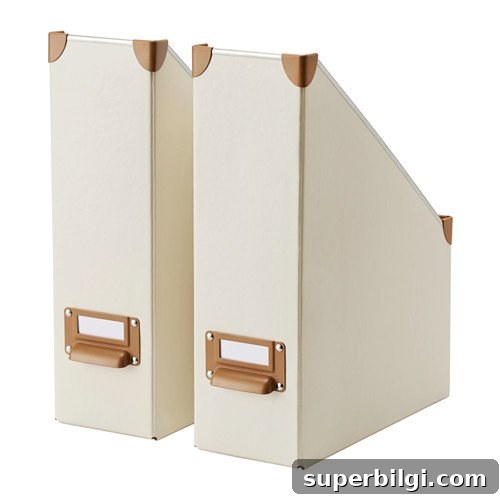
I also overhauled how I store manuals and warranties. I used to keep massive binders full of every manual; Kondo reminded me that most manuals are rarely needed and can often be found online. I’ve kept manuals for a few high-ticket items but moved them into compact magazine holders instead of bulky binders.
I don’t have a single “after” photo for the paper project yet because they were everywhere and I’m still finishing, but I’m close. When my office and command center are tidy I’ll share the results—proof that the paper hoarding is under control.
Next Month’s Topic
Next month I’ll tackle komono—miscellaneous items—which for me feels like everything left in the house. I’ll start with my office, the room that needs the most attention. My office sorting list includes notepads, binders, folders, calendars, pens and markers, craft supplies, wrapping paper, spare cords, electronics, decor, and blogging props, among other things.
- Notepads and notebooks
- Binders and folders
- Calendars and envelopes
- Labels, pens, pencils, markers
- Staplers, paper clips, rubber bands
- Scissors, tape, glues
- Craft supplies and wrapping materials
- Spare cords, phone accessories, remotes
- Video games, board games, CDs/DVDs
- Cameras, computers, and other electronics
- Photo props and home decor
It will take time, but with each item I discard or donate I feel lighter. Many things I’d held onto for years are gone now—and I don’t miss them.
It’s Not Too Late
Feeling overwhelmed by the amount of stuff in your home? Join me on this decluttering journey. Accountability makes the process more manageable and more fun. Marie Kondo estimates about six months to tidy an entire home, so this is a long-term effort—but the results are worth it.
More posts you may like:
- The Two Rules to Eliminate Paper Clutter for Good
- How to Tame the Paper Clutter: Industrial Command Center
- How to Declutter Your Home in 5 Simple Steps