
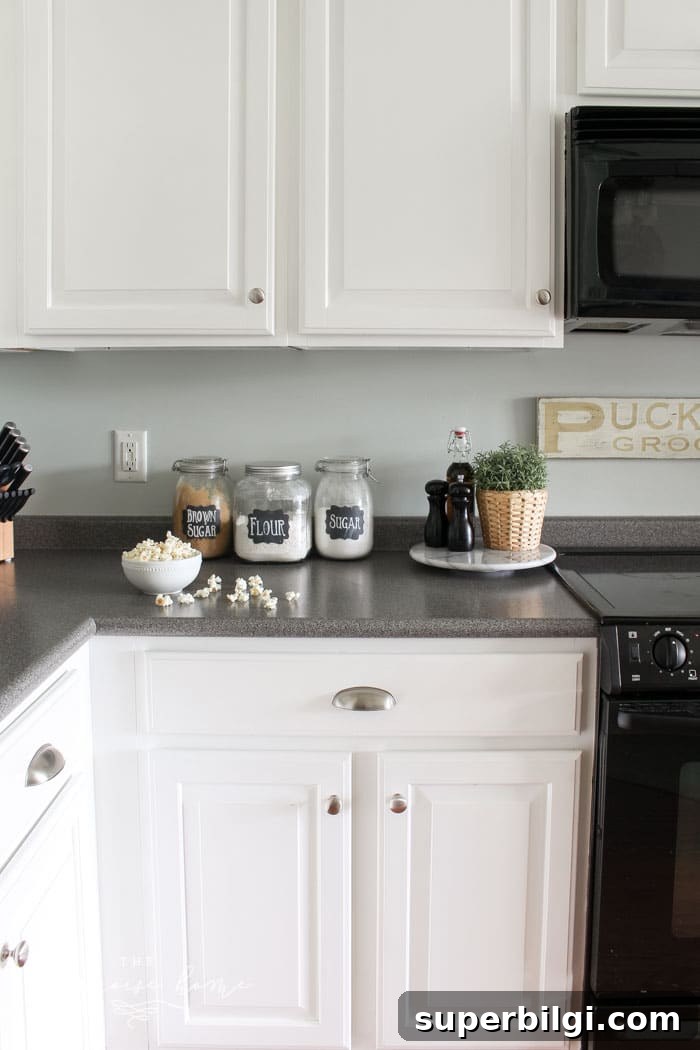
Painted kitchen cabinets remain one of the most popular and cost-effective ways to update a kitchen’s look. I’m often asked how my cabinets have held up since I painted them and whether I’d make the same choices again after living with them for this long.
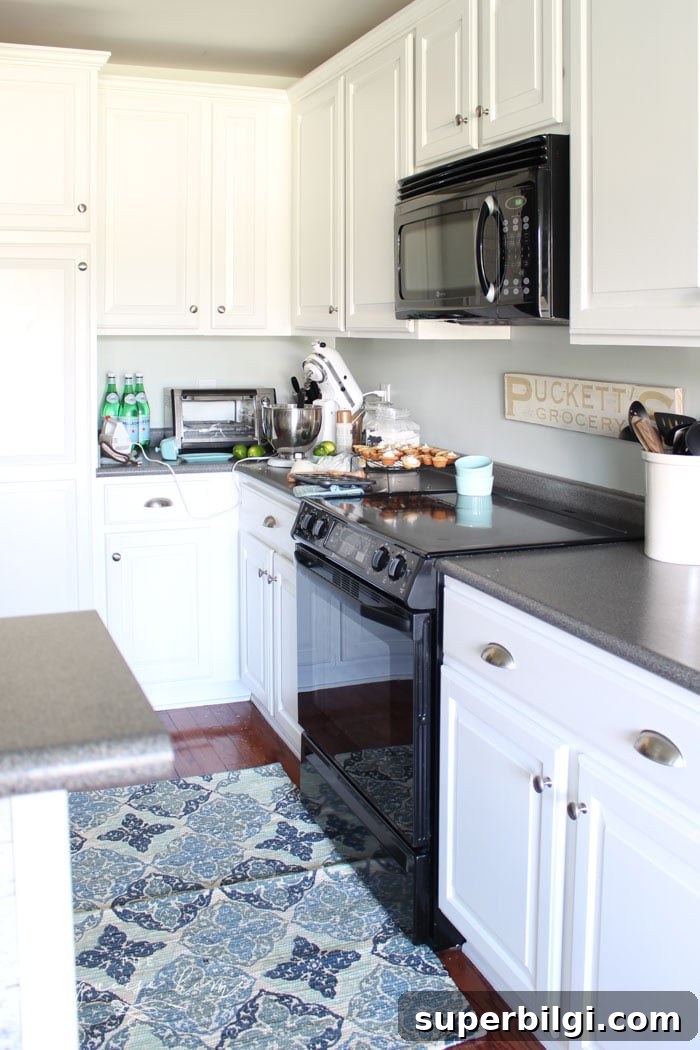
Short answer: absolutely — I would paint them again. Over nearly two years of daily use, the finish has performed well and still looks fresh. That said, there are a few realistic details worth knowing if you’re planning a cabinet paint project. Read on for a practical, experience-based look at durability, paint choices, and application tips so you can plan for the best results.
RELATED: How to Paint Kitchen Cabinet without professional equipment
Technically it hasn’t been a full two years since we painted the cabinets, but it’s close enough that the observations below reflect long-term, everyday use. I’ll mention what’s held up, where wear shows, and which steps I’d repeat — and which I might change if I had to do it again.
If you’re considering painting cabinets in your kitchen—or anywhere else in your home—this FAQ-style overview will help you weigh the pros and cons and choose materials and a method that fit your needs. Feel free to ask questions in the comments; I’ll update this with any follow-up details readers request.
FAQs about Painted Kitchen Cabinets
How are the cabinets holding up?
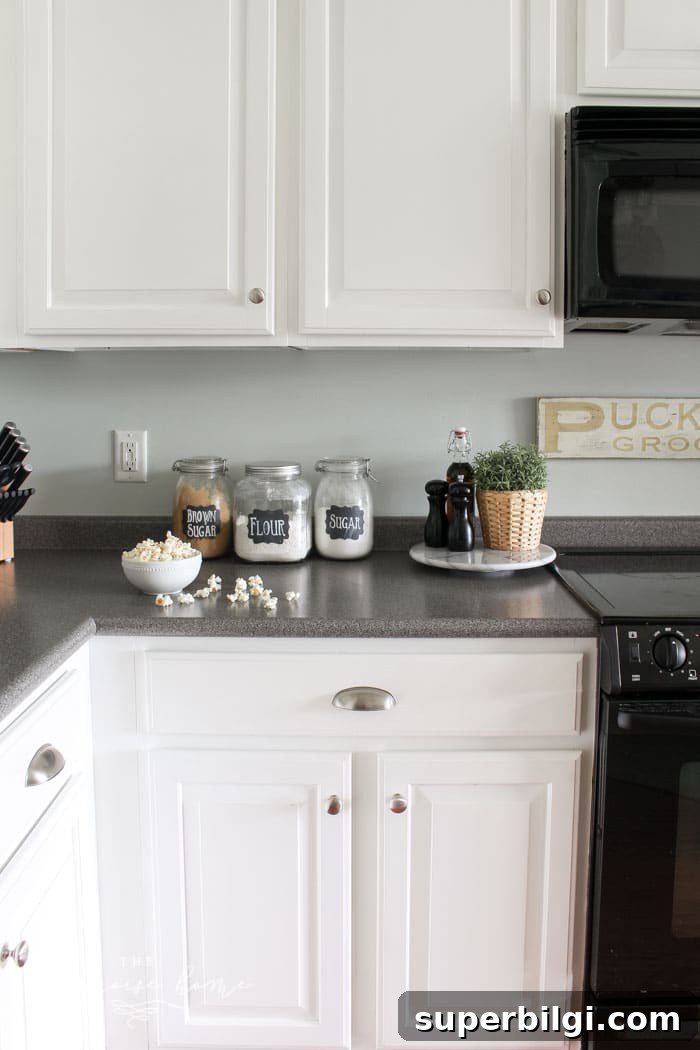
Overall they’ve held up very well. There are a few small chips and dings, but most of the wear is minimal and not obvious unless you look closely. Most of the small chips appeared in the first couple of weeks after painting, which makes me think the finish needed a bit more cure time than expected. If possible, allow freshly painted doors to fully cure for a couple of weeks before heavy use — it can reduce early nicks and scuffs.
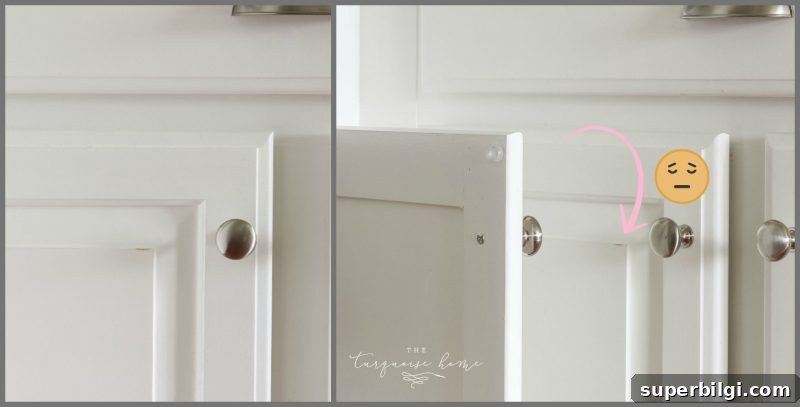
Most visible wear has come from contact and friction — for example, where one door hits another or where dishes were pushed into a cabinet during the first few days. Those marks are small and only noticeable up close. For busy family kitchens, this level of wear is normal and easy to touch up later if desired.
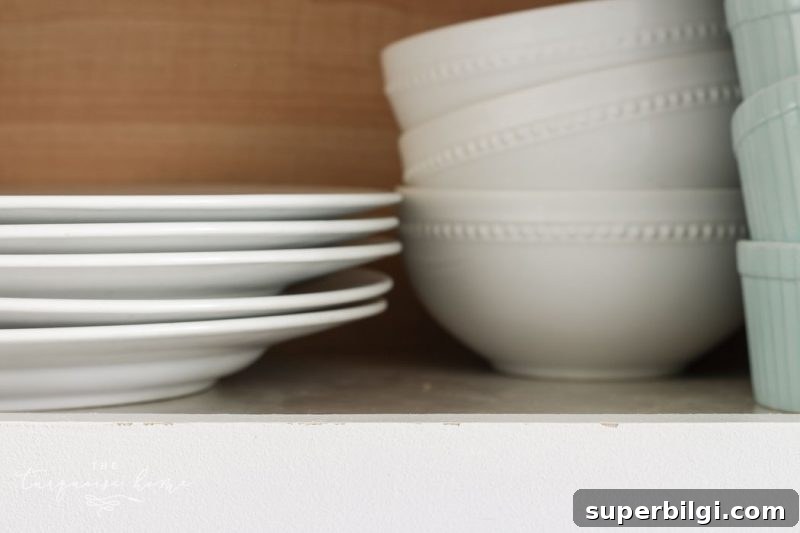
There were a few small dents during the initial weeks while we were moving dishes and adjusting hardware — nothing structural, just cosmetic. Those spots are easy to touch up with a little leftover paint, and honestly, most visitors don’t notice them.
What kind of paint should you use on kitchen cabinets?
Choosing the right paint is one of the most important decisions. I tested two products on cabinets in my home:
Ace Hardware’s Door, Trim and Cabinet Paint: This formula is thinner and glides on very smoothly. It levels well, which helps minimize brush marks if you work in thin coats and watch for drips. Applying several thin coats rather than one thick coat produces the best finish.
Benjamin Moore Advance (used on my kitchen cabinets): This waterborne alkyd paint gives a durable, furniture-like finish and dries harder, but it’s thicker and can show brush strokes in detailed or beveled areas unless you thin or spray it. I used Advance on these cabinets and achieved a solid, long-lasting finish; just be mindful of application technique.
Final recommendation: Benjamin Moore Advance is an excellent product for cabinets, but if you choose it, consider thinning slightly according to the manufacturer’s directions or using a sprayer to reduce brush marks and improve leveling.
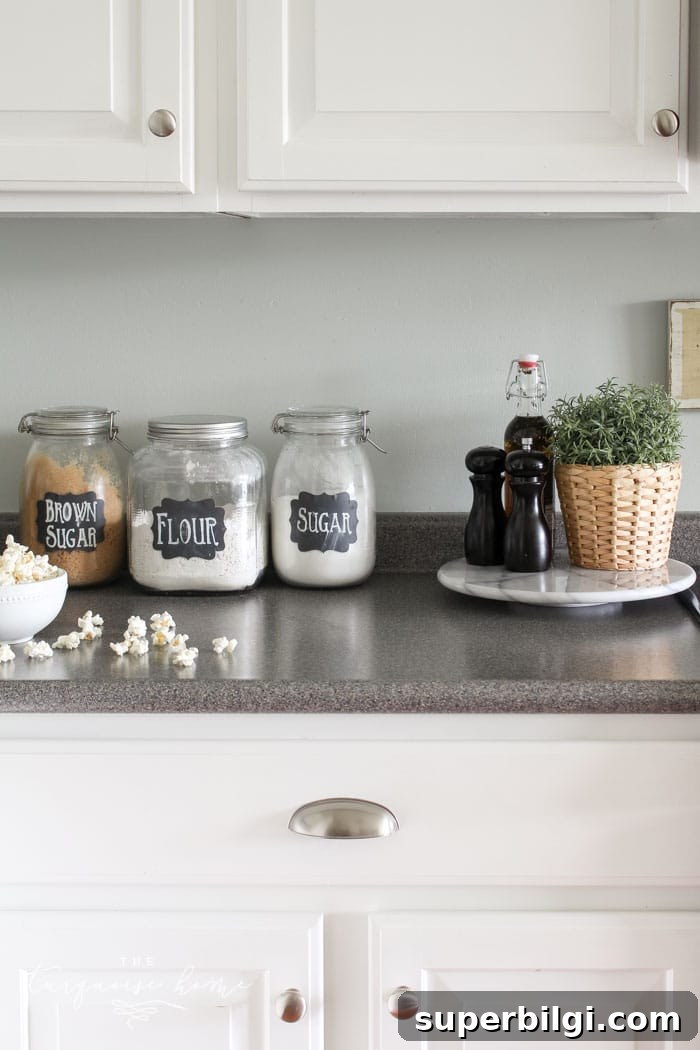
Will Benjamin Moore Advance yellow over time?
A common concern is yellowing with alkyd-style finishes, especially on white. We used Benjamin Moore’s Simply White and have not seen noticeable yellowing in nearly two years. Proper ventilation and avoiding smoke exposure will also help prevent discoloration over time.
Can you paint cabinet bases without sanding?
Yes — but prepare the surfaces properly. I avoided sanding the cabinet bases to keep dust out of the house and used a liquid deglosser instead. That approach worked well for us. If you skip sanding, make sure you thoroughly clean and degloss the surfaces and allow extra cure time after painting to reduce early chipping.
Should you spray paint kitchen cabinets?
If you have access to a paint sprayer, I recommend trying it. I painted these cabinets by hand because I didn’t own a sprayer at the time, but later used a sprayer on a fence project and loved the smooth, even coverage. Spraying speeds up the process and gives a professional-looking finish—especially on detailed cabinet doors—though it requires careful masking and a suitable workspace.
Final thoughts
Painting cabinets is a highly effective way to refresh a kitchen without the cost of a full remodel. With the right paint, surface prep, and patience during the curing period, you can achieve a durable, attractive finish that stands up to everyday life. I’d absolutely do it again and would recommend it to anyone wanting a major visual update on a budget. If you decide to tackle cabinet painting, please share your photos — I’d love to see your results!
MORE POSTS YOU MAY LIKE:
- DIY Cornice Board: How to Make a Fabric-Covered Window Cornice
- How to Build a Custom Frame for Your Frame TV (High-End Look on a Budget)
- How to Refinish Wood Furniture