
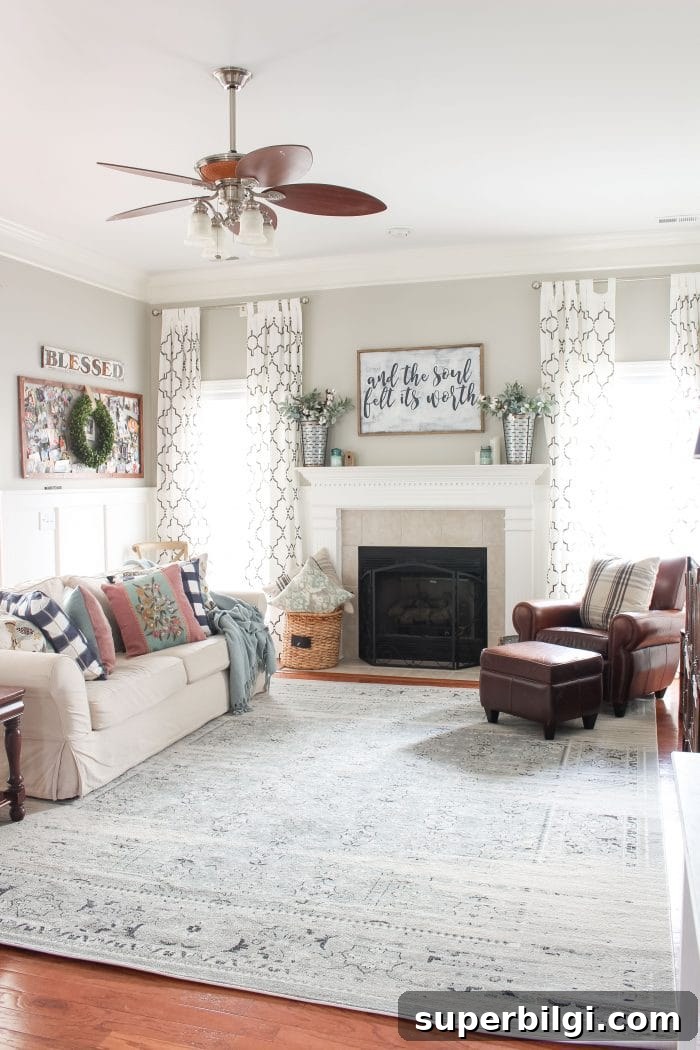
What is farmhouse style? In short, farmhouse-style home decor emphasizes practicality and simplicity. Giving it a modern update creates a clean, refreshed take on the classic farmhouse aesthetic. It’s about blending old and new—here’s how to do it well.
Farmhouse style has been a prominent term in the decor world for several years. As someone who has long embraced this look, I enjoy seeing it remain popular, though the details of what “farmhouse” means can sometimes be unclear. Below I’ll clarify the origins, essential elements, and practical ways to bring both classic and modern farmhouse touches into your home.
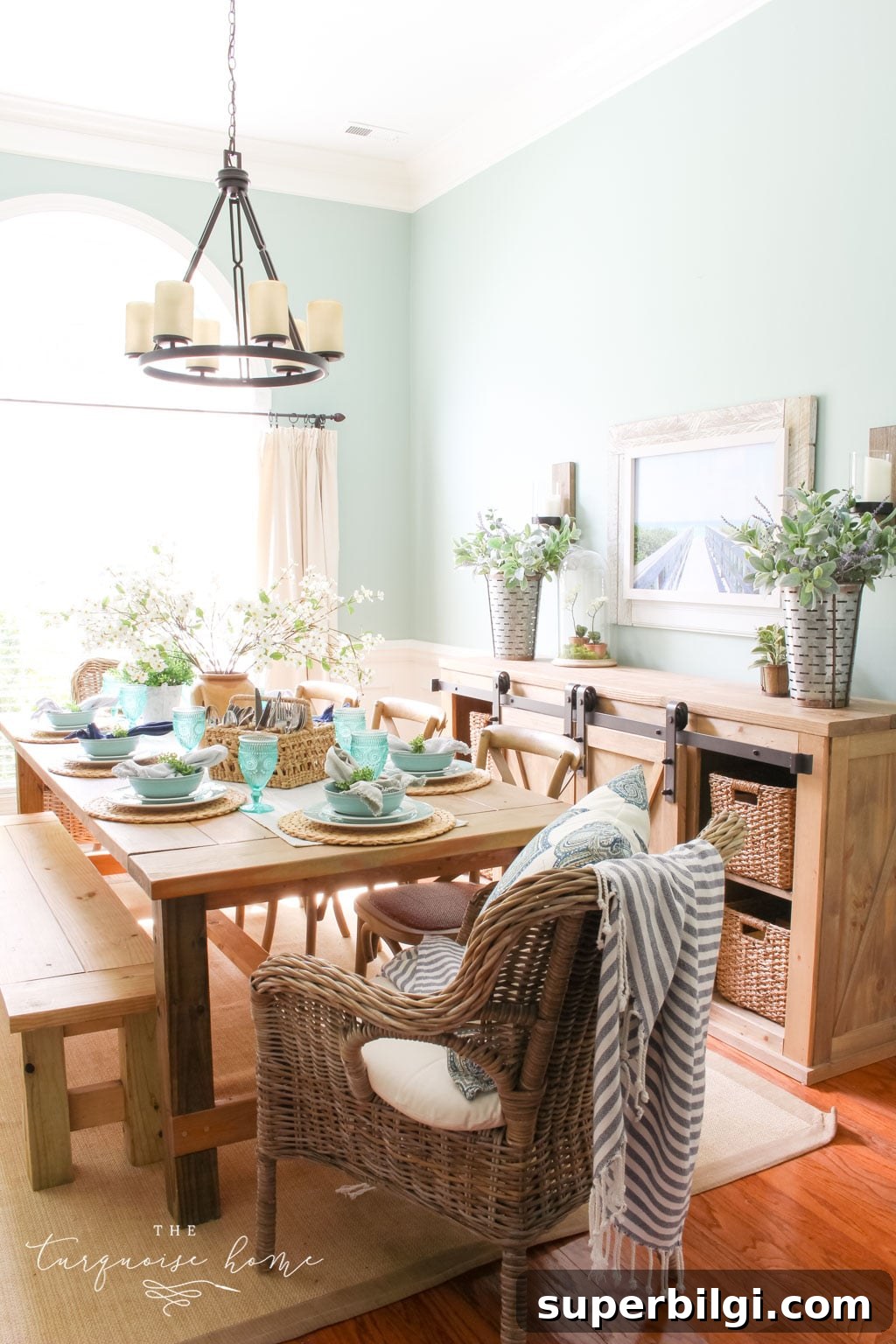
While contemporary trends sometimes shift toward more modern minimalism, you should decorate with the styles you love, regardless of trends. I’ve favored farmhouse decor long before it became mainstream, and elements of it remain in my home even when other influences—like Cape Cod or traditional design—are present.
If you’ve ever wondered what your decorating style is or want to define your aesthetic, consider exploring resources and exercises that help identify what feels most like home to you.
What Is Farmhouse Style?
Originally, the word “farmhouse” referred to a building constructed for the family who lived and worked on a farm. Those homes were built with practicality in mind, using local materials and straightforward construction. The priority was functionality rather than ornamental design.
Because family and community members often built these houses themselves, the resulting architecture and finishes were modest, resourceful, and adapted to local conditions. Over time, the farmhouse aesthetic evolved with region and era, but its defining traits—simplicity and practicality—remained constant.
As a decor trend, farmhouse style later emerged as a sought-after interior look that emphasizes a comfortable, lived-in feeling without excess fuss.
My grandfather still lives on a working farm, and his home embodies the functional, down-to-earth qualities of authentic farmhouse living—elements that inspired many of the modern interpretations we see today.
Important Elements Of Farmhouse Style
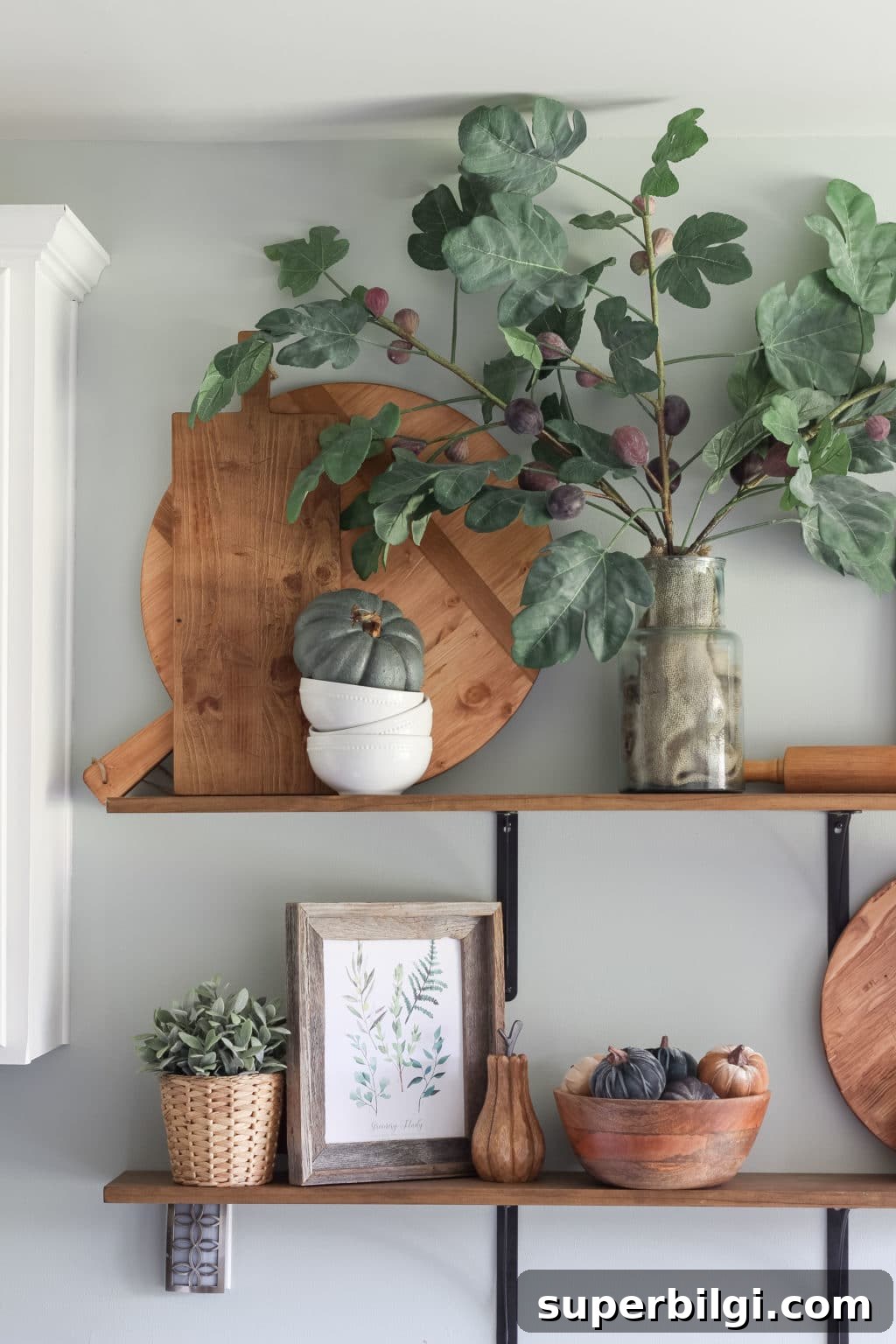
The classic farmhouse appeal comes from a rustic, welcoming atmosphere that feels like home. Because the style is modest and functional, it works well for busy households and can be adapted on a budget—many farmhouse elements are DIY-friendly.
Common features of classic farmhouse interiors include:
- Extensive use of wood—floors, walls, and exposed beams are common and add warmth.
- Vintage or well-worn furniture and lighting; pieces that show character are preferred.
- Wrought iron accents and simple metalwork for durability and rustic charm.
- Textiles and color used to add depth and visual interest while maintaining practicality.
Classic Farmhouse vs. Modern Farmhouse Style
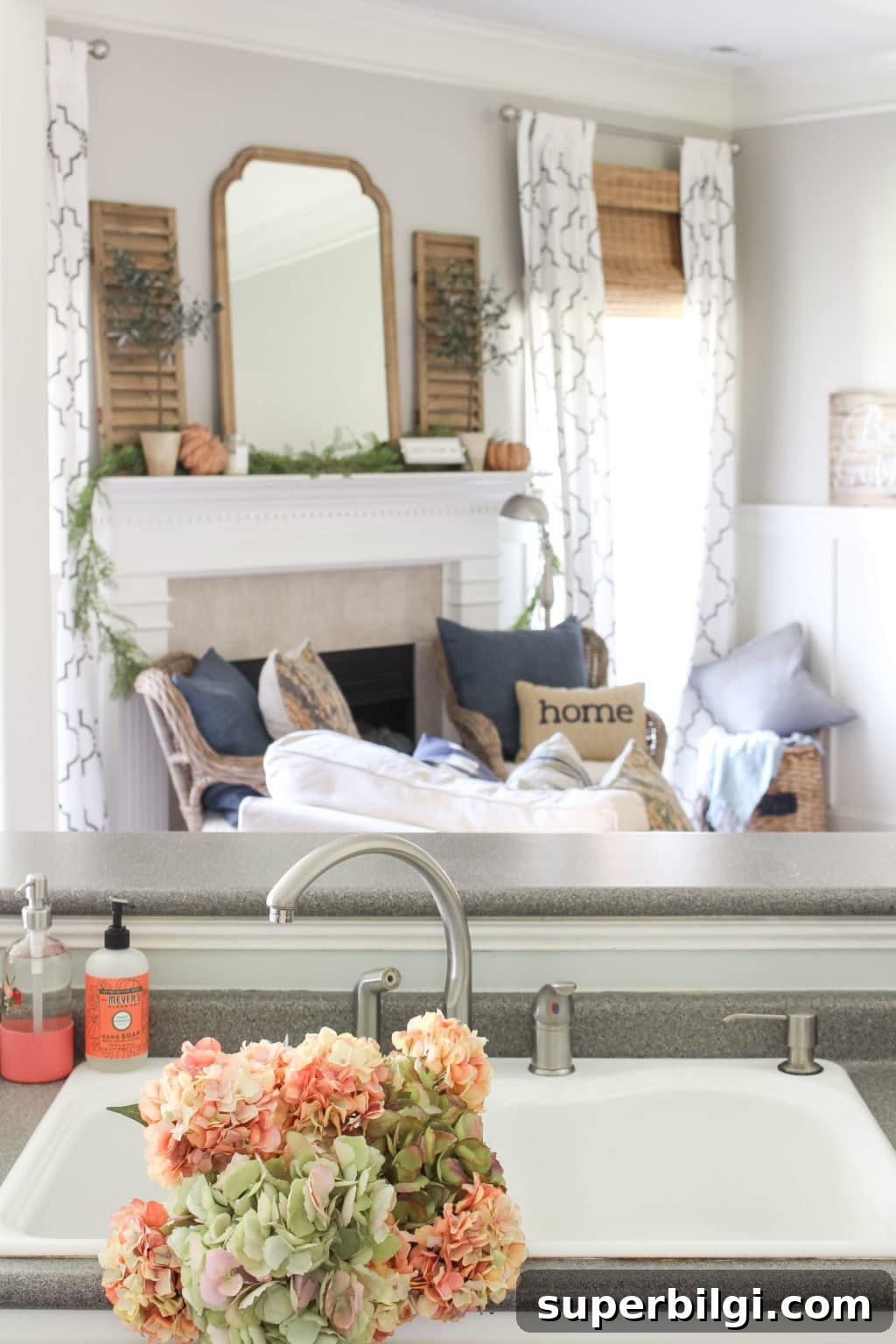
Classic farmhouse style reflects country living and functional simplicity. Modern farmhouse, which rose in popularity in recent years, keeps that foundational warmth but pairs it with cleaner lines, lighter palettes, and contemporary finishes.
Modern farmhouse design aims to balance comfort and practicality with a less rustic, more streamlined look—think neutral tones, uncluttered spaces, and a mix of natural materials and industrial accents.
Important Elements Of Modern Farmhouse Style Decor
Combining classic and contemporary elements is simpler than it sounds. Key aspects of modern farmhouse decor include:
- Functionality – Furniture and decor should be comfortable, durable, and usable rather than purely decorative.
- Natural Materials – Emphasize wood, stone, cotton, linen, wicker, and other organic fibers for warmth and texture.
- Industrial Touches – Introduce metal fixtures, lighting, and hardware to contrast with natural woods.
- Neutral Palette – Soft creams, greiges, beiges, and muted grays create a calm backdrop that complements natural materials.
- Simplicity – Aim for a cozy yet uncluttered space; minimalism helps the core elements shine.
Farmhouse Style Homes: How To Create The Look
You don’t have to choose strictly classic or modern—mixing both styles can yield a comfortable, beautiful interior. Below are practical tips to achieve the farmhouse look in your own home.
Use these strategies to build a cohesive and inviting atmosphere that reflects both function and style.
Practicality
Prioritize function and minimalism. Keep only the pieces that add comfort or purpose, and arrange them to support everyday living. Open shelving, built-in storage, and multiuse furniture help maintain an uncluttered look while keeping essentials accessible.
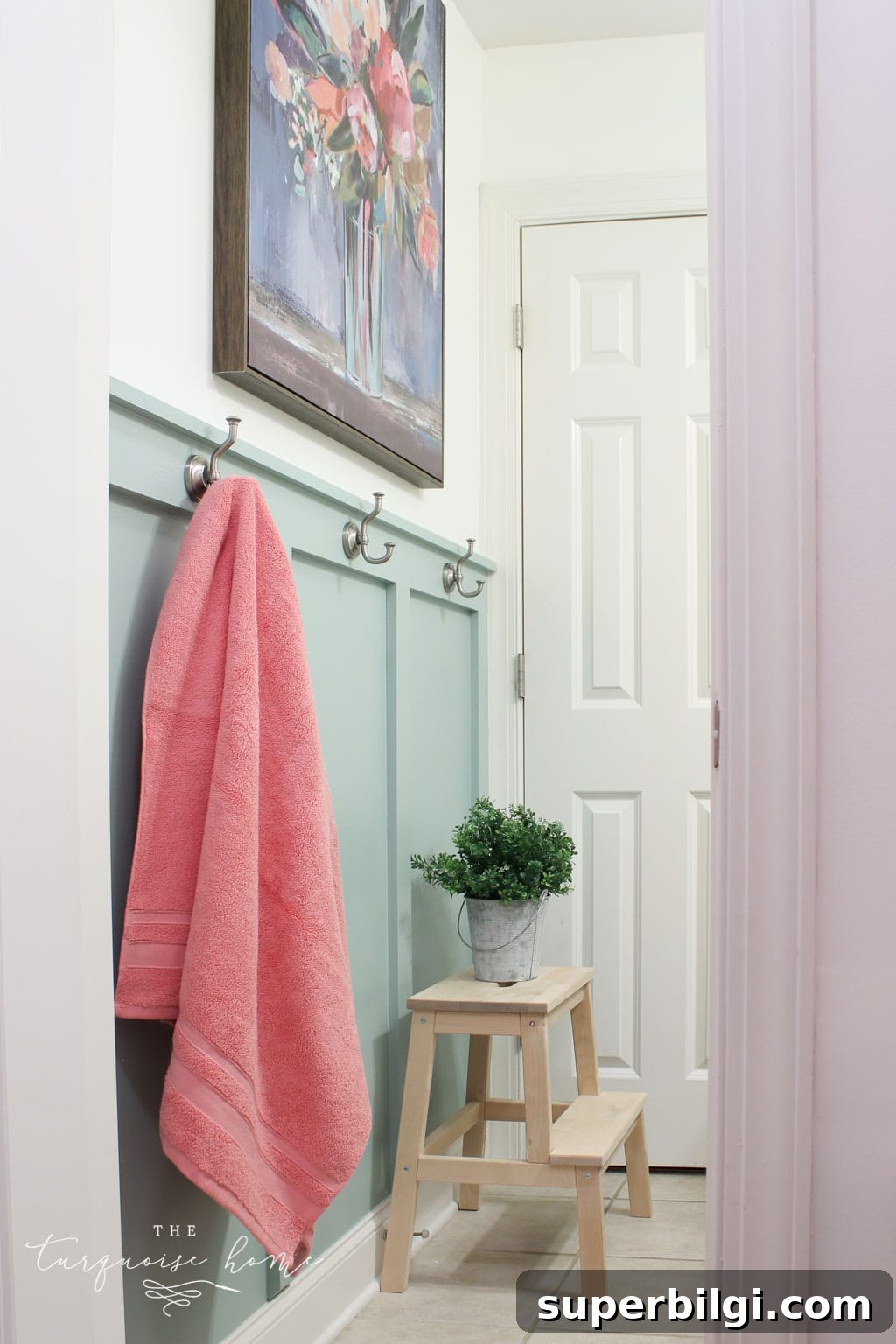
Simple additions—like open shelves or a towel hook bar in a bathroom—can increase usable space and keep surfaces tidy without sacrificing style.
Use The Right Materials
Anchoring a room with natural, honest materials is essential. Combine painted or reclaimed wood with stone countertops, a farmhouse sink, and durable hardware in kitchens. In bedrooms, layer wood furniture with breathable cotton or linen bedding and a neutral rug over wood floors to create softness and warmth.
Add An Industrial Look
Industrial elements—like wrought iron light fixtures, barn-style doors, and utilitarian hardware—bring a sense of authenticity and practicality to the farmhouse palette. These pieces contrast nicely with softer textiles and wood tones to create a balanced aesthetic.
Use Neutral Colors
A neutral paint palette provides a calm backdrop for wood and metal accents. Light walls paired with wide plank floors, a cozy rug, a simple mantle, and exposed beams create the classic cozy farmhouse atmosphere that feels both current and timeless.
Natural Fibers
Favor naturally occurring materials over synthetic ones—wood, hemp, cotton, and linen add texture and comfort. Use textiles and small color accents to introduce interest on shelving, mantels, and seating areas without overwhelming the space.
Create Your Dream Farmhouse Look
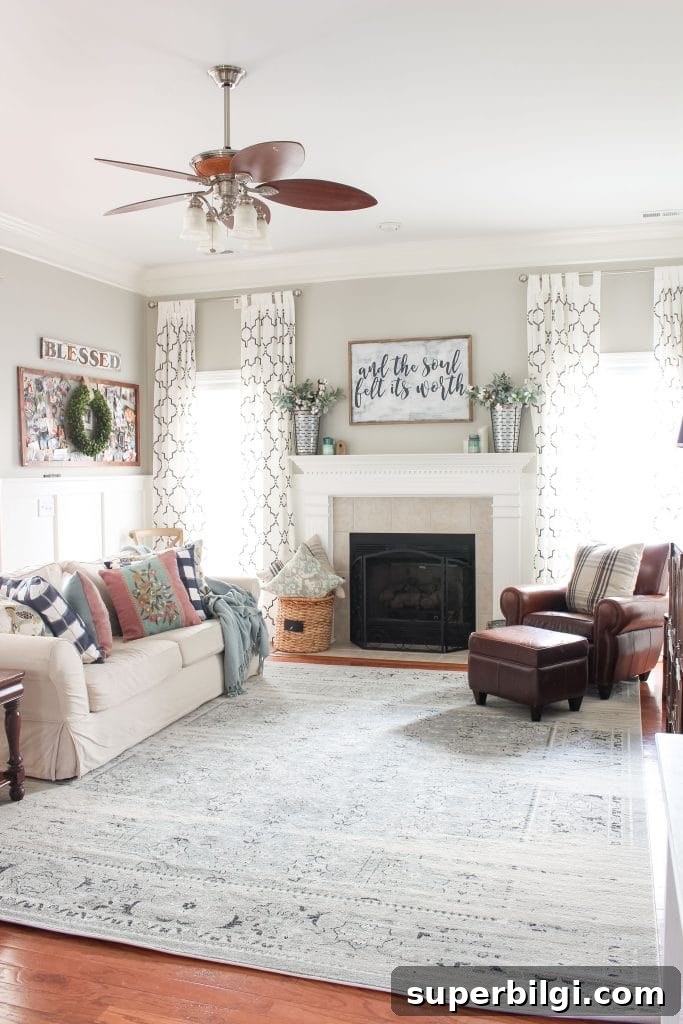
If the modern farmhouse aesthetic speaks to you, start with a foundation of natural materials, a neutral palette, and a focus on functional pieces. Blend vintage and contemporary elements thoughtfully, and aim for a home that feels relaxed and lived-in, yet intentionally styled.
Adopting the farmhouse look is about creating comfort, durability, and warmth—do it in a way that reflects how you live, and you won’t regret the result.
MORE POSTS YOU WILL LOVE:
- What is Grandmillennial Style? {Decorating 101}
- Home Decor 101: How to Decorate End Tables
- Timeless Home Decor Essentials