
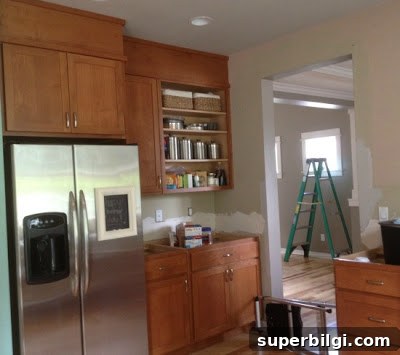
Should You Close the Space Above Kitchen Cabinets? Pros and Cons Explained
Like many homeowners, I once had that narrow, dusty gap between the top of my kitchen cabinets and the ceiling. It wasn’t deep enough to store anything useful, and it always seemed to collect dust and clutter. Lately I’ve been rethinking my kitchen and exploring whether closing that space is worth the effort.
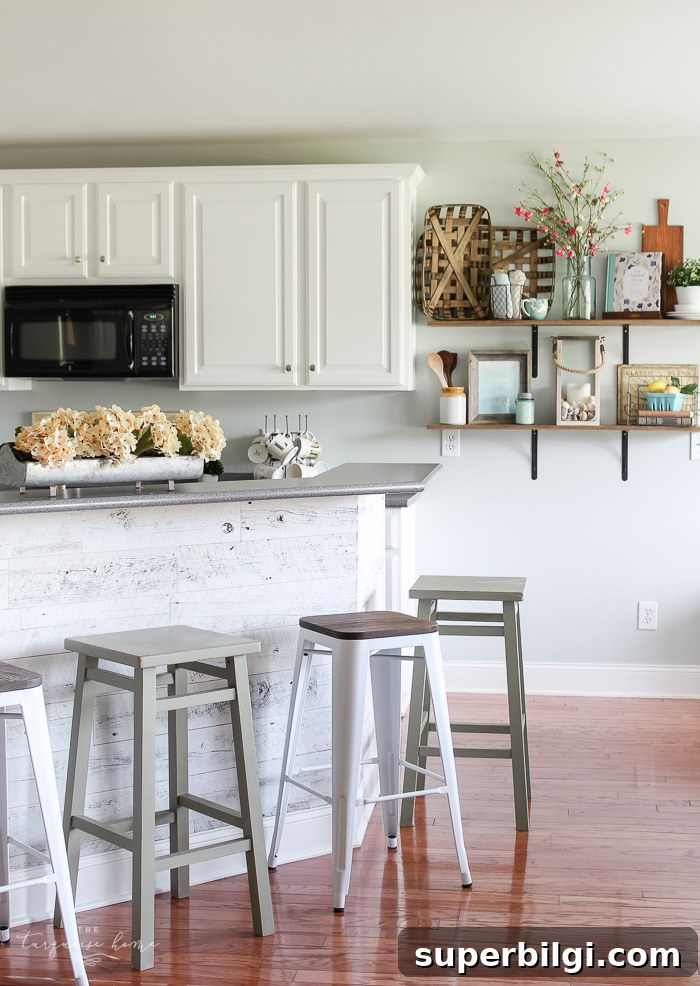
Many homeowners and designers choose to fill in the gap above upper cabinets during a remodel. I noticed this trend while collecting ideas for my kitchen updates, and I read several before-and-after posts and DIY tutorials showing how homeowners closed that awkward space. The results often look cleaner and more finished, and I wanted to evaluate the real pros and cons before making a decision.
When my last house still had open space above the cabinets, I never got around to closing it. After moving to our current home, I found that the cabinets already reach the ceiling, and I appreciate the difference immediately. Even though the area above the cabinets is just empty space, it creates a stronger vertical line that draws the eye up and makes the room feel taller. Plus, there’s no dust to clean—a surprisingly satisfying benefit.
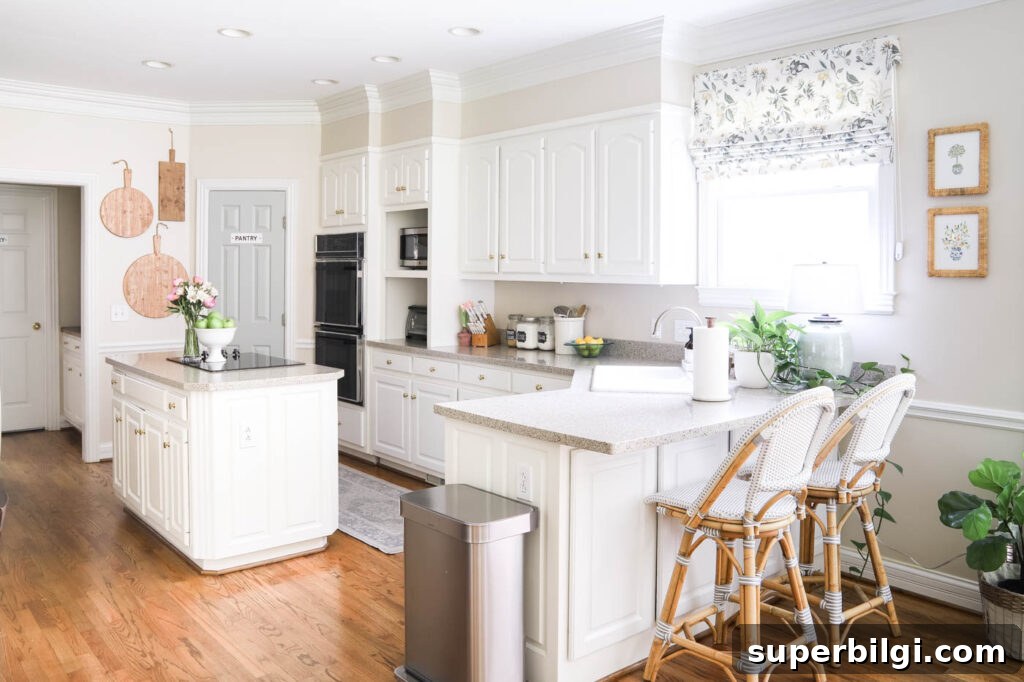
If you’re considering whether to close the space above your cabinets, here are the main pros and cons to help you decide.
Pros
- Cleaner, more finished look: Closing the gap creates a seamless transition from cabinet to ceiling, which often reads as higher quality and a custom finish.
- Less dust and fewer pests: That narrow ledge is a magnet for dust, grease, and occasional unwanted visitors. Eliminating it removes a difficult-to-reach cleaning task.
- Improved room proportions: Cabinets that extend to the ceiling can visually increase ceiling height and make the kitchen feel more cohesive and polished.
- Design flexibility: When cabinets meet the ceiling, you avoid the challenge of styling a narrow display ledge. You can also choose crown molding to enhance the architectural detail.
Cons
- Less display space: If you enjoy styling decorative items or seasonal décor above your cabinets, closing the gap removes that opportunity.
- Potentially more costly in a remodel: Extending cabinets or building a soffit to close the gap can add labor and materials to a kitchen renovation, depending on how extensive the work is.
- Heating, ventilation, or lighting considerations: In some homes that space hides ductwork, wiring, or recessed lighting. Closing it in may require rerouting or careful planning.
- Loss of hidden storage: While the gap is usually shallow, some homeowners use it for rarely used items; closing it eliminates that unconventional storage option.
If you lean toward closing the gap, there are several approaches. Some homeowners build a simple soffit or box-in with drywall to bridge the distance to the ceiling. Others extend cabinets up with matching cabinetry for a seamless appearance. DIY tutorials and professional remodelers both show effective ways to achieve a consistent look—just be mindful of electrical or HVAC elements that may be present.
On the flip side, if you enjoy a more eclectic or farmhouse style, leaving the space open can work if you commit to regular cleaning and thoughtful styling. Tall greenery, well-placed baskets, or a coordinated seasonal display can make the space intentional rather than an afterthought. Just avoid overcrowding, which typically looks messy in that narrow area.
In my experience, when cabinets reach the ceiling the kitchen feels tidier and more finished. If I move into a house with that open space again, I’ll likely close it in early on. That said, the best choice depends on your style, budget, and whether you want the convenience of less cleaning or the charm of extra display space.
Do you have open space above your kitchen cabinets? Would you prefer to close it for a cleaner look, or keep it for display and character? Consider the pros and cons above as you plan your next kitchen update.
More Posts You Will Love:
- How to Decorate Kitchen Counters {Decorating 101}
- 7 Ways to Refresh a Kitchen
- How to Decorate the Kitchen for Christmas