
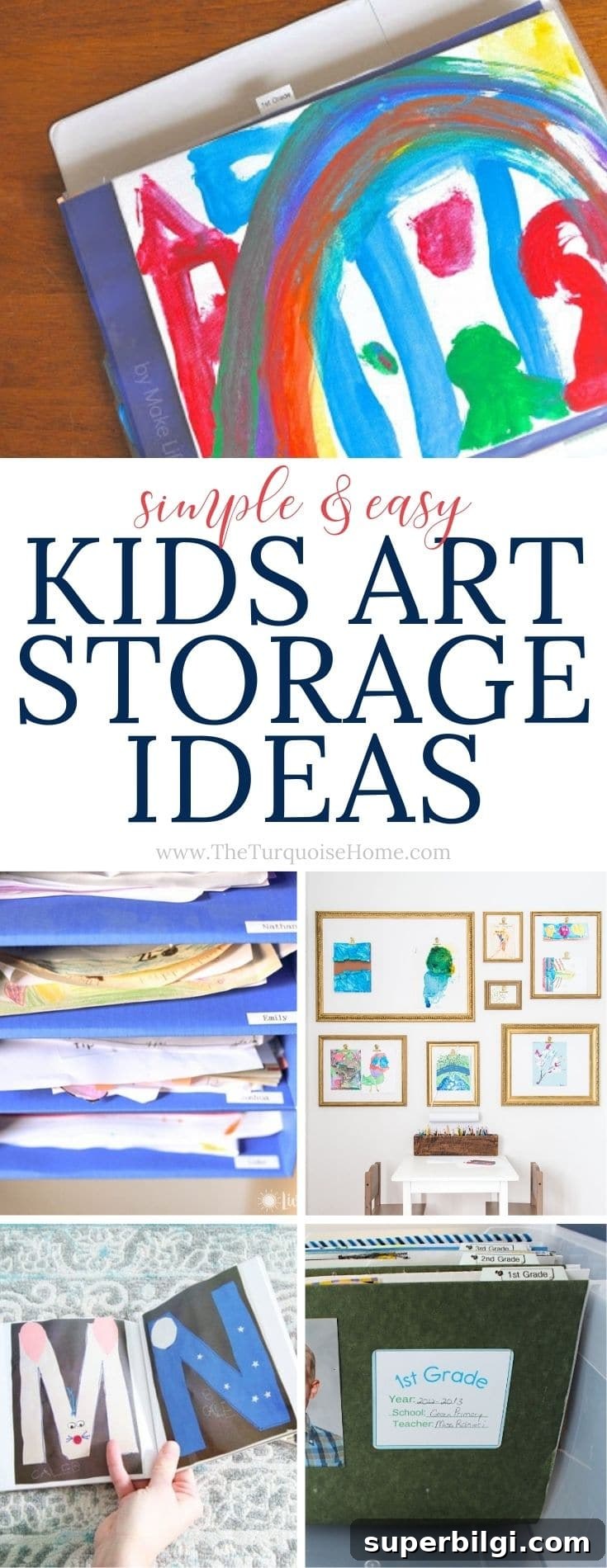
Even in our digital world, children’s artwork, school projects, and paperwork can quickly overwhelm a home. These practical tips and storage solutions will help you preserve the memories while avoiding a mountain of paper.
It’s that time of year again—school is back and the papers are pouring in. Each drawing, worksheet, and craft feels precious, but keeping everything isn’t realistic. With a plan and a few simple systems, you can save the highlights and clear the clutter.
Paper is deceptively small, but the piles grow fast. The earlier you decide how you’ll manage keepsakes, the easier it will be to stay organized. Here are thoughtful, practical ideas to help you get started and stay consistent.
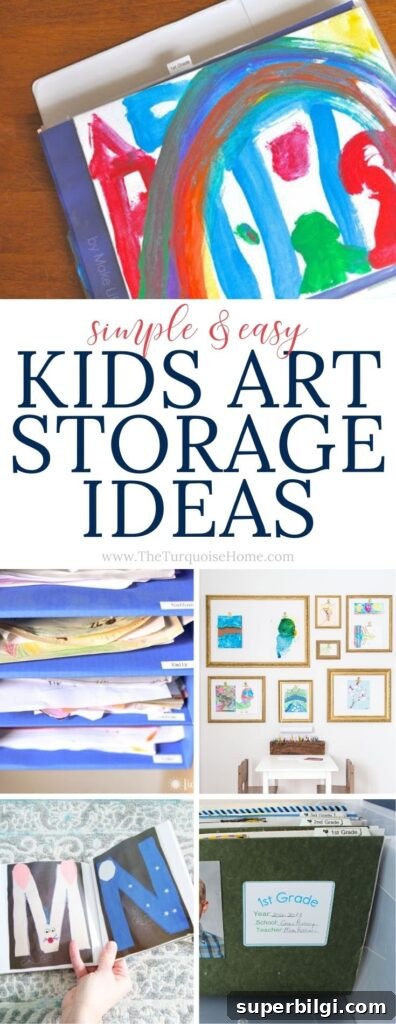
How to Start Organizing Kids’ Art
Some parents can glance at a folder of scribbles and toss it into recycling; others find it much harder to let go. If you lean toward sentimental, accept that you don’t need to save every single page. Your child won’t miss most of the pieces, and you’ll be glad you curated a meaningful collection instead of storing every scrap.
Give Yourself Permission to Let Go
Start by giving yourself permission to be selective. Holding onto thousands of drawings in boxes ends up creating stress, not comfort. Choose a limited number of pieces that capture milestones or special memories. Ten treasured items that are well-preserved and displayed will mean more than endless stacks left in a garage.
A helpful way to approach this is to set a rule—one box or binder per school year, a fixed number of favorites per month, or a single display space that rotates. Limits make decisions easier and keep the collection manageable.
Involve Your Child in the Organizing Process
Kids are often much less attached to their art than parents assume. Let your child pick a few favorites from a stack—many will happily narrow it down. If they want to keep a story or worksheet, let them decide; it teaches decision-making and ownership.
Parents should feel free to keep a few pieces of their own choosing as well. Making this a shared activity turns sorting into a positive ritual instead of a chore.
Sort Through Paperwork Daily or Weekly
Paper accumulates fast. If you wait until the end of the school year to sift through everything, you’ll likely procrastinate and never finish. A short daily or weekly sort keeps papers from piling up and helps you be ruthlessly practical about what to save.
When sorting, create simple categories: display now, store, photograph and recycle, and recycle immediately. Clear, repeated habits make staying organized realistic.
Two Main Ways to Organize Kids’ Papers
You can organize children’s art and papers in two principal ways: physically or digitally. Many families use a hybrid approach—save the very best originals and digitize the rest. Below are practical methods for both options.
How to Organize Kids’ Artwork Physically
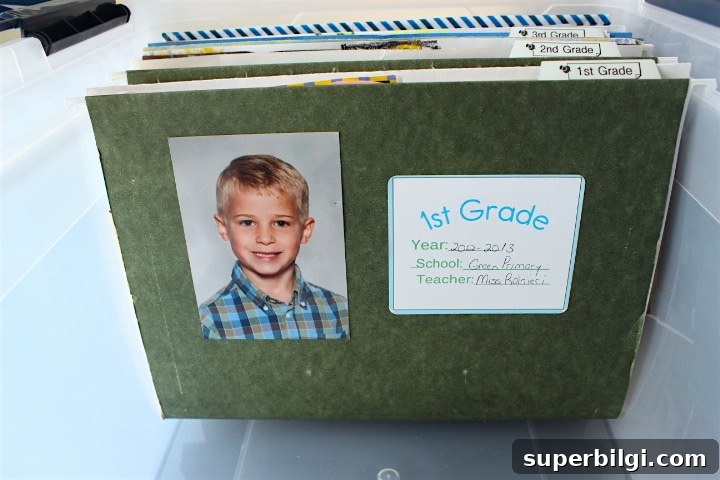
1. Use a simple filing system
A basic bin with labeled folders—by child, grade, or year—works well. Keep one shallow bin per child and add folders for each school year or subject. When new papers come home, sort immediately into the appropriate folder. This keeps everything tidy, accessible, and compact.
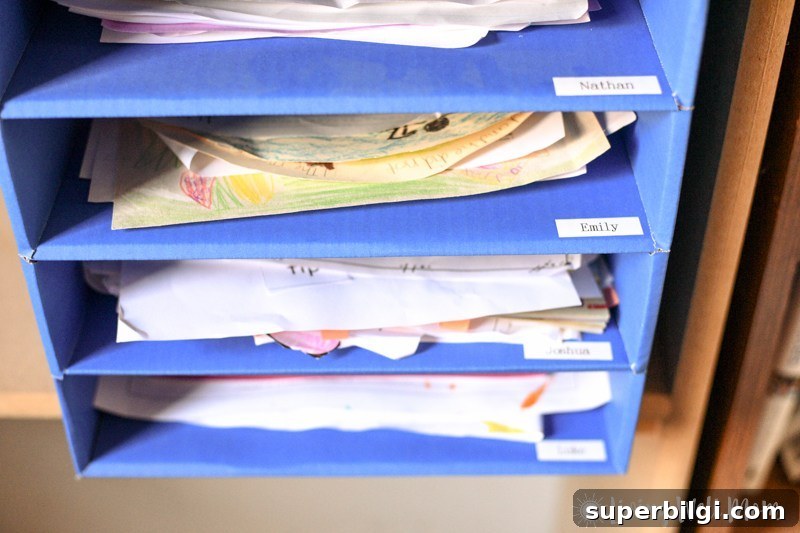
2. Create a special shelving or drop zone
A dedicated shelf, cubby, or wall bin near the entry or homework area gives each child a clear place to put projects. It doesn’t need to be elaborate; even cardboard or inexpensive shelving can keep papers organized and teach kids to manage their own work.
3. Create a rotating display
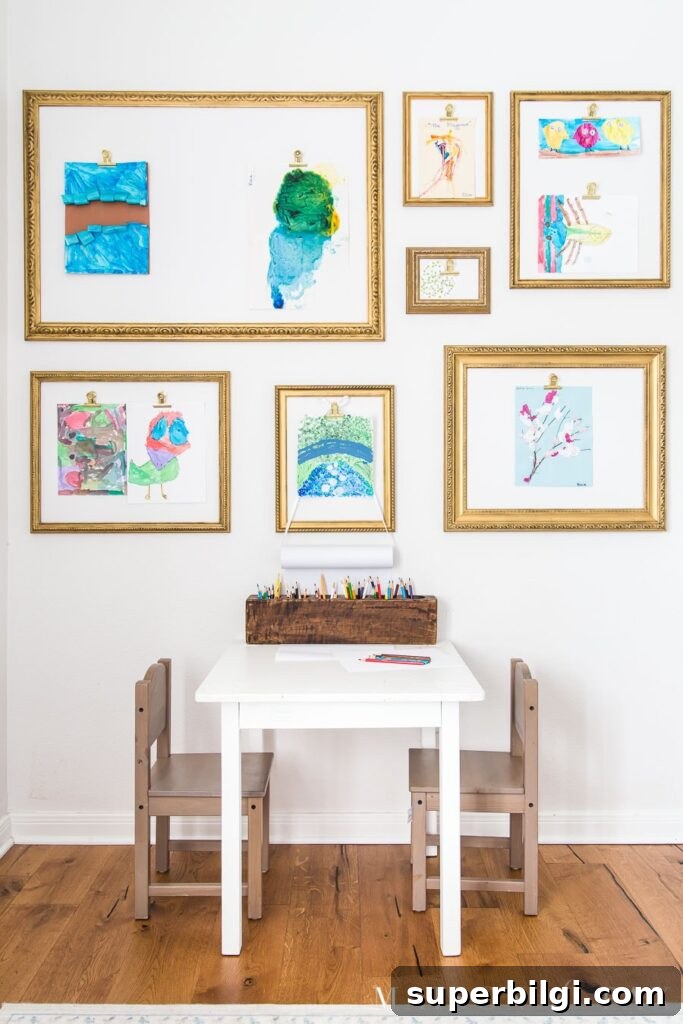
Designate a gallery wall, clip line, or framed wire where you rotate current favorites. When a new piece goes up, photograph the outgoing piece and decide whether to keep or recycle it. Displays celebrate creativity while preventing permanent accumulation.
4. Make an artwork binder
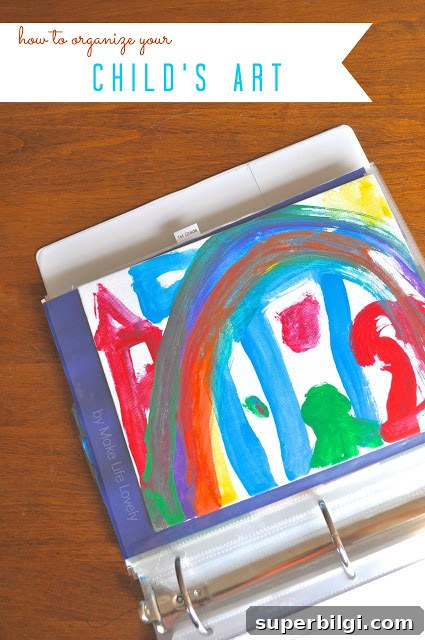
For flat pieces you want to preserve, use a binder with clear page protectors. Binders are attractive, easy to store on a shelf, and let you flip through years of work quickly. Label each binder by year or child for a neat archive.
How to Organize Kids’ Artwork Digitally
Digitizing artwork preserves memories without taking up physical space. Photograph or scan pieces, then organize files by date, child, and grade. Many families compile yearly photo books or digital albums that are easy to revisit and share with relatives.
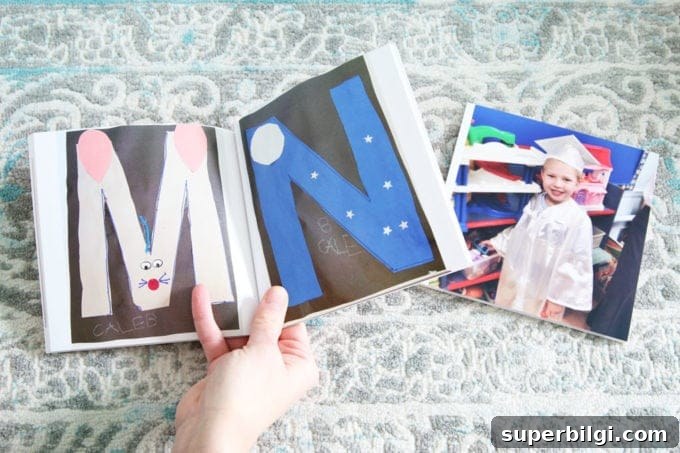
1. Create printed photo books
After photographing or scanning artwork, design simple photo books that compile a year’s worth of favorites. Photo books are durable, compact, and make lovely keepsakes. If you’re photographing by hand, use a plain background and good natural light for the best results.
2. Use a photo or archiving app
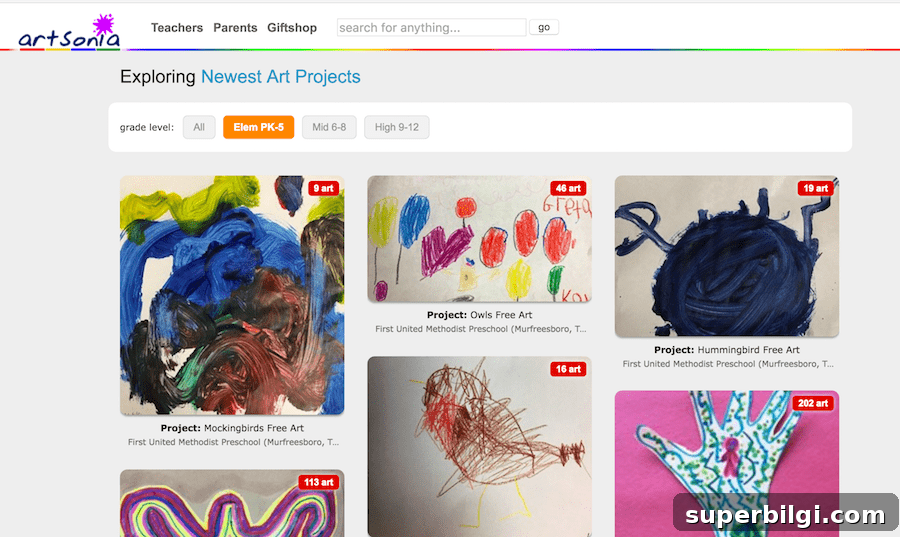
There are many apps and cloud services that let you store, tag, and sort images of artwork. These tools act like a visual archive, making it easy to find a piece by date, project, or child. Combined with an annual printed book, this approach preserves the memory while keeping your home clutter-free.
Which system will work best for you: a physical binder, a simple filing system, a rotating display, or a digital archive? Many families find a mix of methods gives them the flexibility to keep meaningful originals and preserve everything else digitally.
MORE POSTS YOU WILL LOVE:
- 6 Tips to Keep the Kid Clutter in Check!
- Top 5 Tips for Kids Clothes Organization
- Beginner’s Guide to Doing Disney World with Little Kids