
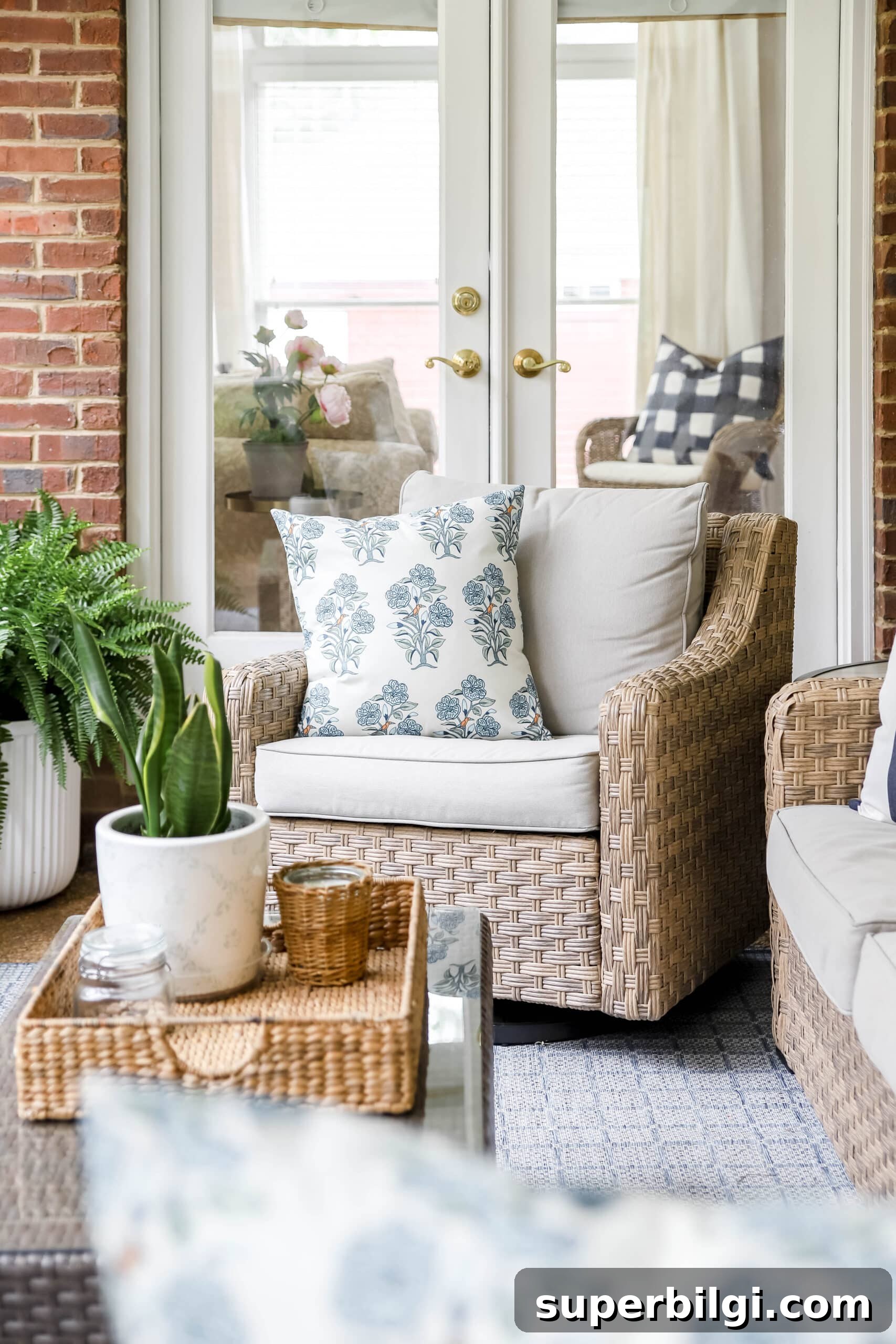
Have you ever walked into a room and immediately felt that something was just… off? Even beautiful furniture can lose its impact when common décor mistakes are present. Small details—placement, scale, and lighting—can make a home look inexpensive or unpolished, whether intentionally or not.
Fortunately, you don’t need pricey furniture or a designer to improve your space. A handful of straightforward tweaks can dramatically elevate the look and feel of your home.
There are always exceptions, but in most cases these 12 common missteps will make a room feel less refined. I’ve broken some of these rules in my own home for specific reasons, and I’ll note when that’s the case. Let’s dive in and fix what’s undermining your décor.
This post contains affiliate links for convenience. See my full disclosure policy.
Top 12 Ways That Make Your Home Look Cheap
If you want a home that feels cozy, cohesive, and thoughtfully designed, this guide is for you. Below are twelve design mistakes that often drag a room down—and practical fixes you can implement right away.
1. Misplaced Curtains
Hanging curtains too low or choosing the wrong width is one of the fastest ways to make a room feel small or unfinished. The general rules that make windows and ceilings look taller are: hang curtains high—about an inch below the ceiling or crown molding—extend the rod 8–12 inches beyond each side of the window, and let fabric just graze the floor or sit about 1/2 inch above it.
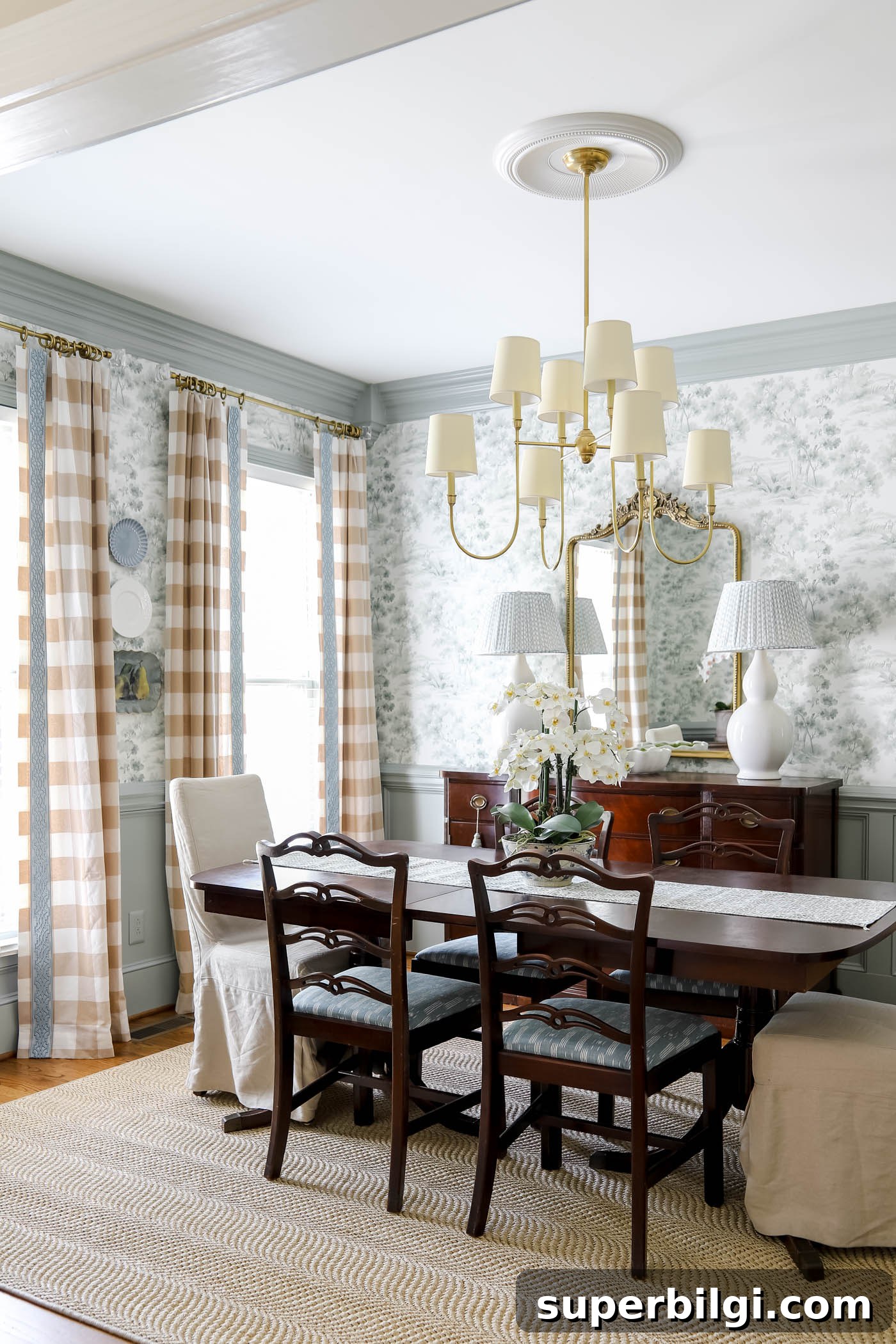
Fix it: Replace or rehang curtains so they are the correct length and mounted higher and wider than the window opening. The visual change is dramatic and instantly more polished.
2. Wrong-Sized Rugs
Rugs that are too small or omitted entirely can leave a room feeling cold and fragmented. Rugs add softness, texture, and cohesion—especially on hardwood floors. In living rooms, aim for a rug large enough that at least the front legs of furniture rest on it. In dining areas, make sure the rug extends past the chairs so they stay on the rug when pulled out.
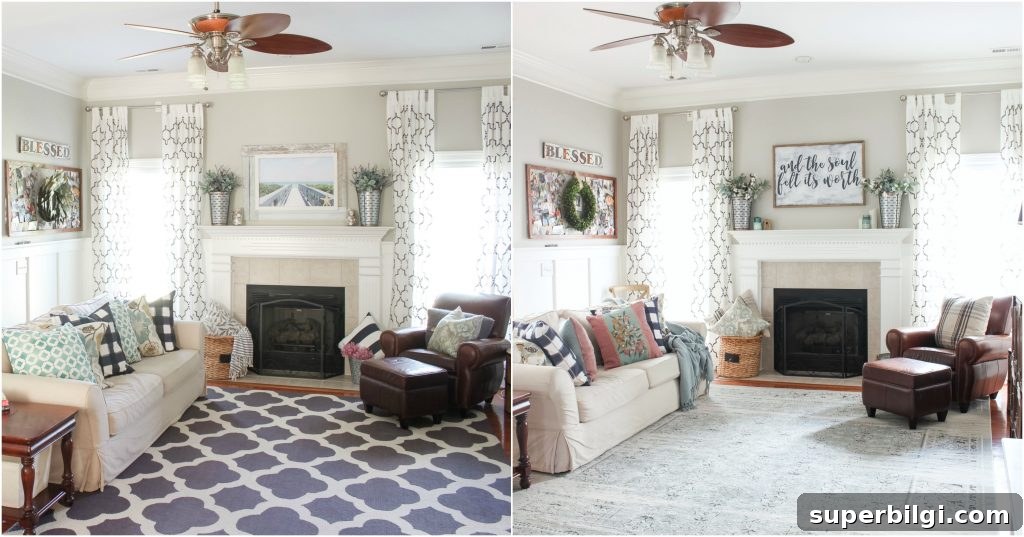
Fix it: Invest in the largest appropriate rug for each space to create continuity and warmth.
3. Matchy-Matchy Furniture
Buying entire matching sets from big box stores can leave a home looking staged rather than curated. Mixing finishes and styles yields a collected, layered appearance. That said, a few matched pieces are fine—just balance them with unique, complementary items.
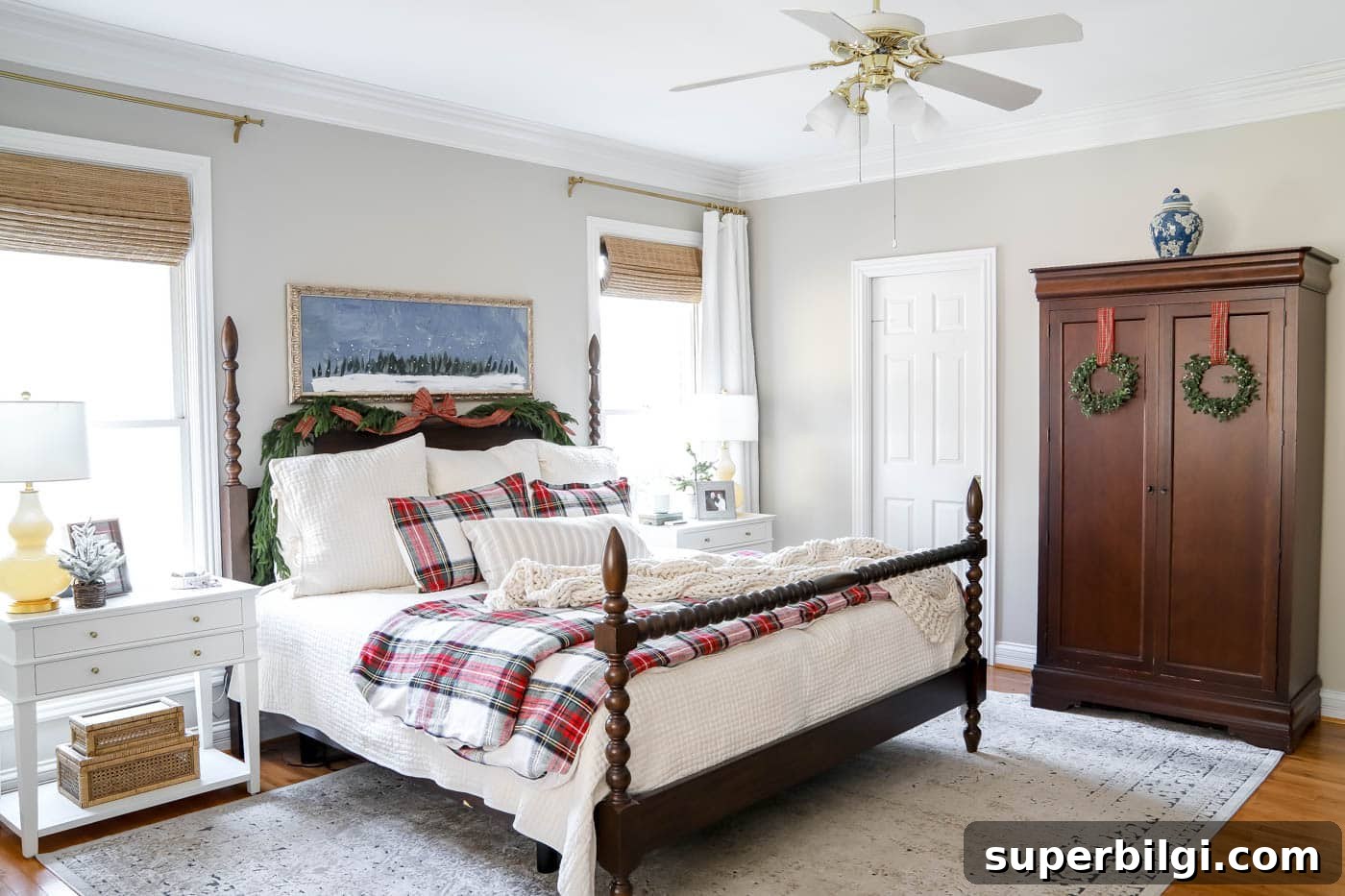
Fix it: Rearrange furniture between rooms or buy individual pieces that coordinate rather than an entire matching set. This creates more interest and depth.
4. Poor Lighting Choices
Lighting is often the most overlooked design tool, yet it dramatically affects mood and perceived quality of a space. Harsh overhead lights or relying on a single source leaves a room flat and uninviting. Well-chosen fixtures and layered lighting elevate a space and feel intentional.
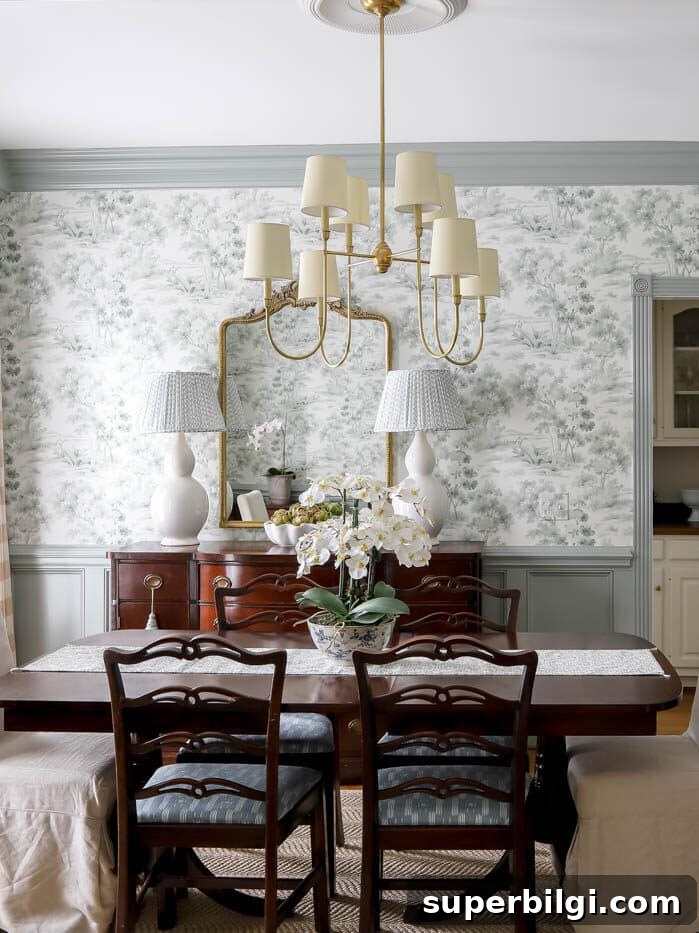
Fix it: Layer ambient (overhead), task (table and floor lamps), and accent lighting. Replace outdated fixtures, choose properly scaled pendants and chandeliers, and opt for warm, soft bulbs to create a welcoming glow.
5. Ignoring Cords and Wires
Visible, tangled cords around TVs and desks instantly make a room feel cluttered. Concealed wiring gives a clean, high-end appearance.
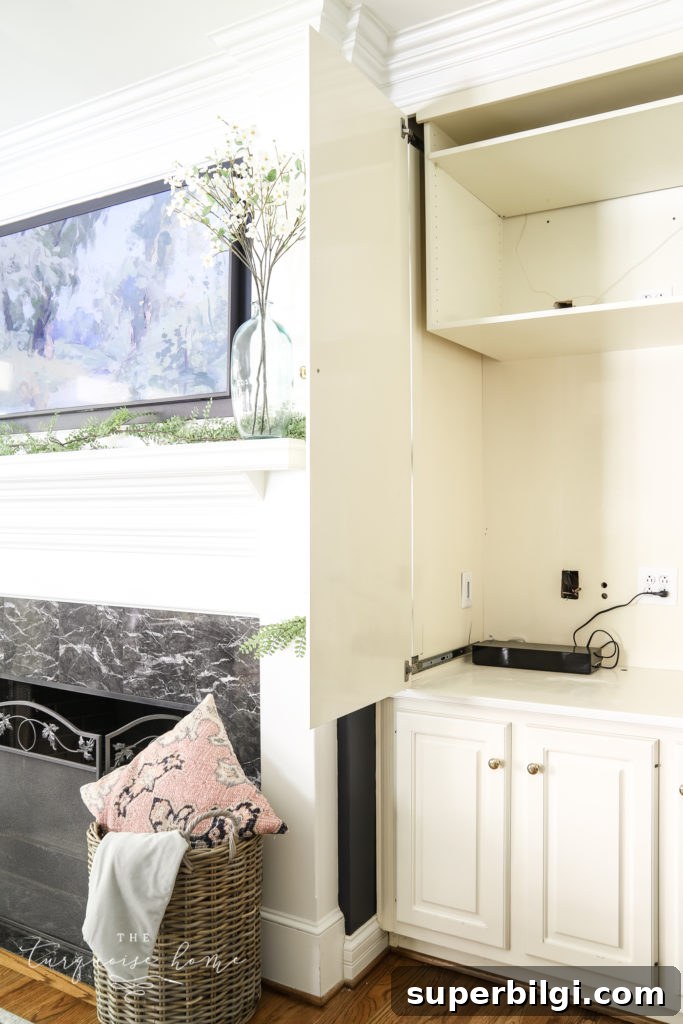
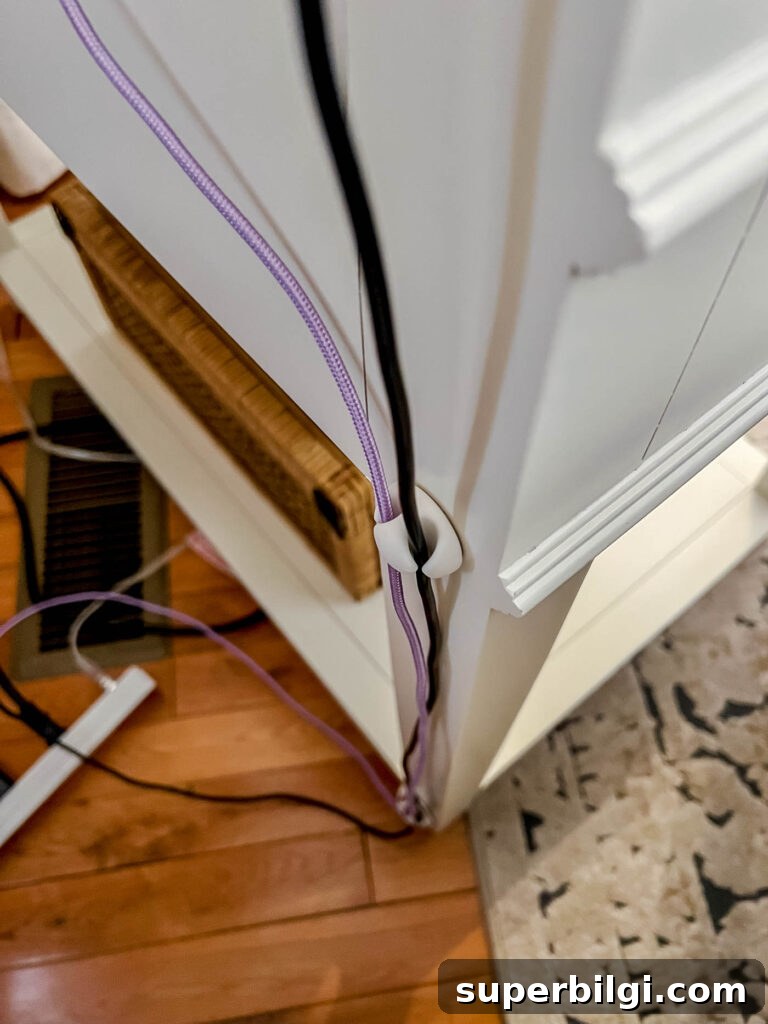
Fix it: Use cord organizers, clips, cable covers, or in-wall solutions. Mounting electronics and hiding cables instantly refines the space.
6. Misaligned or Wrong-Sized Art
Art hung too high or too low disrupts the visual flow of a room. Small, underscaled pieces on large walls also make a space feel unfinished. Aim to hang artwork at eye level—about 57–60 inches from the floor to the center of the piece. For gallery walls, maintain consistent frames or a unifying theme.
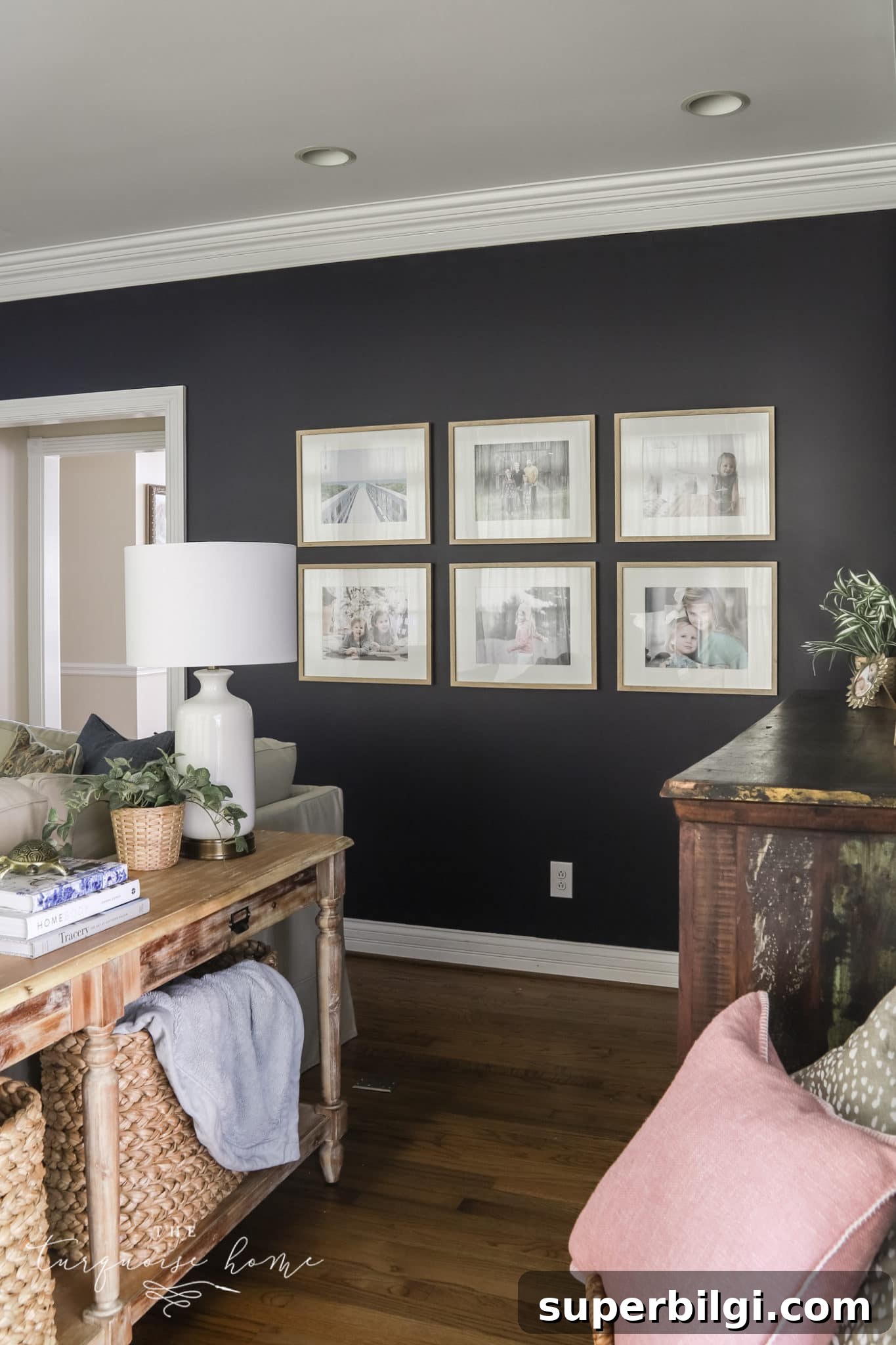
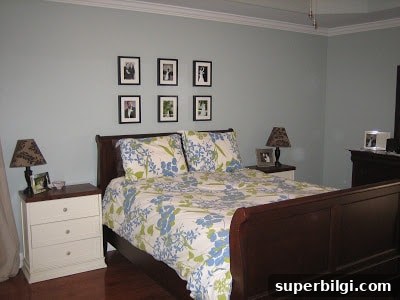

Fix it: Choose larger artwork or fewer, more impactful pieces. Keep frames cohesive for a polished gallery wall.
7. Accent Walls
An isolated accent wall can sometimes feel like an afterthought, suggesting the rest of the room was left incomplete. When wallpaper or paint is only on one wall, it can read as cheap rather than intentional.
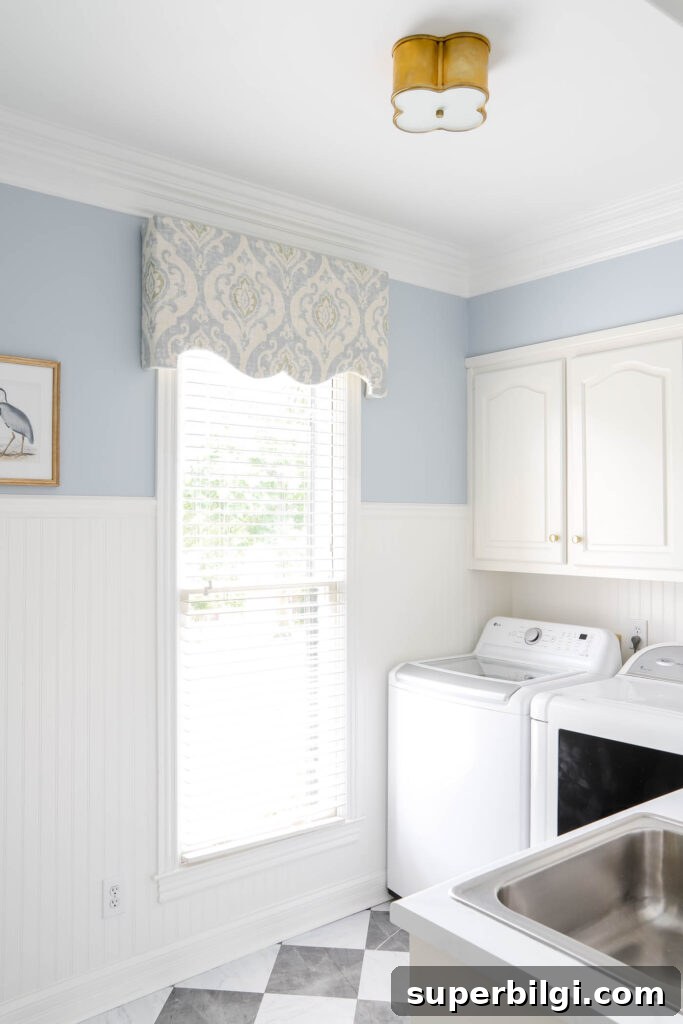
Fix it: Consider a full-room treatment or apply molding or beadboard painted two-thirds up the wall with paint or wallpaper above. This approach unifies the room and creates a custom look without decorating just one wall.
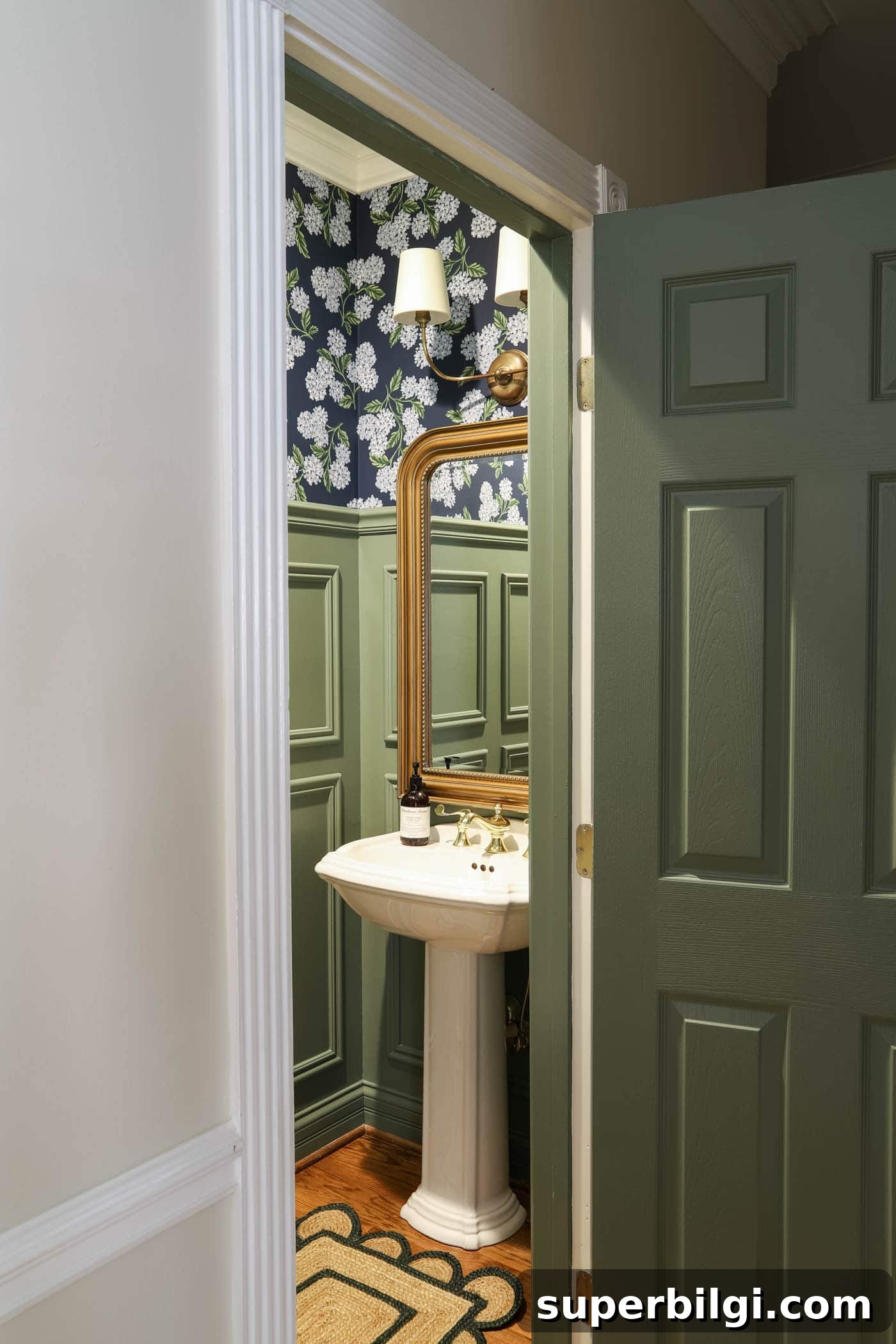
Personal note: I do have an accent wall in one private office where the layout justified it. Use accent walls sparingly and with intention.
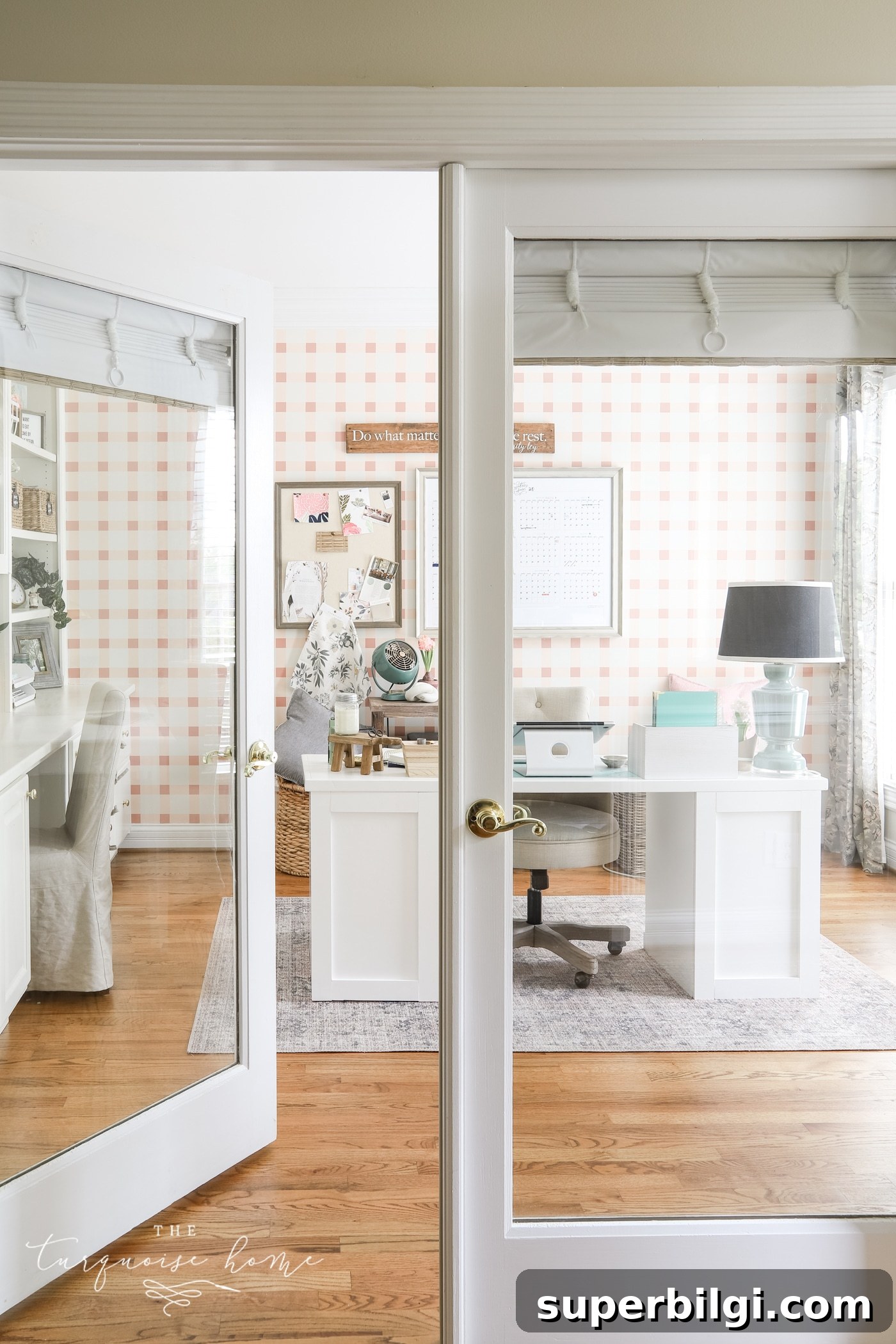
8. Too Much Clutter
Excess clutter—stacks of paper, too many knick-knacks, or crowded surfaces—makes a room look disorganized and cheap. Well-styled spaces rely on editing and purposeful placement rather than filling every surface.
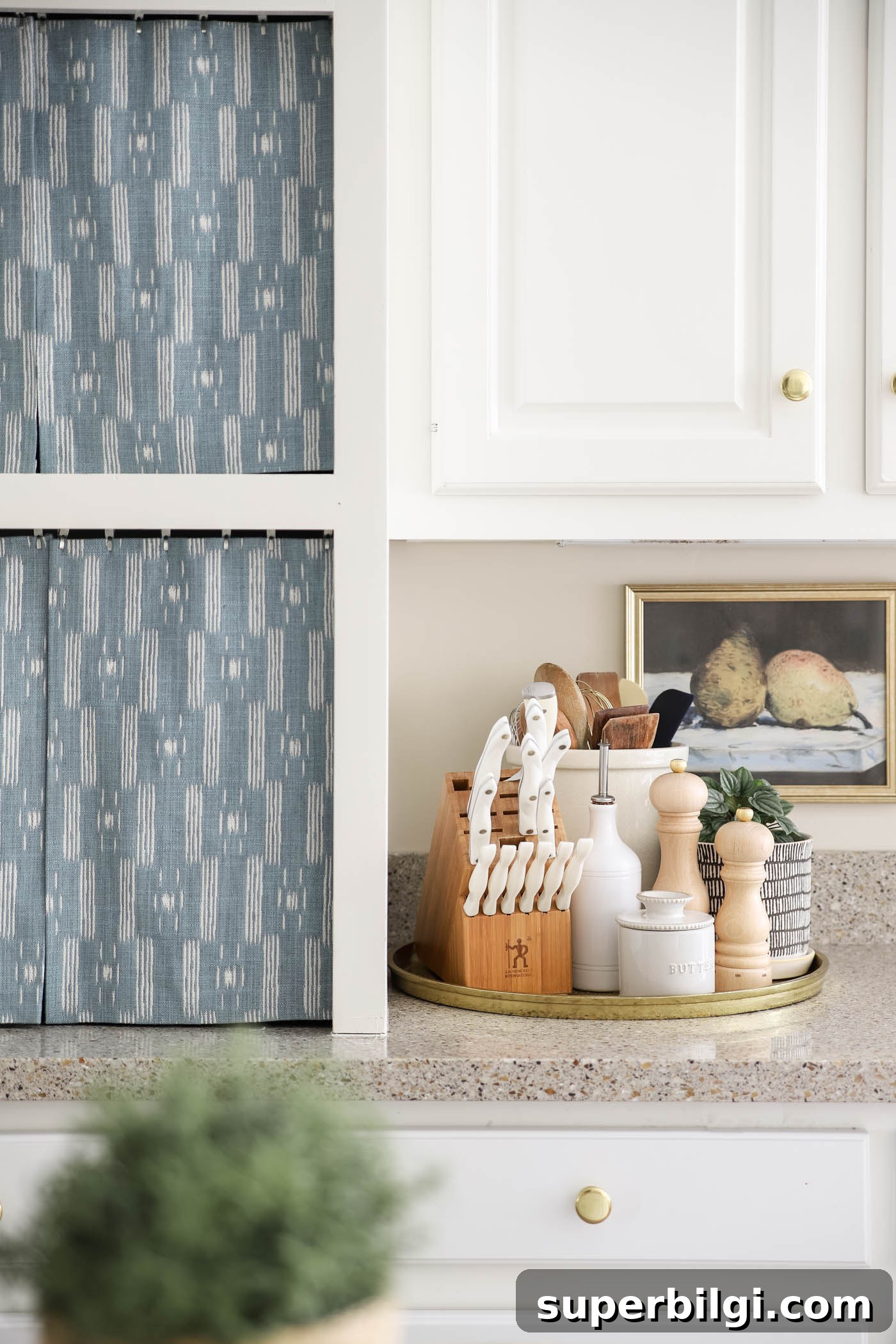
Fix it: Declutter regularly and use storage—baskets, bins, and shelves—to hide everyday items. Adopt a “one in, one out” policy to keep surfaces clean and meaningful.
9. Inconsistent Flooring
Sudden, jarring changes in flooring from room to room break visual flow and can make a space feel chopped up. Consistent flooring across an entire level creates cohesion and invites a smoother circulation of design.
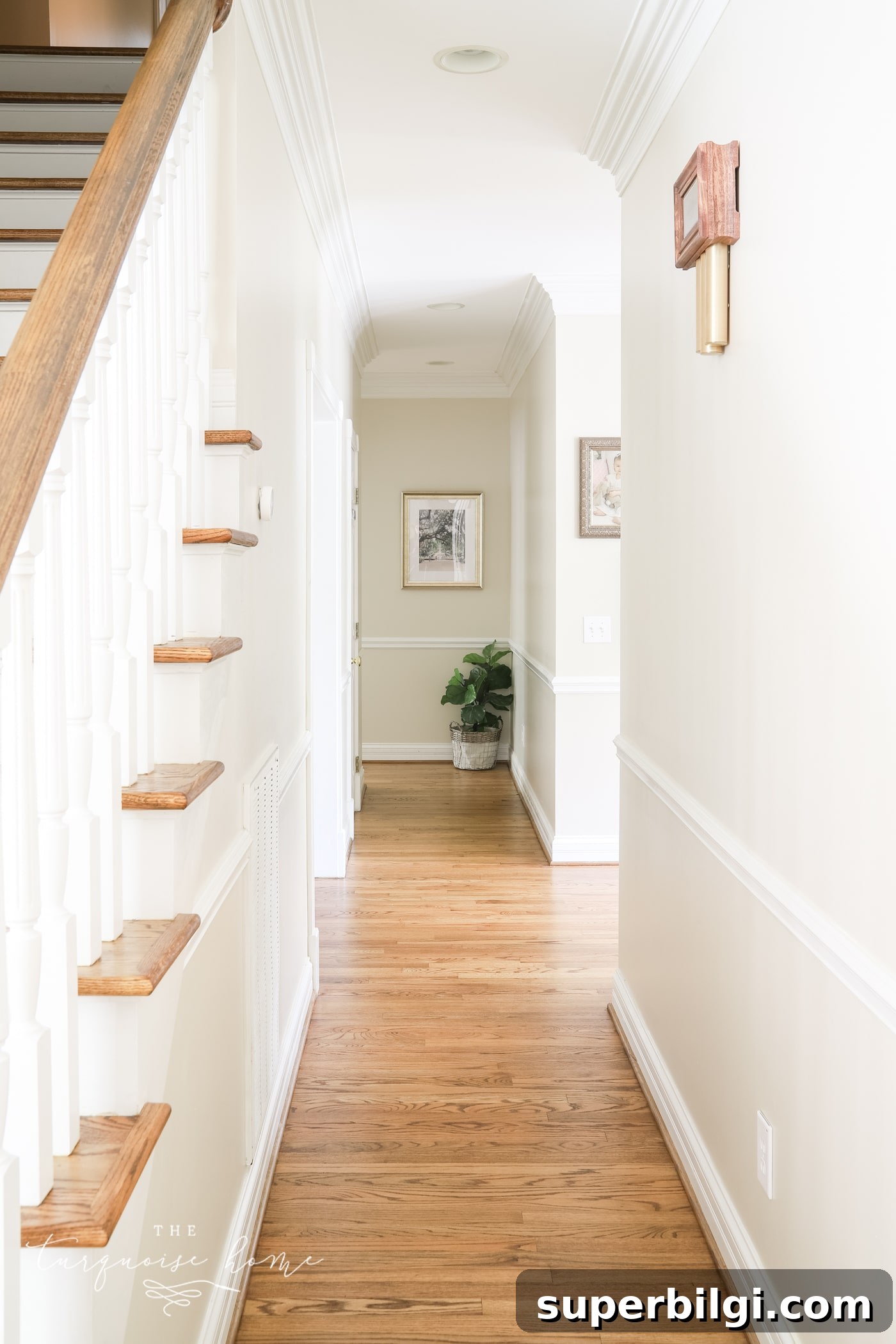
Fix it: Use the same hardwood or flooring throughout open areas and differentiate rooms with rugs rather than abrupt material changes.
10. Ignoring Greenery
A lack of plants or natural elements can leave interiors feeling sterile. Greenery brings life, texture, and color—real or high-quality faux options both work when chosen thoughtfully.
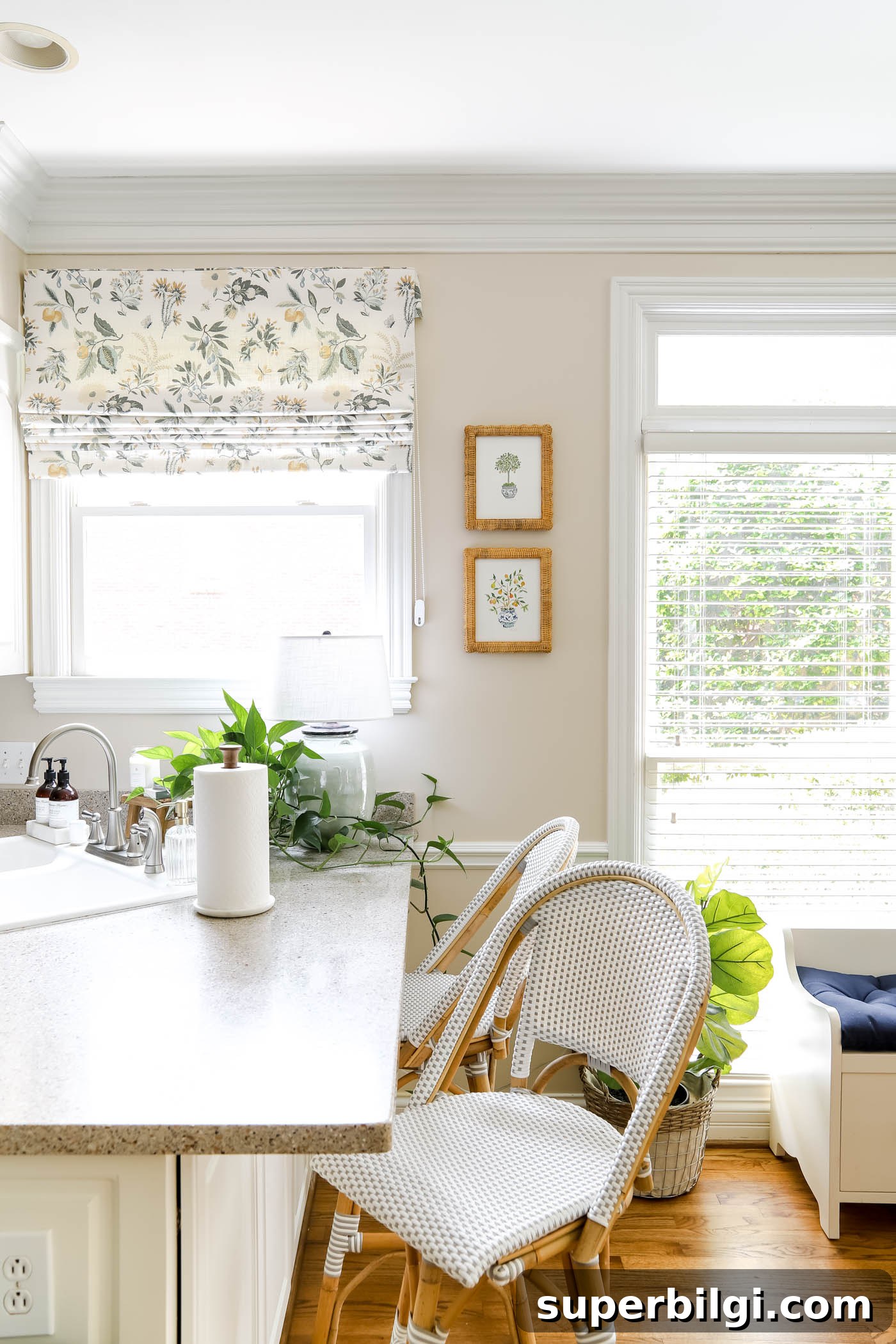
Fix it: Add houseplants, fresh flowers, or faux greenery. Low-maintenance plants like pothos or popular statement plants such as fiddle-leaf figs are great starting points.
11. Too Short Cabinets
Cabinets that stop short of the ceiling create a visual gap that collects dust and makes a kitchen look builder-basic. Extending cabinets to the ceiling or adding a finished enclosure gives kitchens a custom, finished appearance.
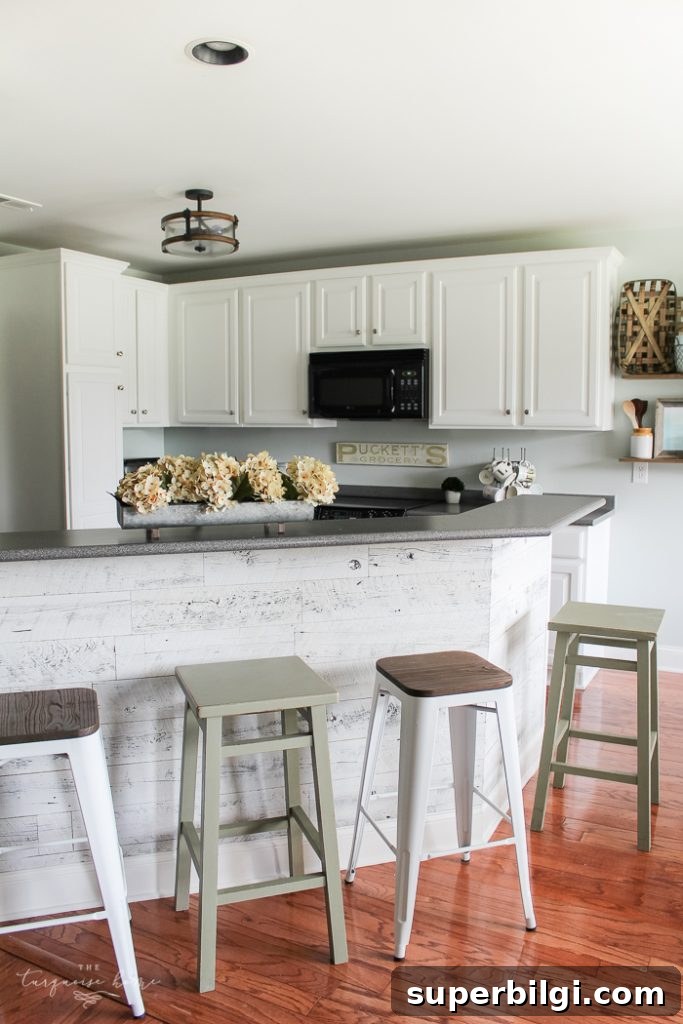
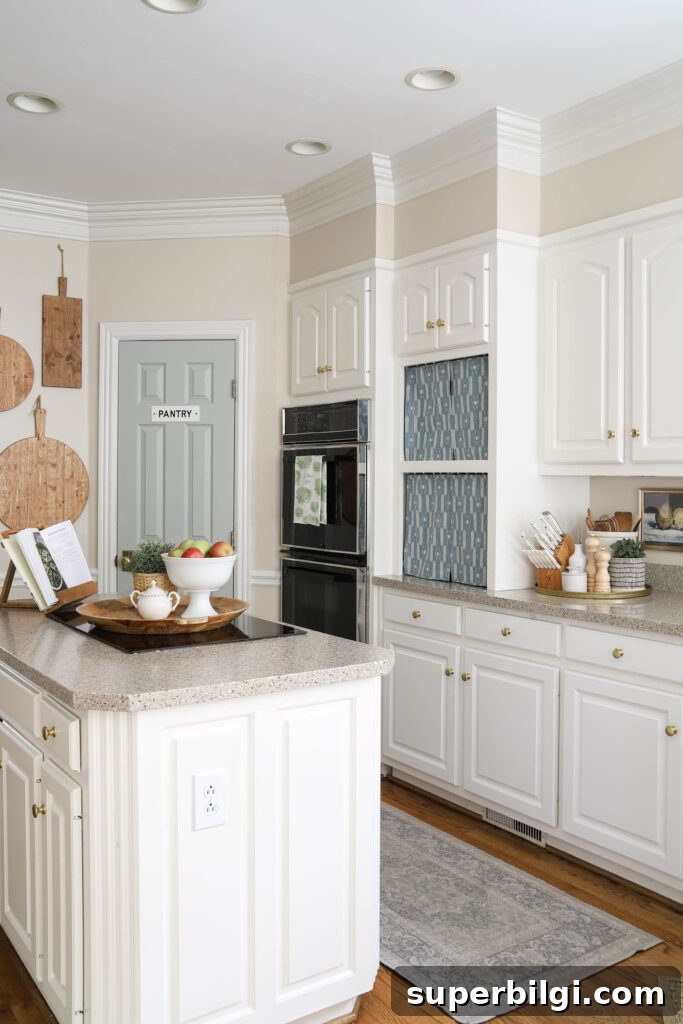
Fix it: Build up or box in the space above cabinets, add crown molding, or install taller cabinetry to create a seamless, high-end look.
12. Cheap-Looking Window Treatments
Thin, ill-fitting shades or plastic blinds and poorly hung curtains cheapen a room’s appearance. Quality materials and proper installation make a major difference.
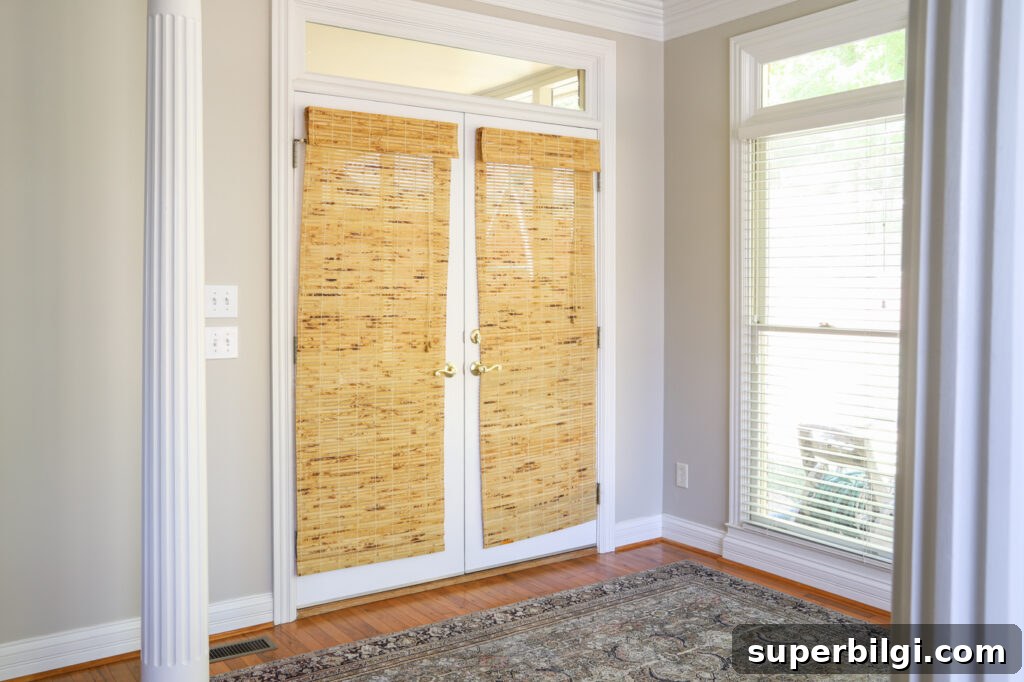
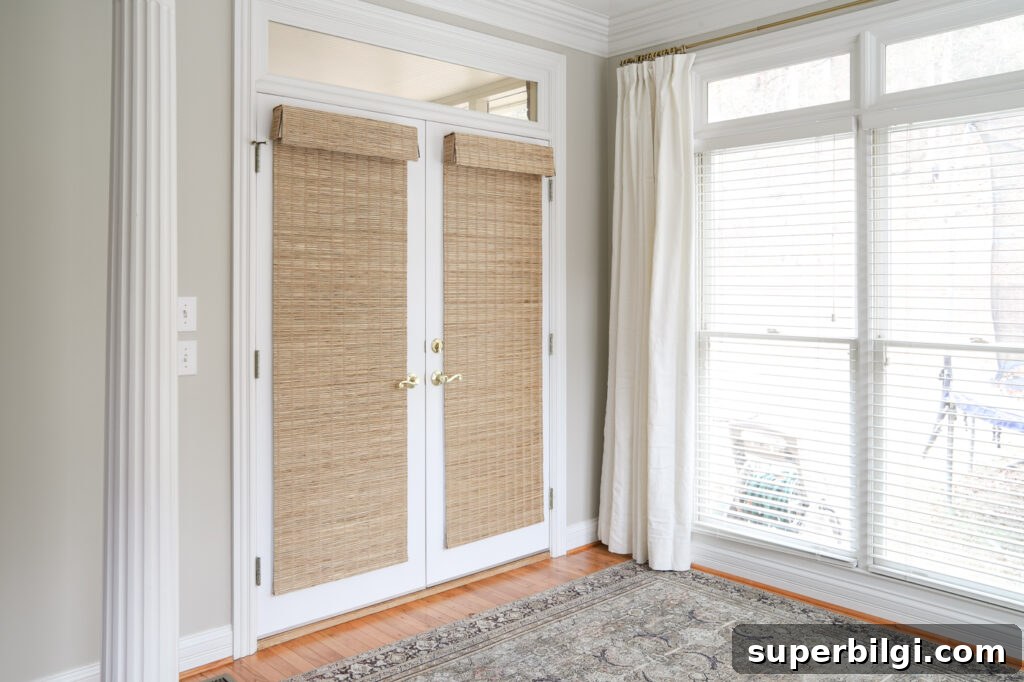
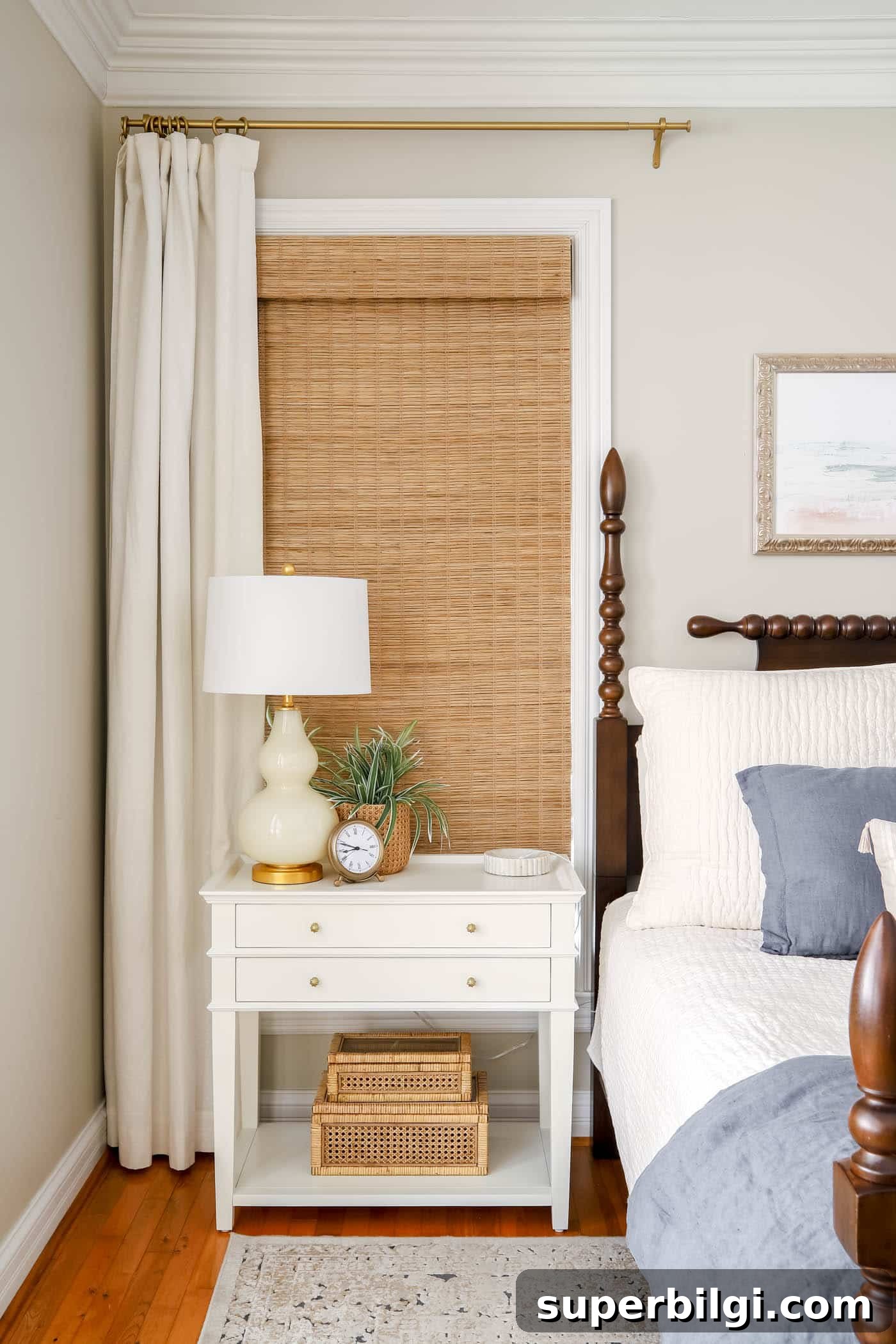
Fix it: Choose fabric curtains that touch the floor, solid wood blinds, shutters, or premium roller shades. Mount rods higher and wider than the window frame, and consider cornices for a tailored finish on small windows.
Elevate Your Home One Step at a Time
Creating a polished, cohesive home doesn’t require a full renovation or a designer budget. Start by addressing one or two of the issues above—upgrading lighting, correcting curtain placement, and decluttering are high-impact, low-effort changes. Small adjustments add up to a more considered, elevated space.
Be willing to experiment and personalize the process. Your home should feel like a comfortable, intentional reflection of your style every time you walk through the door.
Have tips of your own for creating a polished home? Share your ideas—real-world solutions and practical edits help others transform their spaces too.
More posts you will love:
- How To Decorate With Ginger Jars
- Cheap Home Decor Ideas & Where to Buy Online
- Luxury Vinyl Plank Flooring Review
- How to Choose Living Room Curtains
- Best Living Room Paint Colors