Not sure what color to paint your interior doors? You can leave them white for a timeless, quiet look; select a warm neutral for soft contrast; or choose a deeper shade—navy, green, or charcoal—to add character. The best option depends on your wall color, trim, natural and artificial lighting, and how many doors will be seen together.
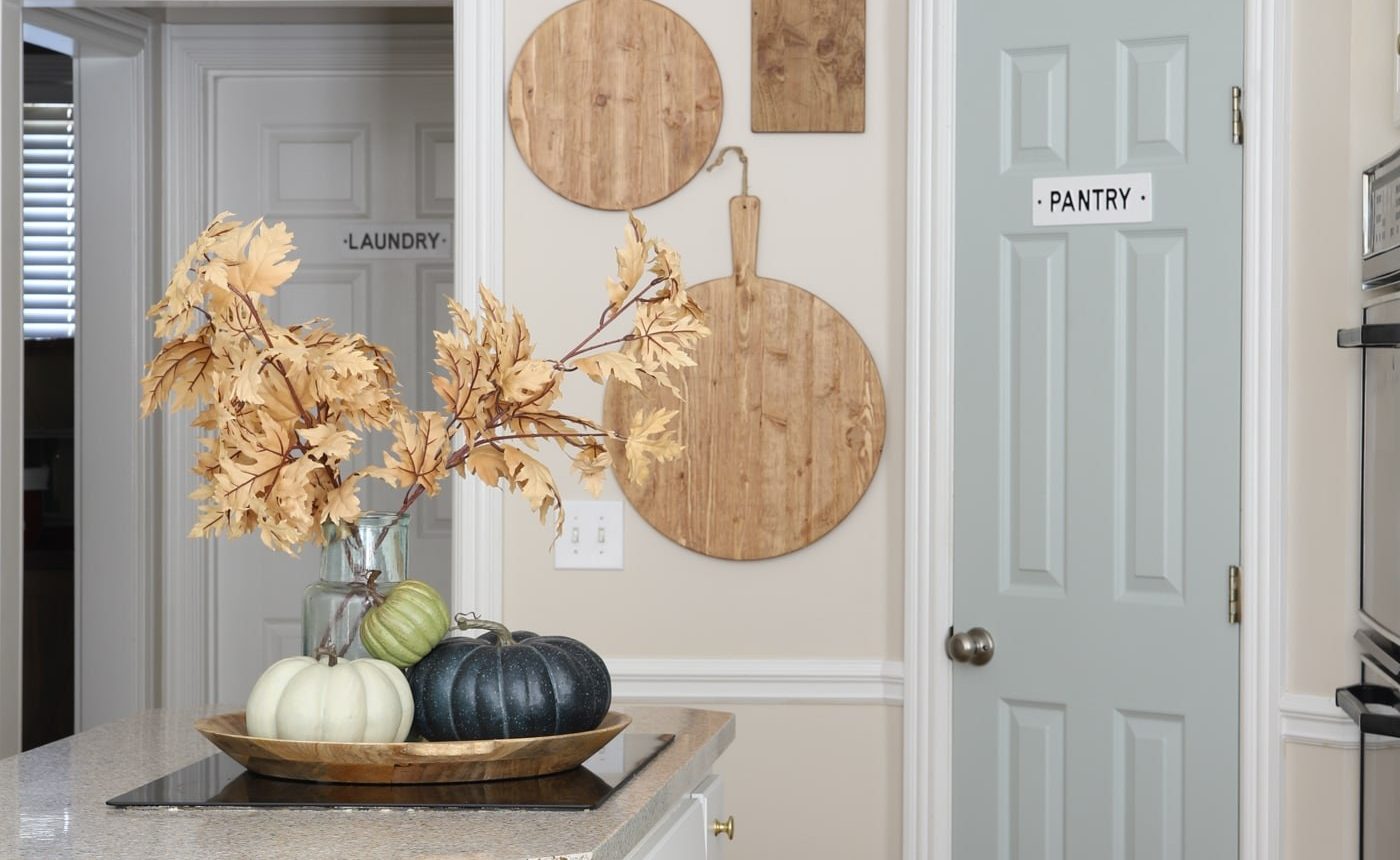
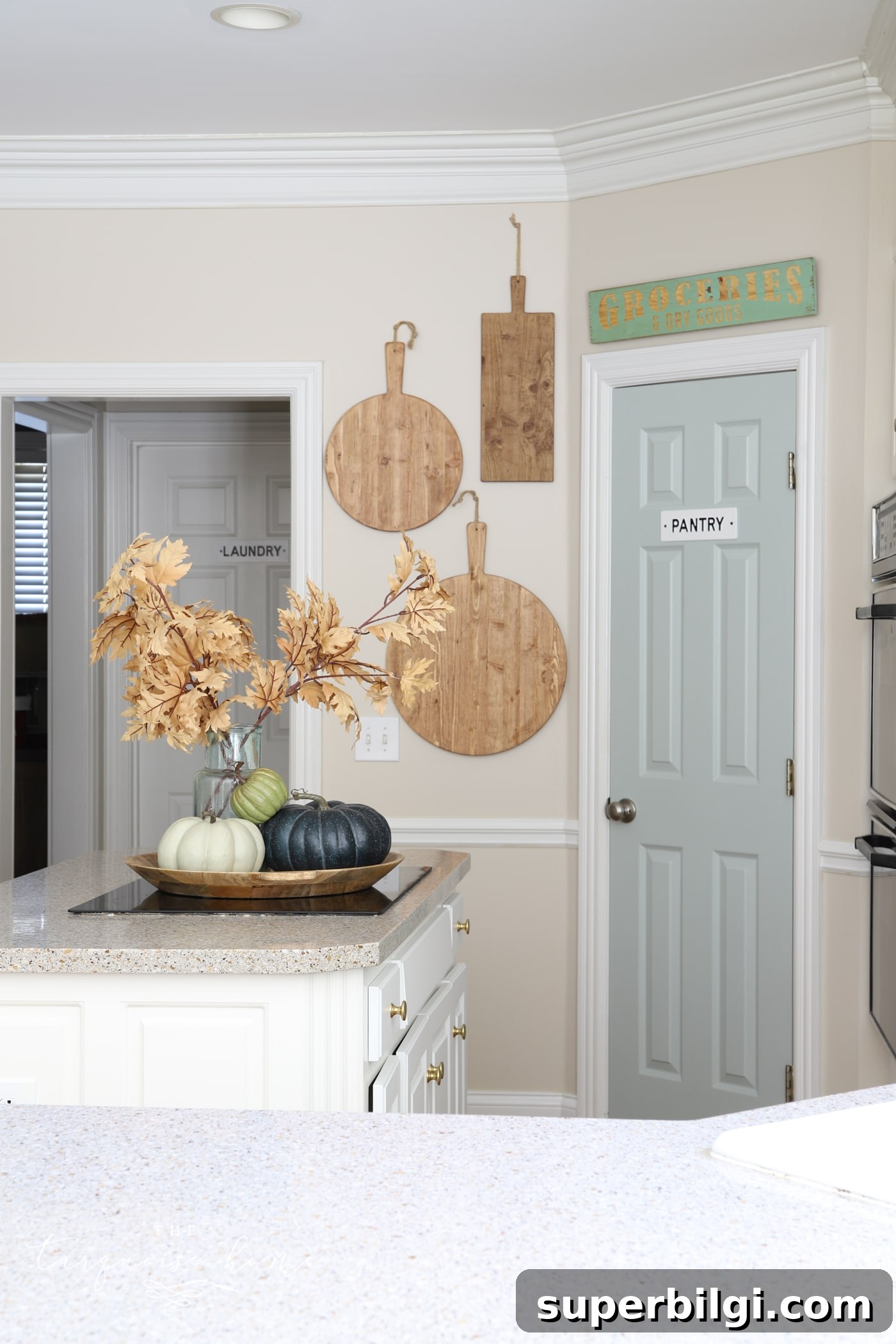
I began with a small project: painting our kitchen pantry door in Sherwin-Williams Comfort Gray. Trying one door first let me live with the color before deciding whether to repeat it elsewhere. Below are ten painted-door ideas and practical lessons I learned from painting doors in my own home.
Quick answer: What color should you paint interior doors?
For a subtle update, consider soft taupe or greige, a warm gray, or a muted blue-green. If you want more contrast, try navy, charcoal, or black. Start by evaluating your wall and trim colors, then test your favorite shade on a single door at different times of day. You don’t need to paint every door in the house—sometimes one accent door is enough to change the feel of a room.
Are Painted Interior Doors Still in Style?
Yes. Painting interior doors in colors other than white has been popular for years and now feels perfectly at home in modern and traditional spaces alike. A painted door can give neutral rooms a focal point, echo a color from your décor, or let a pantry or closet door become a deliberate design element. Popular choices range from soft, understated tones to deep blues, greens, and charcoals.
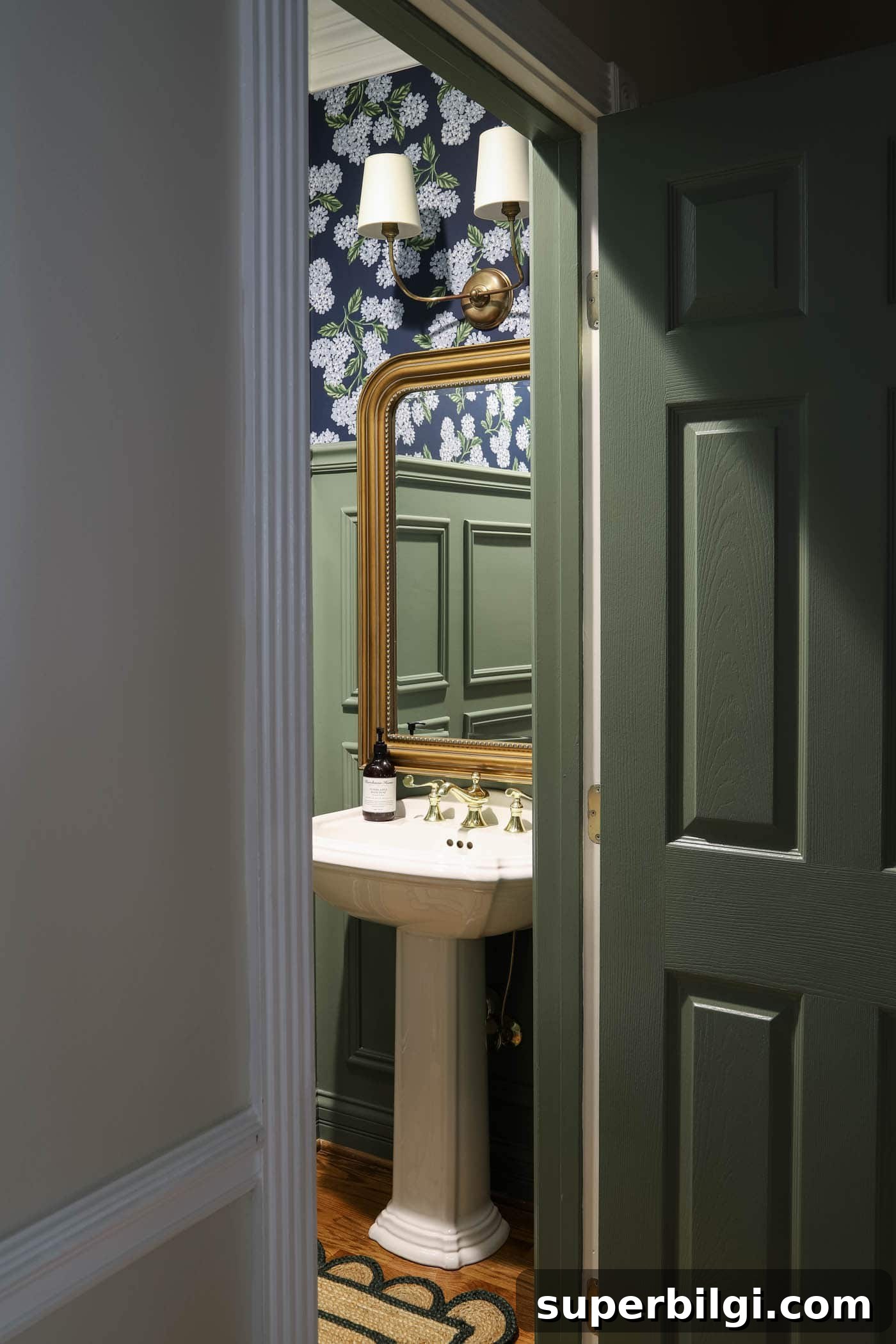
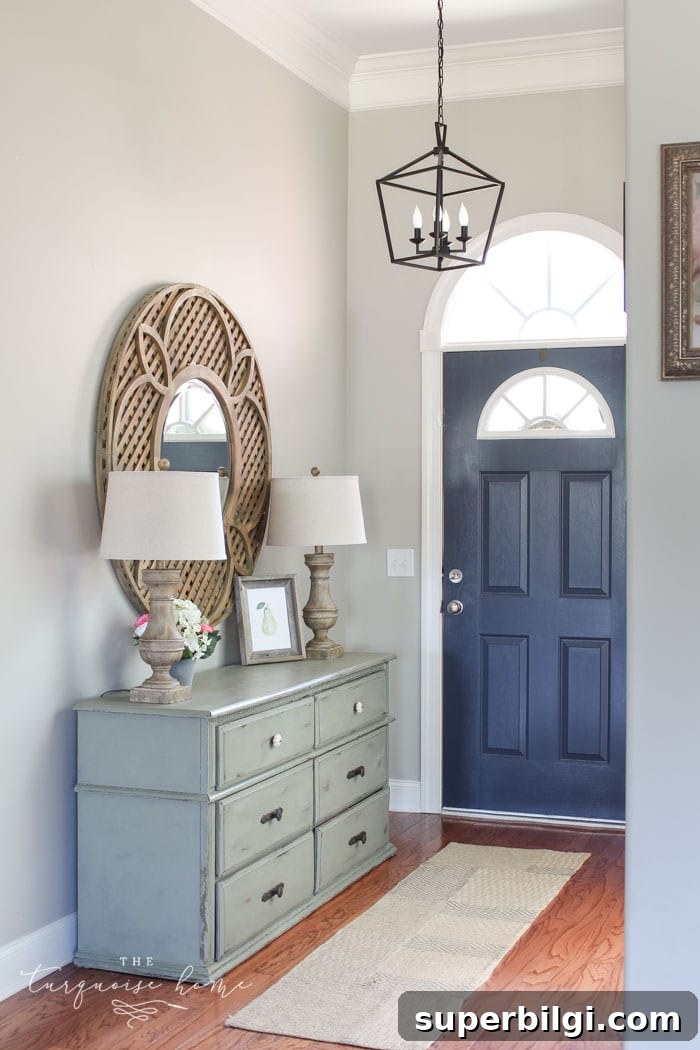
In a previous home I painted the interior faces of my exterior doors Hale Navy—another low-risk way to experiment. If you feel nervous about painting multiple doors, start with one or two and see how you feel. The best part is it’s a relatively simple change if you later decide to switch the color.
How to choose an interior door color
Neutral rooms often benefit from one more layer of color. Painting doors is an easy way to add that layer without overwhelming the space. To pick a color, consider the room’s existing palette: walls, trim, flooring, rugs, art, and textiles can all suggest the right tone. Also think about how much of the door will be visible and whether several doors will be seen together from one vantage point.
What color doors look good with white walls?
White walls offer flexibility. A muted blue or blue-green introduces gentle color, while navy, charcoal, or black brings dramatic contrast. If you prefer a quieter look, warm taupe or soft gray will keep the room calm. Before deciding, look for a color already present in the room—pulling a tone from a rug, artwork, or fabric helps the door feel integrated.
What about cream or warm neutral walls?
With cream, beige, or warm greige walls, consider undertones. A warm taupe, soft blue-green, deep navy, or warm charcoal can all complement those backgrounds. Even a white door can work well if the white reads correctly next to the wall color. Always paint a large sample on the door and observe it at different times of day—lighting can dramatically change how a color reads, especially in low-light hallways.
Do interior doors have to match the trim?
Not at all. You can paint doors and trim the same color for a continuous, built-in look, or let the door stand apart against existing trim. You don’t need to repaint all baseboards or moldings just because you painted one door. Hold a sample next to your trim to decide if the contrast feels intentional.
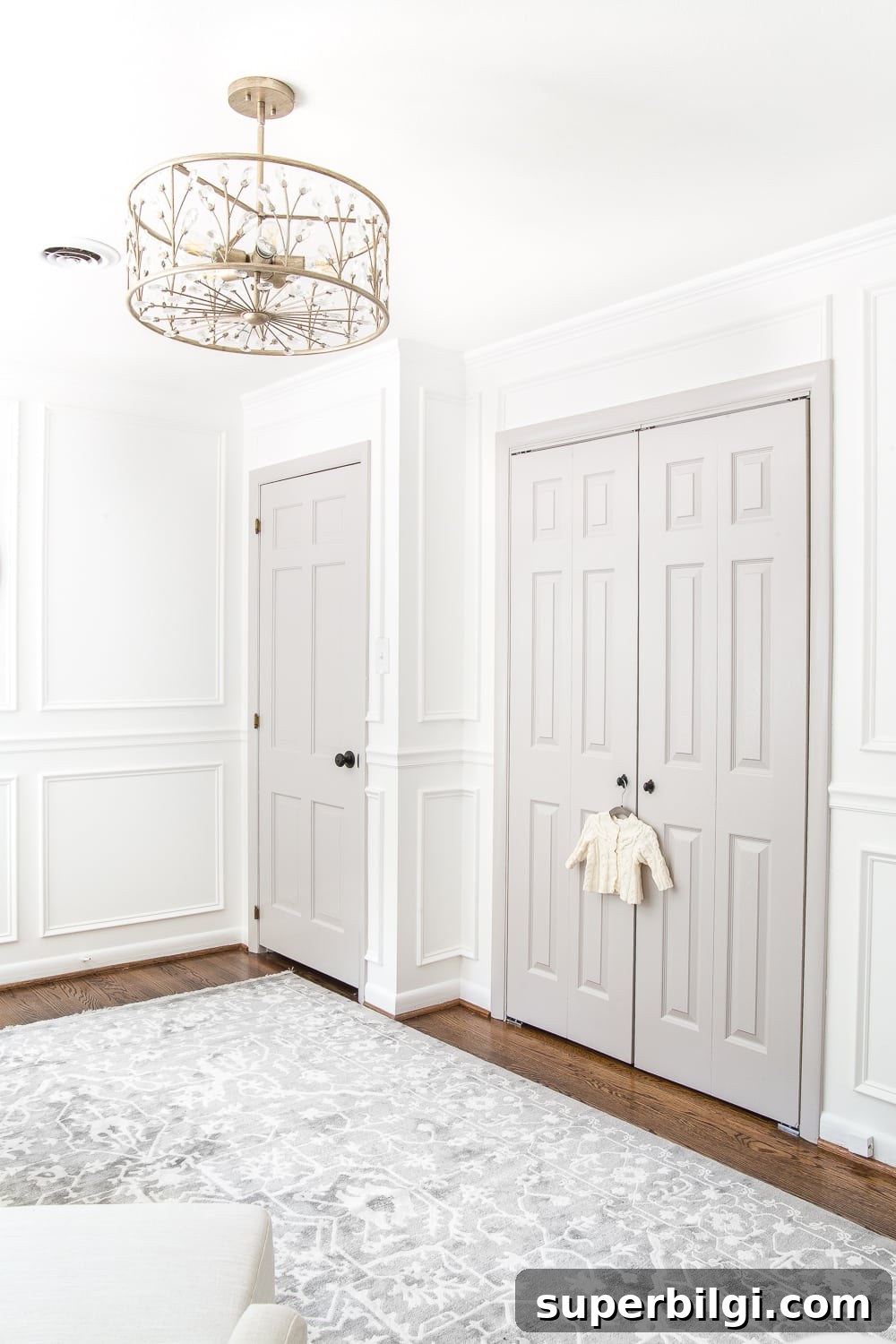
Do all interior doors need to be the same color?
They can be, but it’s not required. Using the same color for several doors visible from a hallway helps visually connect the space. You can also reserve a special color for a feature door—such as a pantry, mudroom, or the inside of the front door. If you mix colors through the house, keep at least one unifying element—door style, paint sheen, or a repeated color palette—so the overall look feels intentional.
10 gorgeous examples of interior door paint colors
Seeing examples makes it easier to imagine painted doors in your own home. Here are ten ideas that range from subtle to bold, with notes on where they tend to work best.
1. Pops of blue
Muted blue-greens add color without overwhelming a space. A shade like Benjamin Moore Wythe Blue provides personality while staying calm and decorative accents in the room can echo the hue.
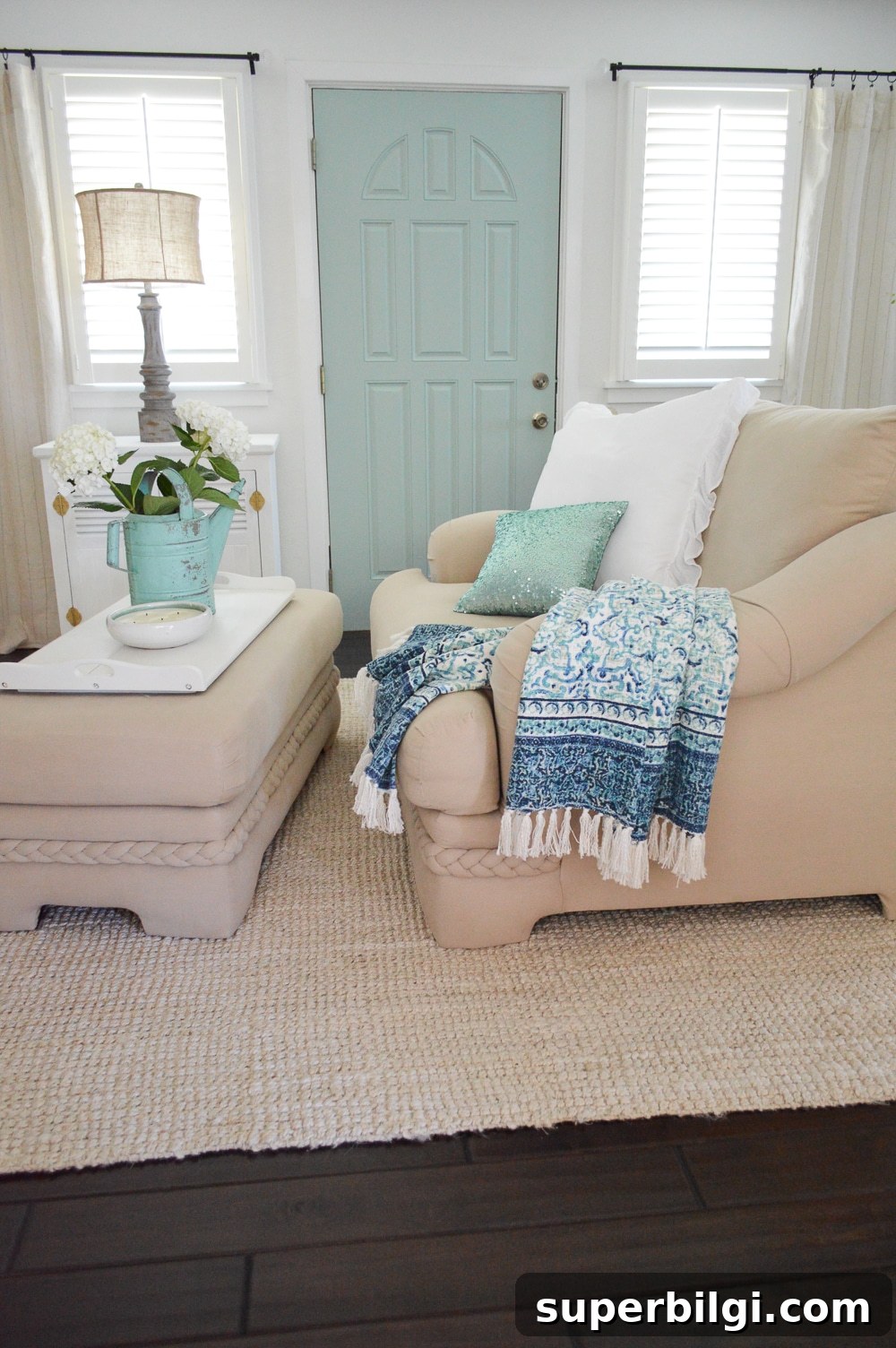
Where it works: White or warm-neutral walls, especially when you already have blue accents in textiles or art.
2. Bright rays of sunshine
A vivid yellow door can be joyful and unexpected—perfect for pantries, playrooms, or any door you want to highlight.
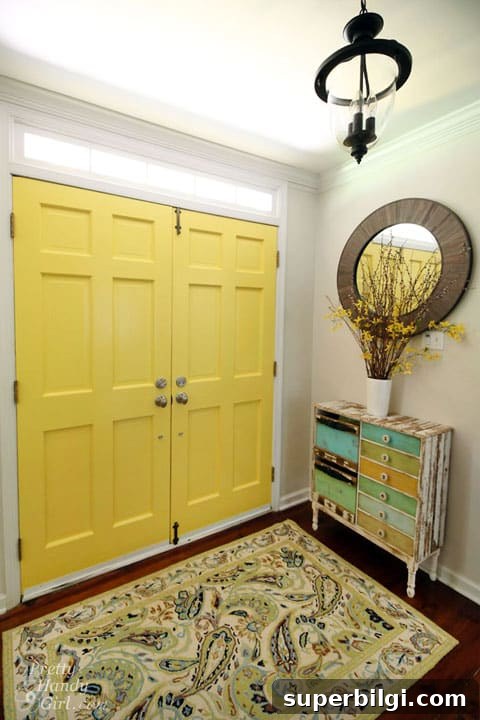
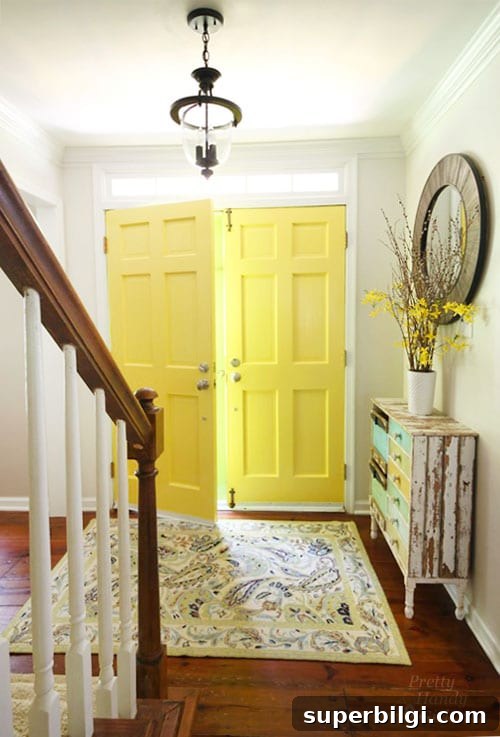
Where it works: Pair yellow with simple white walls and minimal surrounding decor, or echo small yellow accents in the room for cohesion.
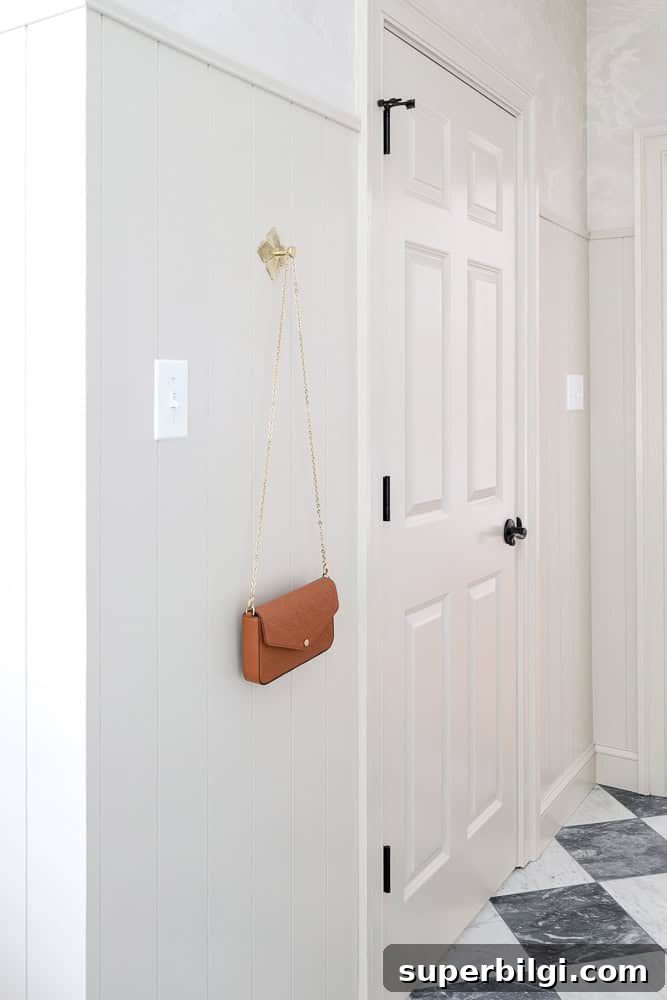
3. Neutral beige
Warm beige doors offer subtle contrast and a calm transition between rooms. This tone is ideal when you want to move away from stark white but keep a soft, unified palette.
4. Pink boho
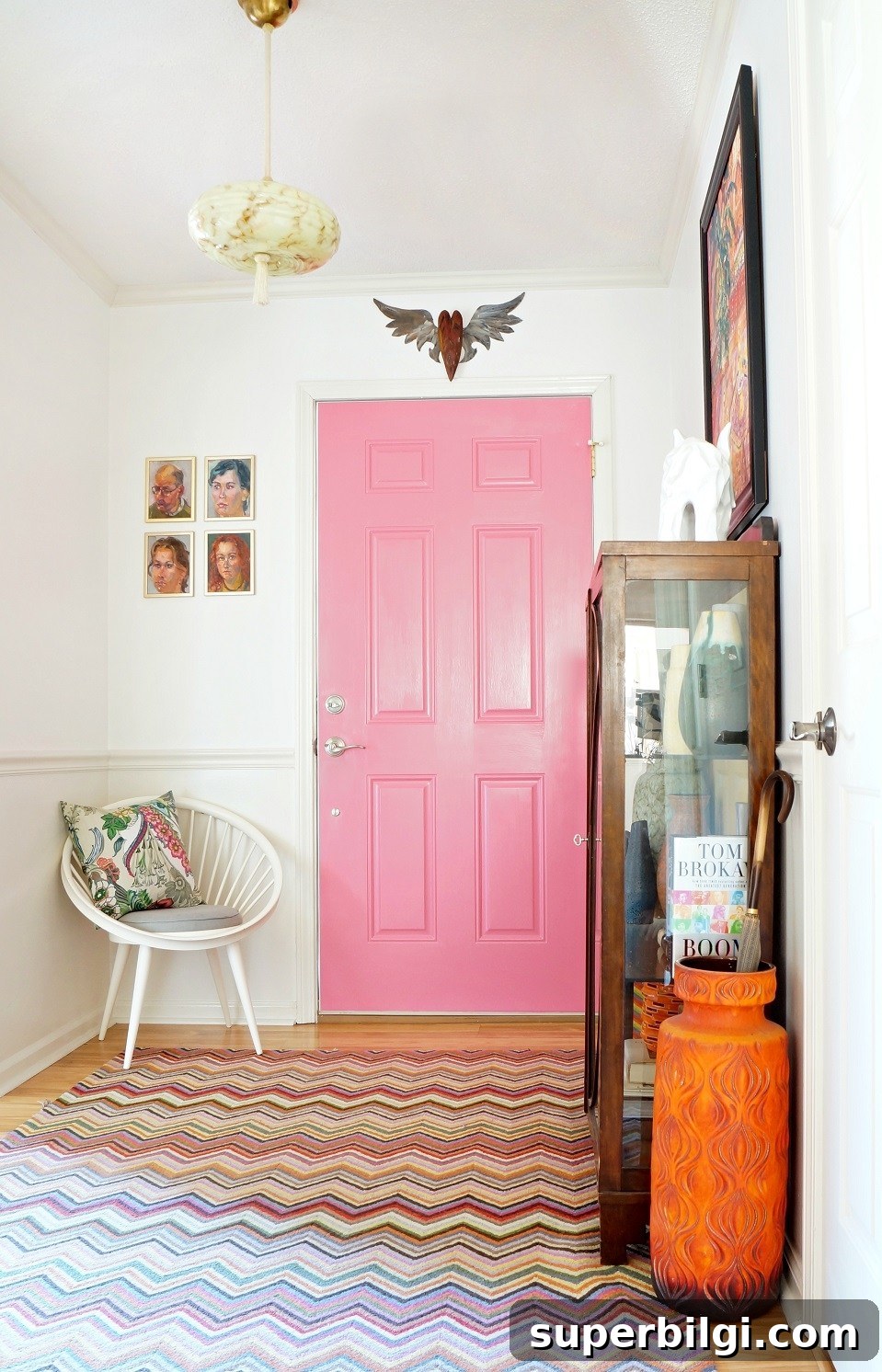
Pink can be playful or sophisticated. Pull a pink from an existing rug, wallpaper, or piece of art for a cohesive, collected look.
5. Go deep
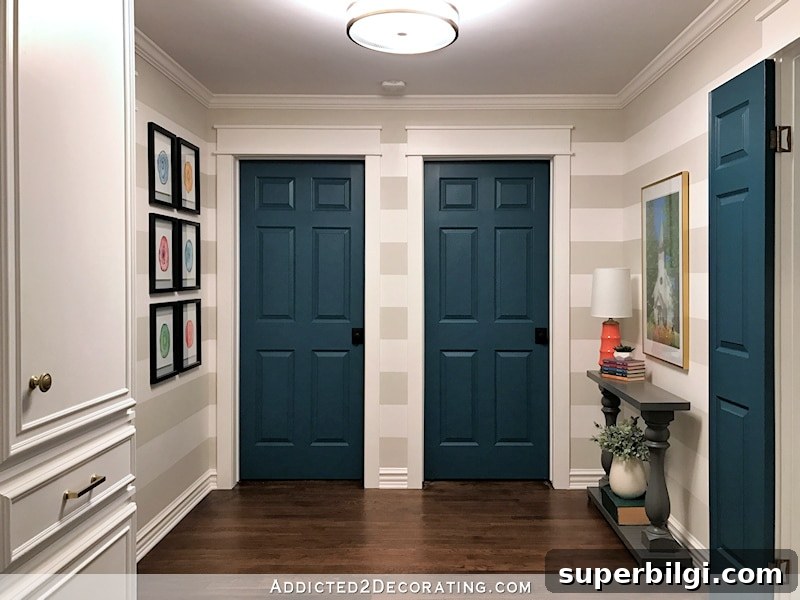
Deep blues add drama and balance out light walls and trim. When several doors are visible in a hallway, one consistent deep shade unifies the space.
6. Subtle blue-gray
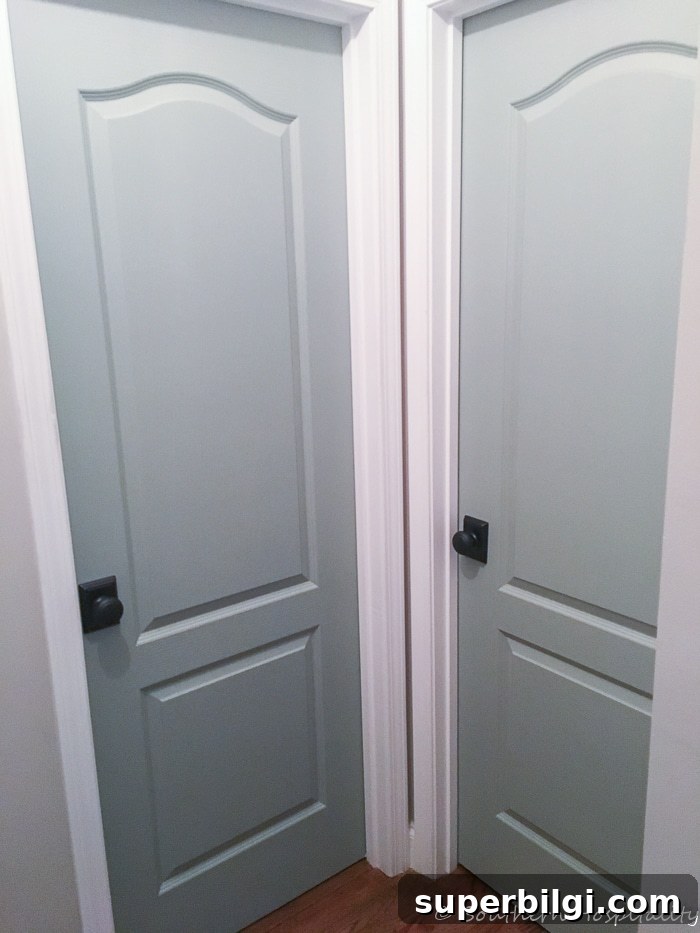
Muted blue-grays give doors personality while remaining understated. They work well with white or warm neutral walls and keep hallways calm when used on multiple doors.
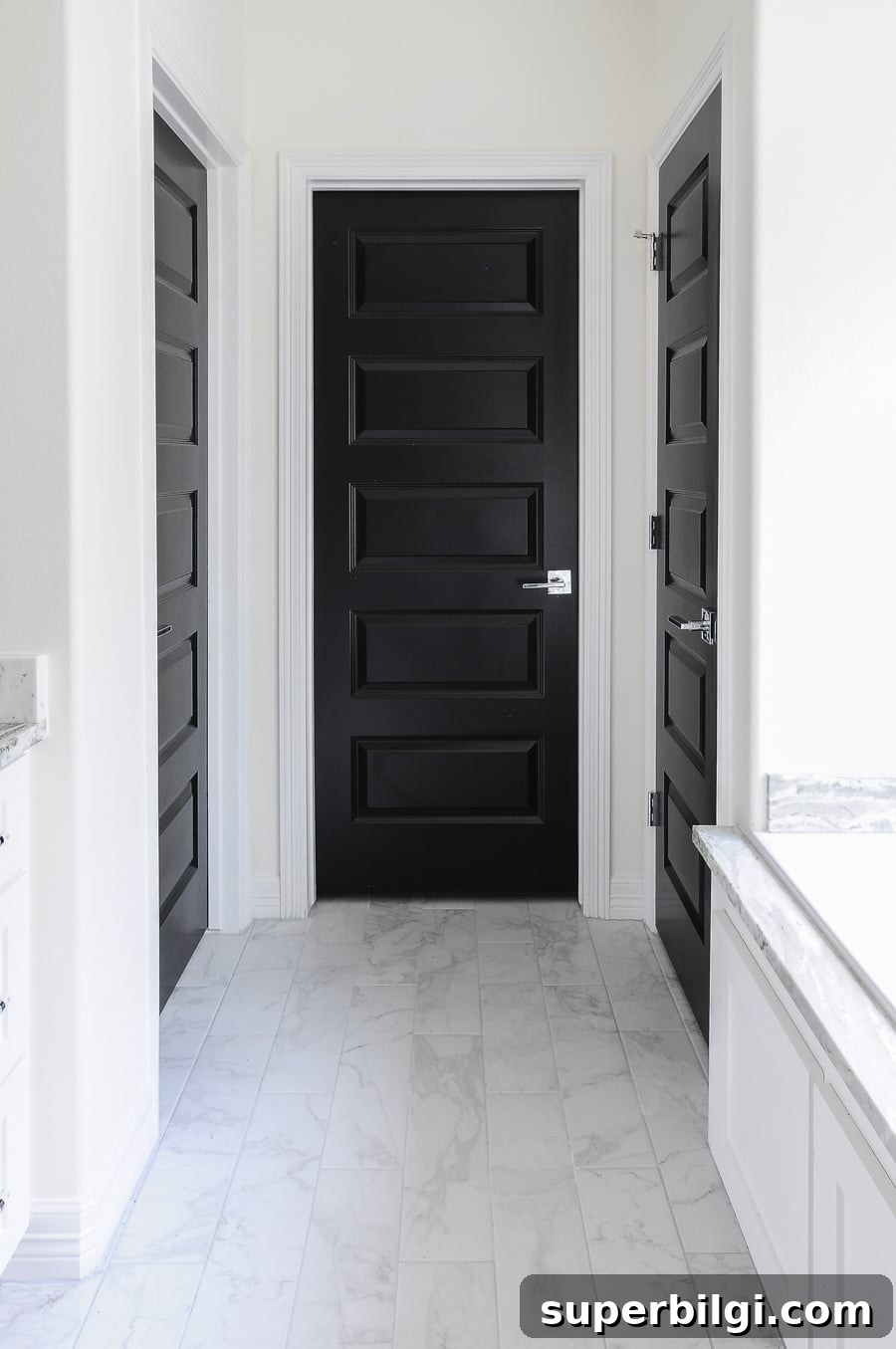
7. Classic black
Black doors paired with white walls create a timeless, high-contrast look. Repeating black in hardware, frames, or fixtures ties the look together.
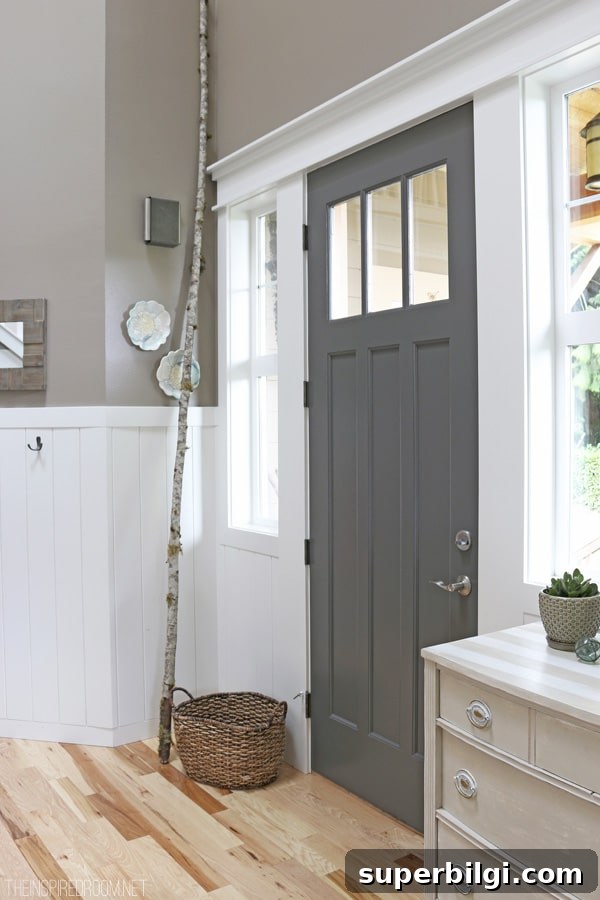
8. Warm dark neutral
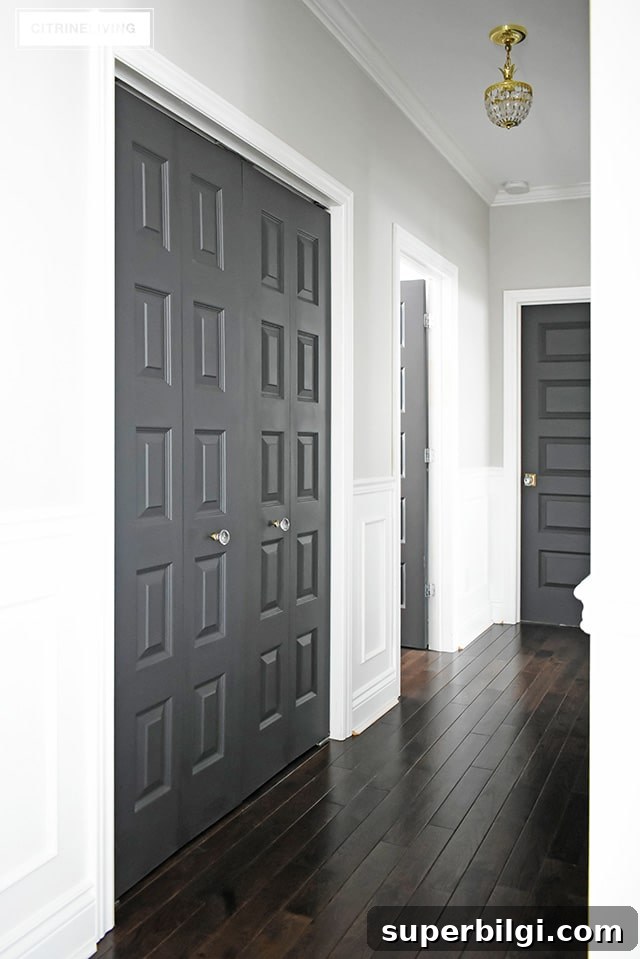
A deep charcoal gives contrast with less starkness than black. It reads warm and dramatic, and pairs beautifully with white or cream walls as well as darker wood floors.
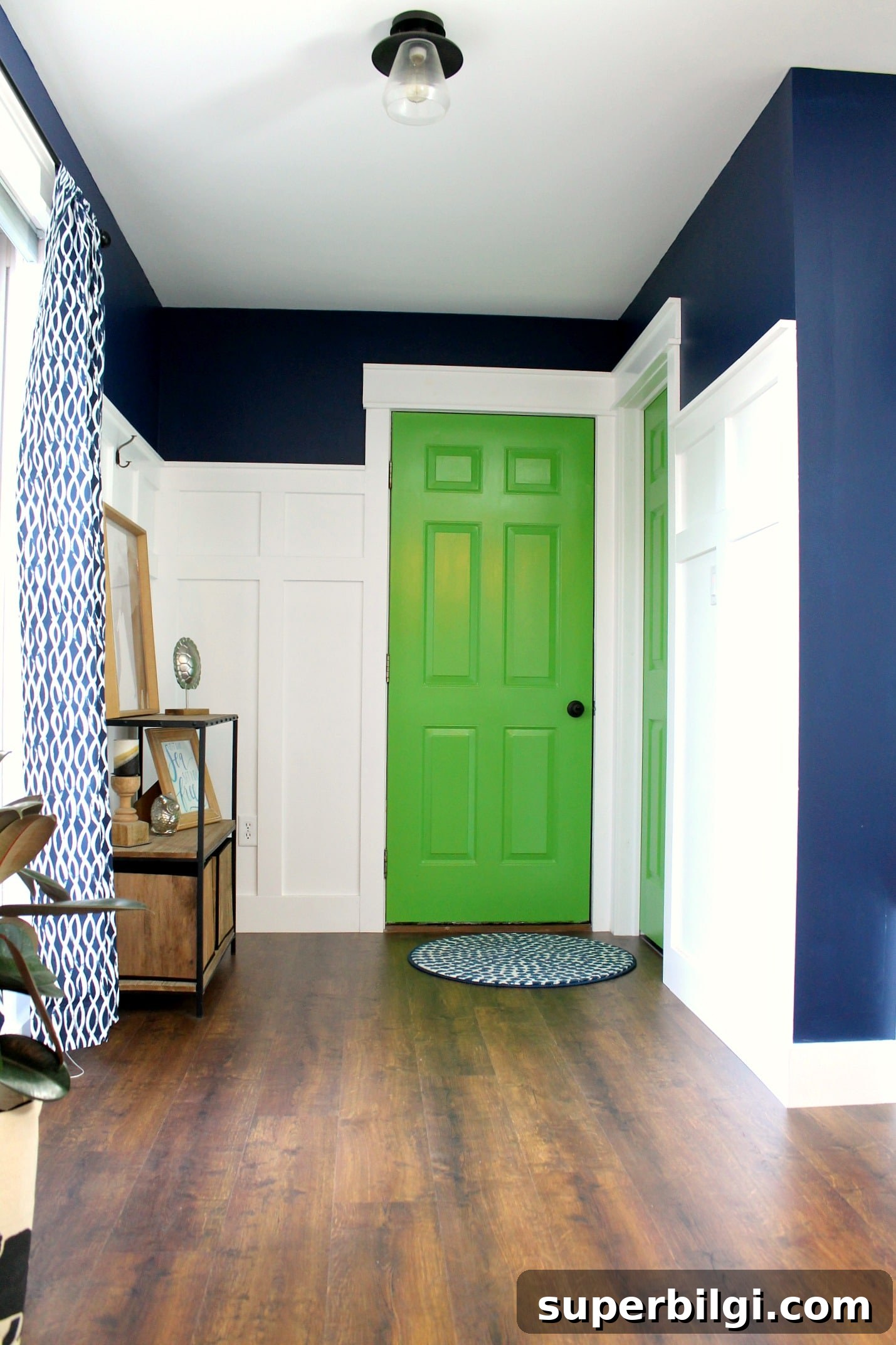
9. Color punch
Bright green or other saturated hues make playful statements in mudrooms, laundry rooms, or play areas. When combining two bold colors—like green and navy—let one dominate and the other serve as an accent.
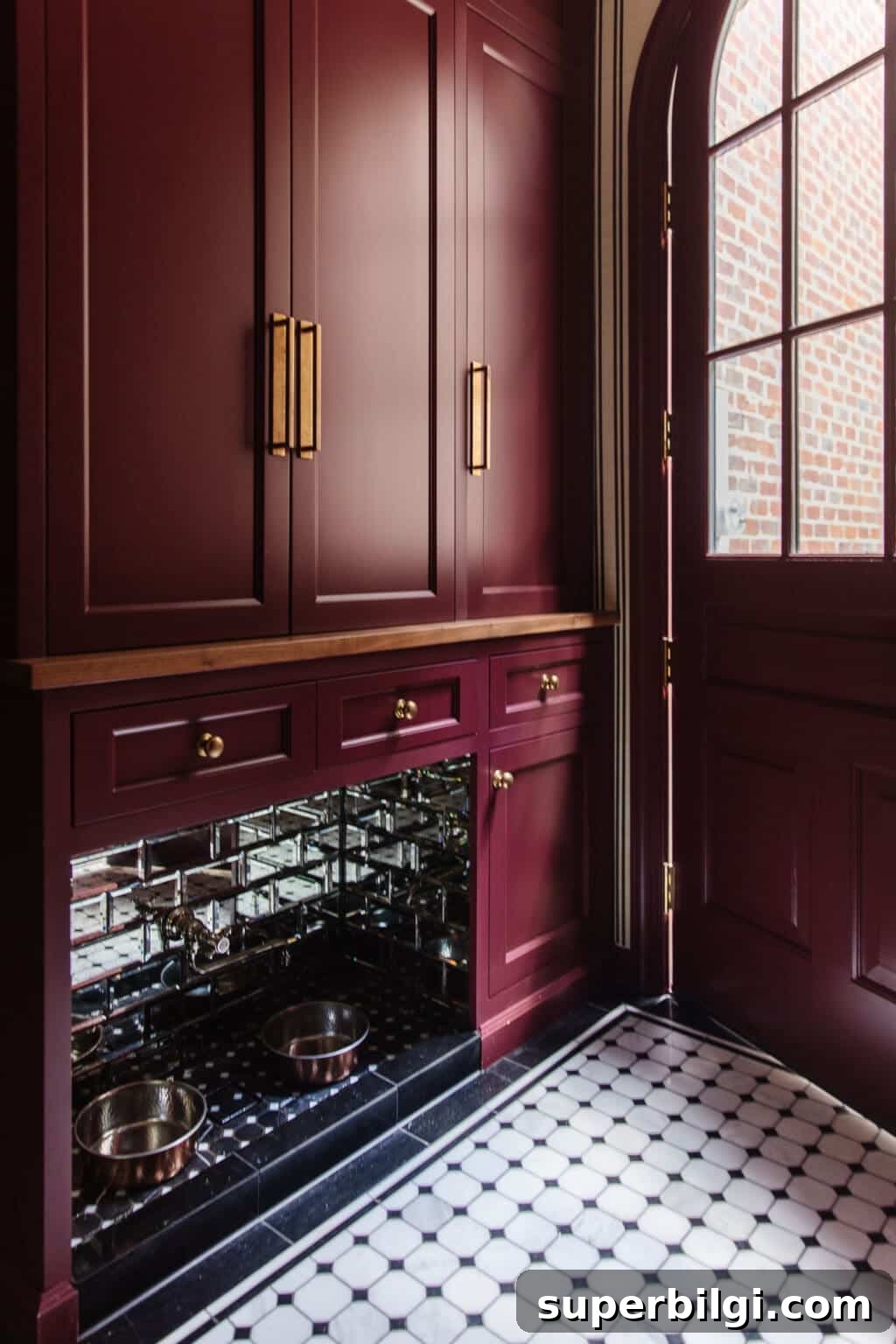
10. Bold red
A deep red on an interior face of an exterior door or mudroom door feels warm and welcoming. Painting nearby cabinetry or trim the same red creates a cohesive, designed look.
Final thoughts on painting interior doors
Painting an interior door is an easy, impactful way to introduce personality to your home. Choose a subtle shade like warm beige or muted blue-green for understated charm, or go bold with navy, black, or red for a stronger statement. You don’t need to commit to every door at once—start with a pantry, closet, or one bedroom door and test the color at different times of day.
If you’re unsure where to begin, pick a color that already appears in the room, paint a sample, and live with it for a few days. That’s exactly how I began with our Comfort Gray pantry door, and the small trial made the process feel low-risk and informative.
Which of these door colors would you try in your home? I’d love to hear your favorite in the comments.
More paint inspiration: If you’re still weighing options, look for guides on choosing paint colors, read reviews of specific shades like Comfort Gray and Wythe Blue, and follow practical how-to articles for painting interior doors. Sampling and seeing colors in your own light is the best way to make a confident choice.