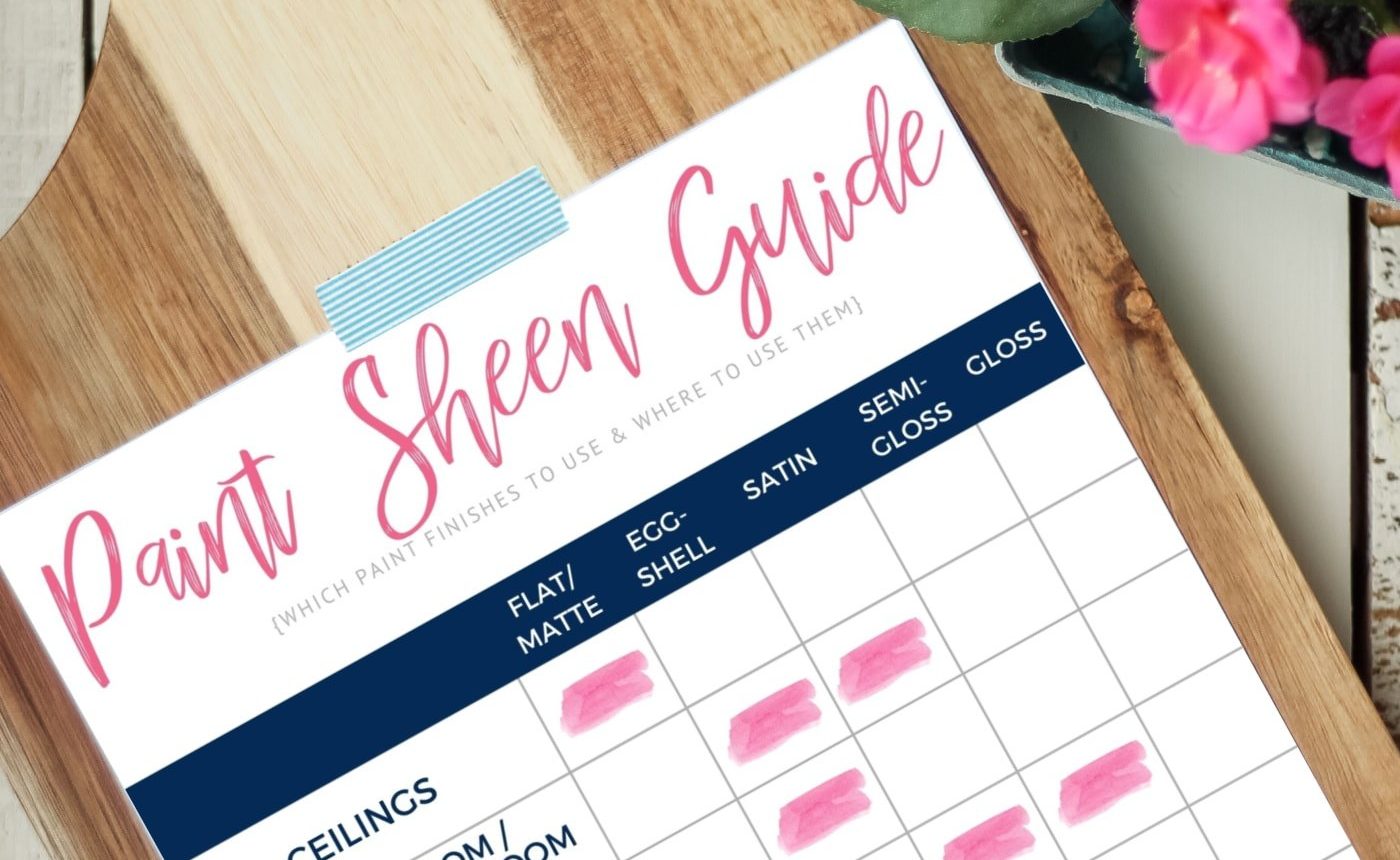
Preparation is everything when painting. Choosing the right paint color is only part of the job — you also need to choose the correct paint finish (sometimes called paint sheen). This guide explains common finishes, where to use them, and practical tips to help you pick the best option for every room.
I used to think selecting a paint color was the hardest choice. After years of testing colors and writing paint guides, I’ve learned that choosing the right sheen can be just as important. The same color can look dramatically different in a matte versus a high-gloss finish because finishes affect how light is absorbed or reflected.
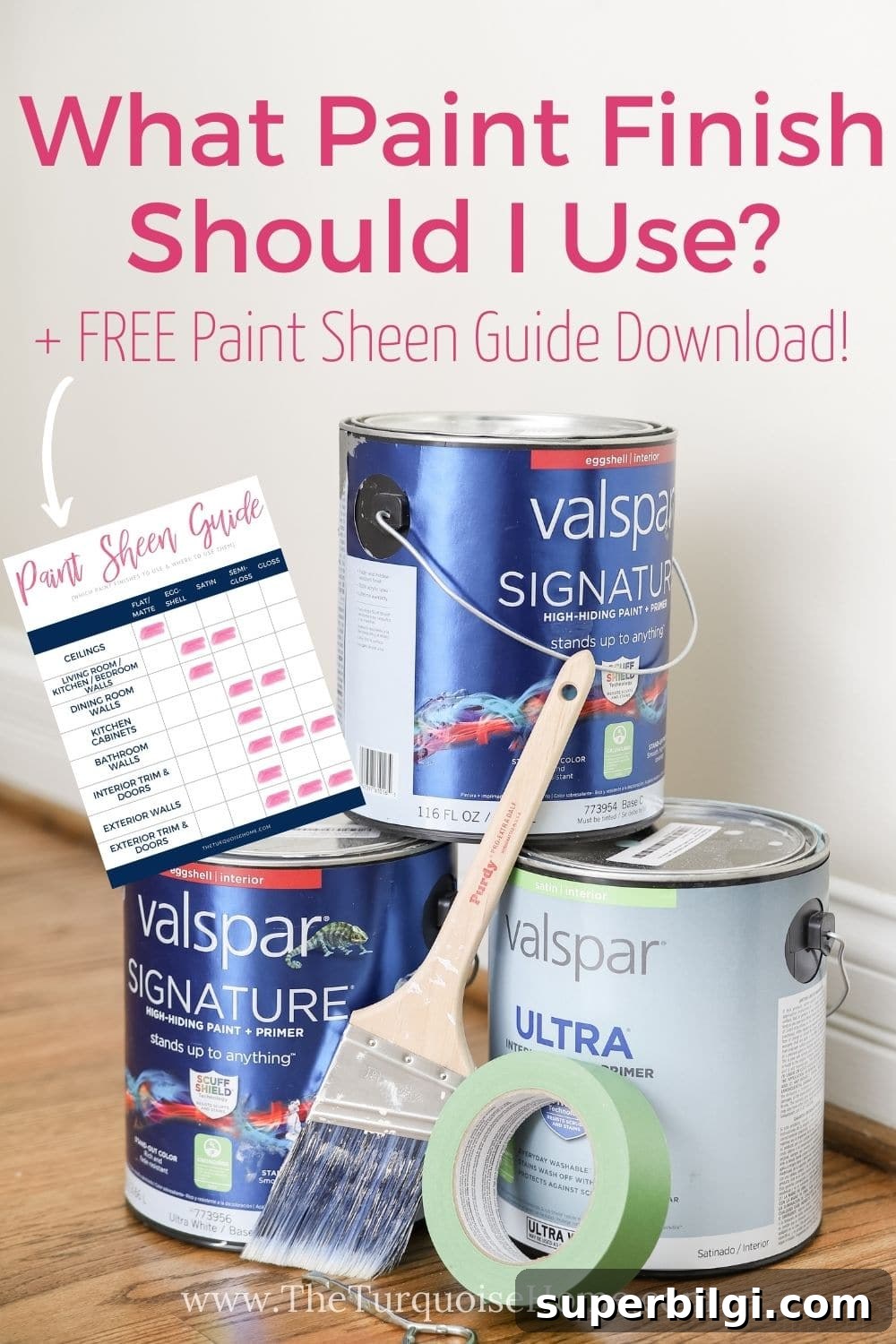
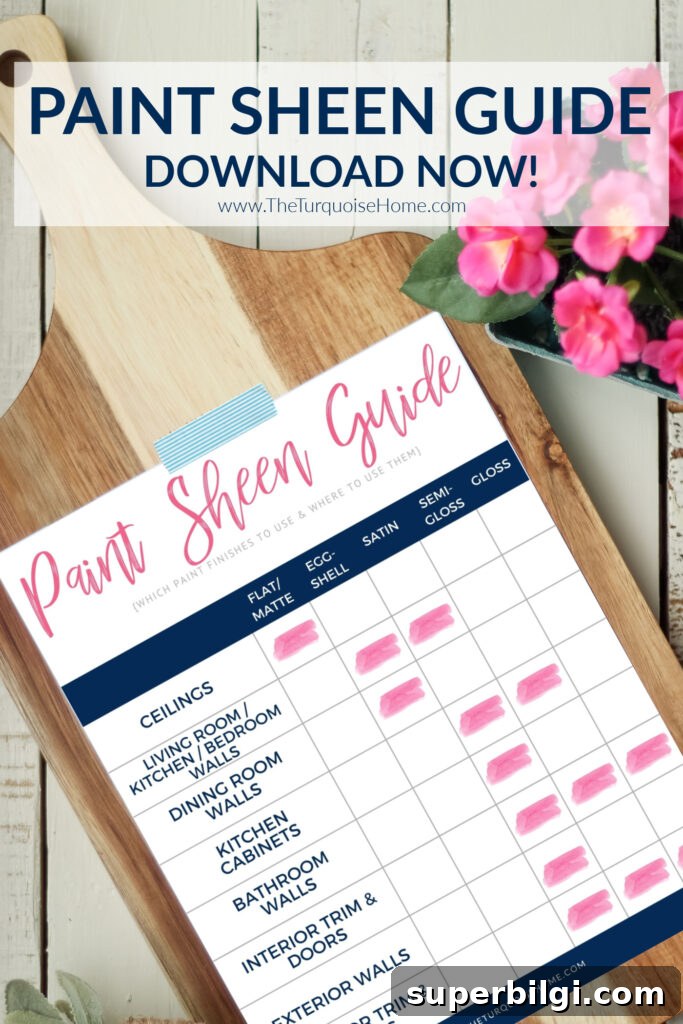
At the end of this article I mention a free Paint Sheen Guide you can download to keep on hand when shopping for paint.
What are the different types of paint finishes?
Paint finishes vary from high gloss to matte. Each finish affects durability, cleanability, and how much surface texture or imperfections are visible. Below are the typical options, listed from most reflective to least:
- Gloss: A high-sheen finish that reflects a lot of light. Gloss is very durable and easy to wipe clean but will reveal and emphasize surface imperfections. Touch-ups are more noticeable with this sheen.
- Semi-gloss: Slightly less reflective than gloss but still durable and easy to clean. Semi-gloss is a common choice for trim, doors, and areas that need frequent wiping.
- Satin: Satin has a soft, pearl-like sheen that reflects light gently. It balances cleanability with a less shiny appearance, making it a versatile option for many rooms.
- Eggshell: Eggshell has a low luster with a subtle velvety feel. It reflects very little light and typically looks closer to matte unless hit by direct light.
- Flat or Matte: These finishes absorb light and offer the least reflection. Flat paint conceals surface flaws best, which is why it’s often used on ceilings and older walls that aren’t perfectly smooth.
Note: Paint manufacturers sometimes use different names for comparable sheens. For example, Benjamin Moore’s “Soft Gloss” aligns with what many other brands call “Satin.” When buying directly from a brand, ask which product corresponds to the sheen you want.
The best paint finishes for each room
Selecting the right sheen depends on the room’s function, traffic, and lighting. Below are practical recommendations for common rooms in the home.
Ceilings
Ceilings are traditionally painted flat (matte). Flat paint masks imperfections better than any other finish and blends seamlessly across large, uninterrupted surfaces. Because ceilings are often harder to repaint, the touch-up-friendly nature of flat paint is a helpful advantage.
Living rooms
Living rooms should feel comfortable and inviting. A middle-sheen finish like eggshell or satin offers a soft, warm appearance while remaining reasonably easy to clean. These sheens are popular because they provide balance between appearance and practicality.

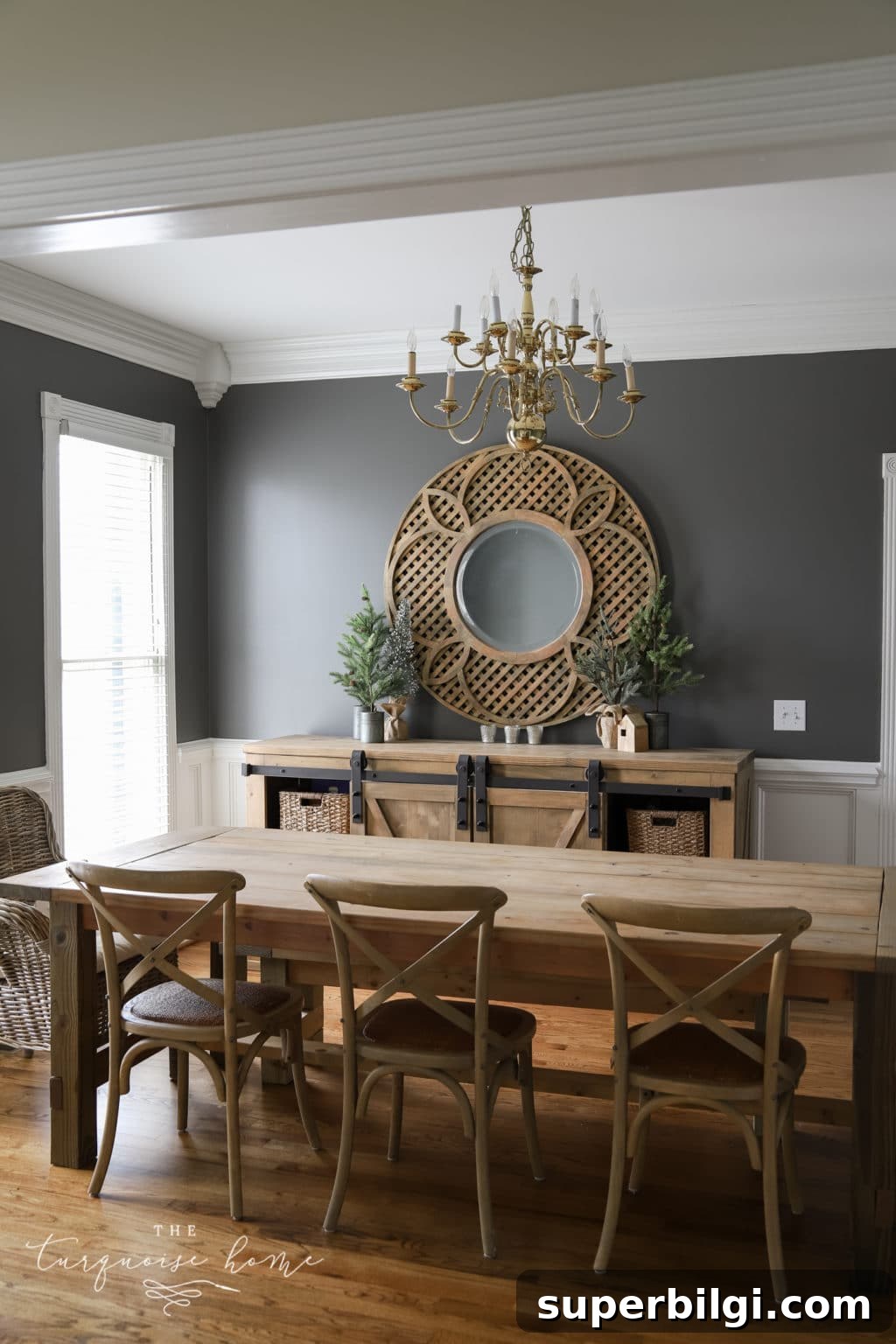
Dining rooms
For dining rooms, choose a finish that feels warm and welcoming. Eggshell
Kitchens
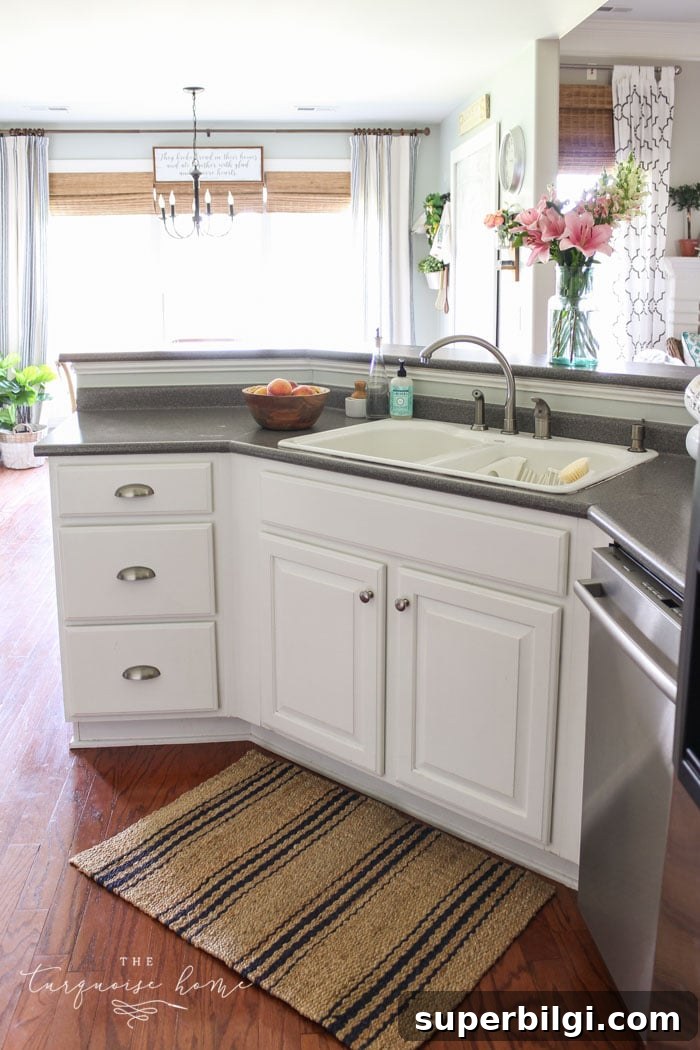
Kitchens see heavy use and frequent messes, so choose finishes that are durable and easy to clean. For walls, satin works well because it wipes clean without being overly shiny. Cabinets and trim can handle satin, semi-gloss, or high-gloss finishes; satin is often preferred for cabinets because it hides smudges while remaining durable.
Master and guest bedrooms
Bedrooms are places to relax, so lean toward finishes that feel soft and restful. I recommend eggshell or satin depending on the light and color. Eggshell provides a more matte, cozy effect while satin offers a little more resilience for rooms that see occasional wear.
Kid-friendly finishes (playrooms and children’s bedrooms)
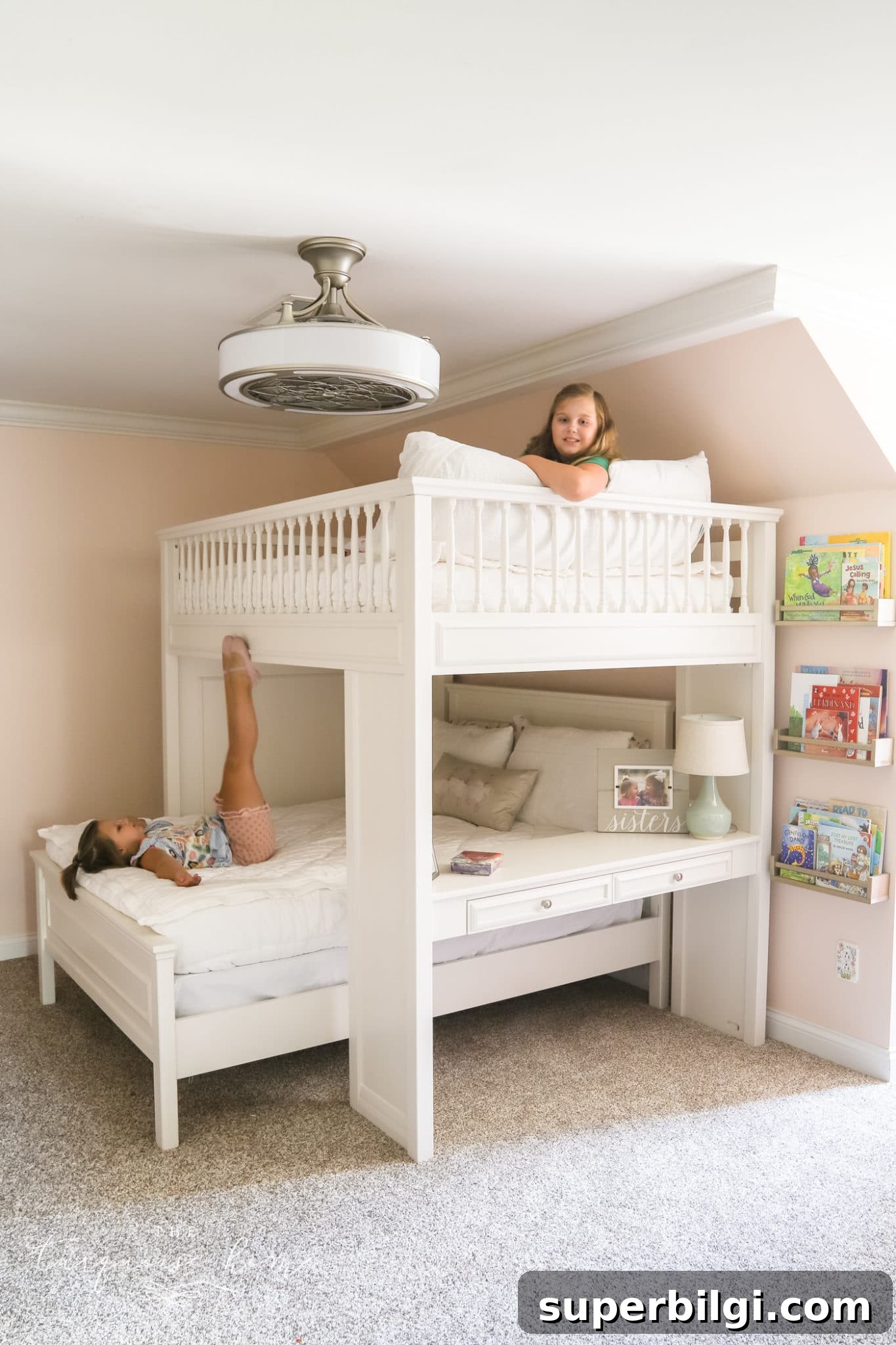
Kids’ rooms often need a more durable, washable surface. Satin is usually the best compromise between cleanability and appearance. If you expect heavy wear or frequent marks, semi-gloss is even easier to wipe clean, though it will be shinier.
Bathrooms
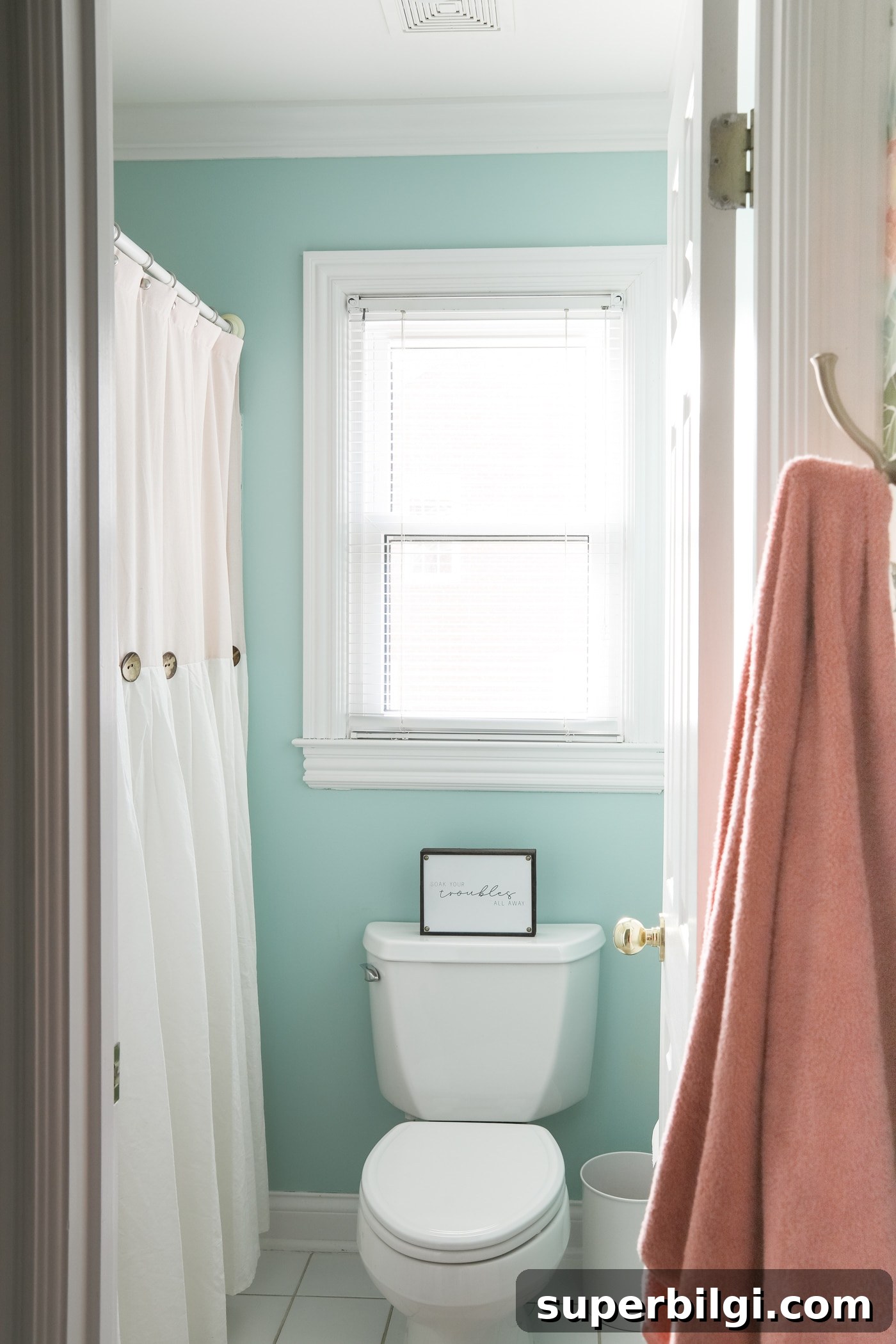
Bathrooms and powder rooms face higher humidity and frequent contact, so choose a sheen that resists moisture and cleans easily. A satin finish is a reliable choice for bathroom walls and offers a balance of durability and low reflection.
Final thoughts
As a general rule, I favor muted sheens over highly glossy options. I rarely choose anything shinier than satin for interior surfaces; even exterior trim and doors often look best in a satin finish for a balanced, refined look. Semi-gloss can be a good choice for interior trim where extra durability is needed.
Remember that the same paint color will appear differently depending on sheen: matte finishes absorb light and hide texture, while glossier finishes reflect light and emphasize surfaces. Consider both color and finish together when planning a paint project.
Paint sheen guide — free download
More painting resources:
- How to paint a room like a pro in 5 easy steps
- The best gray paint colors for your home
- Organized paint storage ideas
- Beautiful interior door paint colors
- Top nursery paint colors and accent wall ideas