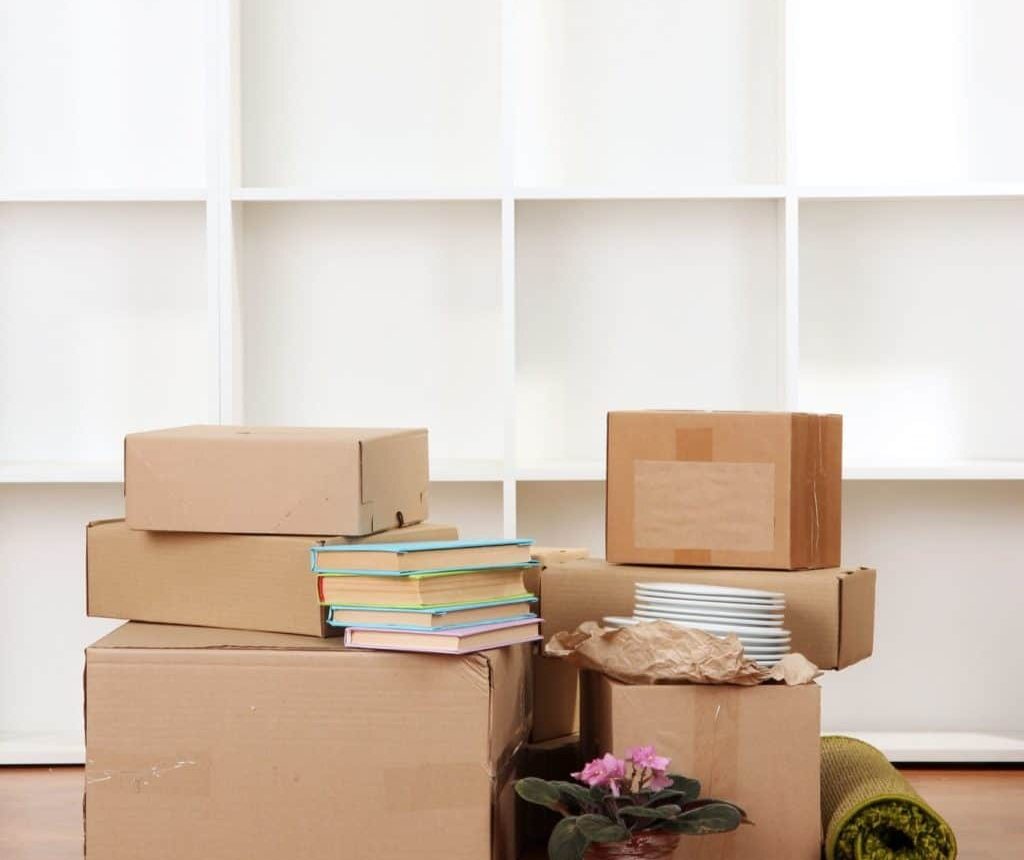
Moving is one of those life events most of us do only a few times—and when it’s done poorly it can become chaotic. These packing tips for moving will help you stay organized, save time, and keep stress to a minimum so your move goes more smoothly.
If you follow this blog, you may know that we recently moved. The experience—especially during the busy holiday season—reminded me how important planning and organization are, particularly when you’re juggling kids, work, and holiday preparations.
As a parent of young children and a full-time blogger, packing and planning in a calm, step-by-step way preserved my sanity. If you want practical, realistic advice for packing and moving—especially with kids—read on for my best strategies, checklists, and everyday tips.
Helpful Packing Tips for Moving
Below are my go-to packing tips for moving, organized so you can prepare, pack, and settle into your new home with less hassle.
1. Get Rid of Clutter
Before you pack, purge. Moving is the perfect moment to clear out anything you haven’t used in the past year. Unused items only add weight and cost to your move, so sort through drawers, closets, and cabinets and set aside things to donate, sell, or recycle.
If items are in good shape, consider donating them to local charities or thrift stores. For things that might sell, list them on local marketplaces or host a yard sale. Even a small amount of extra cash can help offset moving expenses. If selling isn’t worth the effort, donating is a quick and helpful option.
Decluttering also makes your current home more appealing to buyers, letting them focus on the space instead of personal clutter.
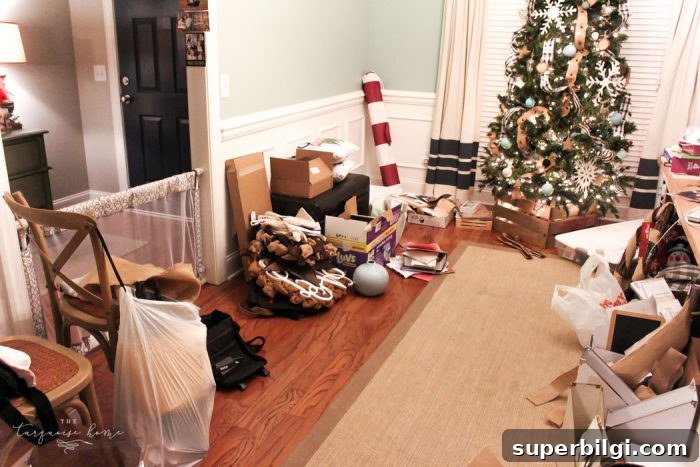
2. Work in Spurts
Packing an entire house in one go is overwhelming. Break the task into short, focused sessions—work for an hour or two each day, or tackle a room or category per session. Small, concentrated bursts of work are surprisingly productive and keep stress levels down.
Create a realistic schedule and stick to it. This helps maintain momentum without burning you out, and it’s easier to manage when you’re balancing family and other responsibilities.
3. Work on One Room at a Time
Contain the chaos by finishing one room before moving on to the next. This approach helps you feel progress as rooms get fully packed and reduces the scattershot effect of packing a little everywhere. Mark off rooms as they’re completed to keep your morale up.
4. Use Great-Quality Boxes
Invest in sturdy moving boxes and quality packing tape. While recycled grocery boxes are free, they’re often inconsistent in size and strength. Using purpose-made moving boxes reduces the risk of damaged items and makes stacking and labeling easier.
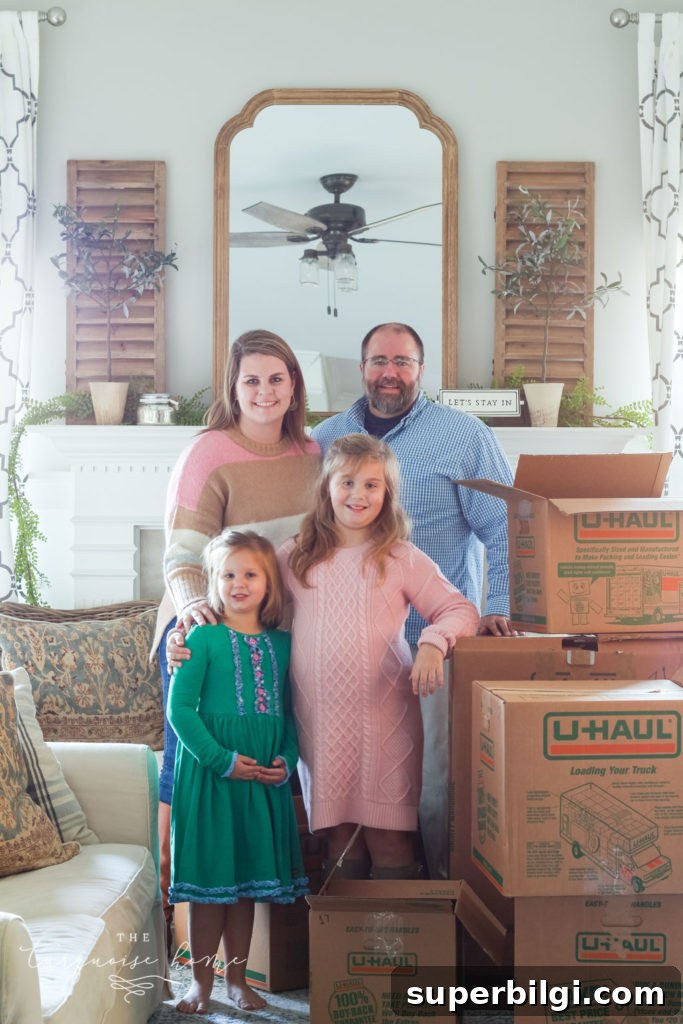
If buying new boxes is a stretch for your budget, look for gently used moving boxes from friends or local marketplaces. Good boxes can often be reused for future moves.
5. Use a Label System
A clear labeling system saves time during unloading and unpacking. I recommend color-coding boxes by room, then writing a brief list of the box’s contents. Color labels guide movers where to place boxes in the new house, and written contents help you find essentials quickly.
Label fragile items and priority boxes so they receive special handling and immediate attention when you arrive.
6. Use Baggies for Important Hardware
When disassembling furniture, place all screws, bolts, and small parts into clear zip-top bags. Label the bag with the furniture name and tape it to a major piece so everything stays together. Include assembly instructions if you have them.
Moving tip: Keep hardware from different items separate to avoid confusion during reassembly.
7. Wrap Breakables
Wrap fragile items individually using bubble wrap, packing paper, or corrugated cardboard. Fill any empty spaces inside boxes so items don’t shift during transit. Proper packing dramatically reduces breakage and disappointment on moving day.
8. Leave Out the Essentials
Pack a dedicated essentials box or bag you’ll keep with you. This should include day-to-day necessities for the days surrounding your move and anything you’ll need immediately upon arrival.
Useful essentials include:
- Toilet paper and paper towels
- Toiletries and toothbrushes
- Medication and first-aid items
- Trash bags and cleaning supplies
- Box cutter for opening boxes
- Chargers, favorite toys, books, and devices for kids
- A mug or cup for each family member and a travel coffee maker if needed
- Clothes for several days and laundry detergent
- Any other items you’ll need immediately
Keep this box accessible—either in the car or close by—so you won’t need to rummage through dozens of boxes on day one.
9. Arrange Childcare for Moving Day
Moving day demands focus and energy. If possible, arrange childcare so you can handle logistics without worrying about kids getting underfoot. If family or friends aren’t available, consider hiring a sitter for the day. Even a few hours of uninterrupted time makes a big difference.
These practical packing and moving tips reduce stress and help you move efficiently while decluttering your life. A little planning goes a long way toward a smoother transition into your new home.
More posts you may like:
- The BIG Project: We’re Moving!
- We’re Moving: Part 2
- How to Organize a Pantry
- How to Declutter Your Home in 5 Simple Steps